*By Alisha Haridasani*
New evidence suggests that Google's all-to-real sounding voice assistant may not be as life-like as it first seemed, raising questions about the status of the company's A.I. capabilities.
A [demo](https://www.youtube.com/watch?v=bd1mEm2Fy08) last month of the A.I.-powered Duplex voice assistant showed it interacting with humans to make a restaurant reservation and a haircut appointment. But some people are saying it was faked.
Axios’s Dan Primack [pointed out](https://www.axios.com/google-ai-demo-questions-9a57afad-9854-41da-b6e2-5e55b619283e.html) that the people picking up the calls in the two demos don't identify themselves, as is the norm when small businesses receive phone calls. There was also no ambient noise in the phone calls, and neither the hair salon or the restaurant asked for the caller’s phone number for the booking.
“The whole conceit of Google Duplex is that a robot would have a conversation with a human on the other end, potentially without a human having to jump in,” said Dana Wollman, executive editor at Engadget. “So people do want to feel that this interaction was real and authentic.”
The more likely scenario is that Google may have edited the recording, protecting the businesses or the privacy of the people who answered the call, said Wollman.
“I think it is still possible that it was based on a real exchange,” she said. “If I was in Google’s PR department I would probably want to be able to show a real working demo.”
Google hasn't directly responded on the record to journalists asking about the authenticity of the recordings.
For the full interview, [click here](https://cheddar.com/videos/googles-duplex-dupe).
Electric bike company Dance recently raised $19.4 million, just weeks after rolling out its e-bike subscription service in Berlin. Dance allows users to subscribe to use an e-bike for around €79, or about $91, a month. Dance says its subscription model allows the company to reuse and refurbish its products, and further its mission to build more sustainable and livable cities. Dance founder and CEO Eric Quidenus-Wahlforss joined Cheddar News' Closing Bell to discuss.
Project management platform ClickUp raised $400 million in Series C funding this week, and founder and CEO Zeb Evans joined Cheddar's "Closing Bell" to talk about taking the added funds to help make the workplace more efficient by being a one-stop-shop for office needs. He also discussed a growing demand for his company's services during the pandemic as companies seek solutions to keep their employees on the same page.
How much real money would you pay for a virtual plot of land? Developing technology is introducing everyone in the real world to new, virtual worlds, like Decentraland. In this metaverse economy, users are buying virtual real estate at high value – and it’s not just the average Joe that’s looking to invest. Company's like Facebook are betting big.
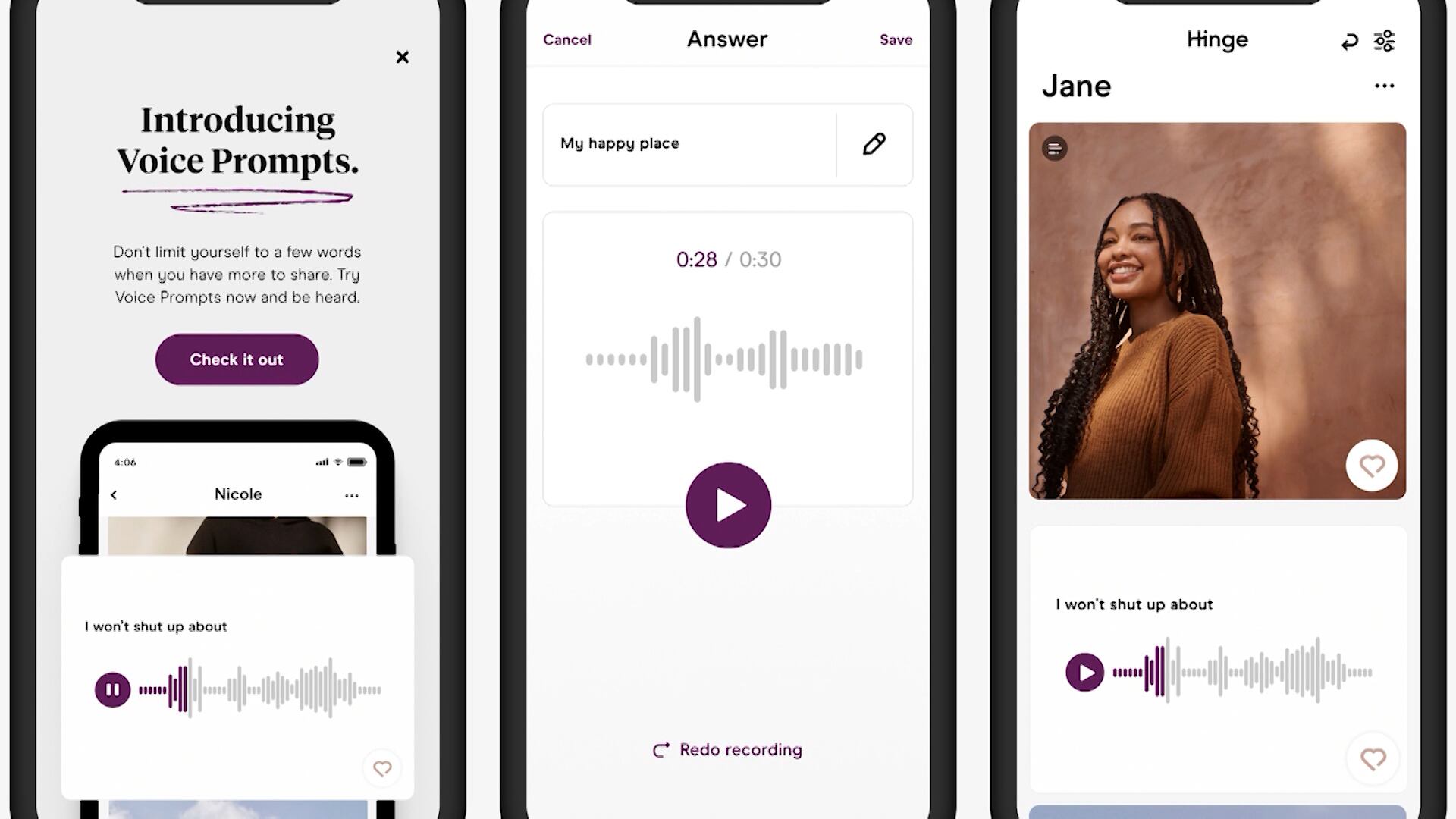
The dating app Hinge says it's taking online dating to the next level by introducing a voice prompt feature for profiles. Michelle Parsons, chief product officer, joined Cheddar to talk about providing the question prompts for users to make accounts more personable in their own voice. She also went into how much the pandemic has had an impact on engagement.
TikTok is testing out a new program that would allow creators to receive tips for their posted content. The video-sharing platform also said it will allow creators to retain 100 percent of their tipped revenue.
Tonya Evans, professor at Penn State Dickinson Law, joined Cheddar to talk about the meme coin war flaring up between the Shiba Inu and Dogecoin tokens. She noted that one of the most fascinating takeaways from the crypto craze is the "power of community" being able to manipulate market prices. Evans also talked about the rising number of coins coming to market and how to assess if they are worth investing in.
Nicole Lambert, President at Myriad Genetics joins ChedHER to discuss how to expand access to genetic testing for all women, and how her experience as a 'pre-vivor' motivates her role in the industry.
Social media giant 'Facebook' has rebranded itself as 'Meta' in a move that has many talking about the motive behind the timing of the announcement as the company finds itself getting negative press almost daily. Editor In Chief of Investopedia Caleb Silver breaks down the change and how the vision of Meta and the Metaverse could change the future.