*By Alisha Haridasani*
New evidence suggests that Google's all-to-real sounding voice assistant may not be as life-like as it first seemed, raising questions about the status of the company's A.I. capabilities.
A [demo](https://www.youtube.com/watch?v=bd1mEm2Fy08) last month of the A.I.-powered Duplex voice assistant showed it interacting with humans to make a restaurant reservation and a haircut appointment. But some people are saying it was faked.
Axios’s Dan Primack [pointed out](https://www.axios.com/google-ai-demo-questions-9a57afad-9854-41da-b6e2-5e55b619283e.html) that the people picking up the calls in the two demos don't identify themselves, as is the norm when small businesses receive phone calls. There was also no ambient noise in the phone calls, and neither the hair salon or the restaurant asked for the caller’s phone number for the booking.
“The whole conceit of Google Duplex is that a robot would have a conversation with a human on the other end, potentially without a human having to jump in,” said Dana Wollman, executive editor at Engadget. “So people do want to feel that this interaction was real and authentic.”
The more likely scenario is that Google may have edited the recording, protecting the businesses or the privacy of the people who answered the call, said Wollman.
“I think it is still possible that it was based on a real exchange,” she said. “If I was in Google’s PR department I would probably want to be able to show a real working demo.”
Google hasn't directly responded on the record to journalists asking about the authenticity of the recordings.
For the full interview, [click here](https://cheddar.com/videos/googles-duplex-dupe).
As major social media and tech companies like Facebook and Microsoft announce plans for metaverse technology, chipmakers like Nvidia, AMD, Intel, and more stand to benefit as the technology rolls out and evolves. But who will take the lead and benefit the most? Paul Meeks, Portfolio Manager at Independent Solutions Wealth Management, joins Cheddar News' Closing Bell to discuss the metaverse chipmaker race, who could come out on top, the timeline of how this sector will heat up, and more.
IBM's spinoff, Kyndryl, is officially an independent public company. The $19 billion business is now listed on the NYSE under the ticker KD, becoming one of the largest players in the IT services market. David Wyshner, CFO of Kyndryl, joined Cheddar to discuss what this milestone means for the company moving forward.
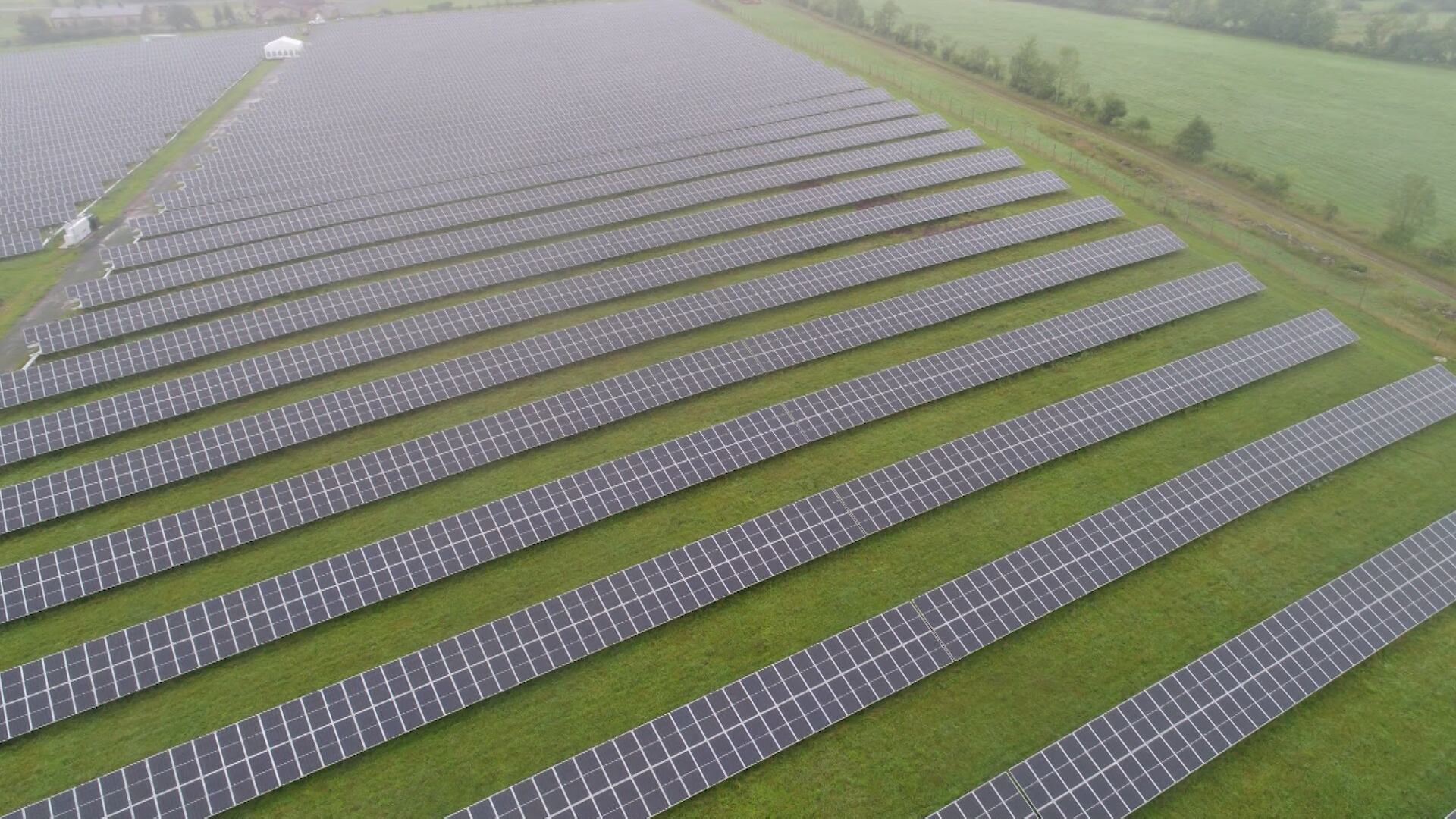
Emma Searson, an author on the just-released Renewables on the Rise report and the director, 100% Renewable Campaign at Environment America, joined Cheddar to discuss the rapidly growing renewable energy sector. Between 2011 and 2020, the report shows that wind, solar, and geothermal energy production grew about 15 percent annually and that wind and solar alone account for 11 percent of electricity in the country. "There are a few really important drivers of the renewable energy progress that we're seeing all across the country," Searson said, highlighting falling prices, technology improvements, and supportive policies.
Wendy O, host of 'The O Show' joins Cheddar News to discuss the recent rally from cryptocurrency, Ether. She also discussed incoming New York City mayor Eric Adams wanting to teach kids crypto in schools.
Cryptocurrencies are getting off to a good week. Ethereum surged more than 4% in 24 hours on Monday, hitting a new all-time high above $4,700. Meanwhile, Bitcoin surged 7% to a price of $66,250. Haohan Xu, founder and CEO of Apifiny, joins Cheddar News with thoughts on the growing sector.