*By Alisha Haridasani*
New evidence suggests that Google's all-to-real sounding voice assistant may not be as life-like as it first seemed, raising questions about the status of the company's A.I. capabilities.
A [demo](https://www.youtube.com/watch?v=bd1mEm2Fy08) last month of the A.I.-powered Duplex voice assistant showed it interacting with humans to make a restaurant reservation and a haircut appointment. But some people are saying it was faked.
Axios’s Dan Primack [pointed out](https://www.axios.com/google-ai-demo-questions-9a57afad-9854-41da-b6e2-5e55b619283e.html) that the people picking up the calls in the two demos don't identify themselves, as is the norm when small businesses receive phone calls. There was also no ambient noise in the phone calls, and neither the hair salon or the restaurant asked for the caller’s phone number for the booking.
“The whole conceit of Google Duplex is that a robot would have a conversation with a human on the other end, potentially without a human having to jump in,” said Dana Wollman, executive editor at Engadget. “So people do want to feel that this interaction was real and authentic.”
The more likely scenario is that Google may have edited the recording, protecting the businesses or the privacy of the people who answered the call, said Wollman.
“I think it is still possible that it was based on a real exchange,” she said. “If I was in Google’s PR department I would probably want to be able to show a real working demo.”
Google hasn't directly responded on the record to journalists asking about the authenticity of the recordings.
For the full interview, [click here](https://cheddar.com/videos/googles-duplex-dupe).
Mario Stefanidis, Vice President of Research at Roundhill Investments, joined Wake Up With Cheddar to break down the implications of the Take-Two deal to purchase Zynga, as the gaming giant looks to become a major player in mobile gaming.
Investors were on edge on Monday following bitcoin plummeting below the $40,000 dollar mark, hit its lowest price since September. The world's largest crypto has had months of hot and cold streaks, hitting a record high of $69,000 just months earlier in November. The latest drop now has analysts wondering just what 2022 will have in store for bitcoin and crypto as a whole.
Budd White, Chief Product Officer at Tacen explains what’s next for bitcoin and what other cryptos should be on the lookout for.
For the first time since September, Bitcoin fell below $40,000 early Monday. The currency's average short-term price has now dipped below its average long-term price, which is known by a rather dramatic term, a death cross. According to analysts, the indicator appears to be a result of mounting concerns of faster liquidity withdrawal by the US Federal Reserve. The crypto slump also follows a week of rough trading for equities overall. CEO Snickerdoodle Labs and Co-Founder of the Stanford Future of Digital Currency Initiative, Jonathan Padilla, joined Cheddar to discuss more.
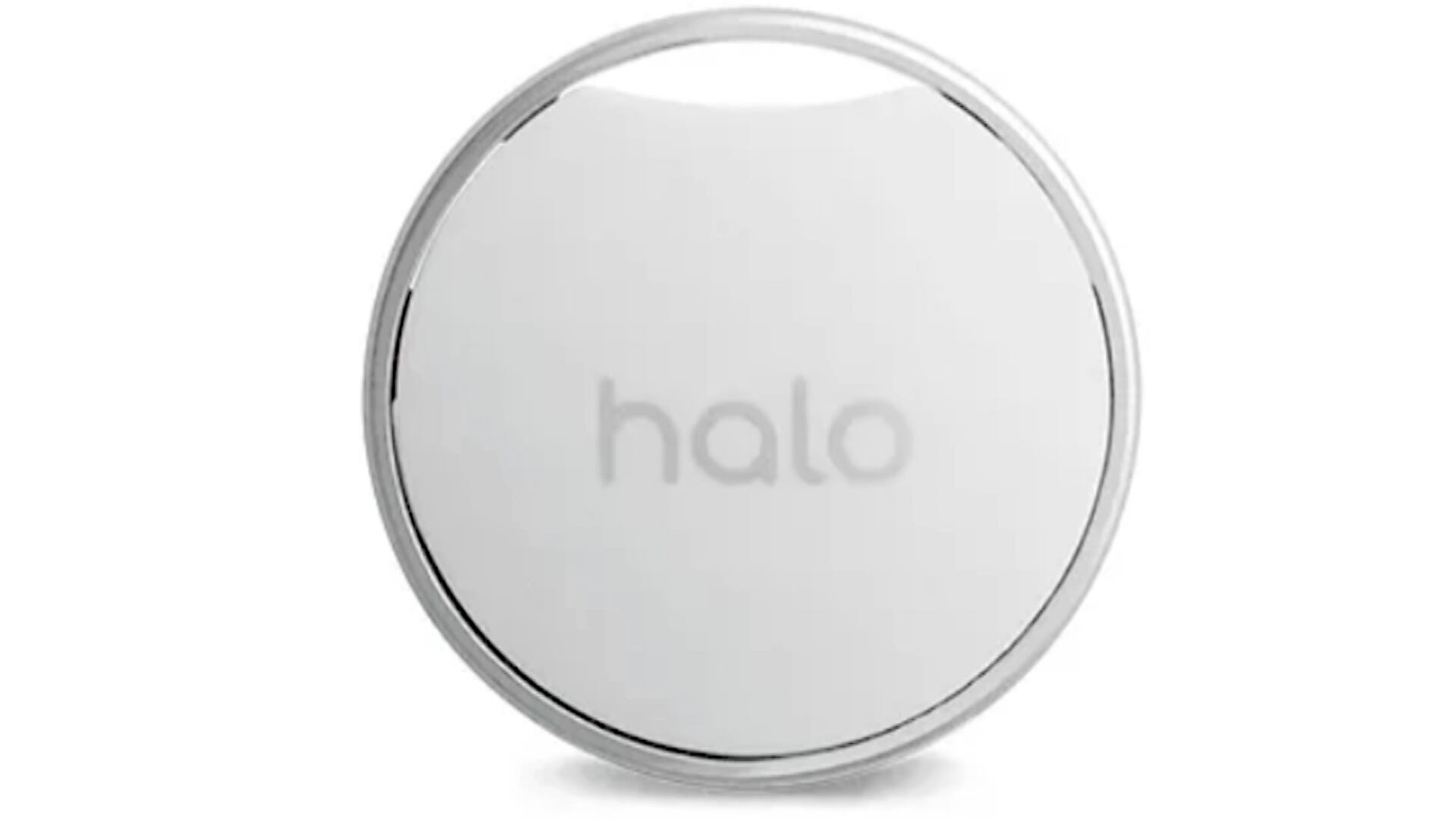
With the record highs in pet ownership in recent months, there is a huge emerging market in pet technology. The new halo collar isn't just a smart collar; it's the next-generation dog safety system. Cheddar News sits down with the co-founders of Halo, Cesar Milan and Ken Ehrman, to discuss.
With no end in sight to supply chain snarls, some companies are reconsidering the way they manufacture goods. Harry Moser, founder and president of Reshoring Initiative and Jennifer Smith, logistics and supply chain reporter for the Wall Street Journal, joined Cheddar News' Closing Bell to discuss some of the ways companies are trying to solve their supply chain problems in the long term.