WASHINGTON (AP) — Democratic presidential candidate Elizabeth Warren said Friday that she raised $21.2 million from October through December, with more than $1.5 million coming on the last day of the year. But the Massachusetts senator still trailed a trio of other top rivals in fundraising and fell short of her total from the three previous months.
Minnesota Sen. Amy Klobuchar said she took in $11.4 million for her White House bid to close out the year. It was her campaign's best fundraising quarter.
Vermont Sen. Bernie Sanders, the strongest progressive voice along with Warren, said he raised more than $34.5 million in the same quarter, proving that his heart attack in October hasn't slowed his fundraising prowess. Sanders and Warren both rely heavily on small donations from donors that primarily come online.
Former Vice President Joe Biden rebounded from a summer slump to take in $22.7 million, also his best quarterly haul as a presidential candidate, while Pete Buttigieg, the former mayor of South Bend, Indiana, raised $24.7 million. Both typically use more traditional fundraising methods, including frequent gatherings with big donors that Warren and Sanders have shunned.
Entrepreneur Andrew Yang, who has not yet scored high enough in recent polls to qualify for the next Democratic presidential debate scheduled for Jan. 14 , announced receiving $16.5 million.
In the third quarter last year, Warren raised $24.6 million as months of strong, summer polling lifted her to front-runner status along with Biden and Sanders. But lately, Warren's support has plateaued as Buttigieg has vaulted among the front-runners. Warren and Buttigieg have feuded for weeks about fundraising tactics, but Warren's latest donations total further suggests her overall momentum is slowing.
It could have been worse. In an email to supporters last week, Warren's campaign said it had raised only about $17 million with just a few days to go in the quarter — which may have helped trigger the final-hours-of-the-year donation infusion. In a message Friday, Warren campaign manager Roger Lau said the senator's average contribution was $23, proving the grassroots nature of her appeal.
Lau wrote that, all told last year, nearly 1 million donors provided more than 2.7 million contributions to raise more than $71 million for Warren.
Klobuchar said 145,126 people donated between September and December, with an average contribution of $32. Campaign manager Justin Buoen struck a similar tone to Lau's, citing a "massive surge in grassroots support."
Buoen attributed that rise to the Minnesota senator's strong performances in fall debates, which he said helped the campaign double its staff in Iowa and New Hampshire, where voters cast the first votes for the Democratic nomination beginning Feb. 3, and invest in the next two states — Nevada and South Carolina. The campaign also is spending money in states that will vote in the March 3 Super Tuesday contests.
The large amounts of money for so many Democratic presidential hopefuls are a positive sign but also indicate that the fight for the party's nomination could continue for several months, making it difficult for candidates who don't have strong campaign funding to stay in the race to replace President Donald Trump.
Trump's campaign said it raised $46 million during the last quarter and had more than $102 million cash on hand. The size of the Democratic candidates' campaign bank accounts won't be clear until the Jan. 31 federal reporting deadline — and will provide a more complete picture of where each stands than just the announcements of how much money they raised in the fourth quarter.
If some members of Congress have their way, there might finally be a 'TLDR' on sites' terms of service, introduced by the terms-of-service labeling, design, and readability act – or TLDR for short. With this act, users will actually understand what they're agreeing to or the many ways in which their data is being used before pressing 'accept.' J.D. sat down with co-sponsor of the bill and Senator Bill Cassidy, to discuss.
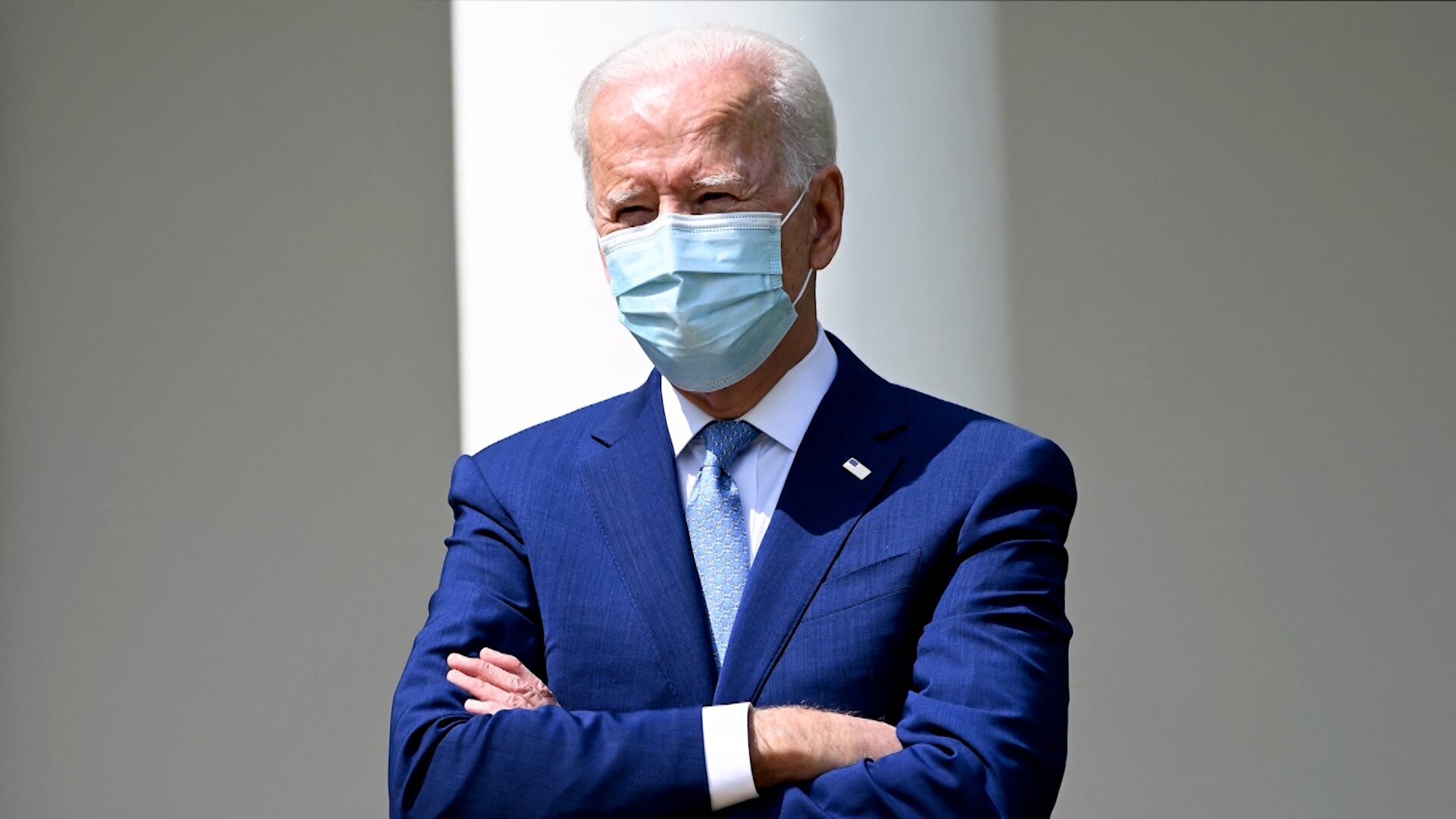
President Joe Biden's first year in office is wrapping up. What has he achieved, and what else remains on the table while the Democrats have control of Washington? Amid an ongoing pandemic and rising inflation, Biden's approval rating is at an all-time low and his party is plagued by infighting. Will he be able to continue pushing key parts of his agenda? Paul Glastris, former Bill Clinton speechwriter & Editor-in-chief of 'Washington Monthly,' joins Cheddar News' Closing Bell to discuss the president's achievements in his first year, where he's fallen short, and what he must do in order to get more of his agenda signed into law.
Tech giants Meta, Amazon, Alphabet, and Apple are faced with a bipartisan antitrust legislation effort underway in the Senate Judiciary Committee. The companies stand accused of promoting their own goods and services over smaller competitors on their platforms, holding too much monopolistic power via their app stores and services. Adam Kovacevich, founder and CEO of Chamber of Progress, a technology industry trade group, joined Cheddar to argue that the bills that are being debated currently could end up hurting consumers, rather than helping.
Concerns over inflation have become one of the biggest worries for executives. A survey from The Conference Board shows that more than 900 CEOs consider inflation a top tier concern, a major shift from last year's survey that had it as a low-level concern. Rebecca Ray, Executive Vice President, Human Capital, The Conference Board joined Cheddar's Opening Bell for more.
Jordan Zakarin, Media Producer at A More Perfect Union, joined Cheddar News to break down the latest from Colorado, where at least 8,700 Kroger employees walked off the job in demand of increased benefits and wages.
With the 2022 Winter Olympics in Beijing rapidly approaching, clouds of controversy continue to swirl around China's treatment of the Uyghur Muslim minority population, its surveillance state, and security for visiting athletes. Phelim Kine, China correspondent for Politico, joined Cheddar to break down the big storylines surrounding the Beijing Games and highlight what he saw as the complete disregard by top corporate sponsors like P&G, Airbnb, Intel, Visa, and Coca-Cola, for the controversies. "They spend $100 million for every Olympics that they sponsor, and they have frankly shown absolute willful indifference to any type of entreaty to essentially be more vocal about their concerns about human rights in China," he said. Kine also touched on the data privacy fears for athletes as visiting contingents are being told to carry burner phones to avoid security risks.
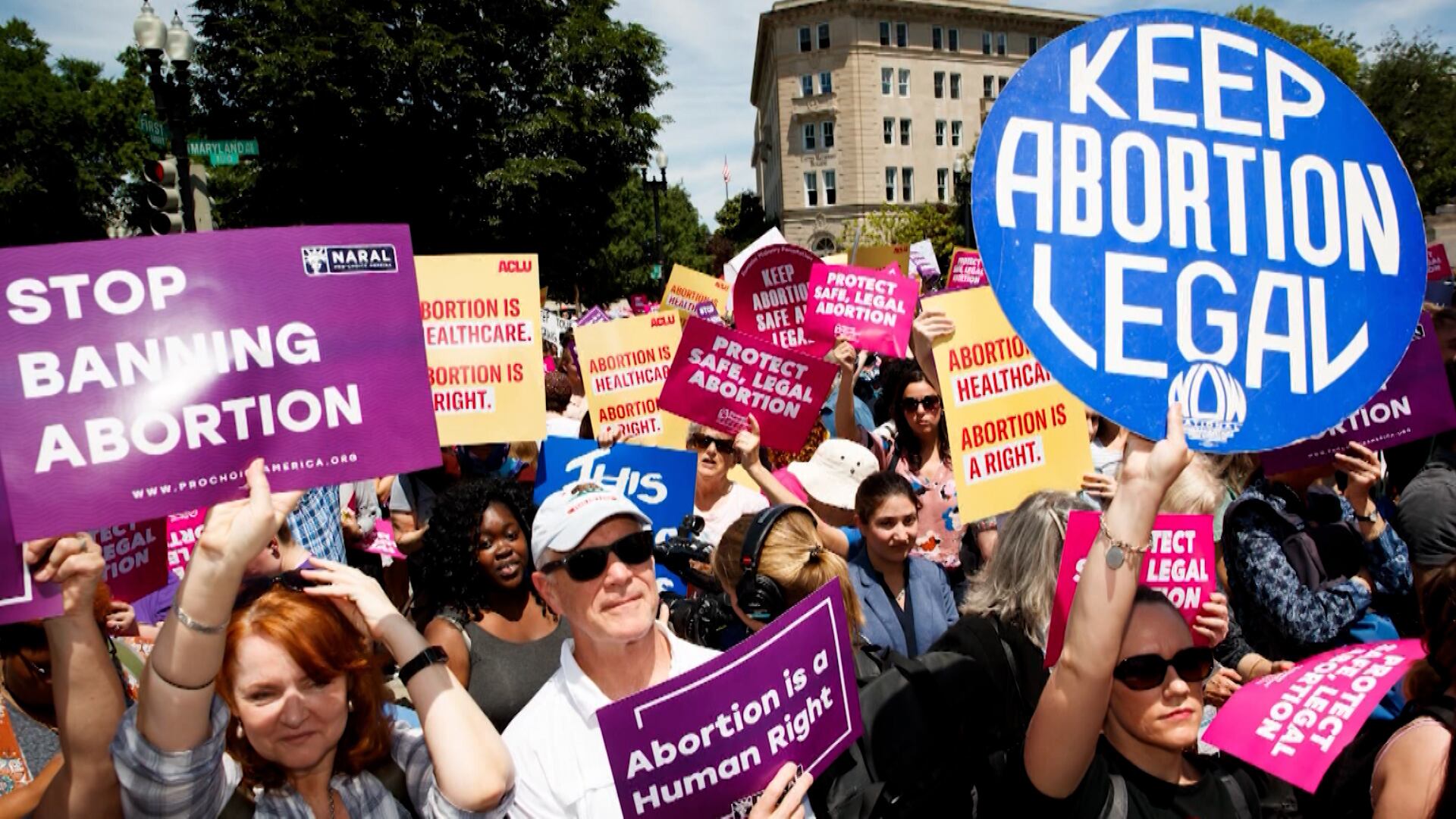
Texas's six-week abortion ban remains in effect after a federal appeals court ruling on Monday. The U.S. court of appeals for the fifth circuit temporarily transferred the case to the Texas Supreme Court, which is expected to leave the dispute in limbo for months to come. Katie Barlow, attorney and media editor of SCOTUSblog, joins Cheddar News to discuss.
Hugh Odom, founder and president of Vertical Consultants, shared his expertise on telecommunications with Cheddar on the safety issue raised about 5G deployment by airlines. The installation was partially delayed again on Tuesday as the airlines warned of potentially catastrophic delays in a letter to the Biden administration. Later, both Verizon and AT&T relented and put a pause on some of the implementations. "The first thing the Biden administration needs to do is get everybody in the room and say, look, aviation industry, identify the problem — wireless industry, come up with a solution," said Odom.
Dave Levinthal, deputy Washington Bureau chief at Insider, joins Cheddar News to discuss Gallup's new survey that reveals more Americans leaned Republican by the end of 2021.