WASHINGTON (AP) — Democratic presidential candidate Elizabeth Warren said Friday that she raised $21.2 million from October through December, with more than $1.5 million coming on the last day of the year. But the Massachusetts senator still trailed a trio of other top rivals in fundraising and fell short of her total from the three previous months.
Minnesota Sen. Amy Klobuchar said she took in $11.4 million for her White House bid to close out the year. It was her campaign's best fundraising quarter.
Vermont Sen. Bernie Sanders, the strongest progressive voice along with Warren, said he raised more than $34.5 million in the same quarter, proving that his heart attack in October hasn't slowed his fundraising prowess. Sanders and Warren both rely heavily on small donations from donors that primarily come online.
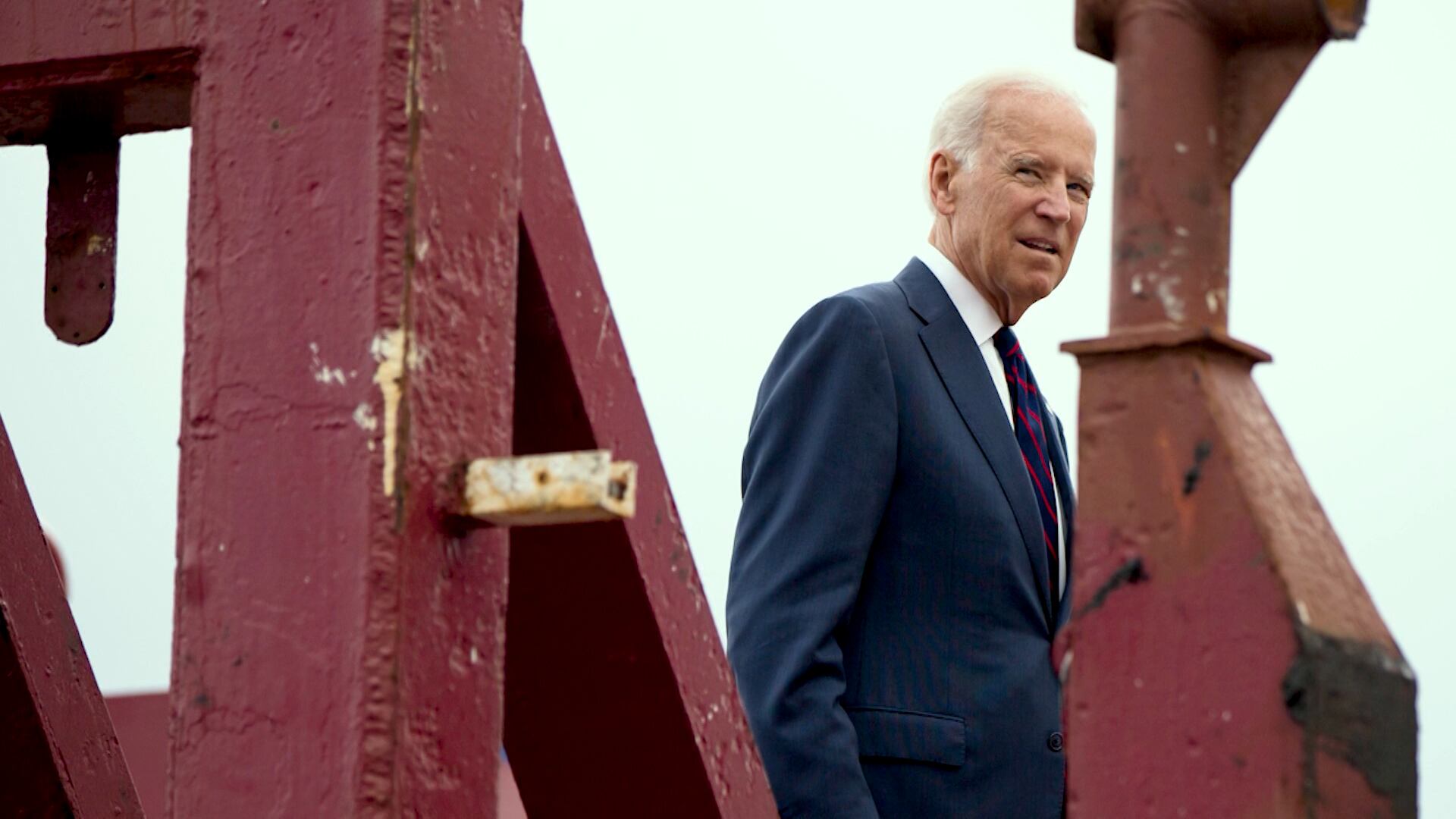
Former Vice President Joe Biden rebounded from a summer slump to take in $22.7 million, also his best quarterly haul as a presidential candidate, while Pete Buttigieg, the former mayor of South Bend, Indiana, raised $24.7 million. Both typically use more traditional fundraising methods, including frequent gatherings with big donors that Warren and Sanders have shunned.
Entrepreneur Andrew Yang, who has not yet scored high enough in recent polls to qualify for the next Democratic presidential debate scheduled for Jan. 14 , announced receiving $16.5 million.
In the third quarter last year, Warren raised $24.6 million as months of strong, summer polling lifted her to front-runner status along with Biden and Sanders. But lately, Warren's support has plateaued as Buttigieg has vaulted among the front-runners. Warren and Buttigieg have feuded for weeks about fundraising tactics, but Warren's latest donations total further suggests her overall momentum is slowing.
It could have been worse. In an email to supporters last week, Warren's campaign said it had raised only about $17 million with just a few days to go in the quarter — which may have helped trigger the final-hours-of-the-year donation infusion. In a message Friday, Warren campaign manager Roger Lau said the senator's average contribution was $23, proving the grassroots nature of her appeal.
Lau wrote that, all told last year, nearly 1 million donors provided more than 2.7 million contributions to raise more than $71 million for Warren.
Klobuchar said 145,126 people donated between September and December, with an average contribution of $32. Campaign manager Justin Buoen struck a similar tone to Lau's, citing a "massive surge in grassroots support."
Buoen attributed that rise to the Minnesota senator's strong performances in fall debates, which he said helped the campaign double its staff in Iowa and New Hampshire, where voters cast the first votes for the Democratic nomination beginning Feb. 3, and invest in the next two states — Nevada and South Carolina. The campaign also is spending money in states that will vote in the March 3 Super Tuesday contests.
The large amounts of money for so many Democratic presidential hopefuls are a positive sign but also indicate that the fight for the party's nomination could continue for several months, making it difficult for candidates who don't have strong campaign funding to stay in the race to replace President Donald Trump.
Trump's campaign said it raised $46 million during the last quarter and had more than $102 million cash on hand. The size of the Democratic candidates' campaign bank accounts won't be clear until the Jan. 31 federal reporting deadline — and will provide a more complete picture of where each stands than just the announcements of how much money they raised in the fourth quarter.
The memoir, "COMPROMISED: Counterintelligence and the Threat of Donald J. Trump", tells a familiar story from a bit of a different source: Peter Strzok himself, former FBI Counterintelligence Agents and Agency Veteran who spent most of his very long career investigating some of the most controversial inquiries, most notably in recent American history. Those inquiries were Hillary Clinton's email to even Trump Russia investigations. Former FBI Agent and Author of "Compromised" Peter Strzok, joined Cheddar to discuss more.
President Biden's first year did not come to the close that he had hoped after last night's Senate vote blocked the voting rights bill, a priority that Biden has promoted since his inauguration. Joining us to discuss the voting rights bill, and many others passing through congress is congresswoman Lori Trahan, representing Massachusett's 3rd district.
Members of Congress have voted to advance a bill meant to address antitrust concerns related to tech giants including Amazon, Apple, Google, and Meta. The 'American Innovation and Choice Online Act' is largely seen as one of the best chances for the government to reign in Big Tech's dominance
Seth Schachner, Managing Director StratAmericas; Digital Business Executive joined Cheddar's Opening Bell to discuss.
American semiconductor company, Intel officially announcing plans to build a new $20 billion chip manufacturing complex outside Columbus, Ohio. This comes as the global chip shortage continues to hamper production of everything from smart phones, to cars. Jennifer Smith - Logistics and Supply Chain Reporter, WSJ joined Cheddar's Opening Bell to discuss.
The U.S. has put more than 8,000 American troops on high alert for possible deployment to Eastern Europe as the West prepares for a potential Russian invasion of Ukraine. With Russia building up more than 100,000 troops near the Ukrainian border, concerns over the country's behavior are mounting. Joel Rubin, Former Deputy Assistant Secretary of State and President of the Washington Strategy Group, joined Cheddar to discuss what this means for U.S.-Russia relations, and where the conflict might be heading next.
As the midterm election looms, things aren't looking too promising for President Joe Biden. One year into his term as president, Biden is facing one of the lowest approval ratings of any modern-day president, threatening his party's control of the House in 2022. Brian Bennett, Senior White House Correspondent for TIME, joined Cheddar's Opening Bell to discuss.
A full one year into his term as President of The United States, President Biden addressed the nation on Wednesday, facing questions on everything from inflation to chip shortages and covid-19. As Biden enters his second year in office, he is facing one of the lowest approval ratings of any modern-day president. Kate Davidson, Reporter, POLITICO joined Cheddar's Opening Bell to discuss.
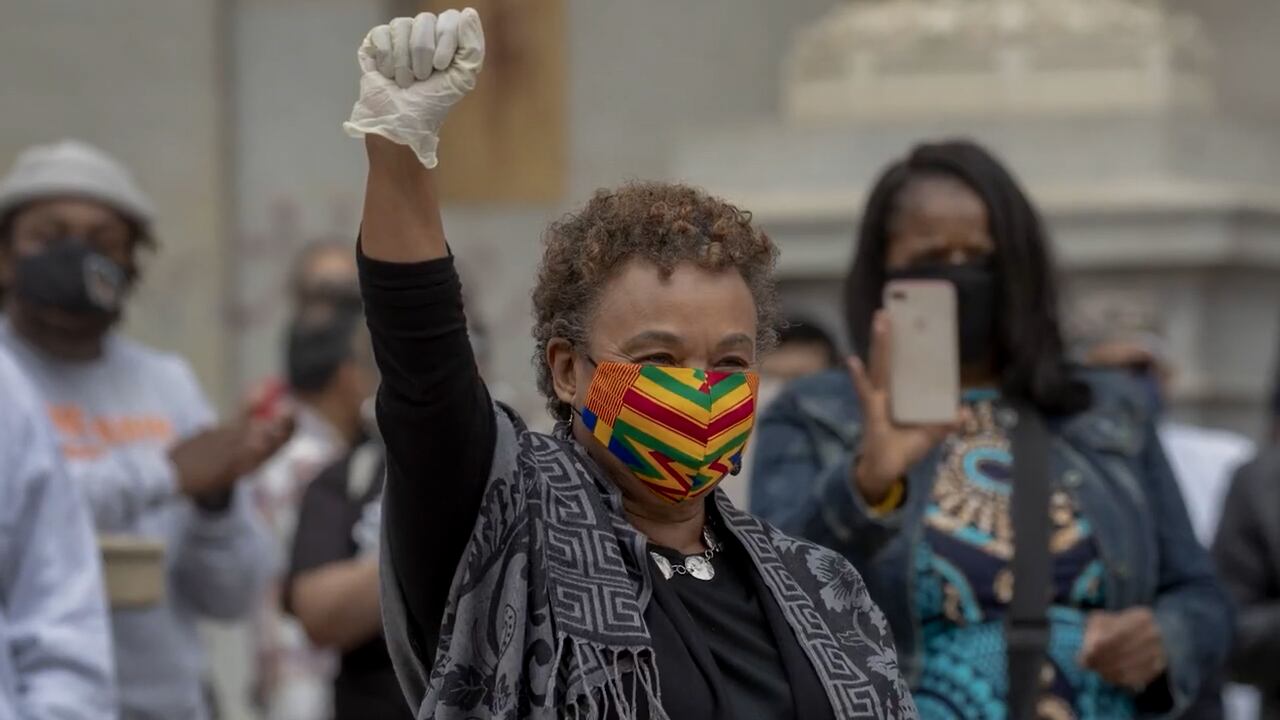
"Barbara Lee: Speaking Truth to Power" is the story of how the longtime House Democrat became, as she Is known to some, as "the Conscience of Congress." The film also
shows Representative Lee from her days working to fight community poverty to famously becoming the only member of Congress to vote "no" against the war in Afghanistan days after 9/11. The film is nominated for an NAACP Image Award, and Premieres on Starz on February 1. Film director Abby Ginzberg and Rep. Barbara Lee (D-Calif. 13th District), joined Cheddar to discuss more.
San Diego has just implemented a new law that could set the stage for how the country deals with food waste. This new law hopes to make a dent in that. Businesses and groceries stores out in San Diego will need to put a plan in place to *donate edible food rather than toss it straight to the trash. Food Rescue Manager at Feeding San Diego, Kate Garret