Walmart's Store No. 8 Ventures Into Virtual-Reality Retail
*By Christian Smith*
In its relentless quest to improve shopping, Walmart is trying to recreate an in-store experience for online shoppers using virtual reality developed by Spatialand, a software start-up the retail giant acquired earlier this year.
VR may seem like a novelty, but Spatialand's CEO and the founder of Walmart's tech incubator Store No. 8, Katie Finnegan, said it may may be more mainstream in the near future.
"It's pretty similar when you look at the original smartphone or cell phone market, she said Wednesday in an interview with Cheddar. "Those were sort of novelties, as well."
Finnegan and Walmart hope that VR can enhance shopping for the company's millions of customers.
"Studies show that when you're immersed in it you actually retain, and actually understand and validate that information in a much better way than you could do just on a 2D screen, but also as you could do in a physical store," Finnegan said.
The company is already using VR to train its new sales associates by simulating challenging situations like November's dreaded Black Friday.
Eventually, Walmart plans to use VR to market more experiential products, which Finnegan separates from "consumables" like groceries and toiletries, for customers who may want a preview.
For full interview, [click here](https://cheddar.com/videos/how-walmart-plans-to-use-vr-to-improve-the-customer-experience).
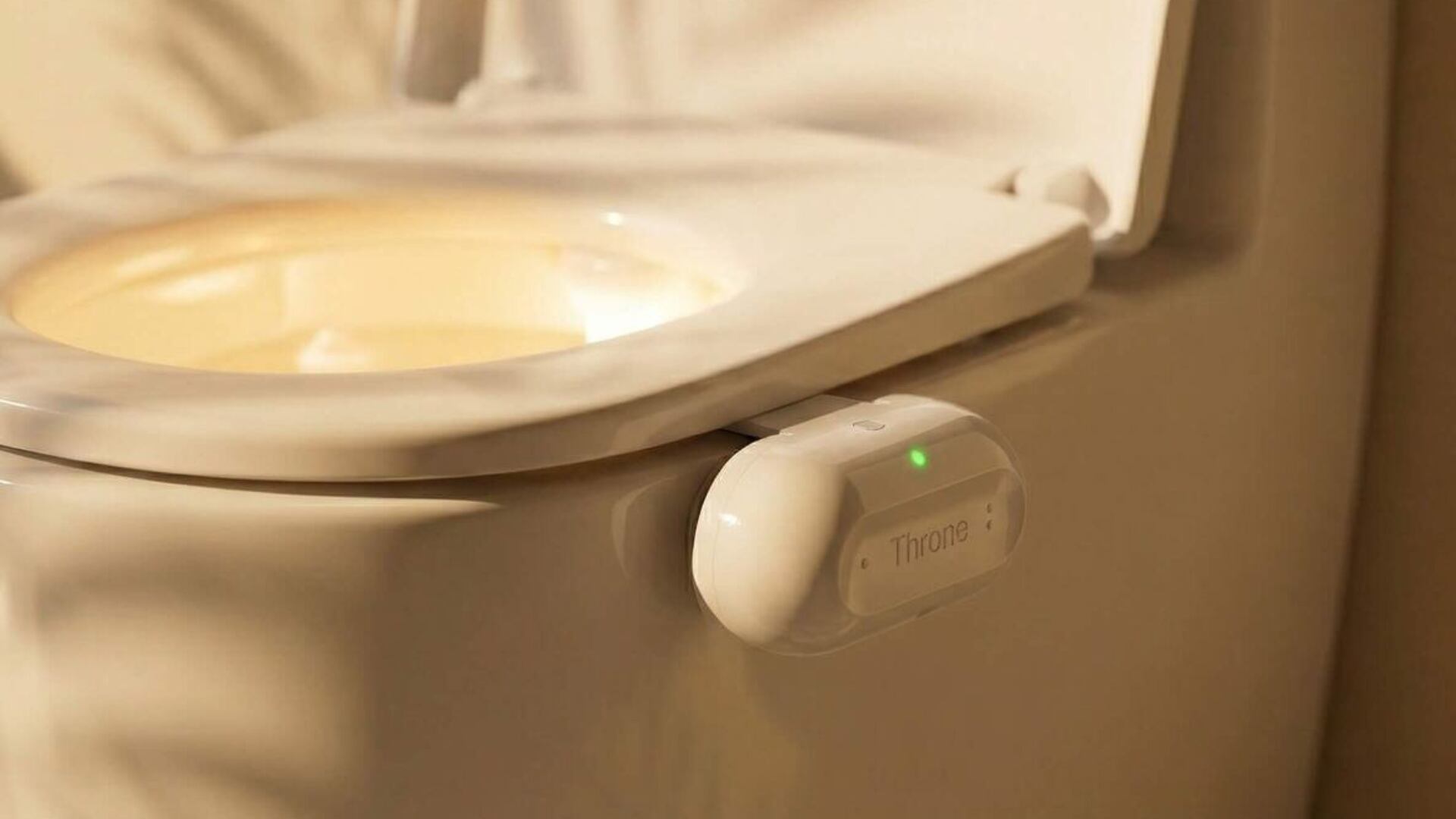
From flush to brush, AI is taking over our bathroom. Discover how this latest smart tech is both revolutionizing our daily routines and improving our health
Tensor's Robocar will make you money while you sleep. Sony Honda's Afeela 1 blurs the line between car and companion. Welcome to the future of automotive tech
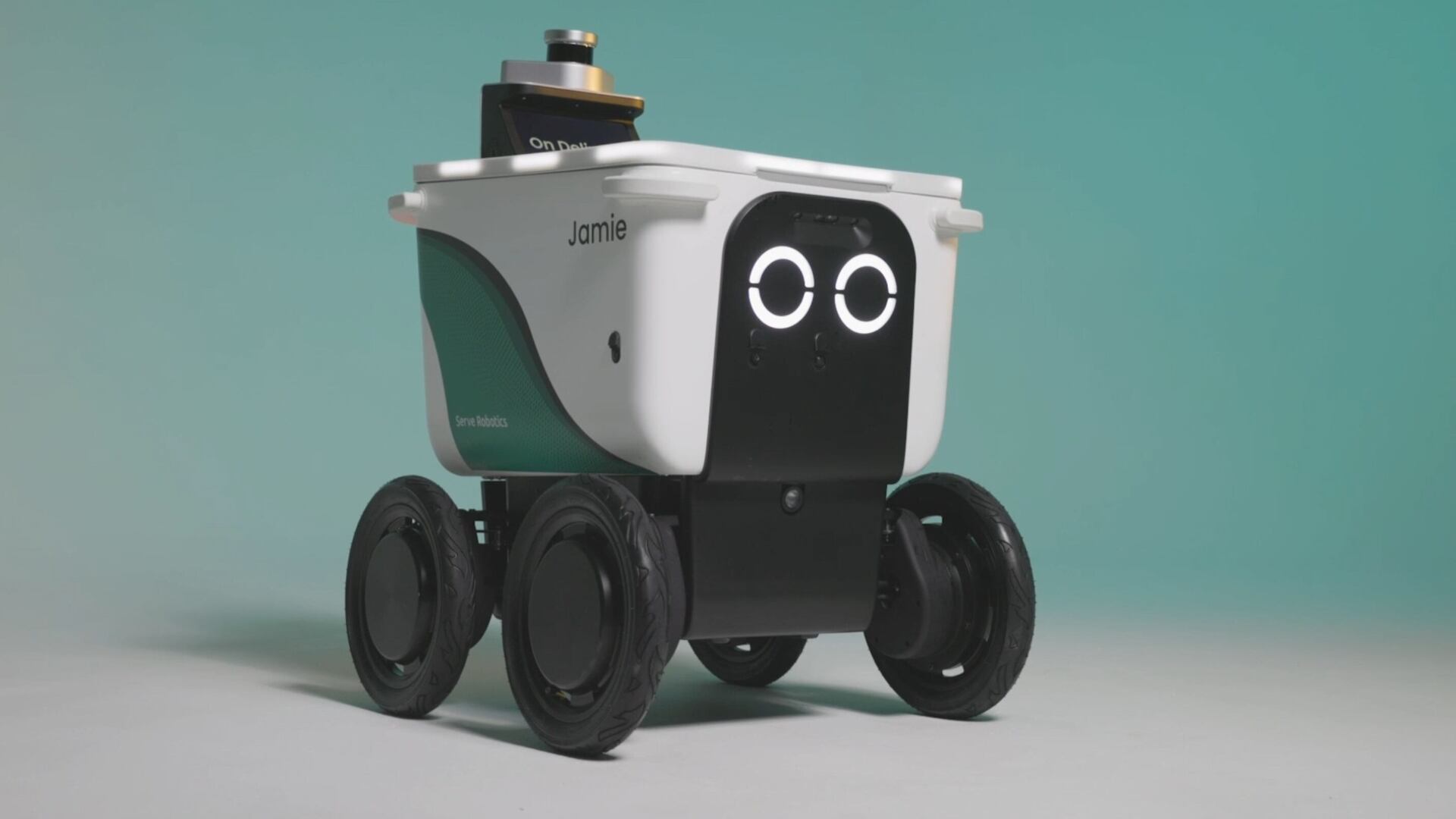
From autonomous bots keeping airports running to humanoids that might become your best friend, take an exclusive look at the machines redefining how we live
From AI everywhere to LEGO’s Smart Brick, The Verge’s Sean Hollister breaks down which CES 2026 innovations are really game-changers—and which may be hype.
Holiday shopping heats up as Tom’s Guide editor Kate Kozuch reveals the tech gifts everyone wants, from wellness gadgets to gaming buzz—and how to score deals!