*By Michael Teich*
Walmart's reported plans to launch a streaming video service may prove futile, said The Information reporter Jessica Toonkel. After all, the retailer, she told Cheddar on Wednesday, is late to the game.
"Netflix and Amazon have been doing this for a while," Toonkel said. "This is a really hard business to get into."
Toonkel broke news this week that Walmart may develop a subscription-based video service to compete with Netflix and Amazon Prime Video. The retailer is considering a price point below $8 per month and may also include an ad-supported free service.
What's the likelihood that Walmart will actually enter the streaming business? That depends on its willingness to spend billions of dollars, Toonkel explained. But after generating $17 billion in cash last year, the company potentially has enough ammo to match Netflix's aggressive spending budget, pegged at $8 billion for 2018.
But it's not just a matter of cash flow, Toonkel said. "They have a lot of money, clearly, but they also have investors that might not be as patient as investors in Netflix."
Walmart's last attempt to enter video content faltered ー in 2010 the retailer acquired Vudu, a video-on-demand service that currently offers a combined 100,000 movie titles and television series. But analytics firm comScore reported that users spent only 18,000 hours on the platform in May, just 2 percent of the total hours spent on Netflix and 6 percent of hours spent watching Amazon in the same period.
For the full segment, [click here.](https://cheddar.com/videos/walmart-could-launch-video-streaming-platform)
From milk to canned tuna to shampoo, soy is in a good majority of our day-to-day products. It’s added to around 60% of the nation’s processed foods. Soy has been known to provide some real health benefits, like high protein. But there are legitimate health and environmental consequences that raise the question: why do we use so much soy? And should we?
Recent data shows that Quibi isn't gaining as much traction with viewers as one might expect, especially with the initial subscribers' three-month free trial period wrapping up in a few weeks.
From Wall Street to Silicon Valley, these are the top stories that moved markets and had investors, business leaders, and entrepreneurs talking this week on Cheddar.
As Twitter waded into controversy for taking steps to fight misinformation and controversial remarks from perhaps its most famous tweeter, President Donald Trump, Facebook has taken the opposite tack, but with no less backlash.
Nikola Motor Company, the hydroge-electric truck manufacturer,
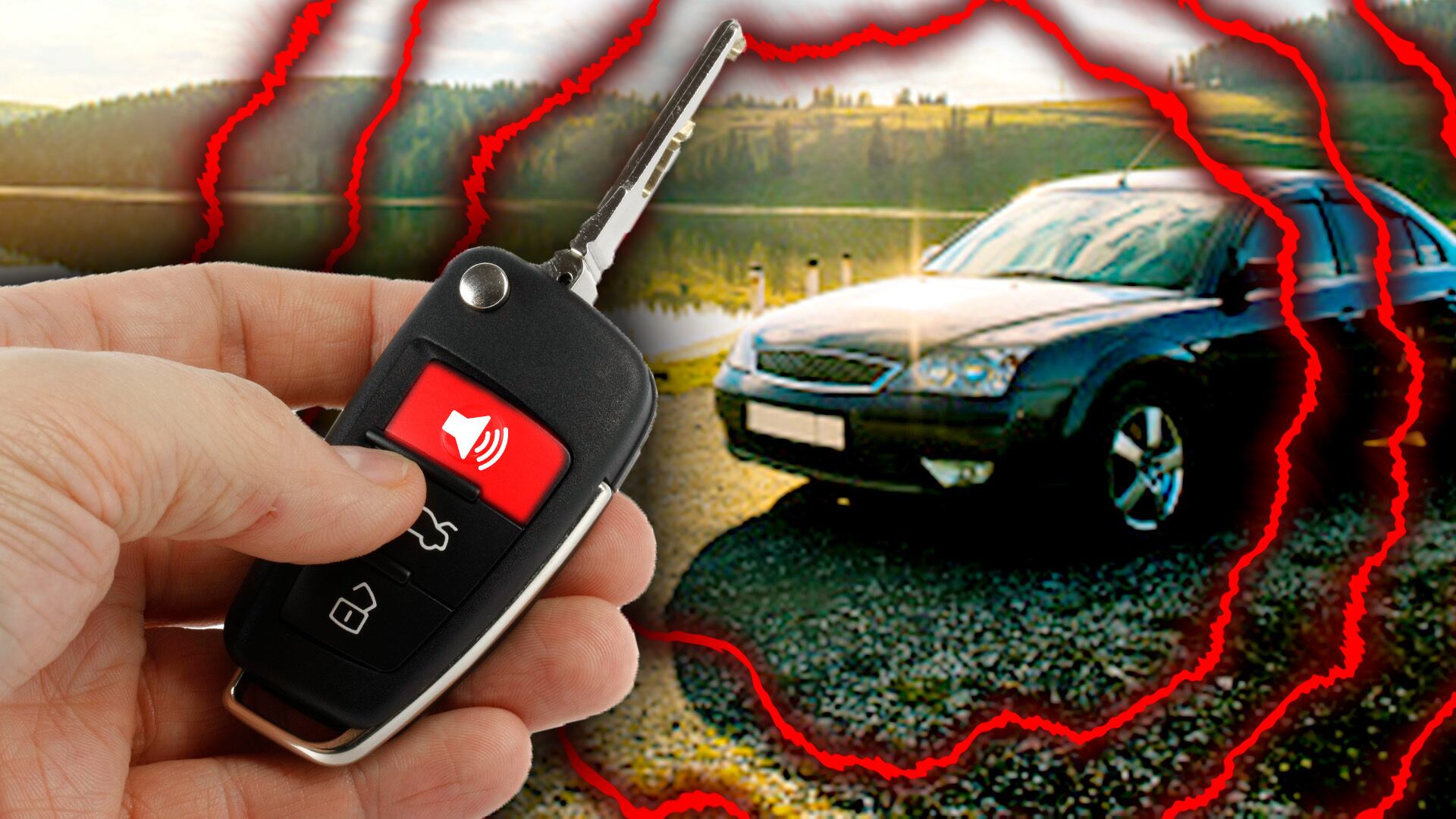
If you lived in a big city in the 90s, you're probably one of the unlucky people who was kept up at night on a regular basis by errant car alarms. But today, those in that same big city hear alarms far less often than you did. So where did car alarms go? How have they evolved, and did we ever need them to begin with?
The online used-car marketplace, Vroom, began trading on Nasdaq on Tuesday, doubling its IPO price.
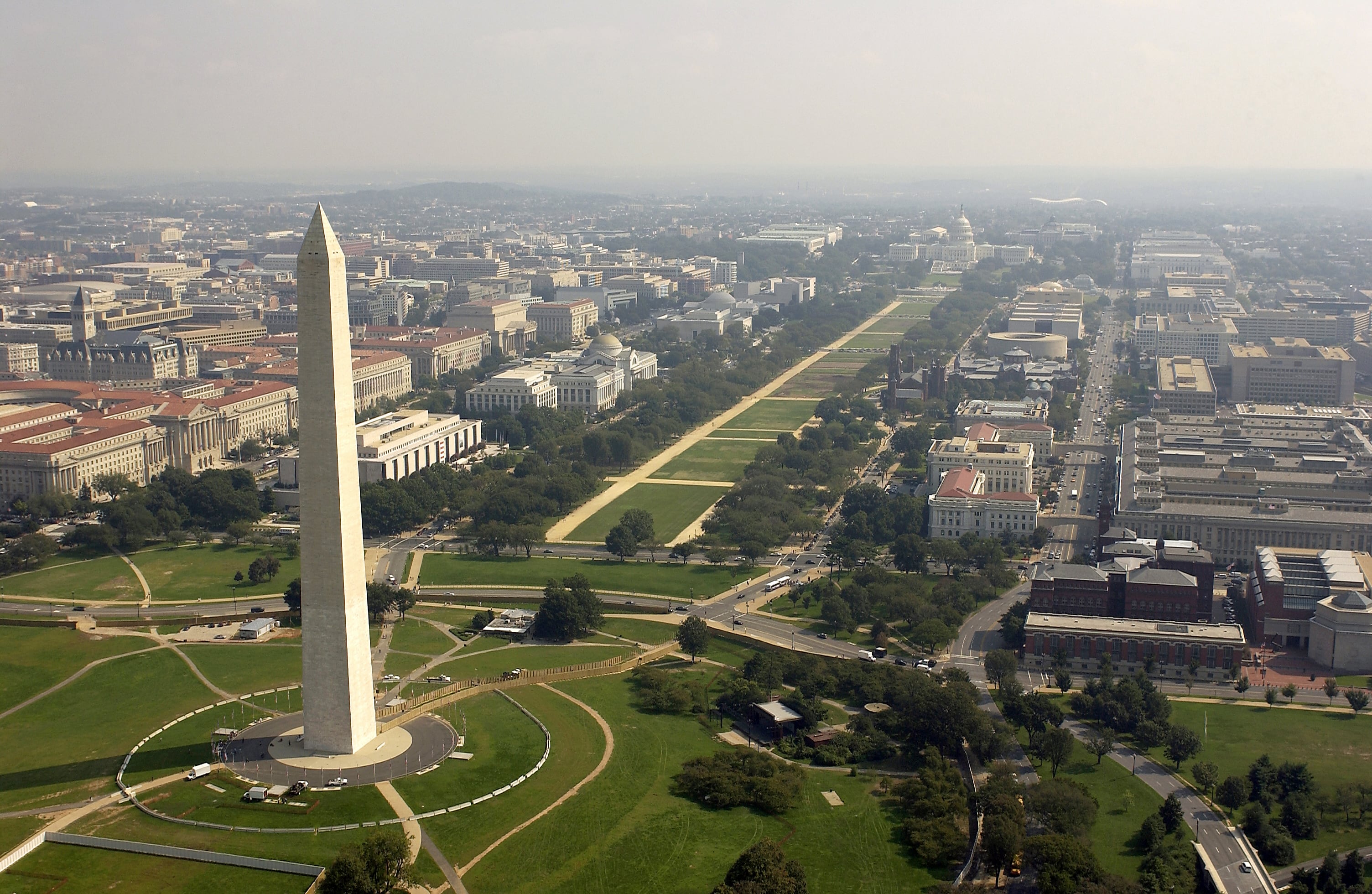
The skyline of Washington D.C. is stunted. You've probably heard that D.C. can't build skyscrapers taller than the U.S. Capital Building or the Washington Monument. But those are both myths from a bygone era. Cheddar tells the real story.
IBM says it is getting out of the facial recognition business over concern about how it can be used for mass surveillance and racial profiling.
Contactless payments company Square has seen its clients forced to adapt to social distancing and stay-at-home orders with new technology.