*By Michael Teich*
Walmart's reported plans to launch a streaming video service may prove futile, said The Information reporter Jessica Toonkel. After all, the retailer, she told Cheddar on Wednesday, is late to the game.
"Netflix and Amazon have been doing this for a while," Toonkel said. "This is a really hard business to get into."
Toonkel broke news this week that Walmart may develop a subscription-based video service to compete with Netflix and Amazon Prime Video. The retailer is considering a price point below $8 per month and may also include an ad-supported free service.
What's the likelihood that Walmart will actually enter the streaming business? That depends on its willingness to spend billions of dollars, Toonkel explained. But after generating $17 billion in cash last year, the company potentially has enough ammo to match Netflix's aggressive spending budget, pegged at $8 billion for 2018.
But it's not just a matter of cash flow, Toonkel said. "They have a lot of money, clearly, but they also have investors that might not be as patient as investors in Netflix."
Walmart's last attempt to enter video content faltered ー in 2010 the retailer acquired Vudu, a video-on-demand service that currently offers a combined 100,000 movie titles and television series. But analytics firm comScore reported that users spent only 18,000 hours on the platform in May, just 2 percent of the total hours spent on Netflix and 6 percent of hours spent watching Amazon in the same period.
For the full segment, [click here.](https://cheddar.com/videos/walmart-could-launch-video-streaming-platform)
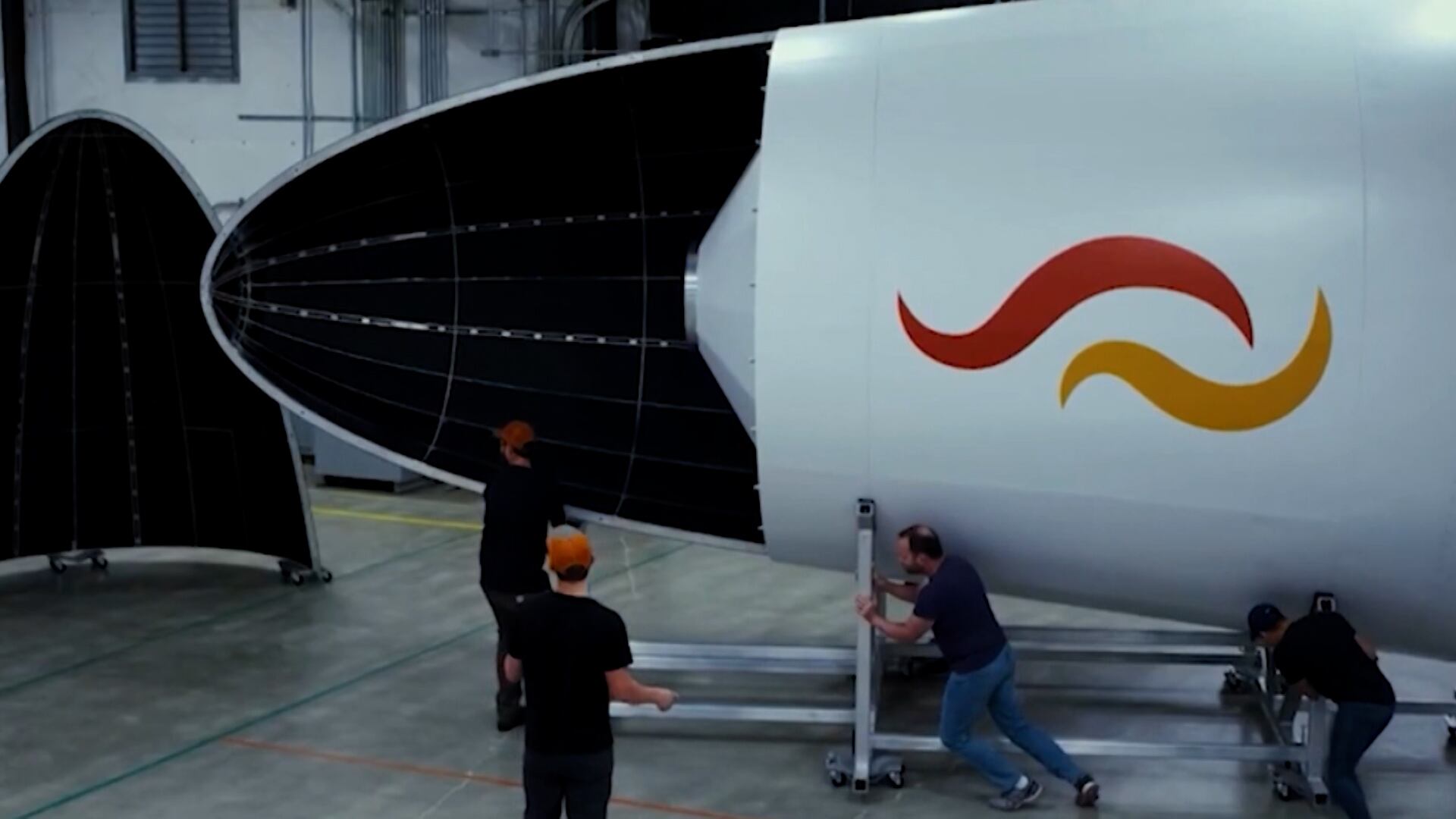
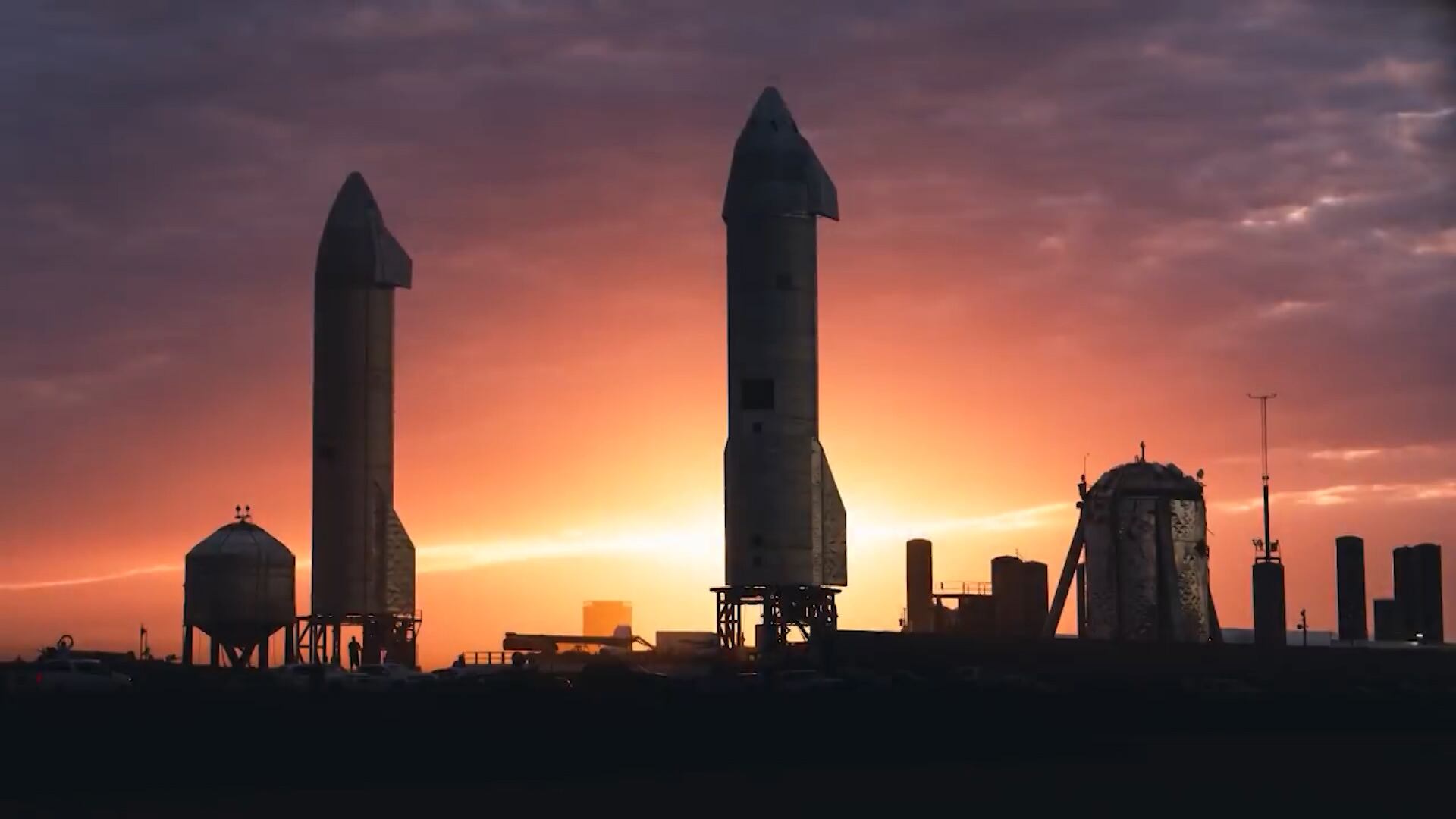
Reusable rocket developer Stoke Space Technologies raised $65 million in a Series A round led by Breakthrough Energy Ventures, a firm founded by Bill Gates. Stoke says its reusable rockets provide the satellite industry with low-cost, on-demand access to and from orbit. As companies like SpacX and Blue Origin are also making commitments to rocket reusability, Stoke says it is taking a different approach with a system designed to be 100% reusable, comprised of rockets designed to fly daily, like an airplane. Stoke co-founder and CEO Andy Lapsa joins Cheddar News' Closing Bell to discuss.
Humans are set to return to a place we have not been in nearly 50 years: the moon. NASA's Artemis program is expected to have astronauts back on the lunar surface by 2025. NASA says it will use what it learns on the moon to take the next giant leap - sending the first astronauts to Mars. The Artemis program also includes contributions from private companies like SpaceX, as well as academic research institutions like Georgia Tech. Georgia Tech professor of practice and former NASA astronaut Sandra Magnus joins Future of Space: Humankind's Leap Forward to discuss.
Global delivery service FedEx just received the first five of an order of 500 light commercial electric vehicles from GM's BrightDrop brand. Mitch Jackson, chief sustainability officer for FedEx, joined Cheddar to discuss the deployment of the EV600 delivery vehicles, if the new fleet will get the company to carbon neutrality by 2040, and how cost-effective they might be. "We've been working with electric vehicles for 10 years, and what we've find over that time frame is that we save over half of our operational and maintenance costs with the use of EVs over internal combustion engines, "Jackson said. "So they're economically viable."
Matt Faubion, Wealth Manager and Investment Adviser at Faubion Wealth Management, joins Cheddar to break down the pros and cons to gifting and receiving investments, like stock or cryptocurrency, as a gift this holiday season.
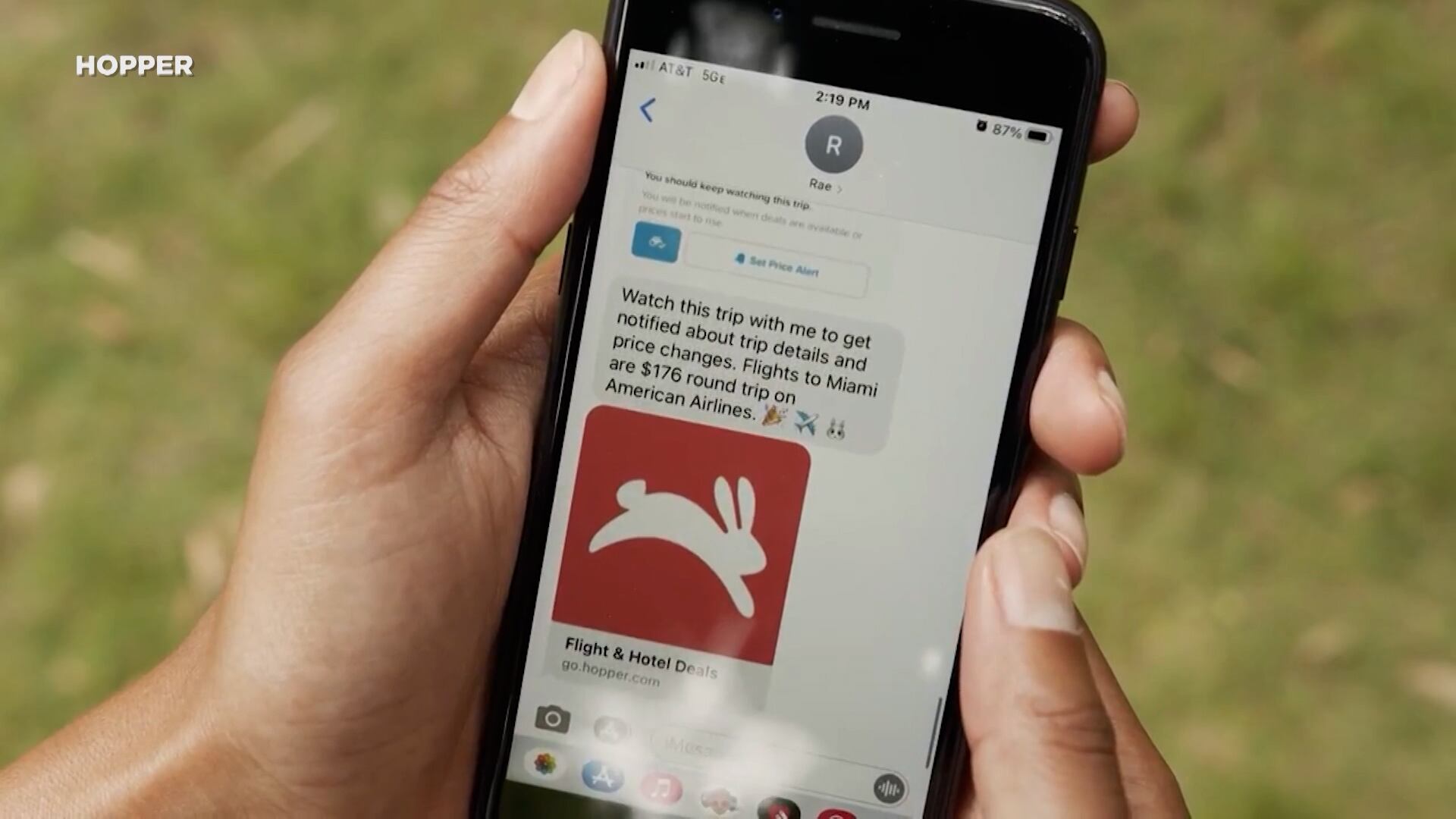
Trip.com is now adding Hopper's price freeze feature for its users. The feature will help travelers save money by protecting them from pricing volatility when booking their next trip. The company is the first online travel agency to partner with Hopper's B2B initiative, Hopper Cloud. Dakota Smith, chief strategy officer at Hopper, joins Cheddar News to walk us through the feature and how the company is addressing Omicorn concerns.