*By Michael Teich*
Walmart's reported plans to launch a streaming video service may prove futile, said The Information reporter Jessica Toonkel. After all, the retailer, she told Cheddar on Wednesday, is late to the game.
"Netflix and Amazon have been doing this for a while," Toonkel said. "This is a really hard business to get into."
Toonkel broke news this week that Walmart may develop a subscription-based video service to compete with Netflix and Amazon Prime Video. The retailer is considering a price point below $8 per month and may also include an ad-supported free service.
What's the likelihood that Walmart will actually enter the streaming business? That depends on its willingness to spend billions of dollars, Toonkel explained. But after generating $17 billion in cash last year, the company potentially has enough ammo to match Netflix's aggressive spending budget, pegged at $8 billion for 2018.
But it's not just a matter of cash flow, Toonkel said. "They have a lot of money, clearly, but they also have investors that might not be as patient as investors in Netflix."
Walmart's last attempt to enter video content faltered ー in 2010 the retailer acquired Vudu, a video-on-demand service that currently offers a combined 100,000 movie titles and television series. But analytics firm comScore reported that users spent only 18,000 hours on the platform in May, just 2 percent of the total hours spent on Netflix and 6 percent of hours spent watching Amazon in the same period.
For the full segment, [click here.](https://cheddar.com/videos/walmart-could-launch-video-streaming-platform)
Uber is rolling out a new feature on its app called Explore that will allow users to discover things to do in their area such as dining. The new service is now available in 14 U.S. cities.
Traci Gusher, EY Americas data and analytics leader, joins Cheddar News to discuss how companies have made strides within data and analytics throughout the pandemic and what the chief information officers of today need to focus on and dedicate resources to.
World leaders are currently dealing with a handful of pressing issues, including Russia's invasion of Ukraine, inflation, and not to mention the COVID-19 pandemic; but it could be argued that the most pressing issue is one that has experienced its fair share of neglect in the past -- climate change. As tensions escalate between Russia and Ukraine, there is fear the focus on climate will once again be pushed aside. However, the White House appears to be making some effort to prevent that from happening. The White House Office of Science and Technology held a first-of-its-kind roundtable discussion with some of the nation's leading climate scientists on Thursday. Michael Mann, Director of the Earth System Science Center at Pennsylvania State University, and author of the book 'The New Climate War' joins Cheddar News' Closing Bell to discuss his experience as one of the climate scientists at the White House event.
U.S. stocks rebounded to end higher on Thursday after President Biden announced new sanctions against Russia following the country's attack on Ukraine. The Dow was down 859 points at its lowest point of the session, before ultimately finishing the day in the green. Melissa Armo, founder and owner of the Stock Swoosh, joins Cheddar News' Closing Bell to discuss.
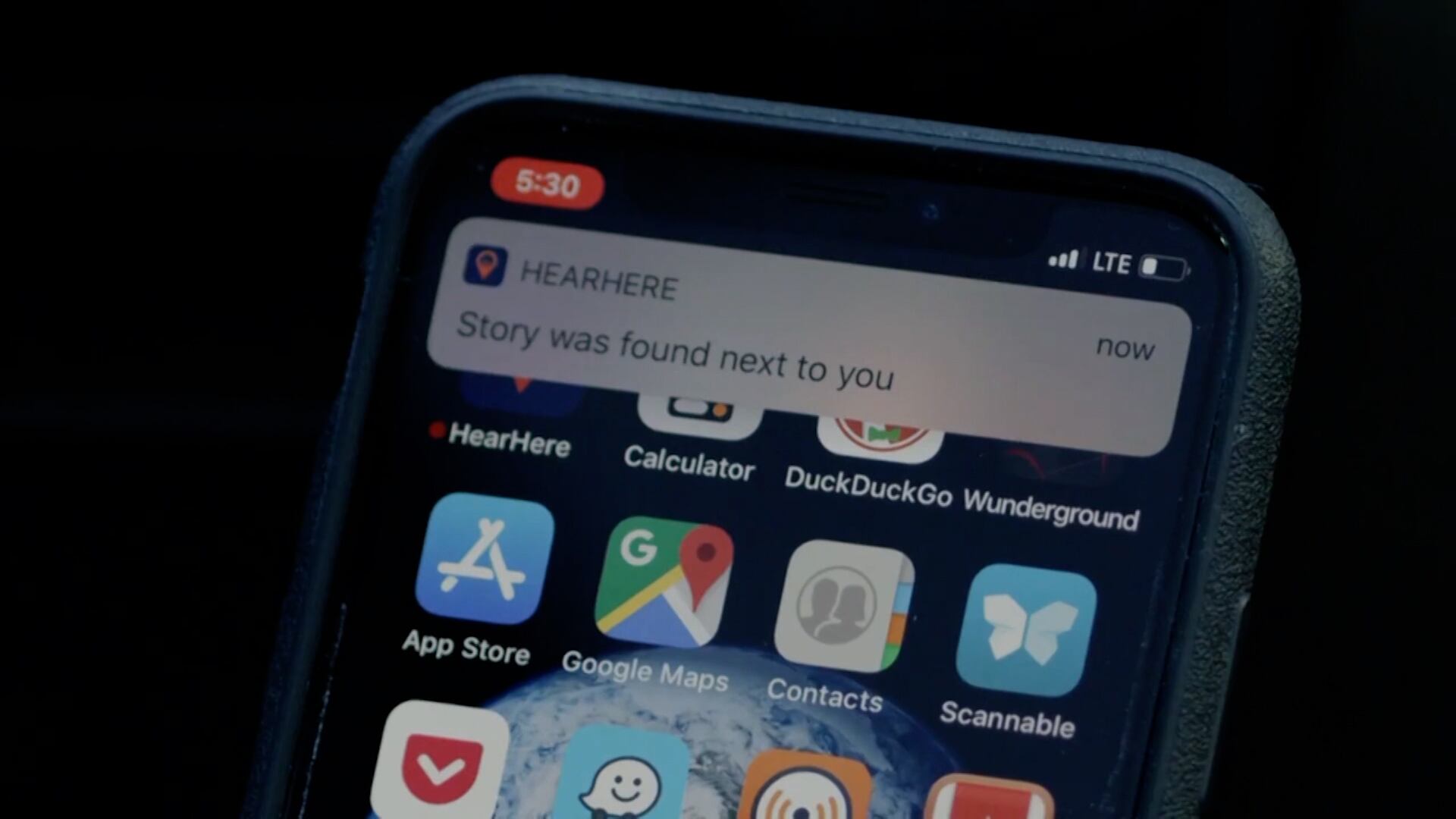
HearHere bills itself as a mobile audio entertainment app for road trips. The company just announced $3.2 million in seed funding led by Camping World, a retail company that sells recreational vehicles and camping supplies. HearHere's GPS-powered app offers over 8,880 stories across the continental U.S. and serves up the stories based on a users' geographic location and interests. The stories are narrated by some big-name celebrities including actor Kevin Costner, who is a co-founder of the company. Woody Sears, co-founder and CEO of HearHere, joins Cheddar News' Closing Bell to discuss.
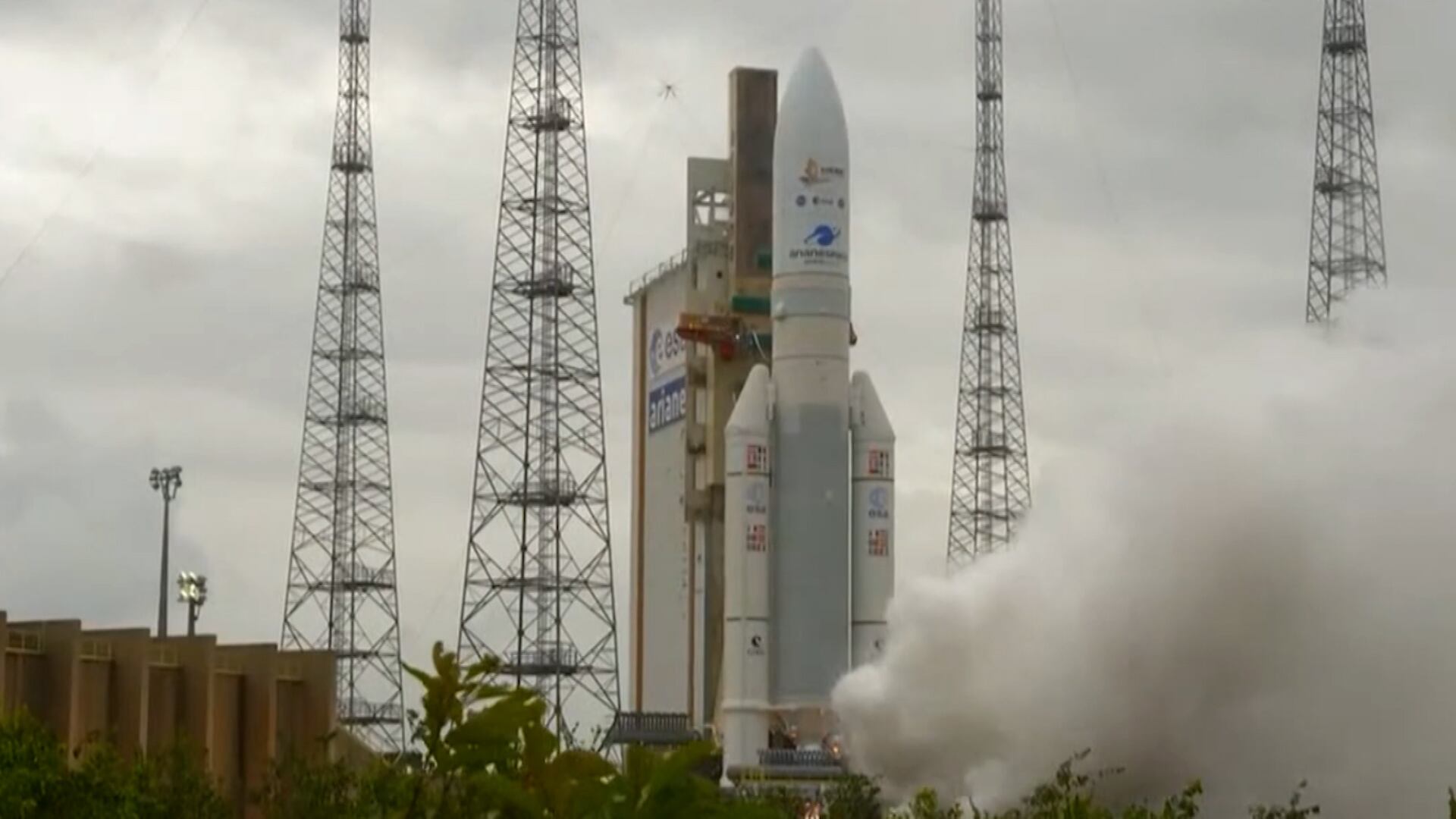
On December 25, 2021, NASA got into the holiday spirit by launching the James Webb Space Telescope, the largest and most powerful space science observatory in history.
It is intended to succeed the Hubble Space Telescope as NASA's flagship mission in astrophysics and is able to view objects too old and distant for Hubble. Gregory Robinson, director of NASA's James Webb Space Telescope program, joins Cheddar News' Closing Bell to discuss the mission. "I think a lot of what we don't know today is what I'm expecting to find and certainly really understand what took place more than 13.5 billion years ago and see the formation of some of the first galaxies in our universe," said Robinson.