*By Michael Teich*
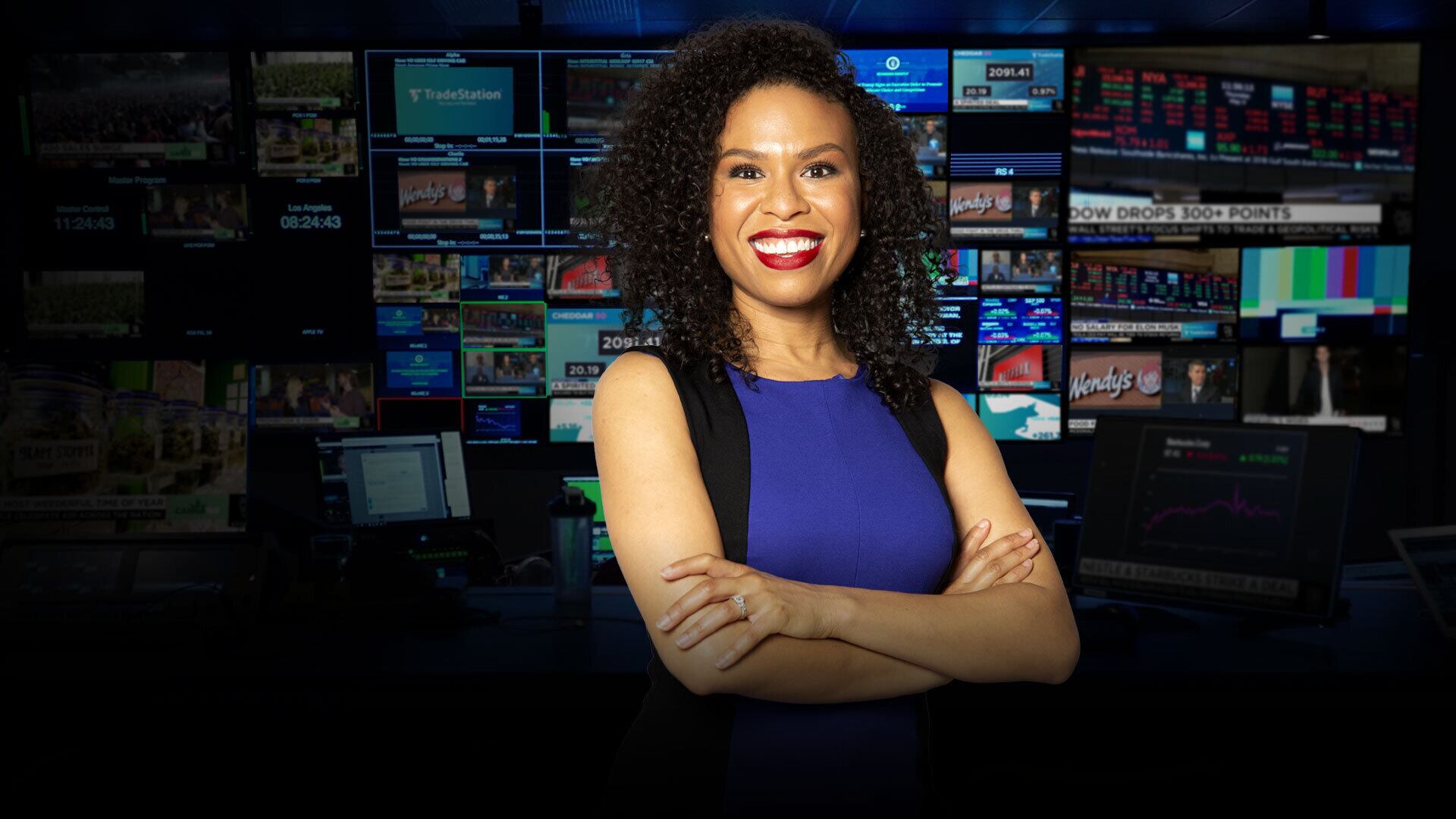
Walmart's reported plans to launch a streaming video service may prove futile, said The Information reporter Jessica Toonkel. After all, the retailer, she told Cheddar on Wednesday, is late to the game.
"Netflix and Amazon have been doing this for a while," Toonkel said. "This is a really hard business to get into."
Toonkel broke news this week that Walmart may develop a subscription-based video service to compete with Netflix and Amazon Prime Video. The retailer is considering a price point below $8 per month and may also include an ad-supported free service.
What's the likelihood that Walmart will actually enter the streaming business? That depends on its willingness to spend billions of dollars, Toonkel explained. But after generating $17 billion in cash last year, the company potentially has enough ammo to match Netflix's aggressive spending budget, pegged at $8 billion for 2018.
But it's not just a matter of cash flow, Toonkel said. "They have a lot of money, clearly, but they also have investors that might not be as patient as investors in Netflix."
Walmart's last attempt to enter video content faltered ー in 2010 the retailer acquired Vudu, a video-on-demand service that currently offers a combined 100,000 movie titles and television series. But analytics firm comScore reported that users spent only 18,000 hours on the platform in May, just 2 percent of the total hours spent on Netflix and 6 percent of hours spent watching Amazon in the same period.
For the full segment, [click here.](https://cheddar.com/videos/walmart-could-launch-video-streaming-platform)
President Biden issued his first executive to begin determining how the United States will move forward on digital currencies. Charlotte Principato, a financial services analyst for Morning Consult, joined Cheddar News Wrap to discuss. "What this executive order says is that crypto is mainstream," she said. "The United States has put our hat in the race to create a central bank digital currency and one with the power of the U.S. dollar behind it, so I think it's a really exciting time for both the cryptocurrency and the digital asset world."
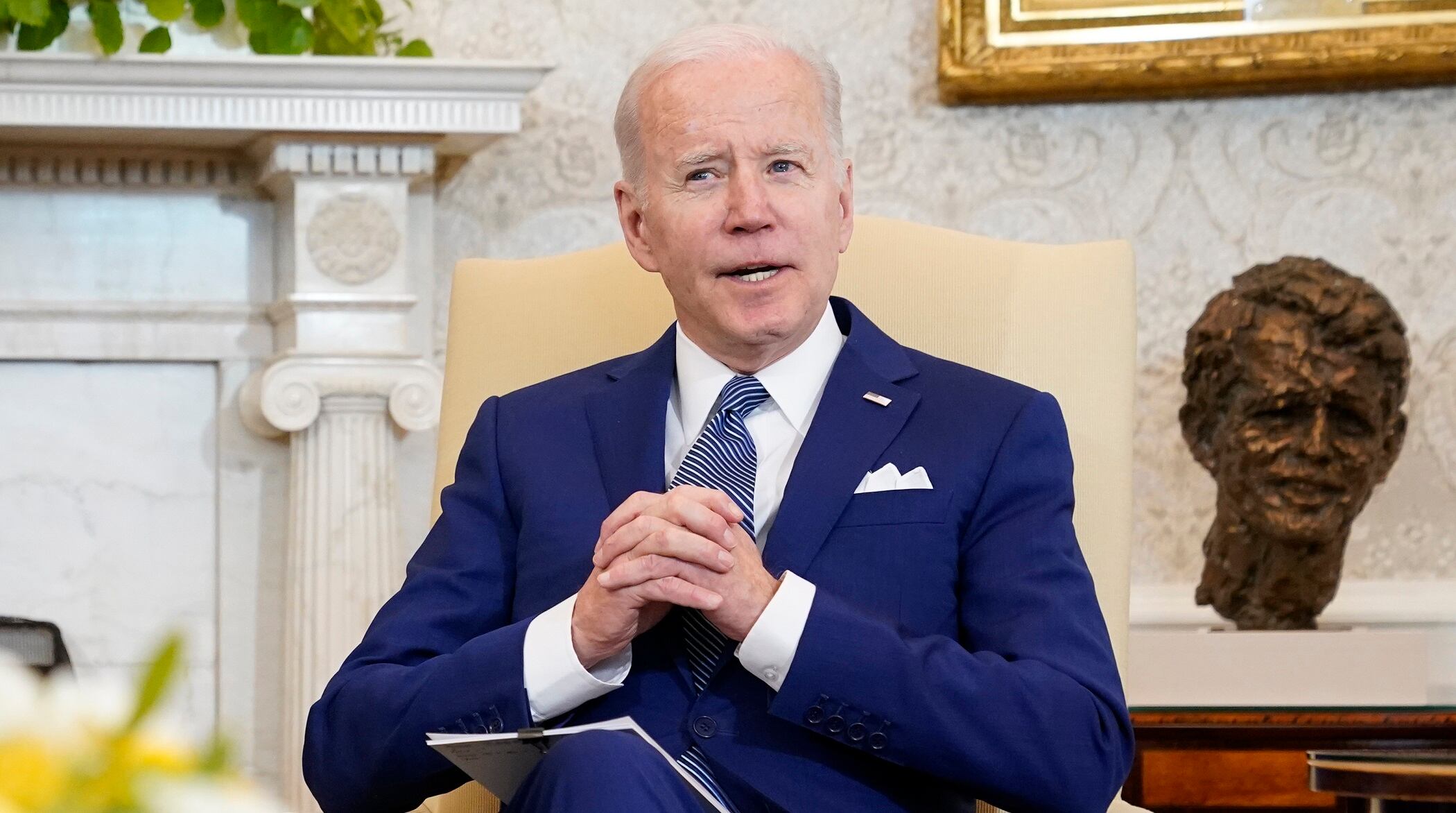
President Joe Biden on Wednesday signed a long-awaited executive order on cryptocurrencies, striking a careful balance between highlighting the risks of digital assets and touting their potential benefits.
The price of nickel, one of the key minerals needed to produce stainless steel and lithium-ion batteries, saw an unprecedented surge Tuesday amid fears that Western sanctions could cut off Russian supplies of the crucial commodity.
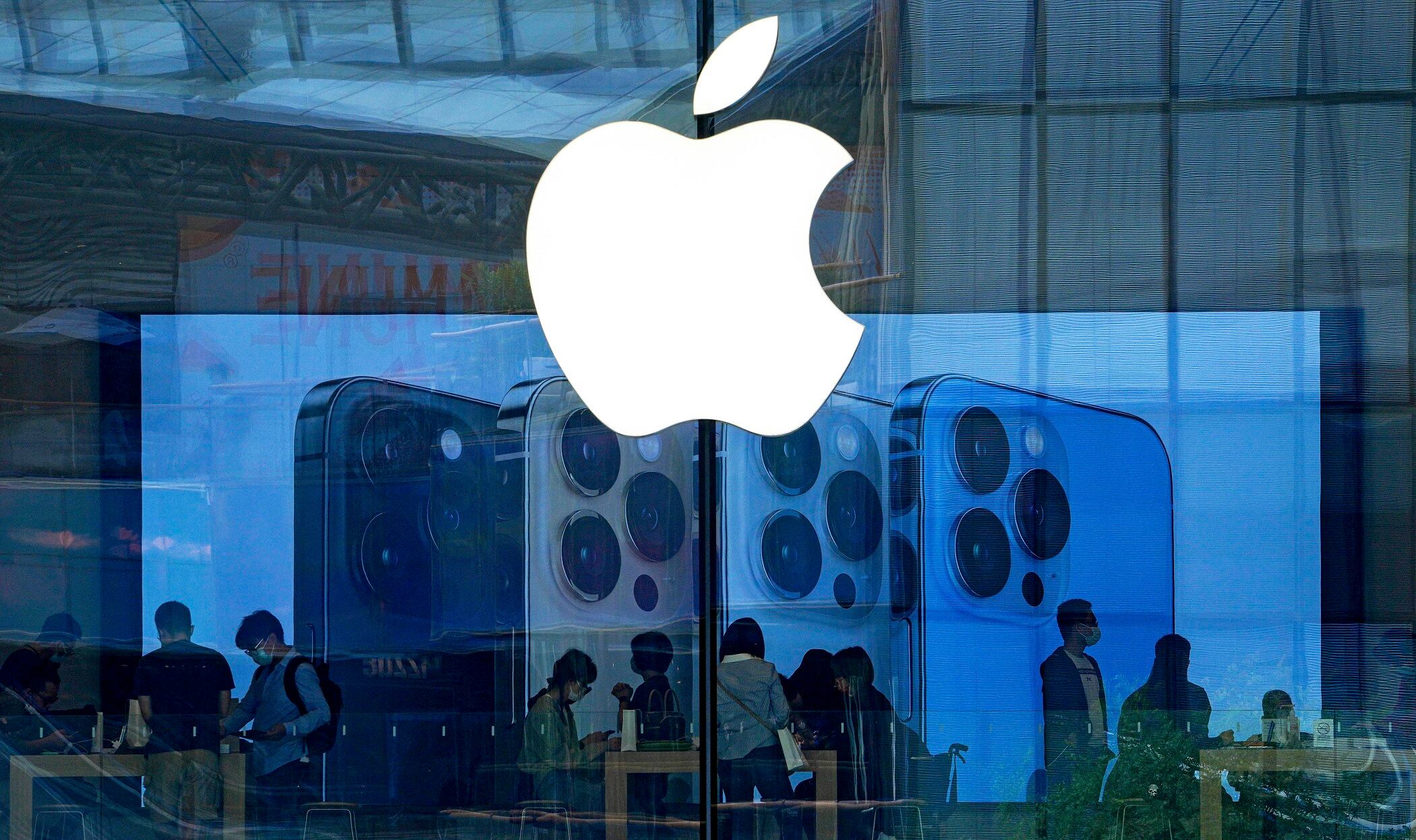
Apple on Tuesday unveiled a new version of its budget-priced iPhone that’s capable of connecting to ultrafast 5G wireless networks, an upgrade that has been available on the company’s upscale models for more than a year.
For Fadia Kader, the global head of strategic and media partnerships at social audio app Clubhouse, it's about pushing culture forward and connecting people with the biggest and brightest stars in music and entertainment.
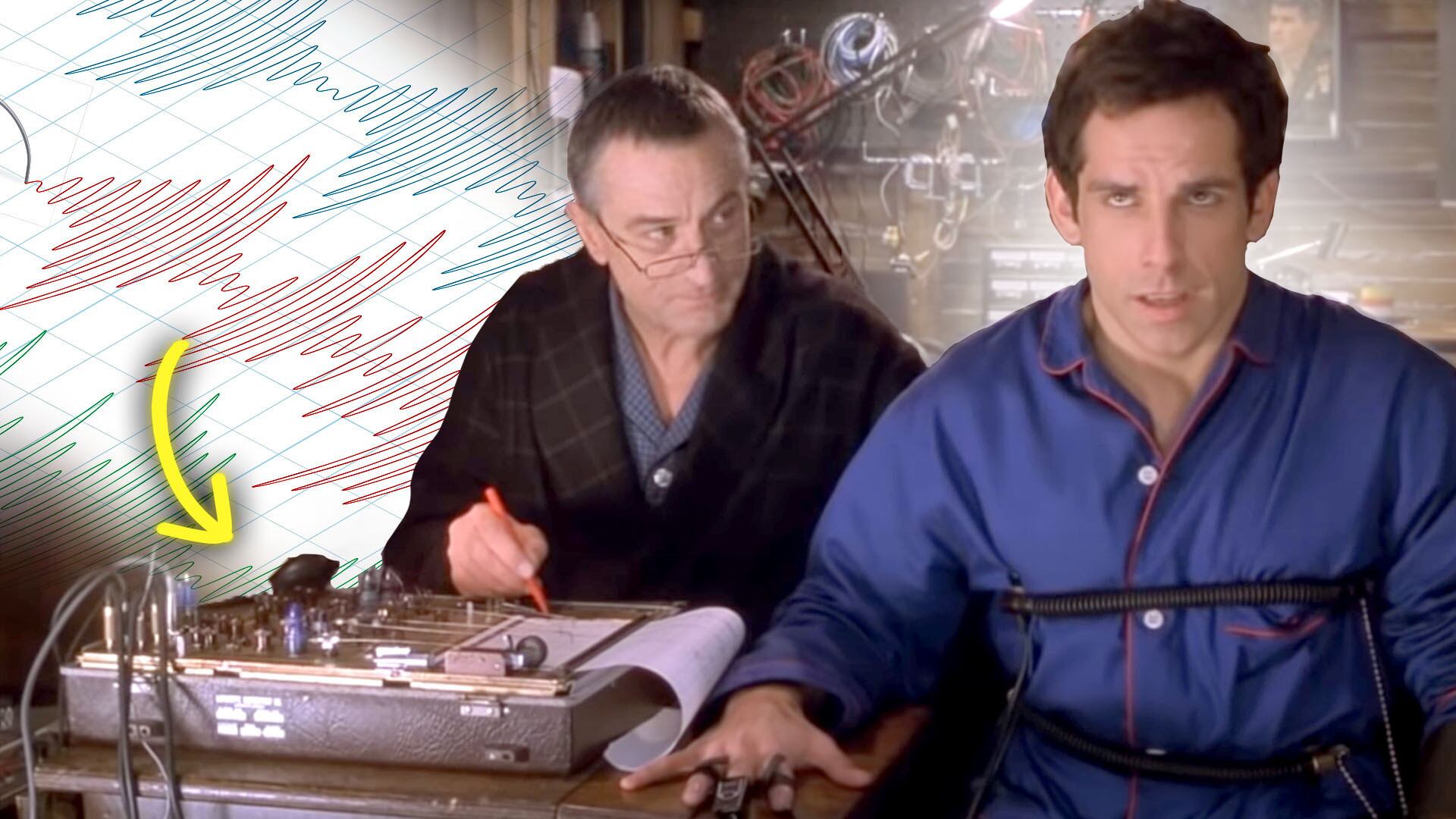
Lie detectors don't work. In fact, the science behind them has been increasingly scrutinized since their inception. But they’re still being used in high-stakes scenarios with real consequences.
So, if lie detectors don’t actually work, why do we still use them?