*By Michael Teich*
Walmart's reported plans to launch a streaming video service may prove futile, said The Information reporter Jessica Toonkel. After all, the retailer, she told Cheddar on Wednesday, is late to the game.
"Netflix and Amazon have been doing this for a while," Toonkel said. "This is a really hard business to get into."
Toonkel broke news this week that Walmart may develop a subscription-based video service to compete with Netflix and Amazon Prime Video. The retailer is considering a price point below $8 per month and may also include an ad-supported free service.
What's the likelihood that Walmart will actually enter the streaming business? That depends on its willingness to spend billions of dollars, Toonkel explained. But after generating $17 billion in cash last year, the company potentially has enough ammo to match Netflix's aggressive spending budget, pegged at $8 billion for 2018.
But it's not just a matter of cash flow, Toonkel said. "They have a lot of money, clearly, but they also have investors that might not be as patient as investors in Netflix."
Walmart's last attempt to enter video content faltered ー in 2010 the retailer acquired Vudu, a video-on-demand service that currently offers a combined 100,000 movie titles and television series. But analytics firm comScore reported that users spent only 18,000 hours on the platform in May, just 2 percent of the total hours spent on Netflix and 6 percent of hours spent watching Amazon in the same period.
For the full segment, [click here.](https://cheddar.com/videos/walmart-could-launch-video-streaming-platform)
U.S. stocks closed Thursday at their lowest levels of the trading day, as investors continue to eye inflation ahead of the May CPI report out Friday. Art Hogan, Chief Market Strategist for National Holdings, joins Cheddar News' Closing Bell to discuss.
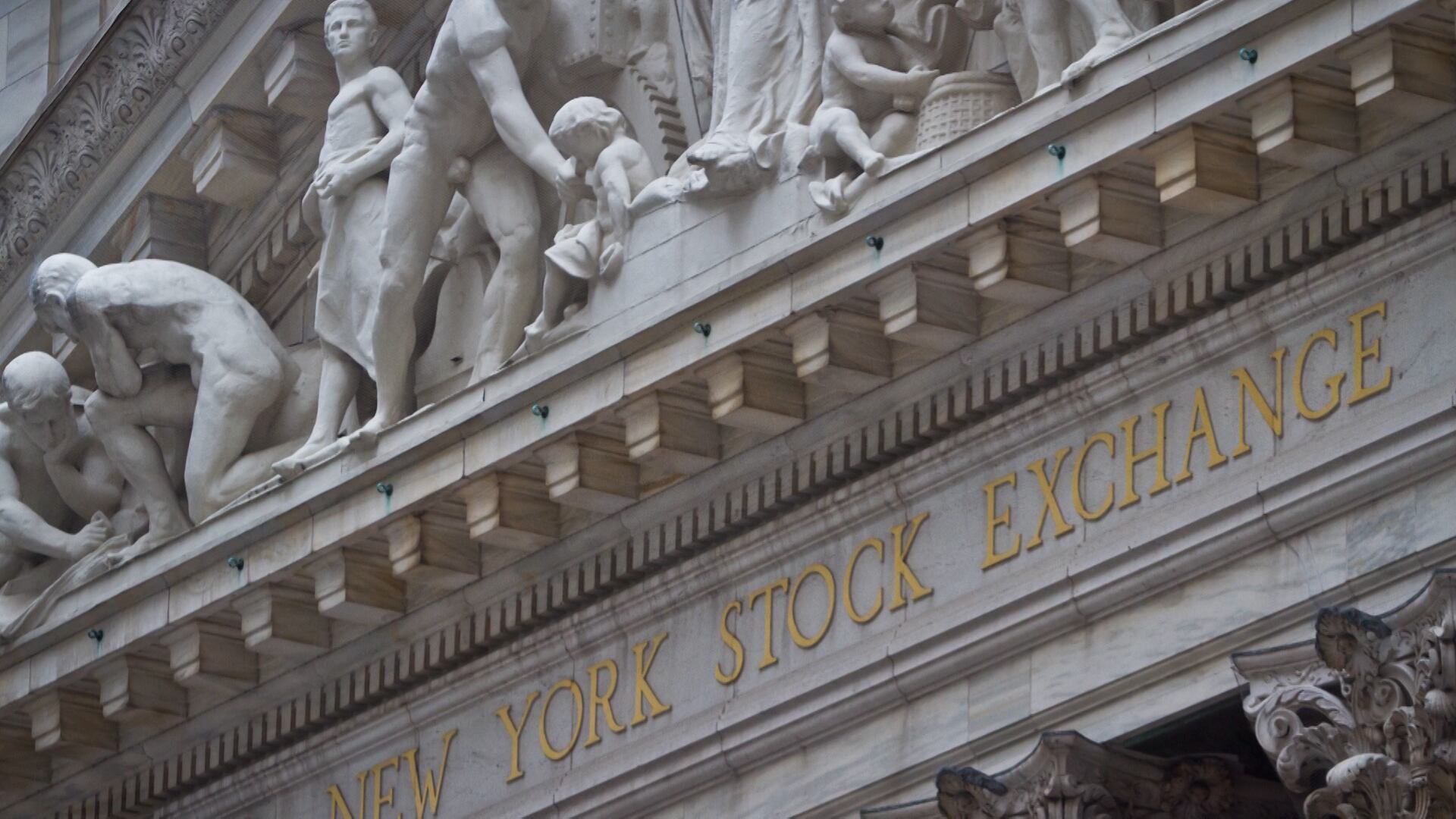
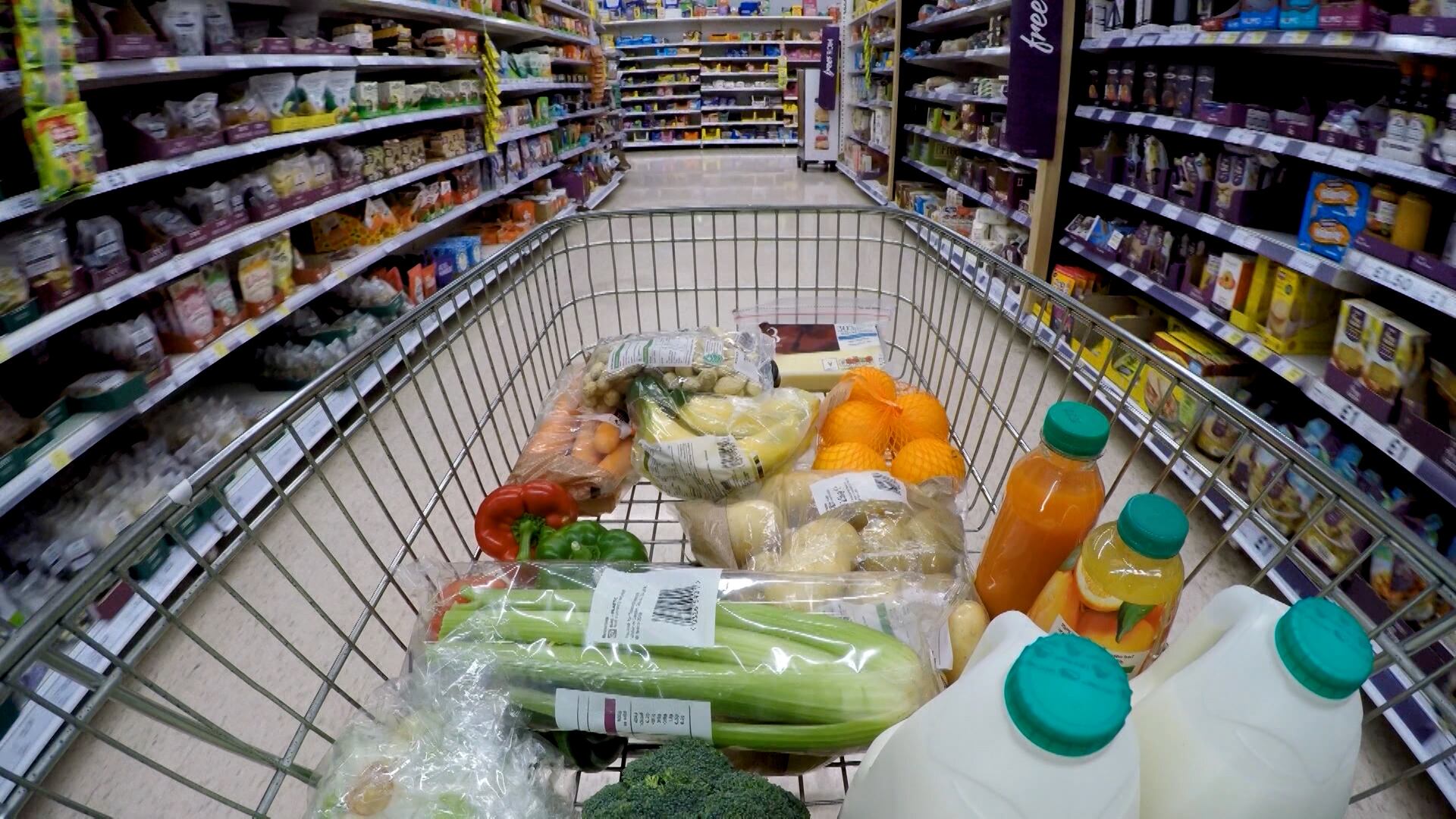
U.S. markets opened sharply lower on Friday on hotter-than-expected inflation data. The May CPI showed an 8.6% jump in consumer prices year-over-year, higher the expected 8.3%. Mark Howard, Senior Multi-Asset Specialist at BNP Paribas joined Cheddar's Opening Bell to discuss.
U.S. stocks closed Friday at session lows after May CPI data showed inflation in the U.S. has not peaked and is still rising rapidly. For the week, the S&P fell 5.06%, the Dow lost 4.58%, and the Nasdaq dropped 5.60%, marking the worst week since January for all three major indexes. Mike Zigmont, Head of Trading and Research at Harvest Volatility Management, joins Cheddar News' Closing Bell to discuss.
Benefits brokerage, Nava Benefits, raised $40 million in a Series B round. Nava says it's on a mission to fix healthcare, one benefits plan at a time. The startup is working to bring benefits to small business that are normally available to only Fortune 500 companies. Brandon Weber, Co-Founder and CEO of Nava Benefits, joined Cheddar News' Closing Bell to discuss.
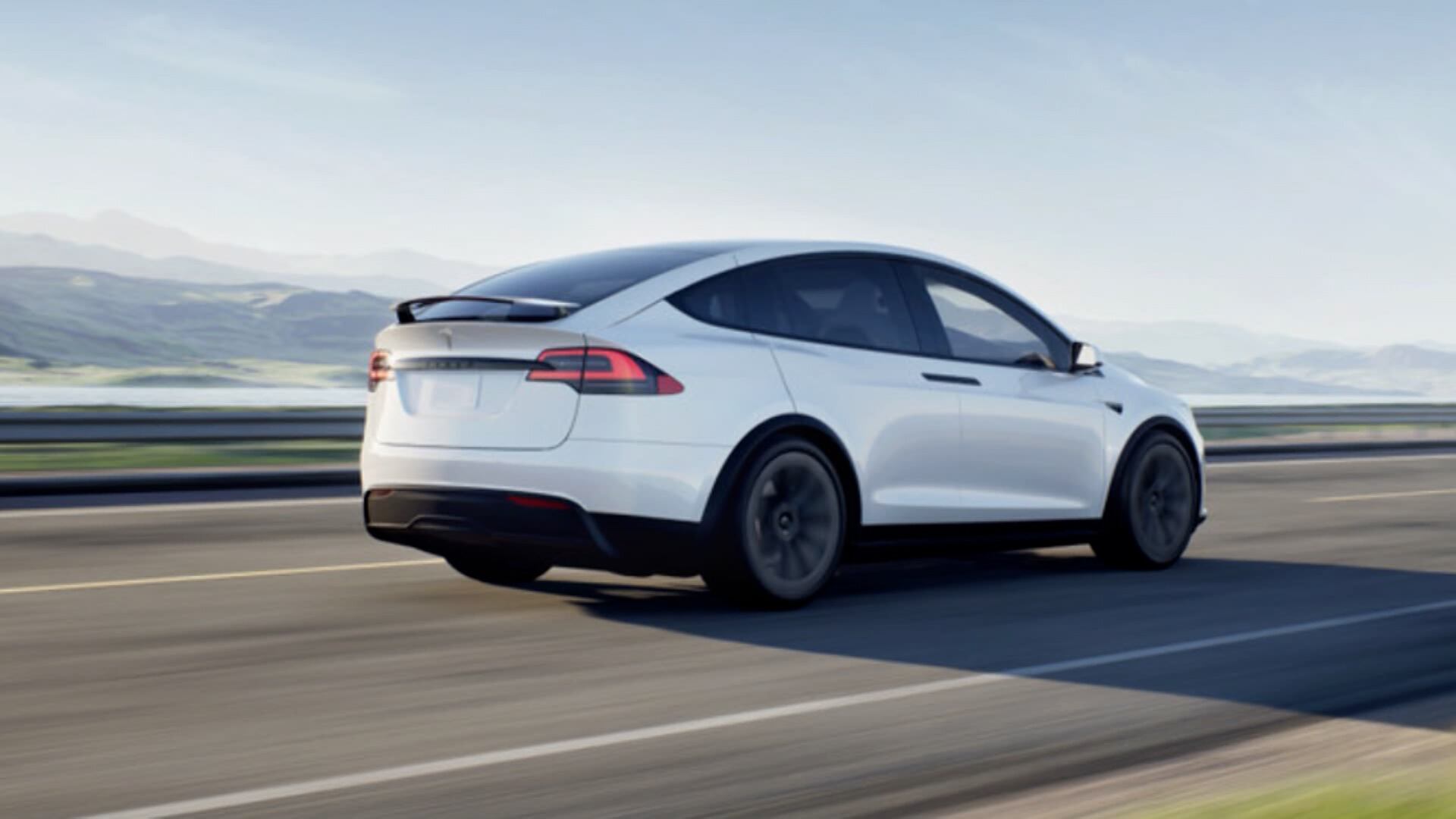
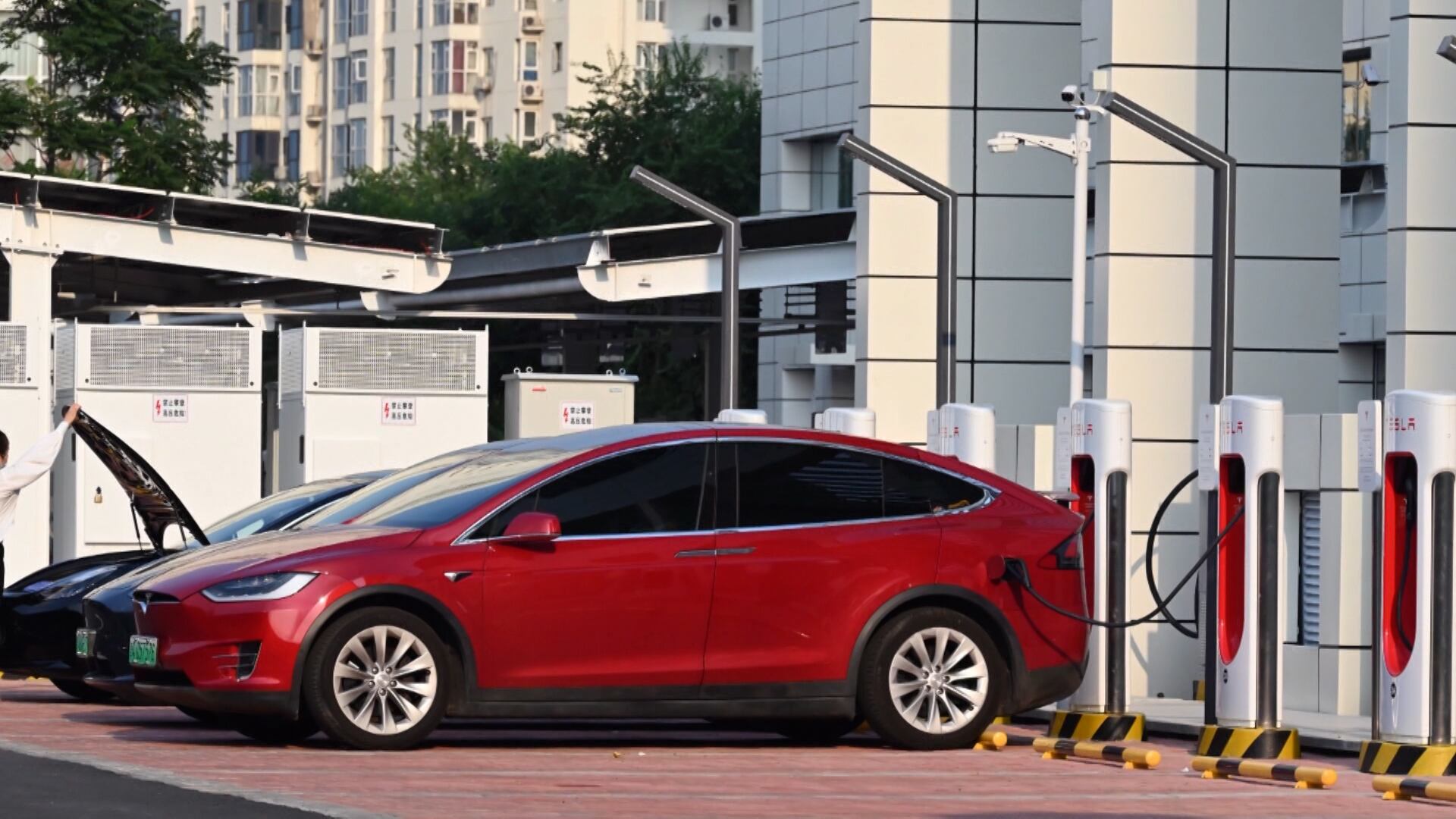
The electric vehicle maker filed a proposal for a three-for-one stock split, increasing the accessibility of shares for investors for a stock trading at around $700 a share. The move comes not long after tech giant Amazon announced a 20-for-one split. The number of authorized shares rises from two billion to six billion. It was also revealed that board member Larry Ellison does not intend to stand for reelection as it pertains to Tesla.
President Biden proposed a new rule that would add 500,000 chargers for electric vehicles nationwide. The proposal comes amid the rapid shift to EVs with dozens of automakers announcing plans for all-electric fleets within the next decade. But with the new surge will the U.S. have the proper infrastructure to keep up? Scott Painter, founder and CEO of Autonomy.com joined Cheddar's Opening Bell to discuss. "I really think the idea of standardization is a big deal. Standardization certainly makes it much better for everybody to be able to get a charge when they need one," he said.