*By Carlo Versano*
Walmart, the world's largest retailer, reported its strongest growth in a decade in its second-quarter earnings released before the bell Thursday.
"Every part of the set of numbers were incredible," said Sucharita Kodali, a retail analyst at Forrester.
Revenue for the quarter was $128 billion ー about $2 billion more than expected ー and adjusted earnings per share were $1.29 compared with an expected $1.22.
Walmart said same-store sales were up 4.5 percent for the second quarter, helped by strong grocery and apparel segments. The e-commerce slice of Walmart's business was up 40 percent compared with the same quarter last year.
The retail giant acquired Jet.com two years ago in a bid to attract more affluent, urban shoppers, and bolster Walmart's e-commerce strategy. It appears to be working, Kodali said, but Amazon maintains an online advantage. "It's still a work in progress," she said Thursday in an interview with Cheddar.
Walmart seems to be riding strong consumer spending, low unemployment, and wage growth to better-than-expected earnings. Shares of Walmart stock rose about 10 percent Thursday morning after the company's earnings report.
But Kodali said the retail sector may face headwinds from tariffs, higher input costs for raw materials, and rising gas prices. "All of these things are going to adversely affect Walmart," she said.
Walmart is the third major retailer to beat earnings expectations this week, after Home Depot and Macy's.
Karl Farmer, Vice President and Portfolio Managers at Rockland Trust Bank, breaks down why inflation and interest rates may stick at these levels, and why Bitcoin still carries some risks.
If you wince at the grocery store checkout, you’re not alone. Wall Street Journal reporter Jesse Newman breaks down why prices are so high – and not going down anytime soon.
An inflation gauge favored by the Federal Reserve increased in January, the latest sign that the slowdown in U.S. consumer price increases is occurring unevenly from month to month. (Getty Images)
Glen Smith, CIO at GDS Wealth Management, shares how investors can allocate their assets as the market broadens and why he’s eyeing June for the first potential rate cut.
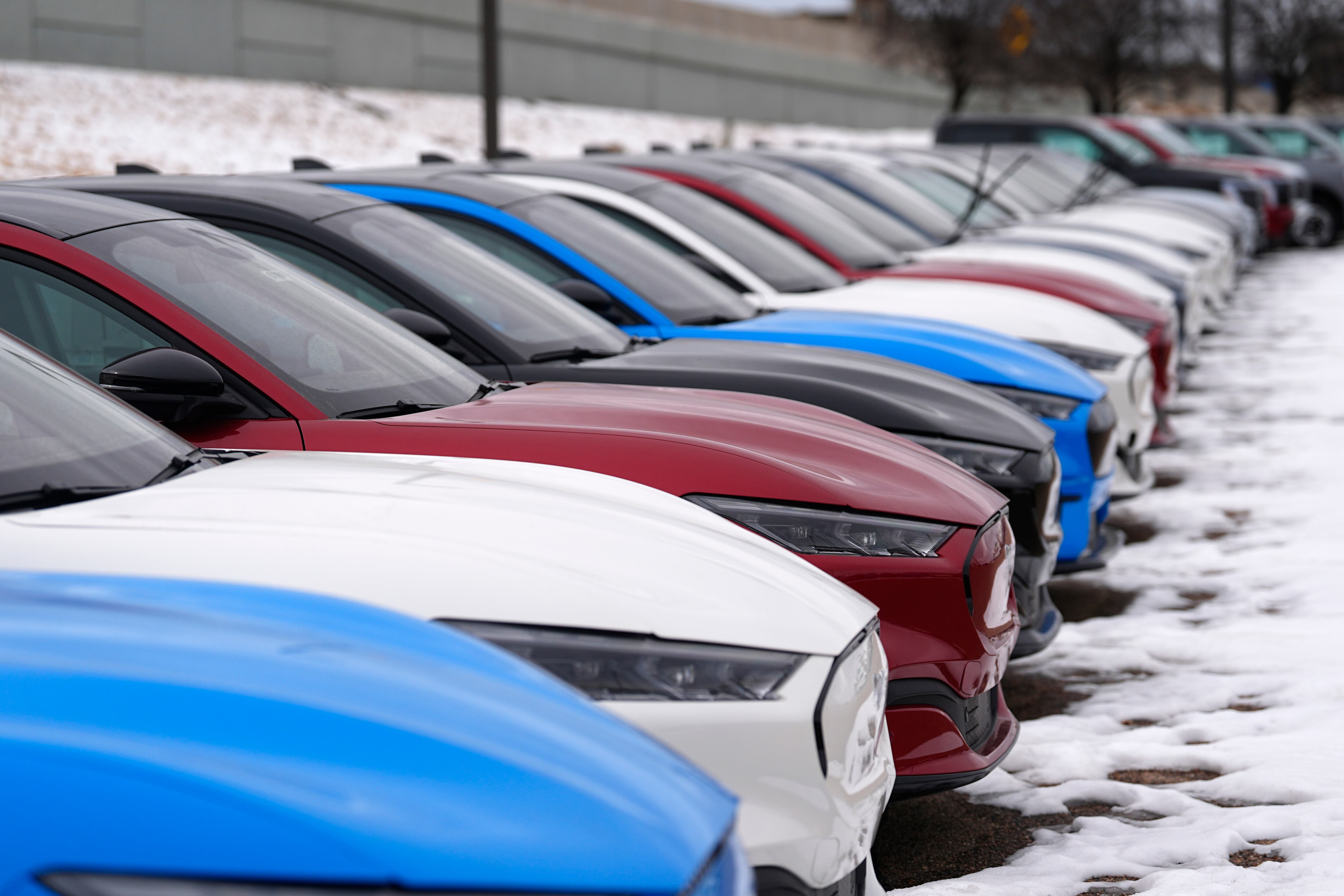
After years of price increases for cars and trucks in the United States, costs are slowing and in some cases falling, helping cool overall inflation and giving frustrated Americans more hope of finding an affordable vehicle.