*By Jacqueline Corba*
The Indian e-commerce company Flipkart accepted a $15 billion bid from a group led by Walmart, striking a blow to Amazon's online supremacy in India, according to a report in The Wall Street Journal and Bloomberg.
Flipkart's board of directors approved the transaction just days after Amazon made its own offer, [The Wall Street Journal's](https://www.wsj.com/articles/walmart-seeking-to-buy-stake-in-indian-e-commerce-giant-flipkart-1525437107) Sarah Nassauer said in an interview Friday with Cheddar. The deal, Walmart's biggest in nearly two decades, would give the retail giant a 75 percent stake in Flipkart.
"Amazon has publicly said they want to make a go of it in India, so I'm sure that's playing into their thinking," Nassauer said, adding that there are still a lot of "ifs."
India is expected to drive 30 percent of Amazon's revenue growth over the next three years, according to a recent Morgan Stanley analyst report. And the Indian e-commerce market is expected to be worth $200 billion by 2026, with Walmart and Amazon eager to capture as much of that business as possible. Flipkart ー started by two former Amazon employees in 2007 ー was Walmart's way in, said Nassauer.
"This sets them both up to be in direct competition there and give it a real try," she said.
Shares of Walmart closed up 1.5 percent on Friday.
For full interview, [click here](https://cheddar.com/videos/walmart-taking-on-amazon-in-flipkart-deal).
If you wince at the grocery store checkout, you’re not alone. Wall Street Journal reporter Jesse Newman breaks down why prices are so high – and not going down anytime soon.
An inflation gauge favored by the Federal Reserve increased in January, the latest sign that the slowdown in U.S. consumer price increases is occurring unevenly from month to month. (Getty Images)
Glen Smith, CIO at GDS Wealth Management, shares how investors can allocate their assets as the market broadens and why he’s eyeing June for the first potential rate cut.
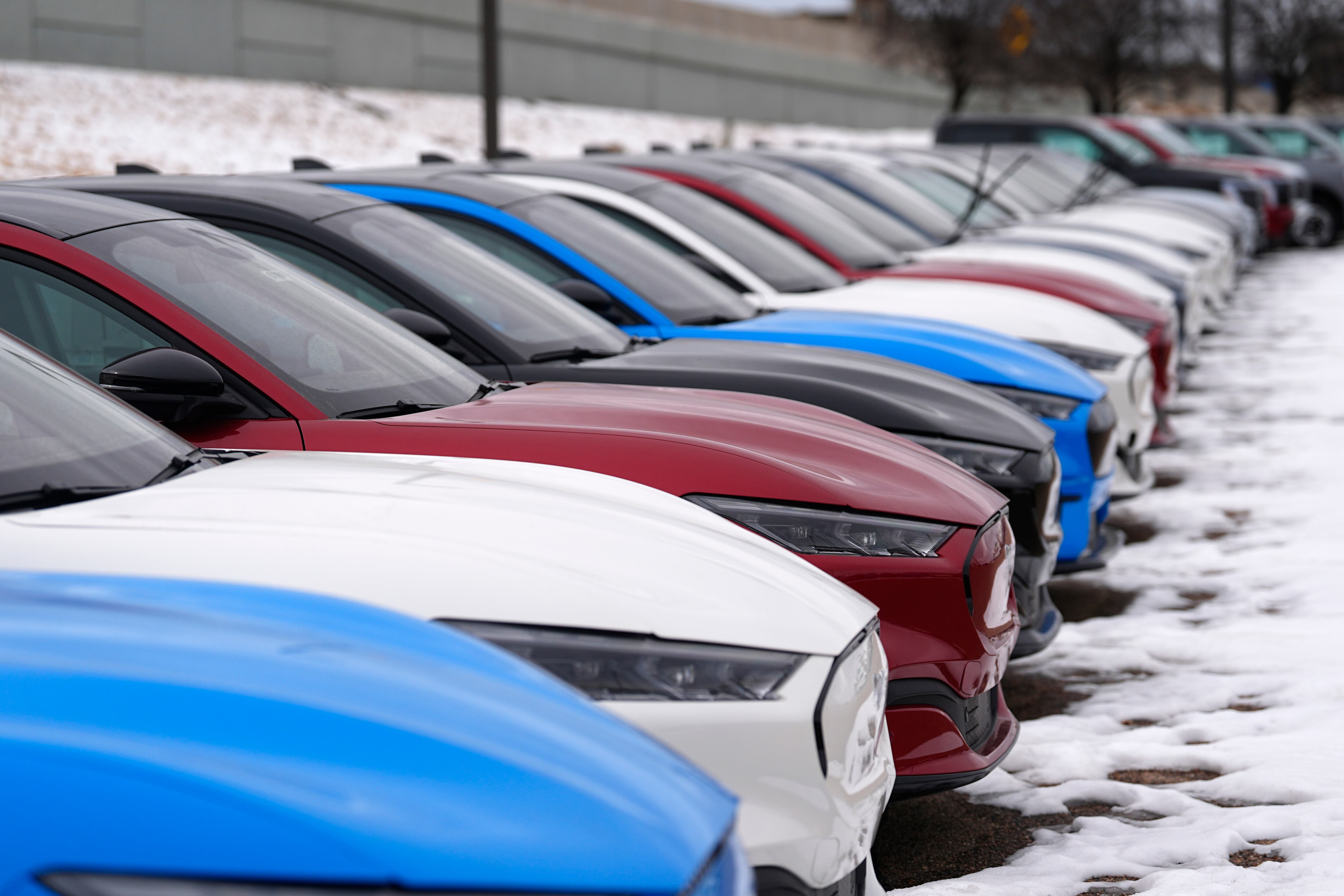
After years of price increases for cars and trucks in the United States, costs are slowing and in some cases falling, helping cool overall inflation and giving frustrated Americans more hope of finding an affordable vehicle.
Missed out on the Nvidia wave? Oh course you did — you’re reading this article aren’t you, instead of luxuriating on a white-sand beaches of Bali. But here are at least four other promising semiconductor stocks to add to your portfolio.
Fresh off a successful funding round, co-founder of Lapse Dan Silvertown shares thoughts on regulation, privacy, and why the money for great startups is still out there.