By Stan Choe and Damian J. Troise
Stocks closed higher on Wall Street for the first time in three days, even as bond yields climb to tighten the squeeze on Wall Street. The S&P 500 climbed 0.8% Thursday after erasing a morning loss. The Dow and the Nasdaq also rose. Stocks immediately flipped from losses to gains after a Federal Reserve official made comments that raised hopes the central bank may not ramp up its fight against inflation as aggressively as feared. That countered recent talk from other officials who raised worries about much bigger increases to interest rates following several hotter-than-expected reports on the economy.
THIS IS A BREAKING NEWS UPDATE. AP’s earlier story follows below.
Stocks are rising Thursday and heading for their first gain in three days, even as bond yields climb to tighten the squeeze on Wall Street.
The S&P 500 was 0.7% higher after erasing a morning loss. The Dow Jones Industrial Average was up 323 points, or 1%, at 32,993, as of 3:29 p.m. Eastern time, while the Nasdaq composite was 0.6% higher.
Stocks immediately flipped from losses to gains after a Federal Reserve official made comments that raised hopes the central bank may not ramp up its fight against inflation as aggressively as feared. That countered recent talk from other officials who raised worries about much bigger increases to interest rates following several hotter-than-expected reports on the economy.
Raphael Bostic, president of the Federal Reserve Bank of Atlanta, told reporters that for now he still supports lifting the Fed's key overnight rate up to a range of 5% to 5.25%, up from its current 4.50% to 4.75%. That's lower than a good chunk of investors on Wall Street are forecasting.
“That’s what gave the market a little hope, that there is a voice not saying to raise” forecasts for where the Fed will ultimately stop hiking rates, said Brent Schutte, chief investment officer at Northwestern Mutual Wealth, “because a lot of the other people who talk seem like they’re constantly saying, ‘Elevator Up.’”
Higher rates can drive down inflation because they slow the economy, but they also raise the risk of a recession down the line. They likewise hurt prices for stocks and other investments.
“This is where we're at now,” Schutte said. “We're making policy based upon — and the market is moving off — every month's data rather than people paying attention to the trend. And these things get revised. That’s why it’s so volatile.”
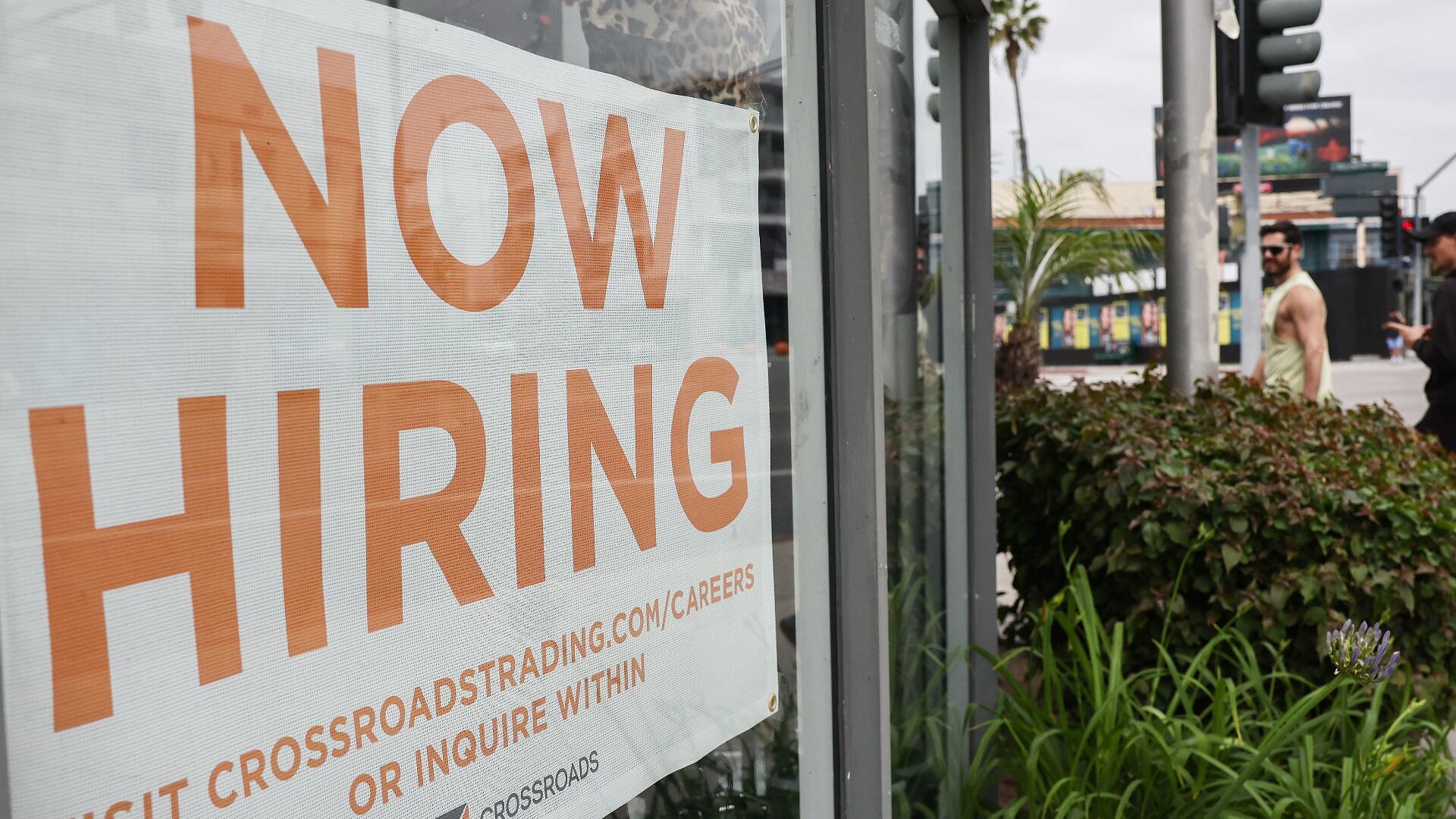
The mood was more dour in the morning after a report showed fewer workers applied for unemployment benefits last week for a third straight week. It's the latest data to show the job market is remaining far more resilient than expected, even though the Federal Reserve has jacked up interest rates at the fastest pace in decades.
While that’s good news for workers and calms fears about a recession in the near term, the fear is that a too-strong jobs market could add upward pressure to inflation. Inflation has recently been more stubborn to cool than expected after coming down from its summertime peak.
A separate report Thursday showed that labor costs were higher than earlier reported for the last three months of 2022, while productivity was revised down. Both could also add pressure on inflation. It follows other reports over the last month showing overall job growth, spending by consumers and inflation at multiple levels of the economy all remain higher than expected.
“The economy is pretty healthy and from a spending perspective that actually provides a lot of support for earnings estimates ticking up,” said Brad McMillan, chief investment officer for Commonwealth Financial Network. “The other side of that though is that the Fed sees it too and the market sees that the Fed is seeing it.”
The strong economic reports have forced Wall Street to raise its forecasts for how high the Fed will ultimately take interest rates. It also means a delay in any hopes for upcoming cuts to rates.
The swing has been clear in the bond market, where Treasury yields have shot higher. The yield on the 10-year Treasury rose to 4.07% from 4.00% late Wednesday and from less than 3.40% earlier this year. It helps set rates for mortgages and other loans that shape the economy, and it’s near its highest level since November.
The two-year yield, which moves more on expectations for the Fed, rose to 4.90% from 4.88% and is close to its highest level since 2007.
“We’re all sitting around waiting to see what the level is where they cause the economy to break, and at that point it will unfortunately be too late,” said Northwestern Mutual Wealth's Schutte.
Shares of Salesforce soared 11.2% for one of the market's biggest gains after it topped forecasts for profit and revenue last quarter. It also gave a stronger-than-expected forecast for upcoming results.
Expectations have been coming down recently for profits at big U.S. companies given still-high inflation and interest rates. But several joined Salesforce in rising Thursday after posting encouraging results.
Macy's rose 11.9% after reporting stronger profit and revenue for the holidays than analysts expected. It also gave a forecasted range for earnings this year that was above some analysts' expectations.
It ran counter to several other big retailers that have offered discouraging forecasts recently given the struggles of some U.S. households amid still-high inflation.
On the losing side was Telsa, which sank 6.4%. It said its next generation of vehicles will cost half as much but provided few details about its design in a presentation to investors.
Hormel Foods, the company behind Spam and Applegate meats, also fell. It sank 4.3% after reporting weaker profit and revenue for the latest quarter than expected.
Stock markets overseas were mixed.
New data out of Europe Thursday showed that inflation eased slightly in the 20 countries that use the euro currency but remains higher than economists expected.
___
AP Economics Writer Christopher Rugaber and AP Business Writers Joe McDonald and Matt Ott contributed.