NEW YORK (AP) — U.S. stocks are heading for records on Friday after an update on inflation came in a bit less painful than feared.
The S&P 500 rose 1% and was on track to top its all-time high, which was set earlier this month. The Dow Jones Industrial Average was up 529 points, or 1.1%, as of 2:05 p.m. Eastern time, and the Nasdaq composite was 1.3% higher. Both were also rising toward records.
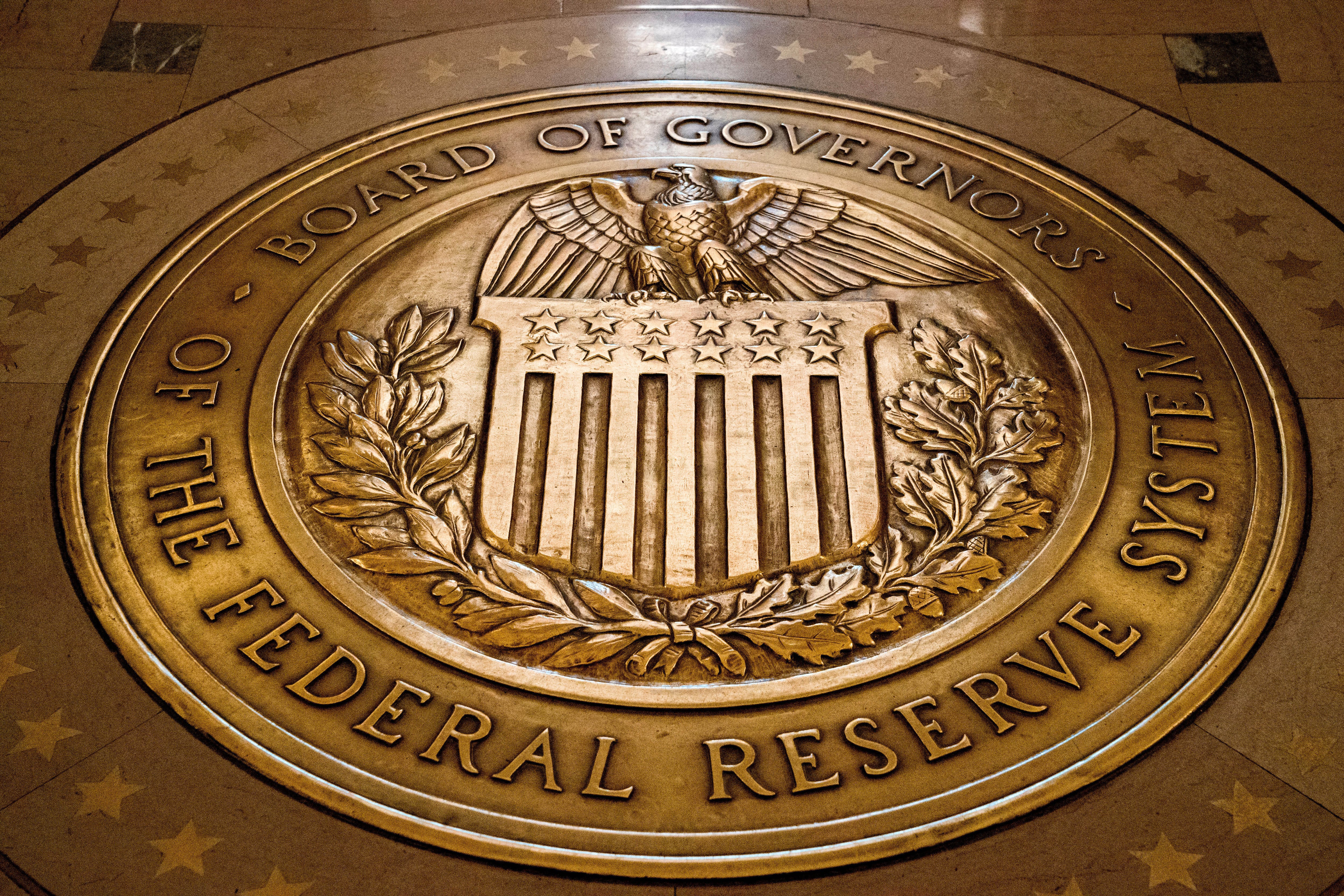
The data on inflation is encouraging because it could mean less pain for lower- and middle-income households struggling with still-high increases in prices every month. Even more importantly for Wall Street, it could also clear the way for the Federal Reserve to keep cutting interest rates in hopes of giving a boost to the slowing job market.
The Fed just cut its main interest rate last month for the first time this year, but it’s been hesitant to promise more relief because lower rates can make inflation worse, beyond goosing the economy and prices for investments. Following the inflation report, traders upped bets to a near certainty that the Fed will cut rates at its next two meetings, including one next week.
“Right now, Fed officials are more concerned about the labor market than about inflation,” according to Brian Jacobsen, chief economist at Annex Wealth Management. “Without any evidence to the contrary, there’s nothing to really change their minds about cutting.”
Stocks have been shaky in recent weeks following a tremendous rally of 35% for the S&P 500 from a low in April. Criticism has climbed that stocks became too expensive after their prices rose much faster than corporate profits. Worries also flared about potentially bad loans that banks made following a period of calm that may have encouraged too much risk-taking. And President Donald Trump rattled markets after threatening much higher tariffs on China, the world’s second-largest economy.
But stocks have rebounded each time, only to push higher. Banks have characterized the industry’s hiccups as just a collection of one-offs, while Trump is set to meet China’s leader, Xi Jinping, at a conference next week.
And most big U.S. companies are reporting stronger profits for the latest quarter than analysts expected, as is usually the case.
Ford Motor revved 12.8% higher to help lead the market Friday after the automaker topped analysts’ expectations for profit in the latest quarter. The company said its business is running at the high end of the forecasted range it had given for financial performance this year in February.
Intel added 0.6% after reporting profit for the latest quarter that blew past analysts’ expectations. CEO Lip-Bu Tan credited the artificial-intelligence boom with “accelerating demand for compute and creating attractive opportunities.”
Google’s parent company climbed 3.1% after Anthropic announced an expansion worth tens of billions of dollars, where it would increase its usage of Google cloud technologies for its AI chatbot, Claude. Alphabet was one of the strongest forces lifting the S&P 500, along with other AI beneficiaries like Nvidia.
Procter & Gamble’s profit beat analysts’ forecasts, despite what CEO Jon Moeller called “a challenging consumer and geopolitical environment,” and the stock of the company behind the Charmin, Oral-B and Pampers brands rose 1.2%.
They helped offset a drop for Newmont Mining, which fell 4.6% even though it also reported a stronger profit than expected.
The miner’s stock came into the day with a stunning gain of nearly 139% for the year so far, after benefiting from the surging price of gold. But gold’s run has stalled recently. No investment’s price goes up forever, and criticism had been growing that gold’s price had gone too far, too fast after it shot up even more than the U.S. stock market.
Many of the same factors that drew buyers to gold this year are still there, including concerns about the mountains of debt that the U.S. and other governments worldwide are amassing. The U.S. government’s gross national debt topped $38 trillion this week, and the worry is that a continued acceleration will only worsen inflation.
In stock markets abroad, indexes mostly rose across Europe and Asia. South Korea’s Kospi jumped 2.5%, and Japan’s Nikkei 225 rallied 1.4% for two of the world’s bigger moves.
In the bond market, Treasury yields held relatively steady, as the inflation data merely solidified already high expectations for coming cuts to rates by the Fed. The yield on the 10-year Treasury slipped to 3.99% from 4.01% late Thursday.
A report from the University of Michigan also said expectations for inflation among U.S. consumers remains mixed. Such numbers are important because expectations for high inflation can encourage behavior that pushes inflation even higher, creating a vicious cycle.
___
AP Writers Teresa Cerojano and Matt Ott contributed.