Wages and benefits for U.S. workers increased 1 percent in the period between October and December. The gains were sizable by historical standards but slower than the 1.2 percent jump in the previous three months, according to the Bureau of Labor Statistics's employment cost index.
Quarterly wage gains usually don't pass 1 percent but were consistently higher through 2022, as a tight labor market pushed many employers to sweeten the deal for workers. In the first quarter of 2022, worker compensation was up 1.4 percent, the biggest gains since 2001.
Those gains began to slow in the final months of the year, however. While private industry wages were still up 5.1 percent in December from a year earlier, the year-over-year rate for wage gains is down significantly from its 2022 peak of 11.39 percent.
Now the big question for economists is what this means for interest rates.
The Federal Reserve watches the index closely and in recent months, as goods inflation has fallen, has emphasized more the role of the labor market in driving prices. Whether this analysis is correct or not, slowing wage gains could encourage the Fed to pull back on rate hikes. Echoing the Fed, some economists have drawn a straight line between wage growth and inflation.
"Good news for prospects for sustained lower inflation from the latest Employment Cost Index (ECI) data," tweeted Jason Furman, former director of the National Economic Council of the United States. "But, the growth in Q4 was still higher than *any* quarter in the previous cycle. So still not likely to be compatible with 2% inflation and probably not even 3% inflation."
Other economists have pushed back against the conclusion that wages are fueling price gains.
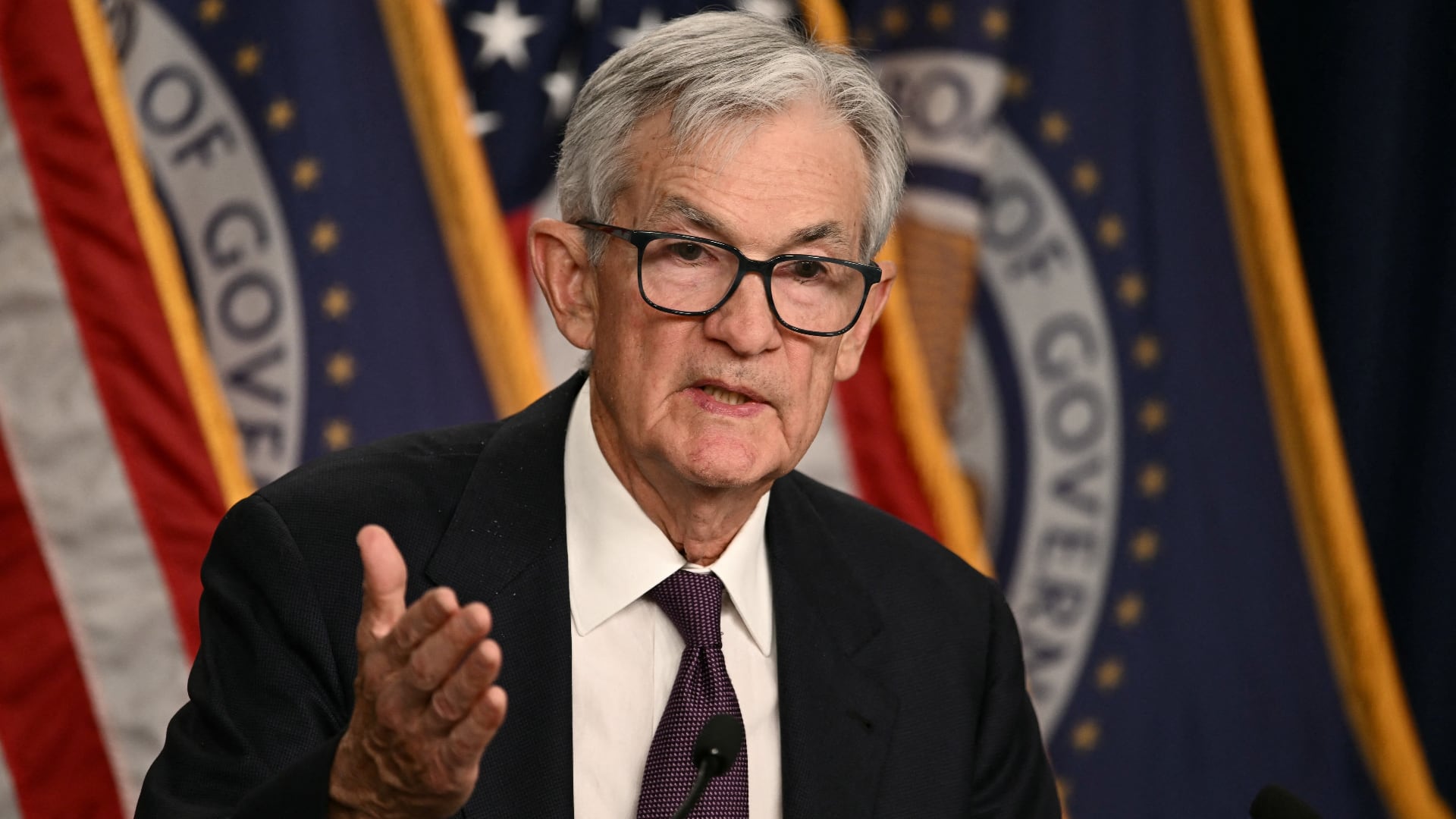
“The key message here is that Chair Powell’s oft-expressed fear of the risk of a wage-price spiral is no longer realistic," said Pantheon Macroeconomics in a research brief.
The central bank's Federal Open Market Committee (FOMC) is currently meeting to discuss its next rate hike, and Powell is scheduled to announce the decision Wednesday afternoon.