Cars have the ability to connect with apps such as Spotify or Apple Music, but what’s next for in-auto entertainment?
Volvo says it’s all about the apps.
“The best apps...making those super easy to use,” Atif Rafiq, the company’s Chief Digital Officer, told Cheddar. “That’s what we’re focused on.”
But it doesn’t stop there.
Volvo plans to make all of its fleets “at least” hybrid by 2019, an effort to build on its electric and self-driving car initiatives. The company recently announced that it will provide Uber with 24,000 XC90s, for its self-driving fleets.
Rafiq says that the Uber partnership is reflective of where the car industry is moving: autonomous driving as a service.
“We’re focused on both the consumer and these B2B markets when it comes to autonomous driving,” he said.
For full interview [click here](https://cheddar.com/videos/how-volvo-is-driving-innovation-in-2018).
Anne Price, President of The Insight Center for Community Economic Development, talks about the Fed's approach to tackling inflation and how the policy changes disproportionality impact low-income and multicultural households.
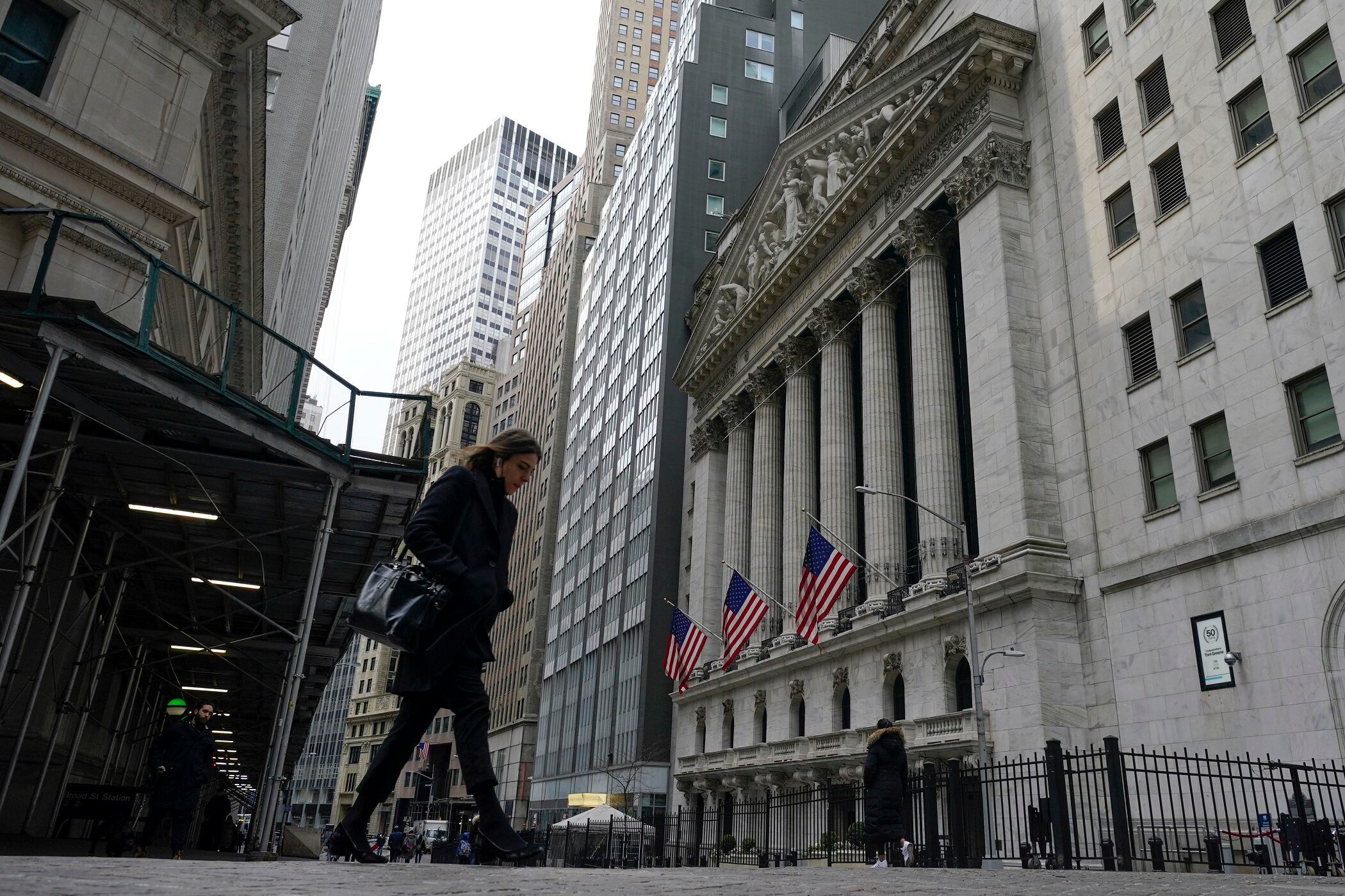
Francis Oh, APAC CEO of Qraft Technologies, discusses the market reaction after FOMC members signal they're in favor of more aggressive rate hikes and how geopolitical pressures may impact the Fed's inflation target.
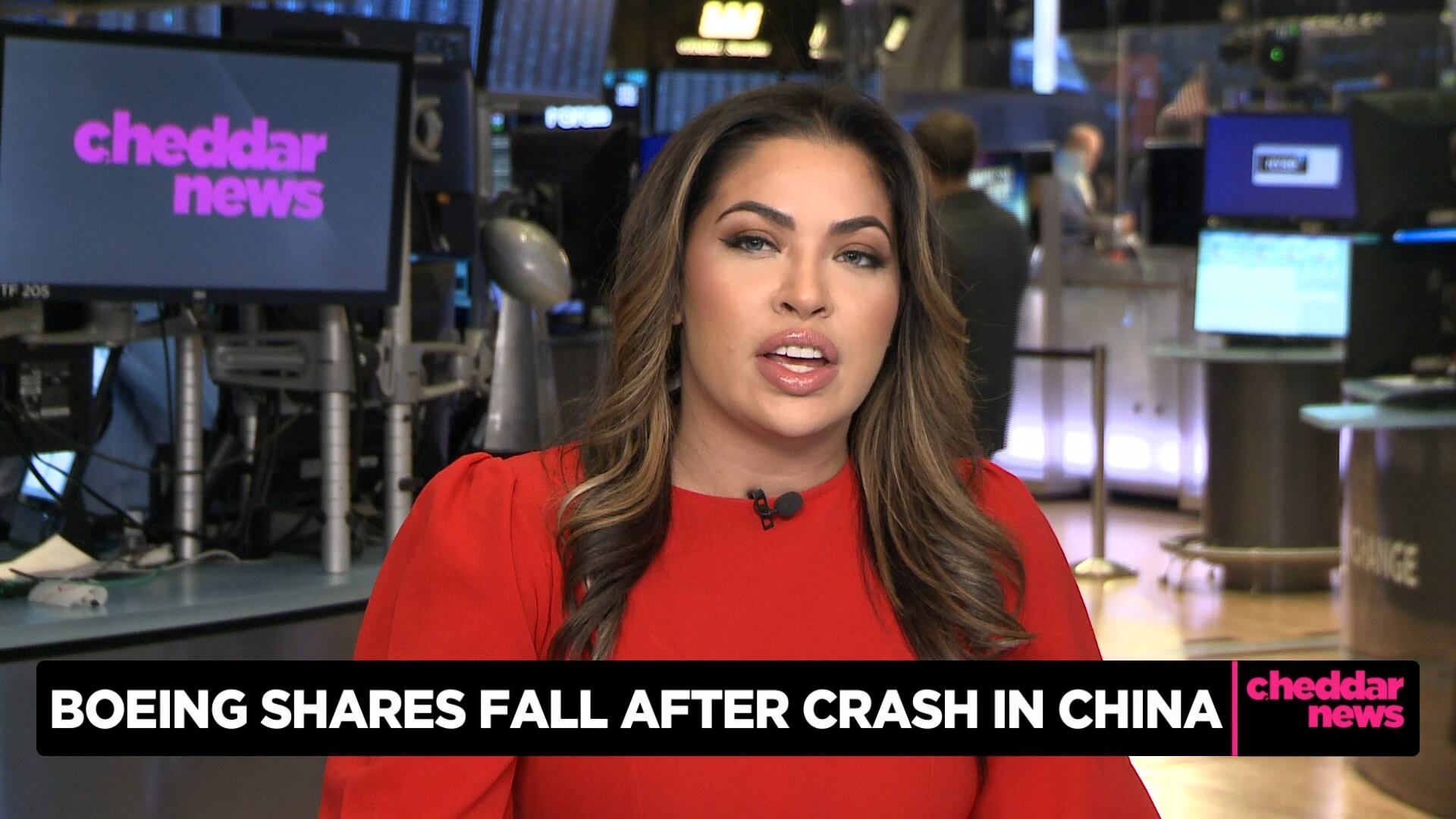
Boeing shares saw a pullback after a 737-800 aircraft with 132 people on board nosedived mid-flight, crashing into the mountains of Southern China. China's Eastern Airlines plane was not a 737-Max model, which was grounded worldwide after two fatal crashes in 2018 and 2019, but it's once again raising questions about the safety of Boeing's aircraft. Michael Boyd, CEO of Boyd Group International, gave Opening Bell his take on what another crash means for Boeing.