Cars have the ability to connect with apps such as Spotify or Apple Music, but what’s next for in-auto entertainment?
Volvo says it’s all about the apps.
“The best apps...making those super easy to use,” Atif Rafiq, the company’s Chief Digital Officer, told Cheddar. “That’s what we’re focused on.”
But it doesn’t stop there.
Volvo plans to make all of its fleets “at least” hybrid by 2019, an effort to build on its electric and self-driving car initiatives. The company recently announced that it will provide Uber with 24,000 XC90s, for its self-driving fleets.
Rafiq says that the Uber partnership is reflective of where the car industry is moving: autonomous driving as a service.
“We’re focused on both the consumer and these B2B markets when it comes to autonomous driving,” he said.
For full interview [click here](https://cheddar.com/videos/how-volvo-is-driving-innovation-in-2018).
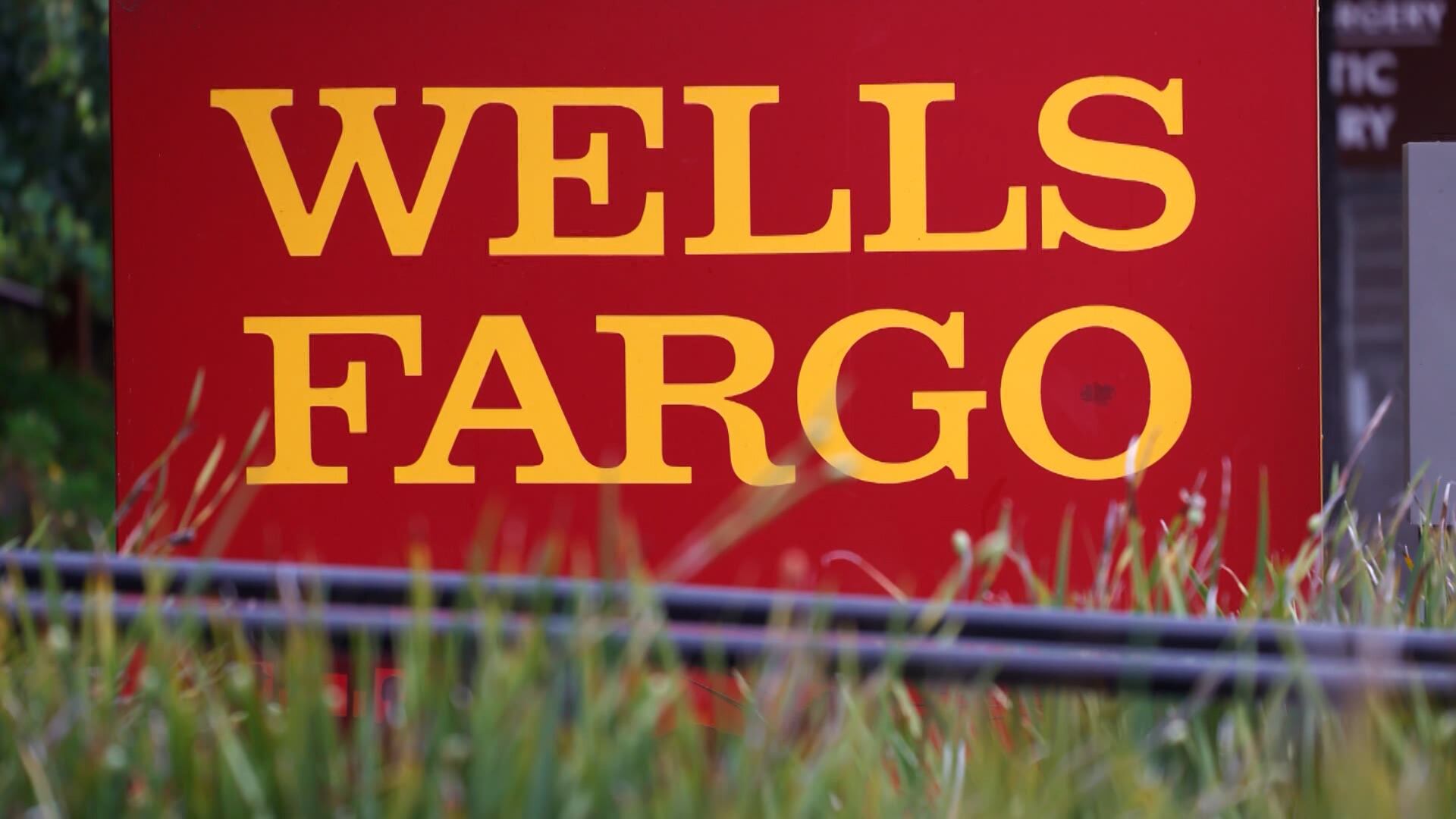
A recent report in Bloomberg revealed widespread discrimination against Black homeowners, making the wealth gap in our country even wider. The report found Wells Fargo rejected more than half of Black applicants seeking to refinance their homes in 2020 while approving over 70% of white applicants. Brad Lander, NYC comptroller, joins Cheddar News to discuss how the city is taking action in response to these reports.
As TikTok grows in popularity, so does its ad revenue potential. Research firm Insider Intelligence forecasts the app's revenue will likely triple in 2022 to more than $11 billion, putting it past the sales of both Twitter and Snapchat combined. Cheddar News takes a closer look.
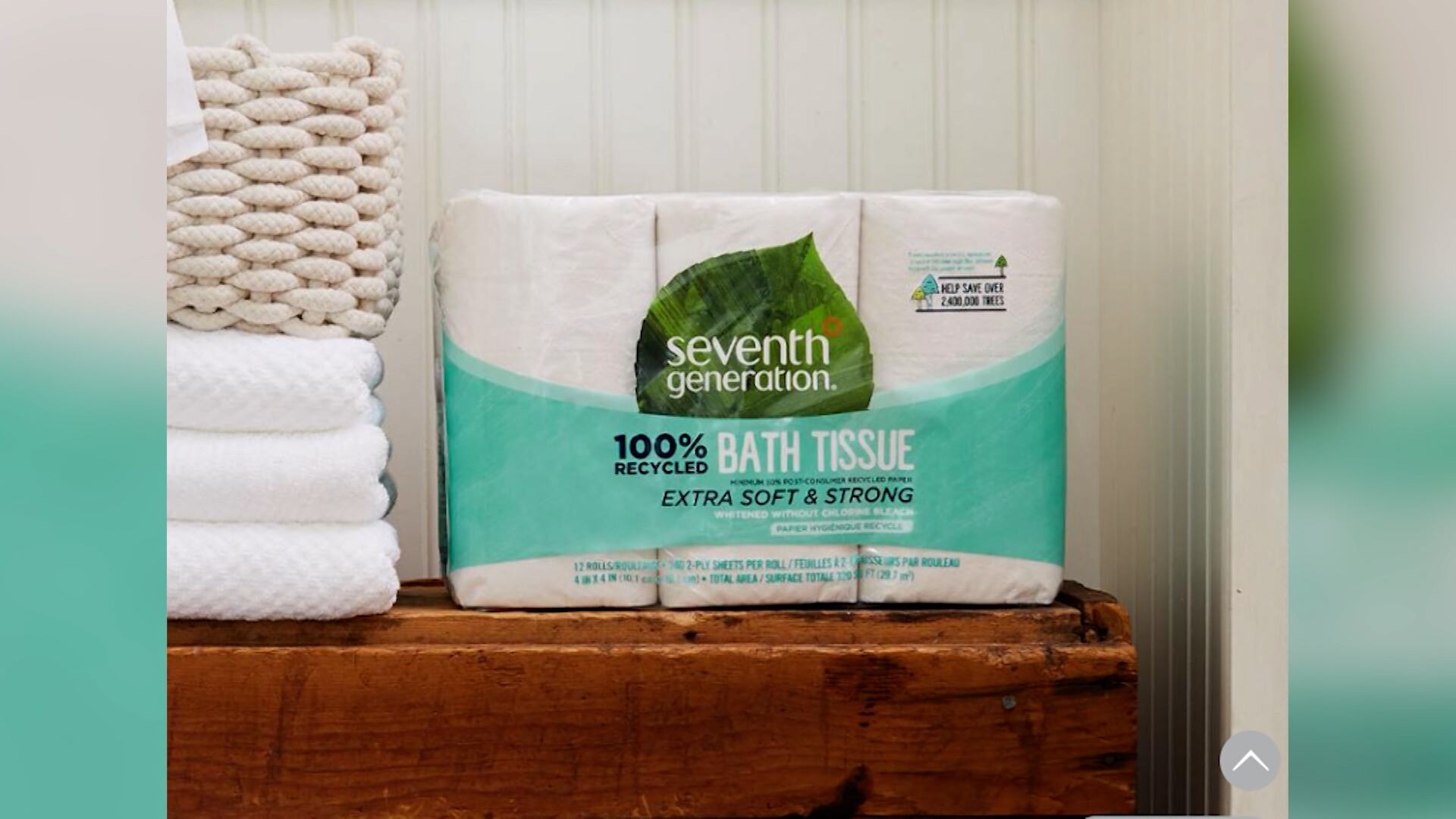
Alison Whritenour, CEO of Seventh Generation, a Unilever brand of home care that focuses on sustainability and green initiatives, joined Cheddar News to talk about the push to put sustainability at the forefront of its product line. "One of the biggest things that we're driving right now is concentration, and so making sure that consumers — while they're re-adapting to their lifestyle post-pandemic and continuing to make choices that suit their home — know that there's a better for you less waste option available," she said about its more highly-concentrated cleaning solutions.
The new Netflix documentary "White Hot: The Rise & Fall of Abercrombie & Fitch" dives into how the once apparel retailer used an exclusionary business model, focusing on the "popular and cool kids," to thrive for years until its discriminatory culture and practices led to a consumer backlash. Anthony Ocampo, a professor of sociology at Cal Poly Pomona and former Abercrombie & Fitch employee, and Ben O’Keefe, a social change activist and head of diversity and impact production at Creator+, discussed the film and the retailer's rebranding in light of many allegations brought against it. "I got a job at Abercrombie & Fitch, and I worked there for a couple of weeks. But then when I went back to that same store after the academic year ended to get my job back, I was told by someone, I'm sorry, we can't rehire you because we already had too many Filipinos working at this store," Ocampo said.