Cars have the ability to connect with apps such as Spotify or Apple Music, but what’s next for in-auto entertainment?
Volvo says it’s all about the apps.
“The best apps...making those super easy to use,” Atif Rafiq, the company’s Chief Digital Officer, told Cheddar. “That’s what we’re focused on.”
But it doesn’t stop there.
Volvo plans to make all of its fleets “at least” hybrid by 2019, an effort to build on its electric and self-driving car initiatives. The company recently announced that it will provide Uber with 24,000 XC90s, for its self-driving fleets.
Rafiq says that the Uber partnership is reflective of where the car industry is moving: autonomous driving as a service.
“We’re focused on both the consumer and these B2B markets when it comes to autonomous driving,” he said.
For full interview [click here](https://cheddar.com/videos/how-volvo-is-driving-innovation-in-2018).
Cloud contact center software company Five9's shareholders voted against the $14.7 billion all-stock acquisition deal from Zoom. A return to offices and in-person meetings have been cited for at least some of the reasons the deal ultimately fell through.
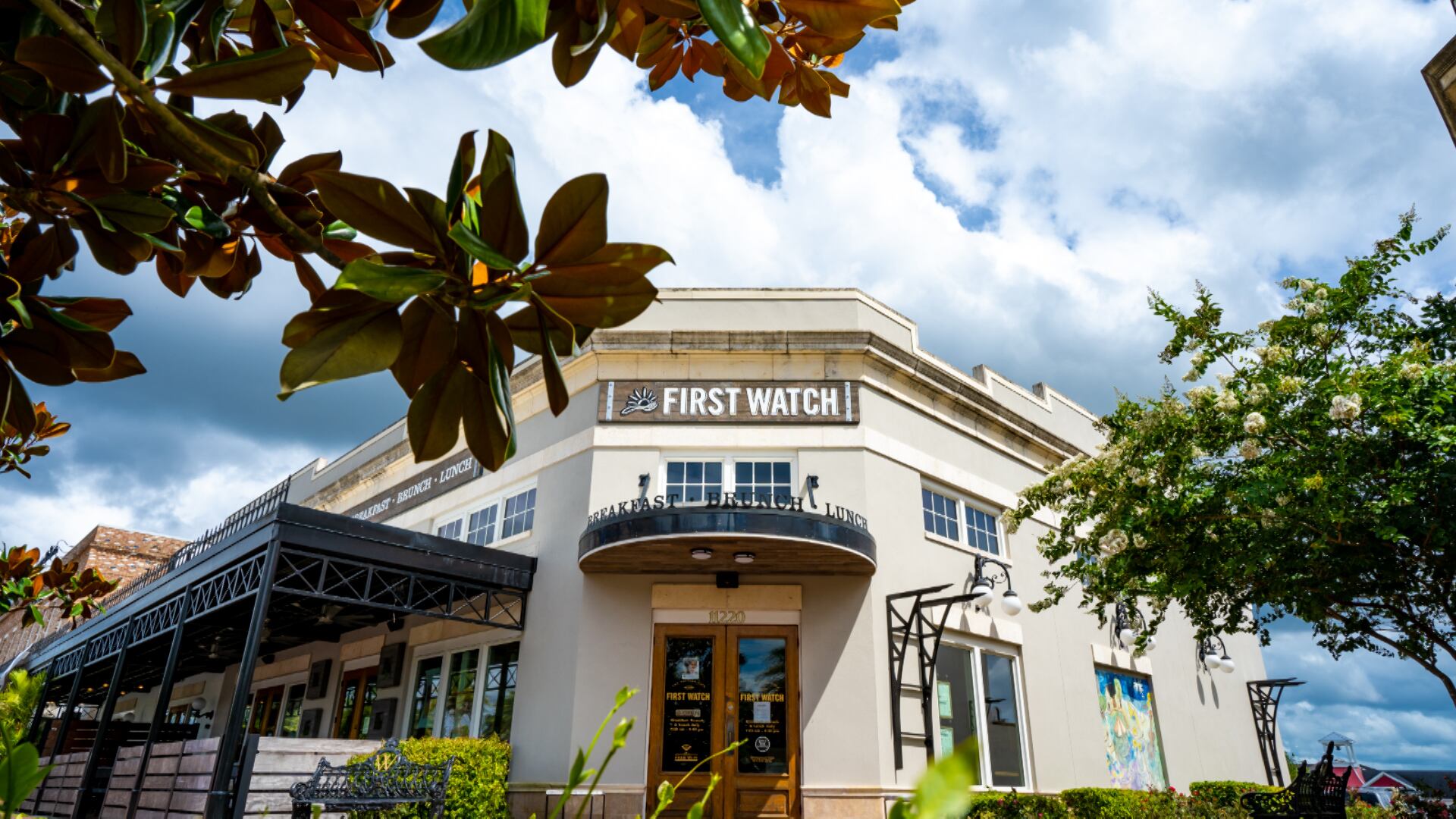
Restaurant chain First Watch made its public debut on Nasdaq under the ticker symbol FWRG. CEO and President Chris Tomasso joined Cheddar’s "Opening Bell" to discuss the IPO launch and how the chain distinguishes itself from others in the restaurant space with its daytime-only concept. Tomasso also talked about how his company was able to adapt to the pandemic and retain employees as eateries reopened.
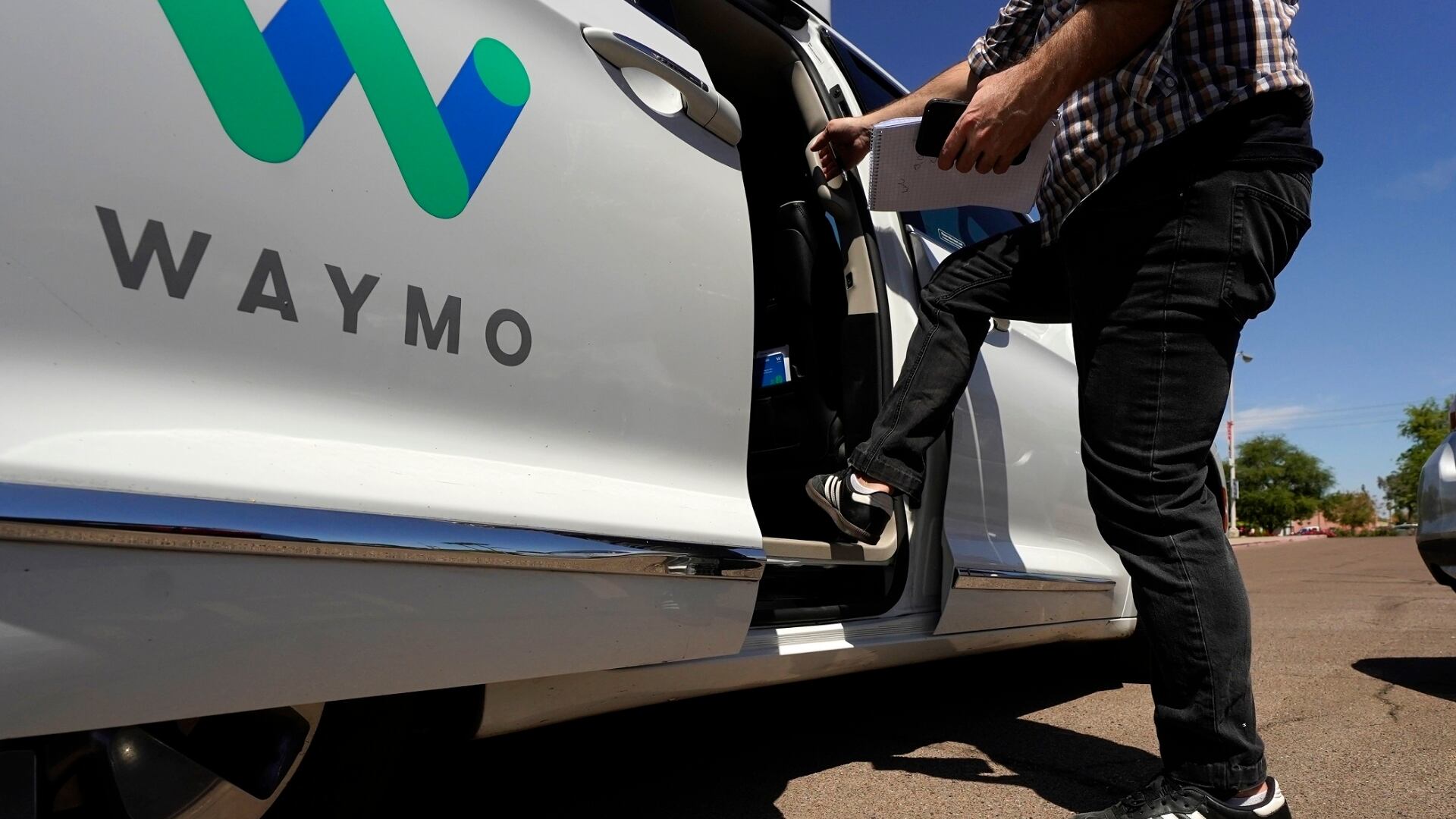
Autonomous car companies Waymo and Cruise are one step closer to offering driverless ridesharing in California after receiving approval from the state's DMV to begin charging fees for their services. Both companies still need approval from the California Public Utilities Commission before offering rides to the public.