Cars have the ability to connect with apps such as Spotify or Apple Music, but what’s next for in-auto entertainment?
Volvo says it’s all about the apps.
“The best apps...making those super easy to use,” Atif Rafiq, the company’s Chief Digital Officer, told Cheddar. “That’s what we’re focused on.”
But it doesn’t stop there.
Volvo plans to make all of its fleets “at least” hybrid by 2019, an effort to build on its electric and self-driving car initiatives. The company recently announced that it will provide Uber with 24,000 XC90s, for its self-driving fleets.
Rafiq says that the Uber partnership is reflective of where the car industry is moving: autonomous driving as a service.
“We’re focused on both the consumer and these B2B markets when it comes to autonomous driving,” he said.
For full interview [click here](https://cheddar.com/videos/how-volvo-is-driving-innovation-in-2018).
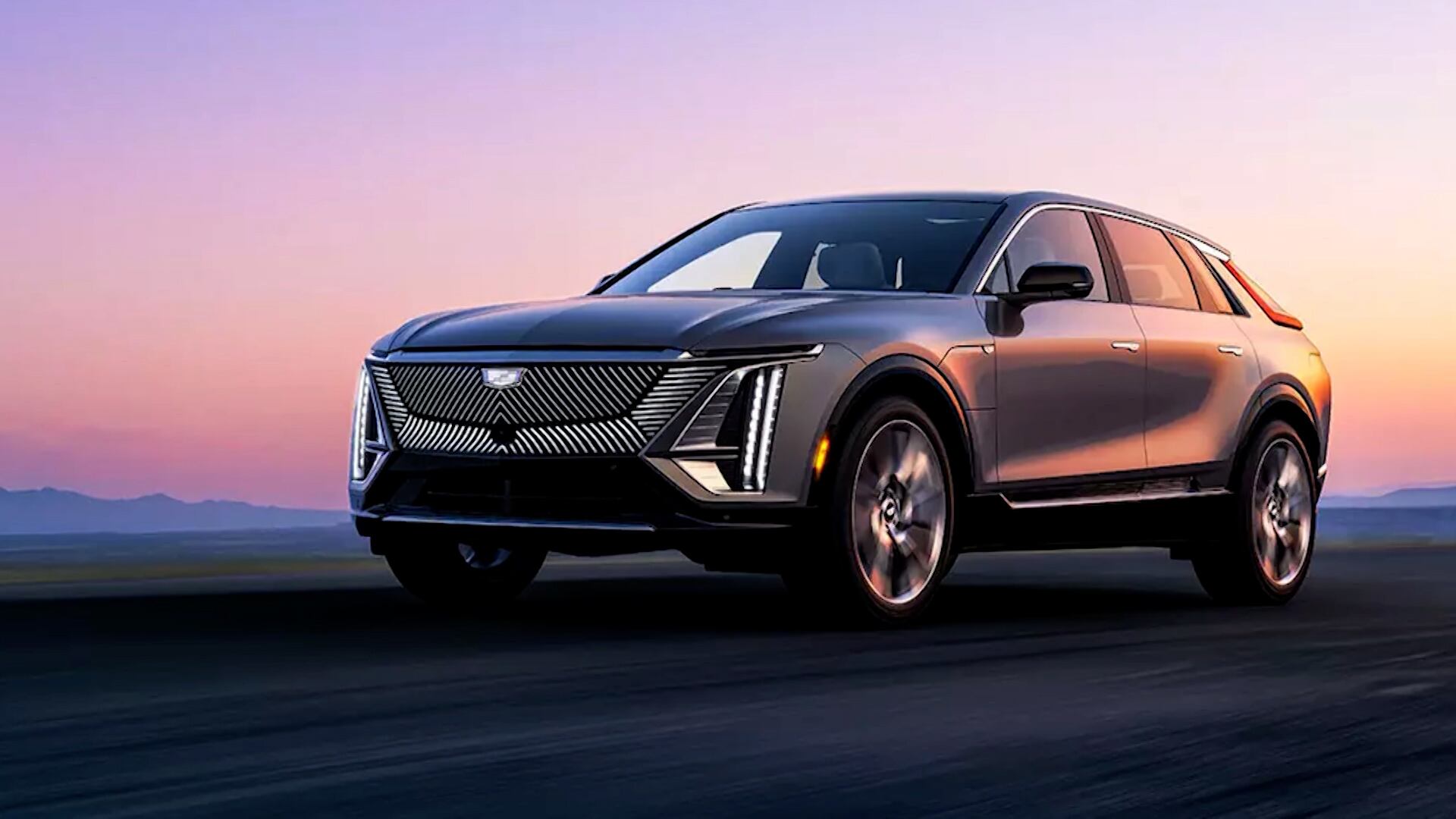
Cadillac is launching its first ever all-electric vehicle. The 2023 Lyriq boasts an estimated 300 mile range, $60,000 dollar starting price, a 33-inch advanced LED display, among many other features. The rollout comes as Cadillac has posted record third quarter global sales and plans to become all-electric by 2030. Rory Harvey, vice president of Cadillac, joined Cheddar to discuss what drivers can expect from the Lyriq, and how the brand has been able to deal with the ongoing chip shortage.
Octavio Marenzi, Founder & CEO of Opimas, discusses how labor participation is directly correlated with wage pressures and why supply chain issues are having little effect on earnings from the retail sector.
Philip Palumbo, Founder, CEO & Chief Investment Officer of Palumbo Wealth Management, discusses why wage pressure could impact earnings going forward and talks about the valuation mismatch within the tech sector.
Adam Coons, Portfolio Manager at Winthrop Capital Management, explains why supply chain constraints are the biggest risk to markets and which sectors are poised to outperform if interest rates rise.
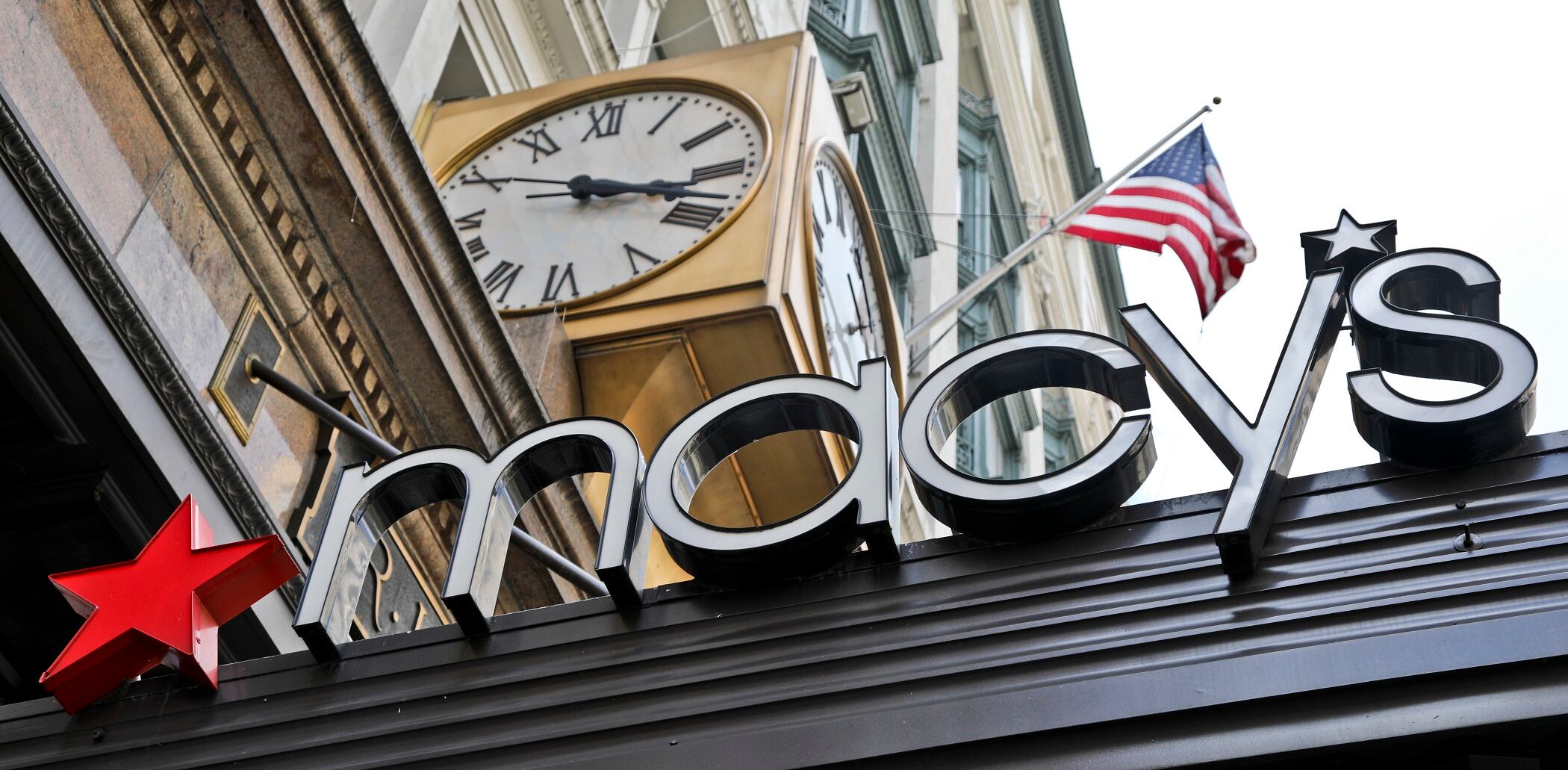
Macy's reported a Q3 earnings beat and raked in $5.4 billion in revenue. The department store giant also said it is equipped to handle the expected holiday shopping rush. The company also announced it would be launching its own curated digital marketplace in 2022.
Zumba Fitness CEO Alberto Perlman joined Cheddar's "Between Bells" to talk about the rise in demand for in-person training after the company saw a 55 percent jump in scheduled classes over Q3. Perlman noted that while demand for in-person training is increasing, the pandemic exposed a market for at-home sessions that will likely persist even after it ends. "The world is becoming hybrid, and people are finding ways to fit in two workouts a week at home and then three workouts at the gym. And our instructors are perfectly positioned to adapt to those environments," he said.
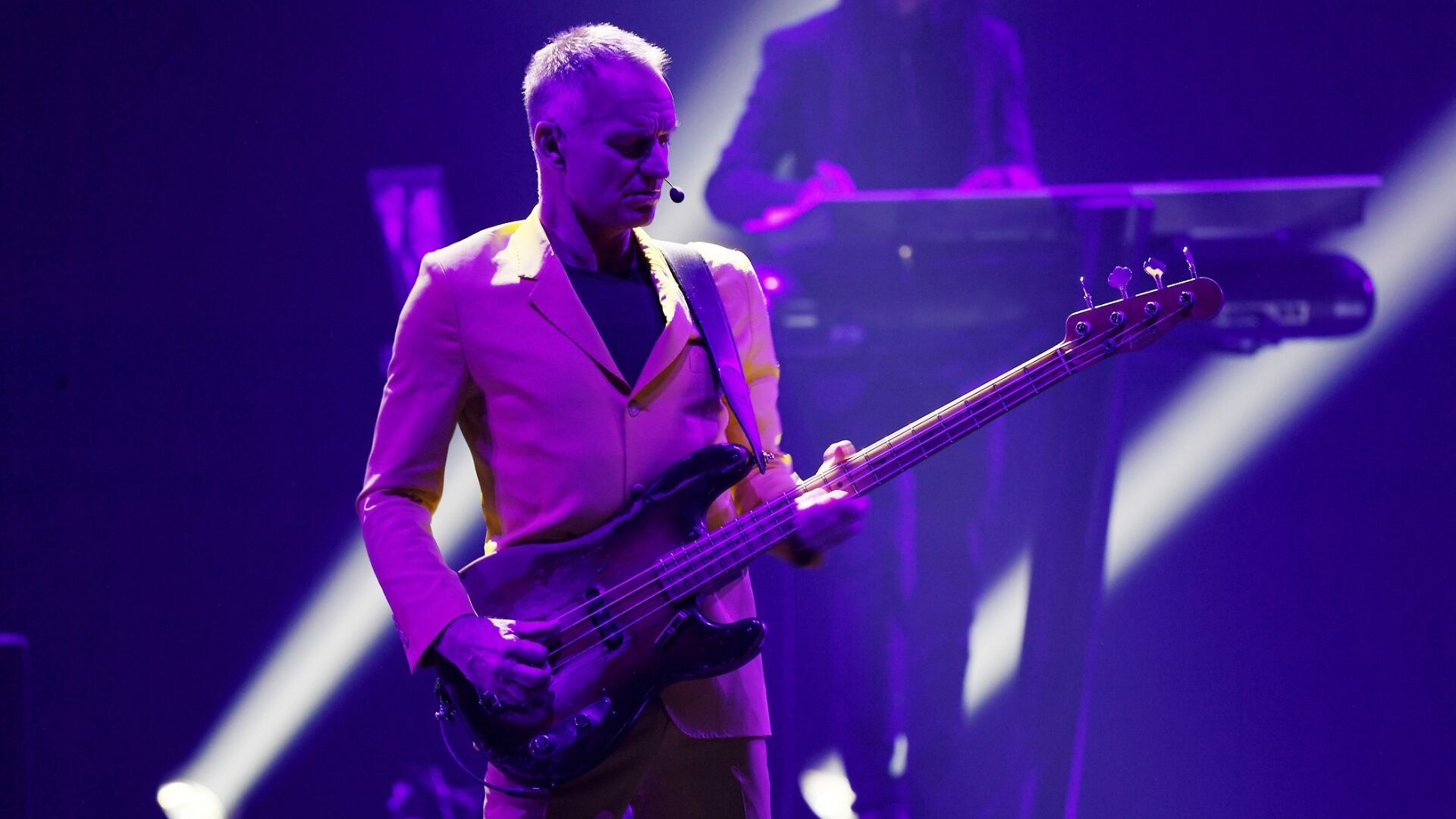
Sting is the latest recording artist looking to unload his music catalog — for a staggering $250 million. Universal Music Group is said to be at the top of the list of suitors but the pop star's hits could still end up remaining with Sony.
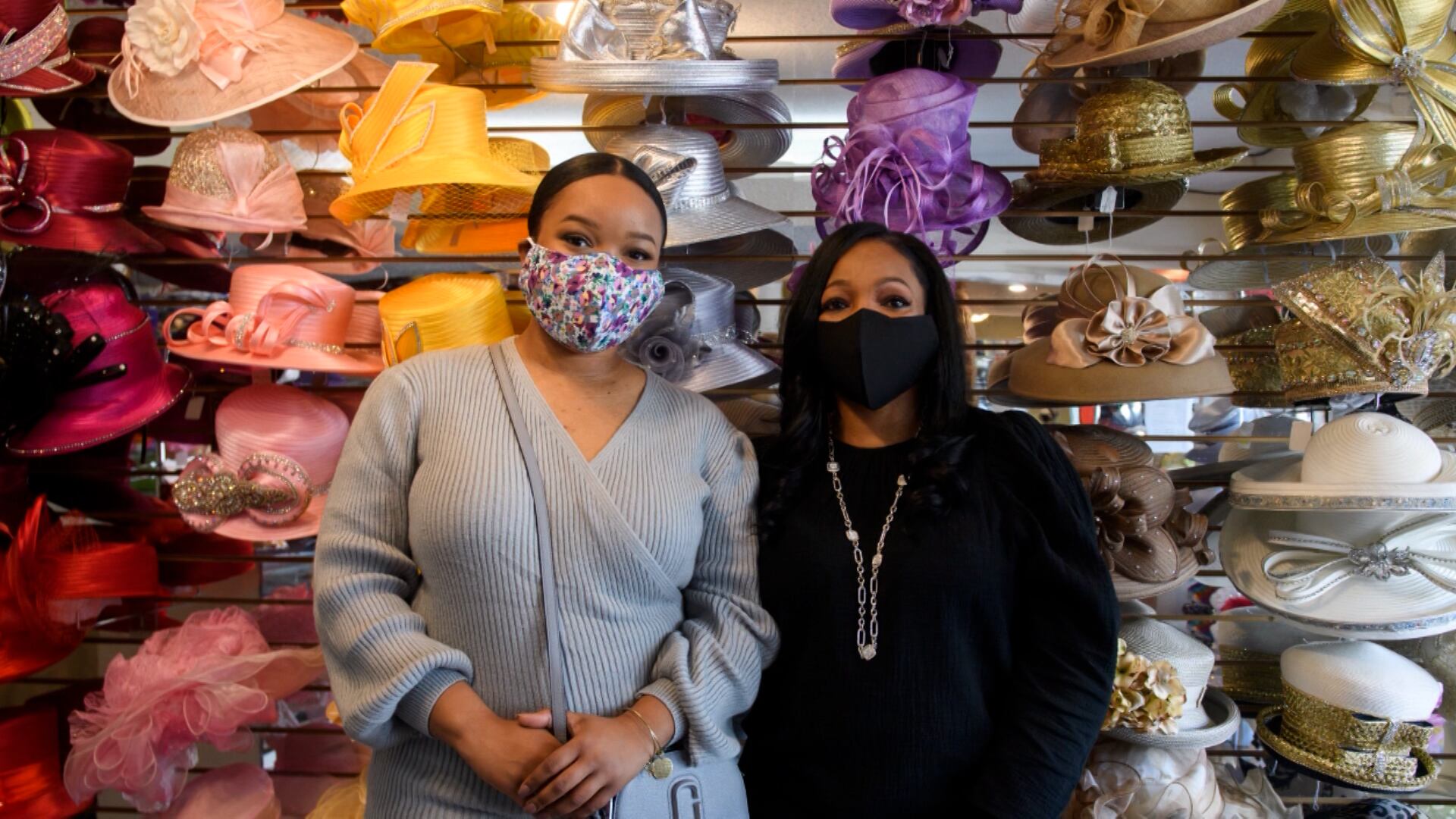
Greenwood, a digital banking platform aimed at supporting Black and Latino businesses and clients, is launching its very own GreenBook. Named after the historic publication for Black travelers during the era of Jim Crow, the online guide will provide a directory of Black- and Latino-owned businesses across the country. Ryan Glover, the founder and chairman of Greenwood, joined Cheddar to provide additional details about the listings.
Apple is reversing course on its in-house repair policy amid the ongoing pressure from right-to-repair advocates and will roll out a self-service option allowing customers to repair and replace some parts on some iPhones themselves.
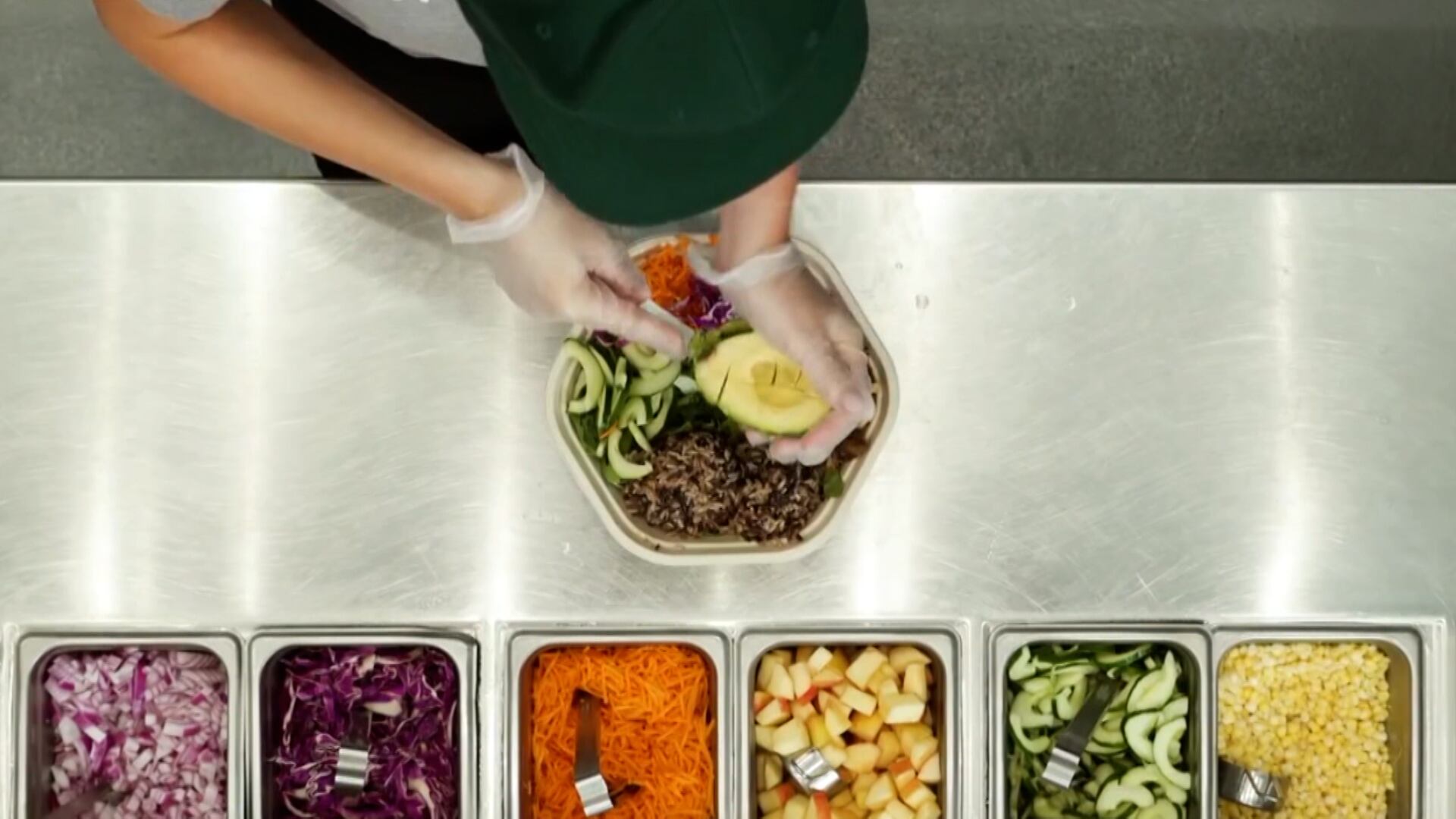
Greg Martin, the co-founder of Rainmaker Securities, joined Cheddar to talk about fast-casual restaurant chain Sweetgreen's IPO launch on the New York Stock Exchange. Martin said he is not confident the market will react positively to the launch and expects volatility ahead because "when you look at their metrics, they're good but not great." He also noted that it might take investors a while to figure out exactly what the brand is as it balances between being a traditional restaurant and a tech-enabled food platform.