Cars have the ability to connect with apps such as Spotify or Apple Music, but what’s next for in-auto entertainment?
Volvo says it’s all about the apps.
“The best apps...making those super easy to use,” Atif Rafiq, the company’s Chief Digital Officer, told Cheddar. “That’s what we’re focused on.”
But it doesn’t stop there.
Volvo plans to make all of its fleets “at least” hybrid by 2019, an effort to build on its electric and self-driving car initiatives. The company recently announced that it will provide Uber with 24,000 XC90s, for its self-driving fleets.
Rafiq says that the Uber partnership is reflective of where the car industry is moving: autonomous driving as a service.
“We’re focused on both the consumer and these B2B markets when it comes to autonomous driving,” he said.
For full interview [click here](https://cheddar.com/videos/how-volvo-is-driving-innovation-in-2018).
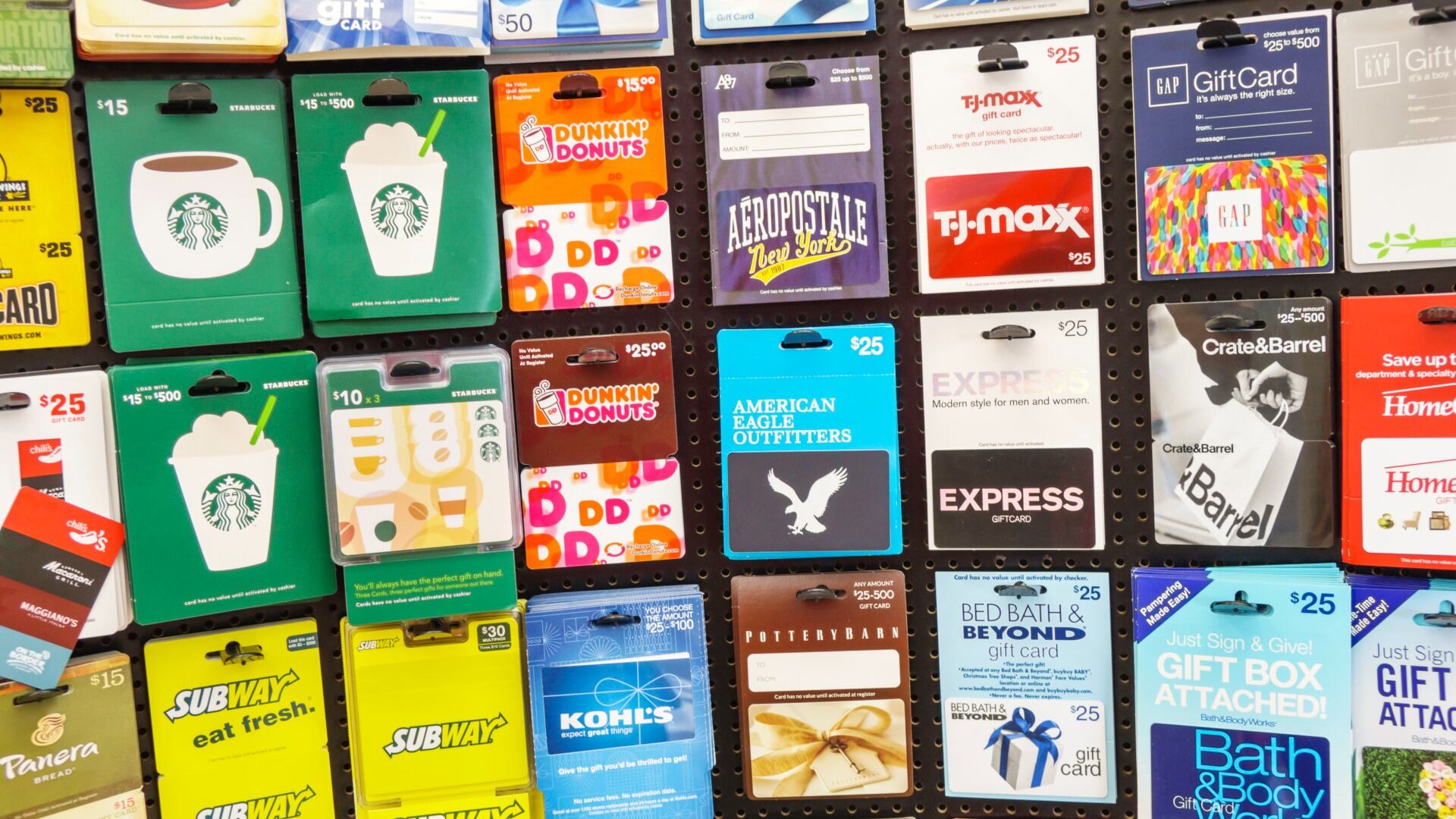
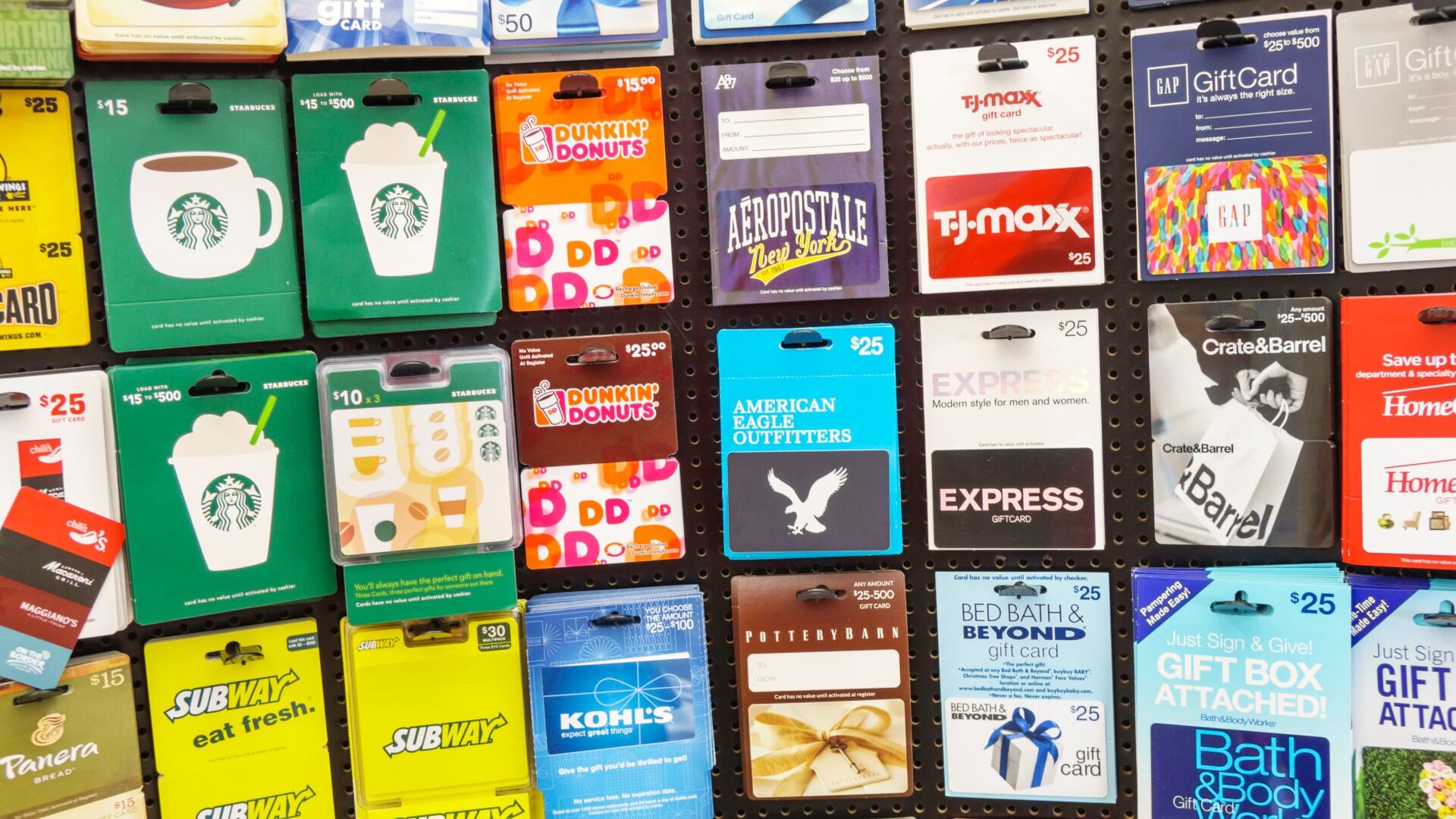
A report from financial services website Credit Summit found that 90 percent of Americans say they enjoy receiving gift cards but a staggering $21 billion locked inside them have gone unspent.
This photo provided by the U.S. Air Force shows a Navy F/A-18 Super Hornet in flight, July 17, 2019, after refueling over the Pacific Ocean near the coast of Brisbane, Australia. Boeing announced Thursday, Feb. 23, 2023, that it expects to end production of the F/A-18 Super Hornet fighter jet in late 2025 after a final delivery to the U.S. Navy. (Senior Airman Elora J. Martinez/U.S. Air Force via AP, File)