Volkswagen Wants a Driverless Taxi to Take You Home
A new Silicon Valley start-up wants to make driverless vehicles accessible to the masses, and is teaming up with Volkswagen and Hyundai to do it.
“Our goal at Aurora is to provide the driver,” said Chris Urmson, the company’s CEO and the former technology chief of Google’s Waymo. “Our partners build vehicles. They understand their customers, and they understand the businesses they want to be in. And we are going to provide them the capabilities for their vehicles to drive around.”
“We think that by developing a driver with a variety of other companies, we can actually make it better and safer, quicker.”
Aurora plans to develop fleets of self-driving electric taxis to roll out across major cities. Urmson told Cheddar that the company will be working with city governments to ensure a reliable system.
Founded about a year ago by Urmson, robotics expert Drew Bagnell, and Tesla alum Sterling Adelson, Aurora also announced a partnership this week with Nvidia to use the chip maker’s products in its autonomous systems.
For full interview [click here](https://cheddar.com/videos/why-the-worlds-biggest-automakers-are-turning-to-this-company-for-self-driving-technology).
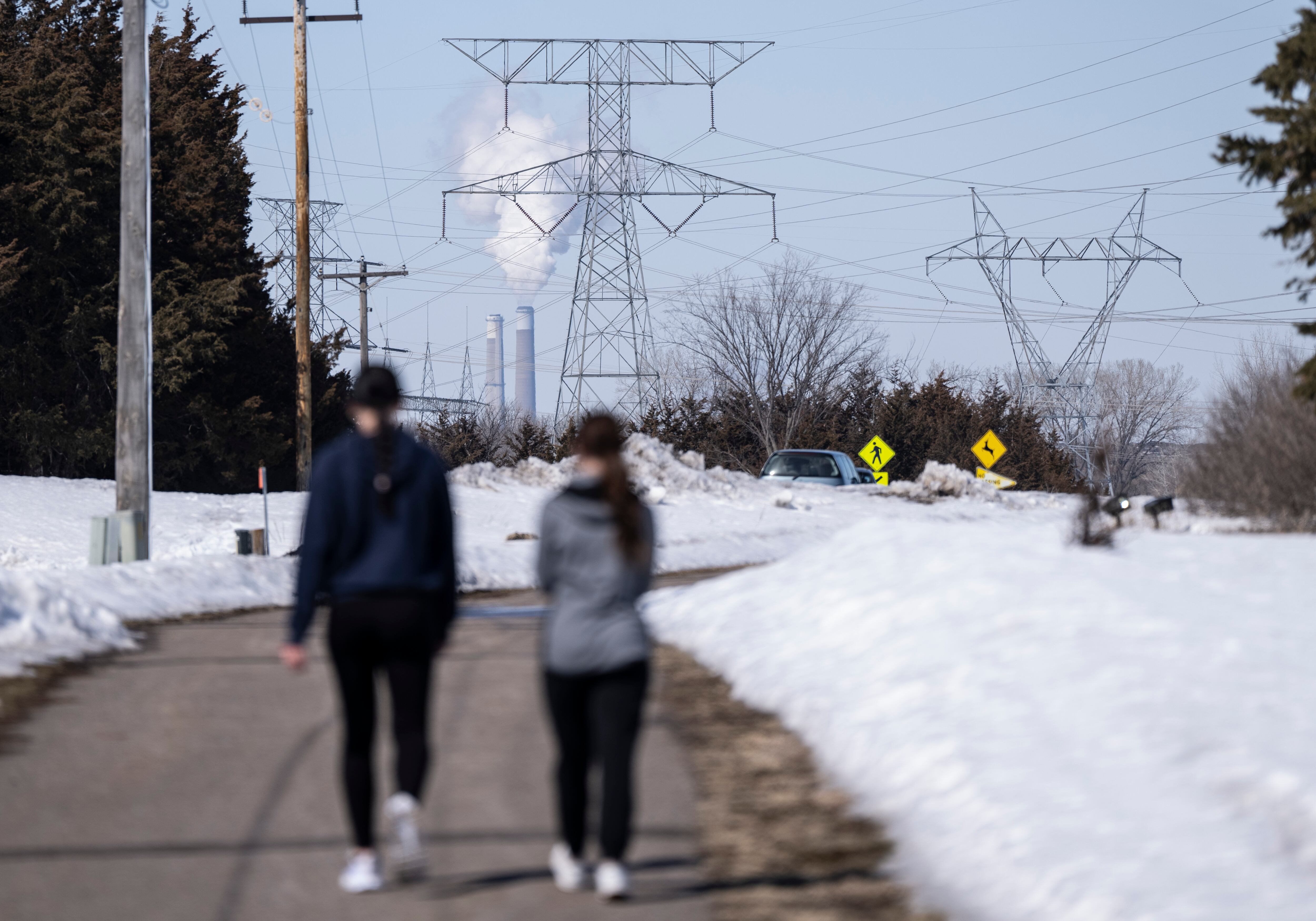
A Minnesota utility began shutting down a nuclear power plant near Minneapolis on Friday after discovering water containing a low level of radioactive material was leaking from a pipe for the second time. While the utility and health officials say it is not dangerous, the issue has prompted concerns among nearby residents and raised questions about aging pipelines.
Some parts of Twitter's source code — the fundamental computer code on which the social network runs — were leaked online, the social media company said in a legal filing that was first reported by The New York Times.
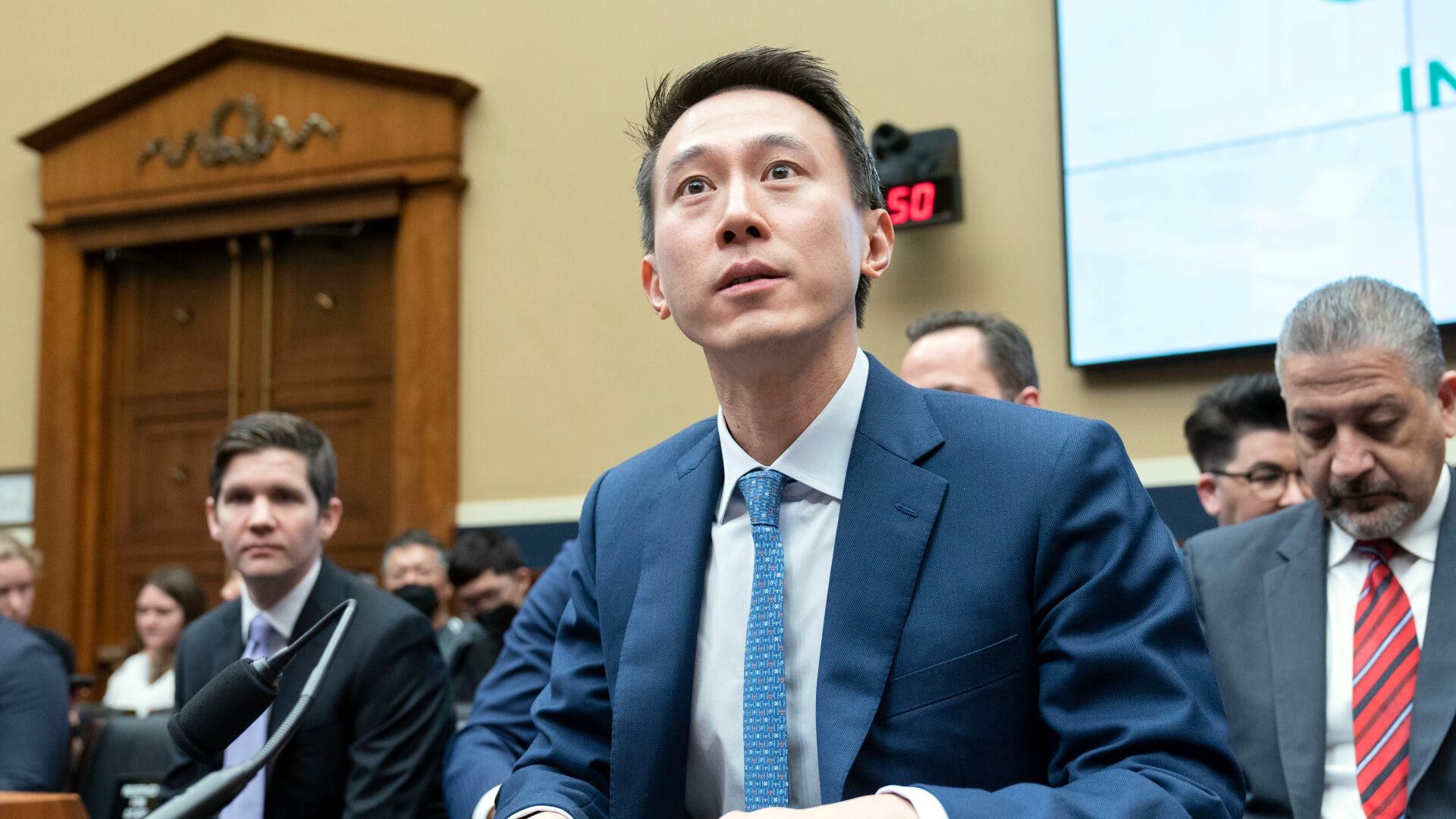
While data privacy still remains one of TikTok's biggest challenges, it may face a larger problem in order to stay in the United States: content moderation.
Governor Spencer Cox signed two measures restricting how easily children in the state can access platforms like TikTok and Twitter, setting the precedent in the U.S.