Volkswagen is making its first all-electric SUV available to American customers with deliveries to U.S. dealerships beginning this month.
"Obviously there's a movement at hand, and Volkswagen likes to lead and likes to be part of the movement," Volkswagen Group of America CEO Scott Keogh told Cheddar. "We think electric vehicles are ready to explode. It's already happening worldwide, and we want to be part of the lead."
The ID.4 model is currently manufactured in Germany and China but will begin U.S. production in 2022. Volkswagen's plant in Chattanooga, Tennessee, will produce the electric vehicle locally.
Keogh said the ID.4 was competitive at $39,995 but noted that the federal tax credit for electric vehicles helped put the model right in the "sweet spot" for the U.S. car market.
"Make no mistake, I think it is important," he said of the credit. "This is technology we want to have adopted. It's technology we want embraced by all American consumers, and certainly, the $7,500 tax credit helps build and lengthen that runway to get this off the ground."
The German automaker's stock price has soared in recent weeks, even as industry leader Tesla's sky-high valuation has shrunk.
Keogh attributed this to "old auto" showing its strength in the new electric vehicle market.
"In any competitive industry, there never is just a number one," he said. "There's always a two, and there's always a three, and frankly Volkswagen has now joined the game."
He also said the market is responding to the company's commitment to the Paris Climate Agreement, and its plan to reach net-zero emissions by 2050.
"The market buys the future. The market believes the future, and right now they're believing us."
As for how the ID.4 stacks up to Tesla's Model Y, another fully electric SUV, Keogh touted Volkswagen's sales infrastructure and market penetration.
"We have 650 dealers across the country," he said. "They've been trained. We have EV specialists. They're ready to sell the car. They're ready to service the car. They're ready to embrace the car."
This footprint, he added, gives the company an edge in capturing new customers in the electric vehicle market, which is more important than clawing customers away from Tesla.
"We need internal combustion engine owners to look at this car," he said.
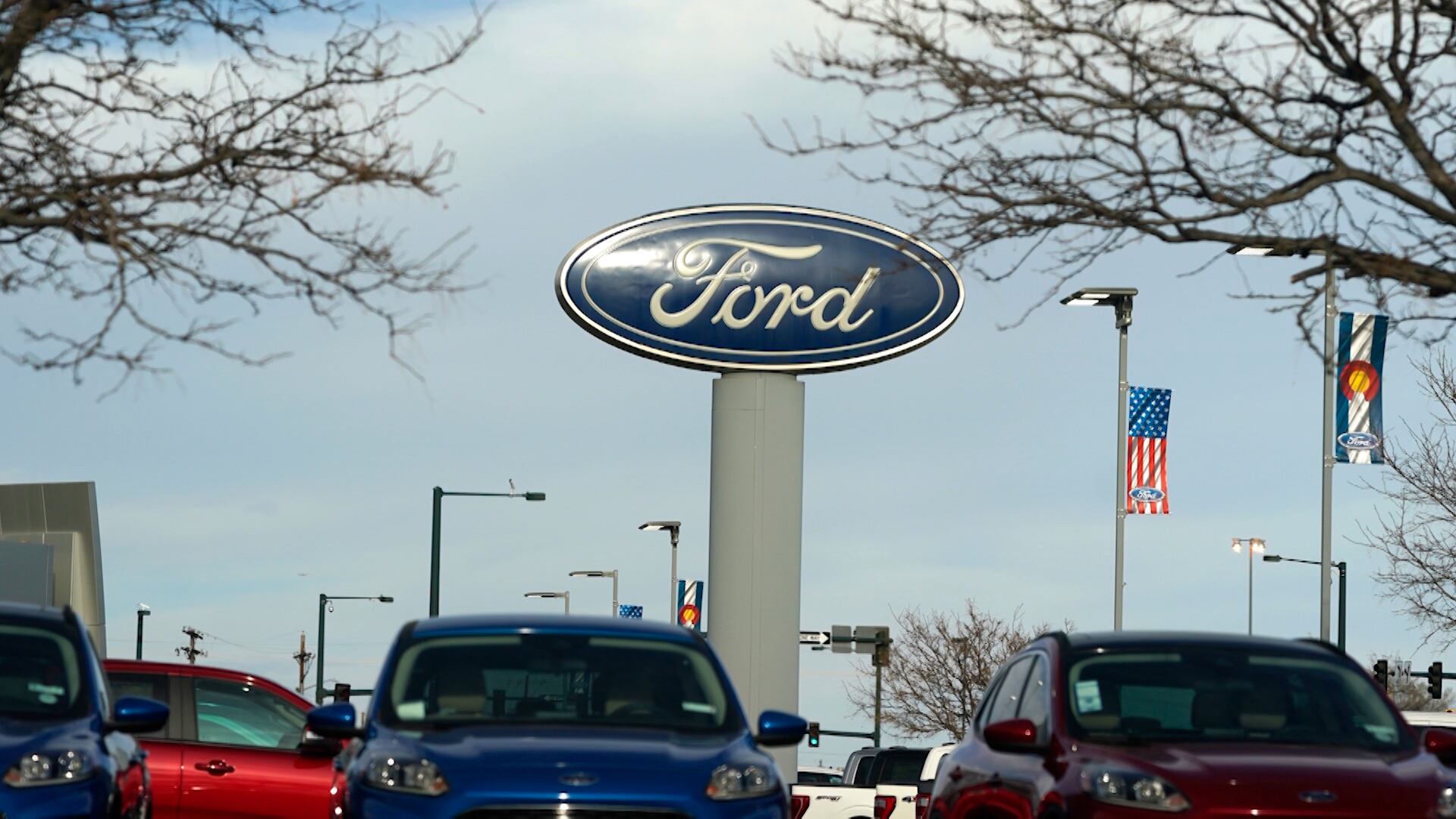
Garrett Nelson, Senior Analyst and VP of Equity Research at CFRA Research, joins Cheddar News' Closing Bell, where he breaks down where automakers like Ford, Tesla, Rivian, and Lucid currently stand at the start of 2022 and what we should expect to transpire in the upcoming year.
Fintech startup Milo has launched what it says to be the world's first crypto mortgage. As part of the offering, clients will be able to use Bitcoin as collateral to purchase property and qualify for a 30-year loan. Josip Rupena, CEO and Founder of Milo, joins Cheddar News' Closing Bell, where he explains how this offering is a winning solution for crypto investors who want to invest in real estate.
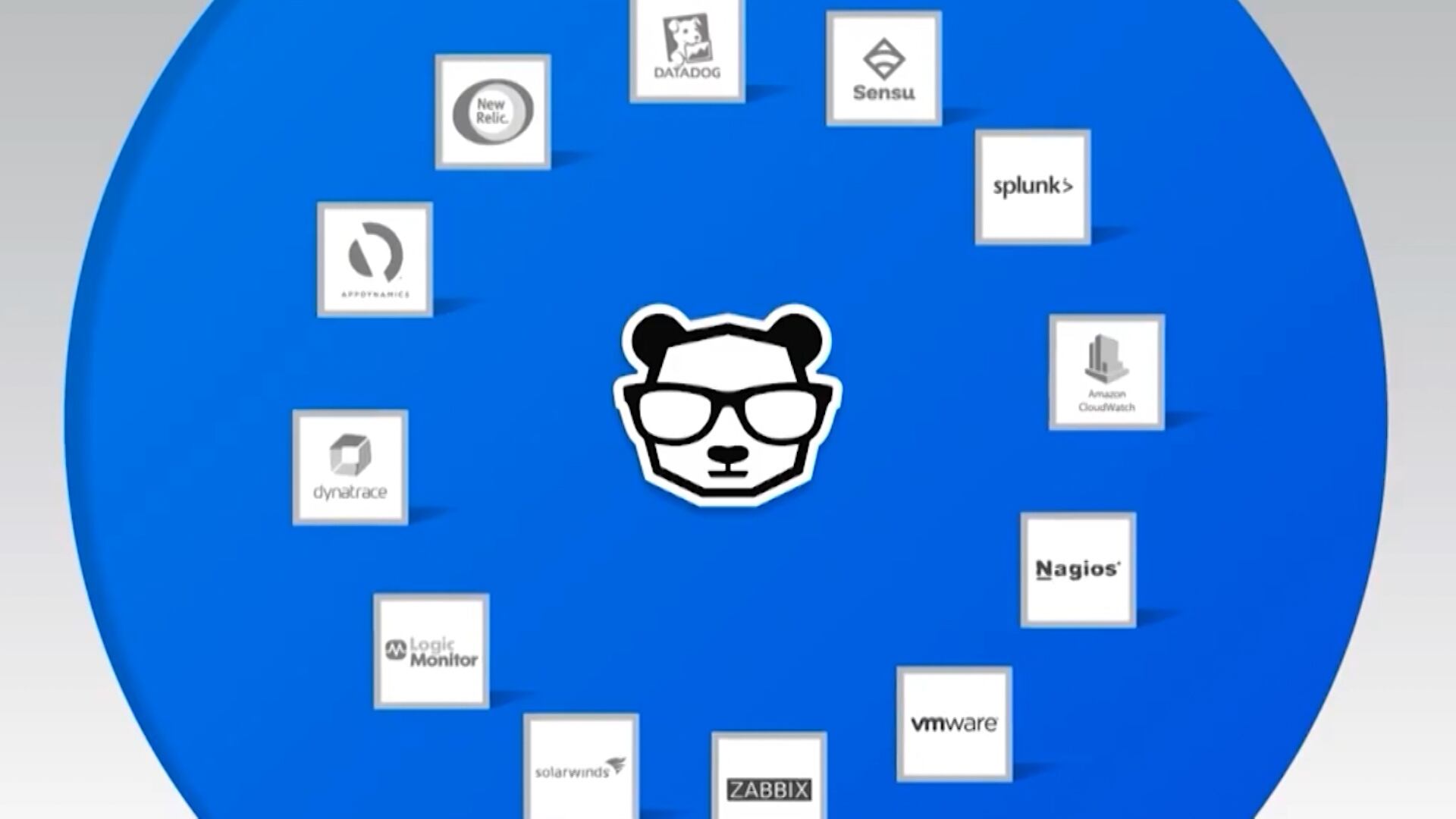
Software company BigPanda recently raised $190 million in Series D funding, led by Advent International and Insight Partners. The funding round gives the company unicorn status with a $1.2 billion valuation. BigPanda develops A.I. software that detects and analyzes problems in I.T. systems. The company says it aims to be the solution for other companies that do not have enough manpower to manage their data, as more and more industries continue to build a broader digital presence. BigPanda co-founder and CEO Assaf Resnick joined Cheddar News' Closing Bell to discuss.
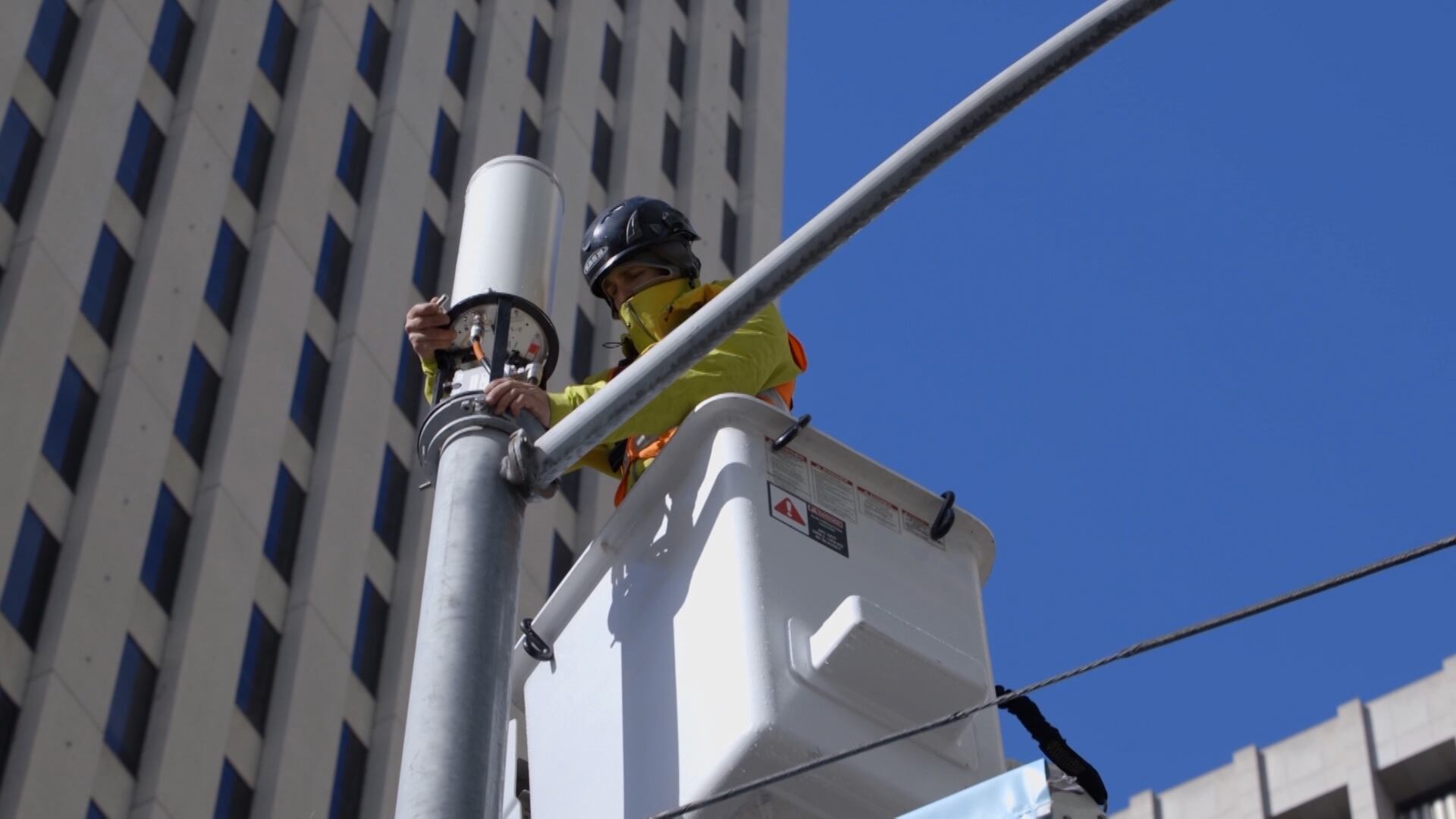
AT&T and Verizon have agreed to delay activating their 5G services around airports due to safety concerns. This comes after major U.S. airlines voiced their concern over the rollout of 5G technology, warning of an impending "catastrophic" aviation crisis. Hugh Odom, founder and president of Vertical Consultants, telecom expert, and former AT&T attorney, joined Cheddar Movers to discuss.
Melissa Armo, founder and CEO of The Stock Swoosh, breaks down the factors affecting profitability for banks this year and highlights opportunities within the financial sector.
While more inflation means higher prices, some businesses are looking for alternatives to avoid scaring off their customers. 'Shrinkflation,' a fancy word for downsizing, happens when companies reduce the size or quantity of their products while still charging the same prize... or even more.
Chris Markowski, 'Watchdog on Wall Street' host and president of Markowski Investments, joins Cheddar News to discuss.