A volcano spewed out ash for a second day Wednesday on Russia’s far eastern Kamchatka Peninsula, throwing clouds of dust high into the sky and blanketing wide areas.
Shiveluch, one of Kamchatka’s most active volcanoes, started erupting early Tuesday, spewing dust over 500 kilometers (more than 300 miles) northwest and engulfing several villages in grey volcanic dust in the largest fallout in nearly 60 years.
The Kamchatka branch of the Russian Academy of Sciences Geophysical Survey said the eruption continued Wednesday, spewing clouds of dust 10 kilometers (more than 6 miles) into the sky.
Since the start of the eruption, the area has been closed to aircraft and residents have been advised to stay indoors.
The villages located about 50 kilometers (some 30 miles) from the volcano, were covered by a 20-centimeter (nearly 8-inch) layer of dust. Residents posted videos showing the ash cloud plunging the area into darkness.
Shiveluch has two parts — the 3,283-meter (10,771-foot) Old Shiveluch, and the smaller, highly active Young Shiveluch.
The Kamchatka Peninsula, which extends into the Pacific Ocean about 6,600 kilometers (4,000 miles) east of Moscow, is one of the world’s most concentrated area of geothermal activity, with about 30 active volcanoes.
Alzheimer’s mainly affects the elderly, who are eligible for Medicare, but people under 65 — even, rarely, as young as their 30s — also can get diagnosed. They are more likely to have commercial coverage.
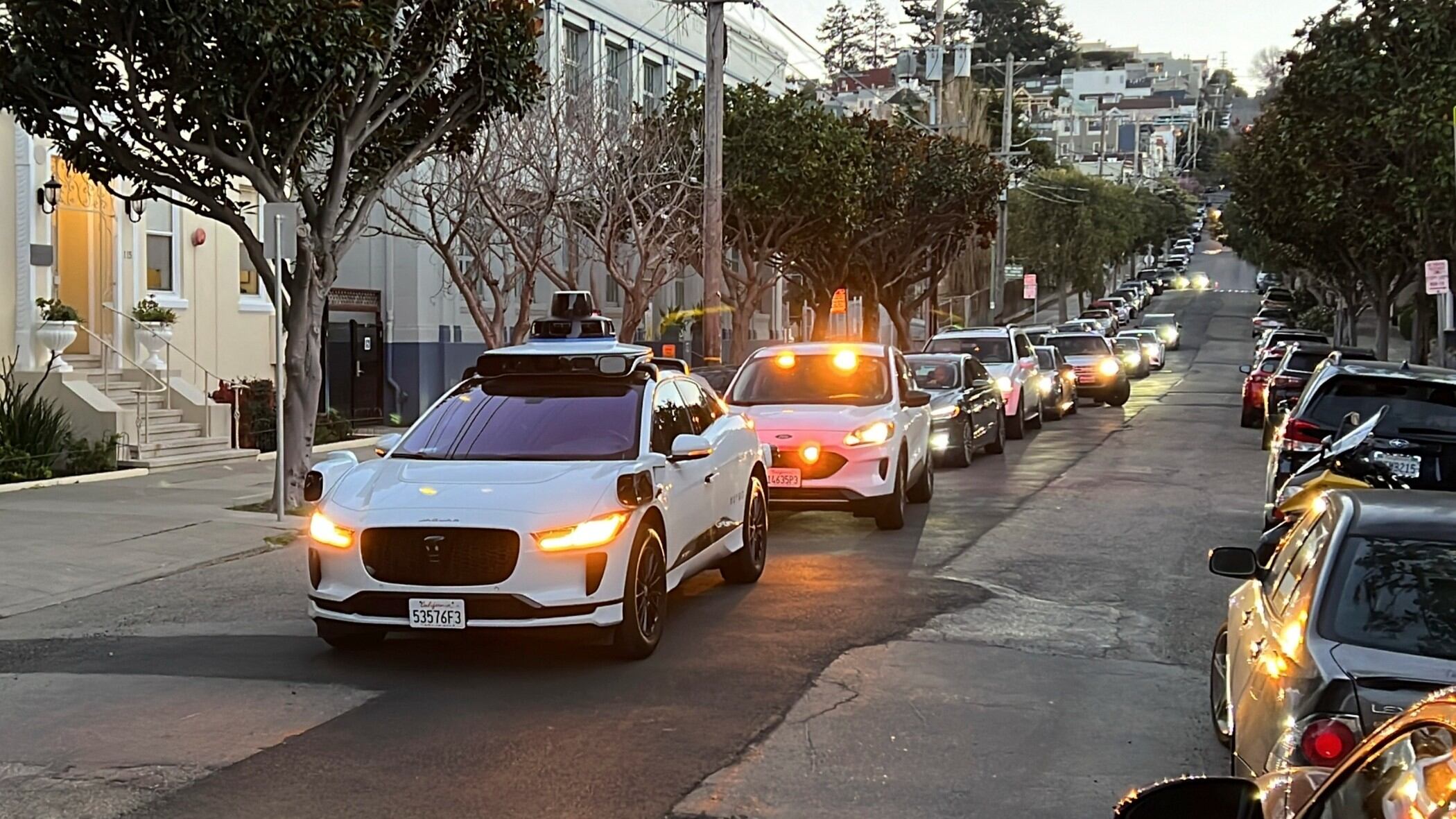
The vote by the state's Public Utilities Commission came despite reservations from city officials and residents spurred by erratic behavior that resulted in unmanned vehicles blocking traffic, including the path of emergency vehicles.
The teenager was airlifted to a hospital Tuesday for injuries including nine broken vertebrae, a ruptured spleen, a collapsed lung and a concussion. He was discharged Saturday.
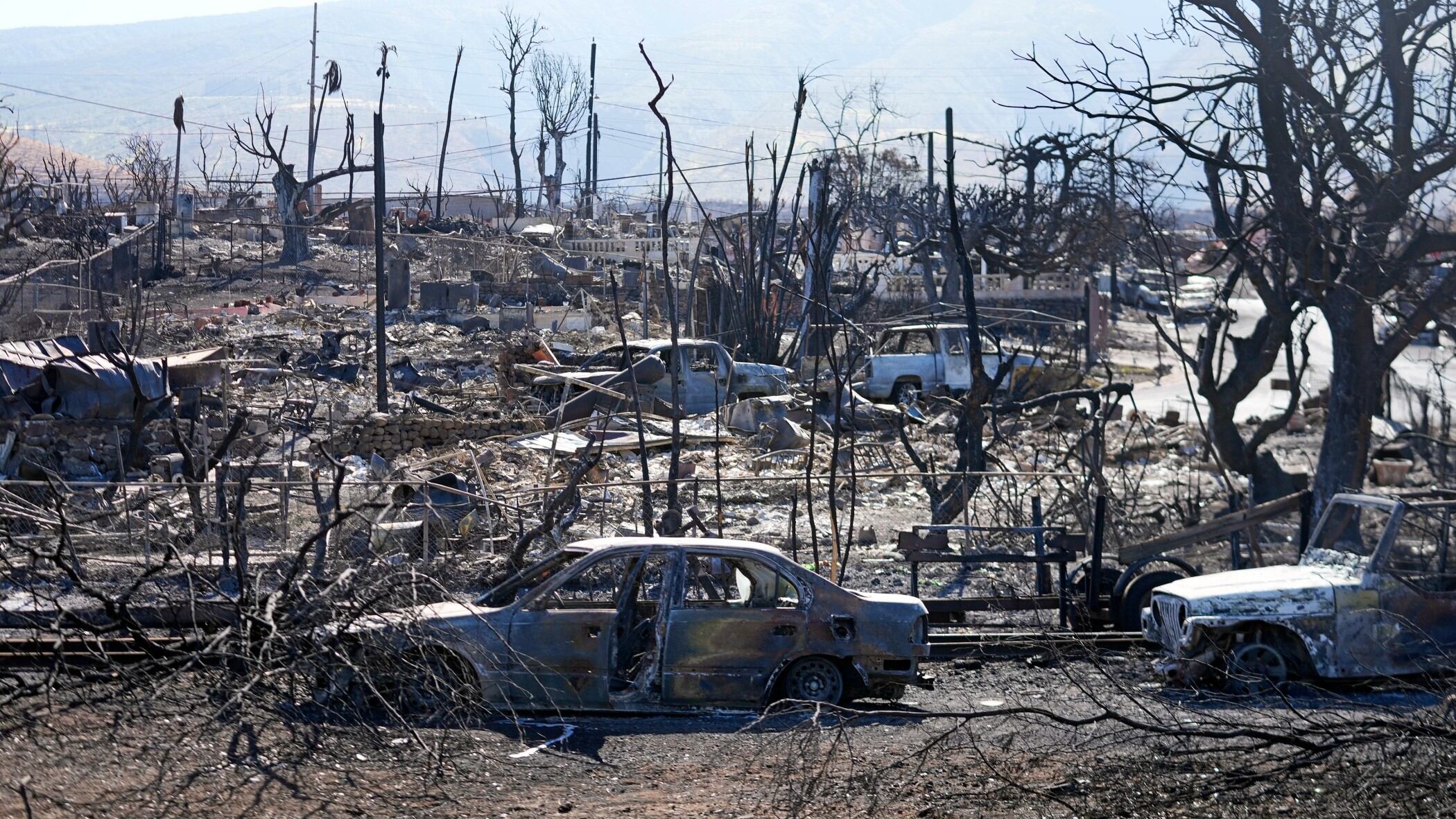
Authorities are also warning that the effort to find and identify the dead is just beginning. Maui Police Chief John Pelletier said Saturday that crews with cadaver dogs have covered just 3% of the search area.
Some doctors say the drug should be held for three weeks before sedation to accommodate the delayed emptying of the stomach, which can cause patients to inhale food and liquid into their lungs.