The digital advertising landscape is evolving as marketers compete for consumers' attention. Omnivirt is a 360-degree VR advertising platform for brands and publishers looking to gain an edge. The company's CEO and COO, Brad Phaisan and Michael Rucker, joined us to chat about virtual reality's full potential for advertisers.
We are in the early stages of VR technology, and some doubt whether it'll ever live up to high expectations. Phaisan compares the skepticism towards VR today to the way people viewed smartphones in the 1990s. The former Google software engineer is confident VR could end up being just as big.
The advertising space is extremely cluttered, and marketers are looking for ways to jump off the page, says Rucker. Omnivirt's 360 VR ads are offering advertisers and publishers the chance to do just that. When asked about Snap's place in virtual reality advertising, Rucker adds that he sees the social media platform as complementary to the solutions offered by Omnivirt.
Ian Rogers, Chief Experience Officer, Ledger, joins Cheddar News to discuss innovation in crypto security, and why a hardware wallet is a critical tool for protecting digital assets.
Carlo and Baker cover the latest developments after a devastating tornado outbreak over the weekend, plus an eye on Omicron and inflation, and not even Spielberg can save the box office.
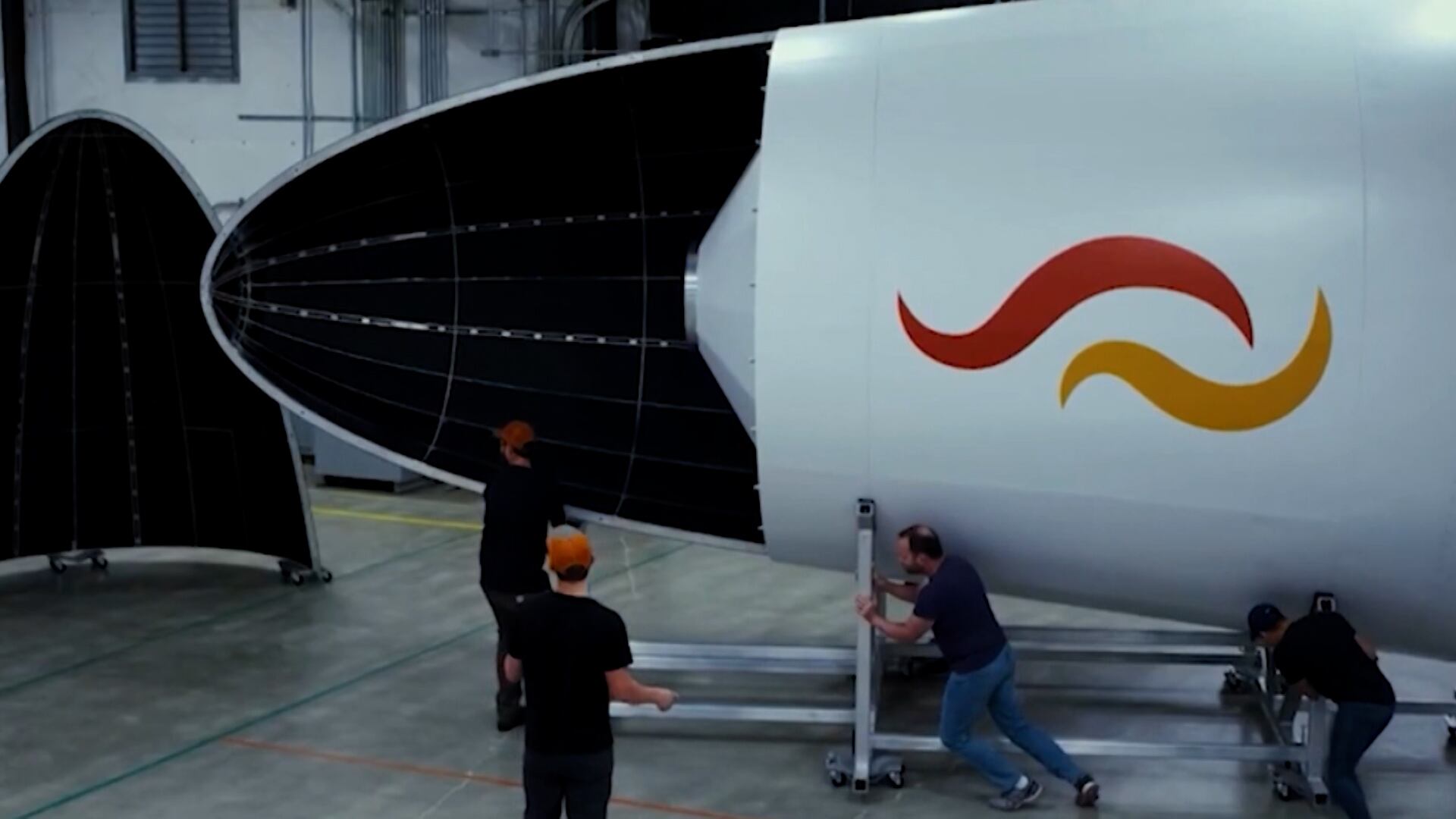
Reusable rocket developer Stoke Space Technologies raised $65 million in a Series A round led by Breakthrough Energy Ventures, a firm founded by Bill Gates. Stoke says its reusable rockets provide the satellite industry with low-cost, on-demand access to and from orbit. As companies like SpacX and Blue Origin are also making commitments to rocket reusability, Stoke says it is taking a different approach with a system designed to be 100% reusable, comprised of rockets designed to fly daily, like an airplane. Stoke co-founder and CEO Andy Lapsa joins Cheddar News' Closing Bell to discuss.
Humans are set to return to a place we have not been in nearly 50 years: the moon. NASA's Artemis program is expected to have astronauts back on the lunar surface by 2025. NASA says it will use what it learns on the moon to take the next giant leap - sending the first astronauts to Mars. The Artemis program also includes contributions from private companies like SpaceX, as well as academic research institutions like Georgia Tech. Georgia Tech professor of practice and former NASA astronaut Sandra Magnus joins Future of Space: Humankind's Leap Forward to discuss.