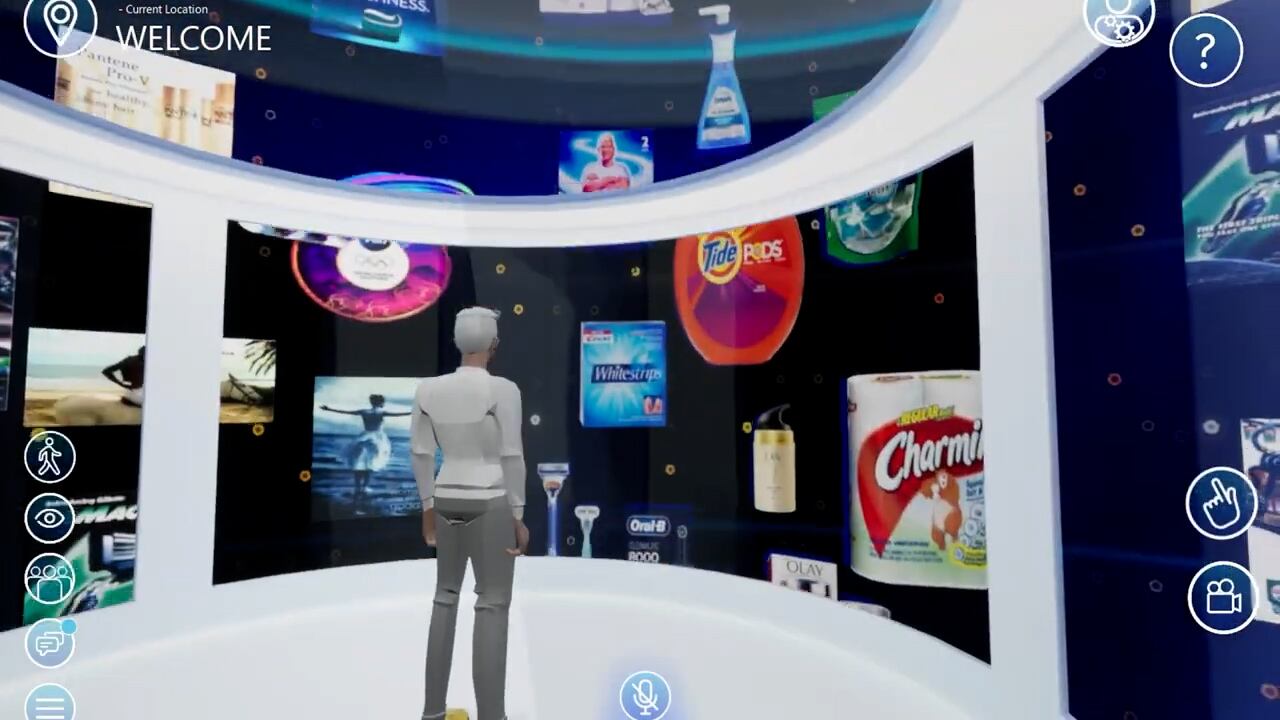
The digital advertising landscape is evolving as marketers compete for consumers' attention. Omnivirt is a 360-degree VR advertising platform for brands and publishers looking to gain an edge. The company's CEO and COO, Brad Phaisan and Michael Rucker, joined us to chat about virtual reality's full potential for advertisers.
We are in the early stages of VR technology, and some doubt whether it'll ever live up to high expectations. Phaisan compares the skepticism towards VR today to the way people viewed smartphones in the 1990s. The former Google software engineer is confident VR could end up being just as big.
The advertising space is extremely cluttered, and marketers are looking for ways to jump off the page, says Rucker. Omnivirt's 360 VR ads are offering advertisers and publishers the chance to do just that. When asked about Snap's place in virtual reality advertising, Rucker adds that he sees the social media platform as complementary to the solutions offered by Omnivirt.
Dan Diasio, EY Global Artificial Intelligence Consulting Leader, joins Cheddar News to discuss the role of artificial intelligence for everyday consumers, what hurdles are holding back for greater A.I. adoption, and advice for businesses using this emerging tech.
On this episode of Cheddar Innovates: Founder of Unlimited Tomorrow breaks down how he is creating completely 3D printed prosthetics to make them more affordable, customizable, and accessible; Chief Technology Officer of Zebra Technologies explains what the future of collaboration between robots and humans may look like; A look at Curiosity Stream's 'Mystery of the Roman Skulls.'
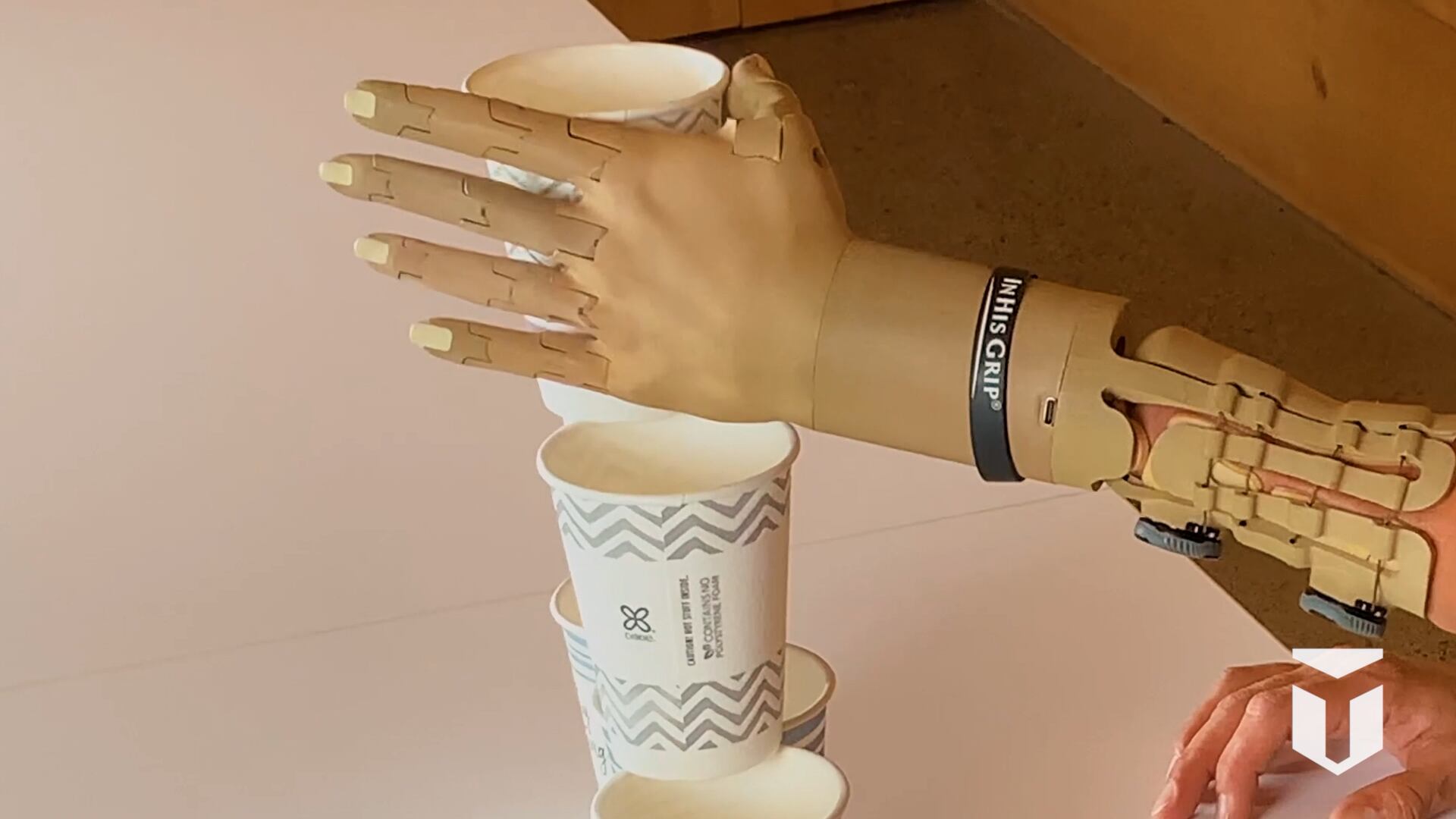
Easton LaChapelle, Founder and CEO of Unlimited Tomorrow, and joins Cheddar Innovates to discuss how he is creating completely 3D printed prosthetics to make them more affordable, customizable, and accessible. LaChappelle was recently featured in a short film called 'GENERATION IMPACT: THE INVENTOR,' which follows the story of a 14-year-old girl receiving a True Limb and can be found on HP's Digital Hub 'The Garage.'
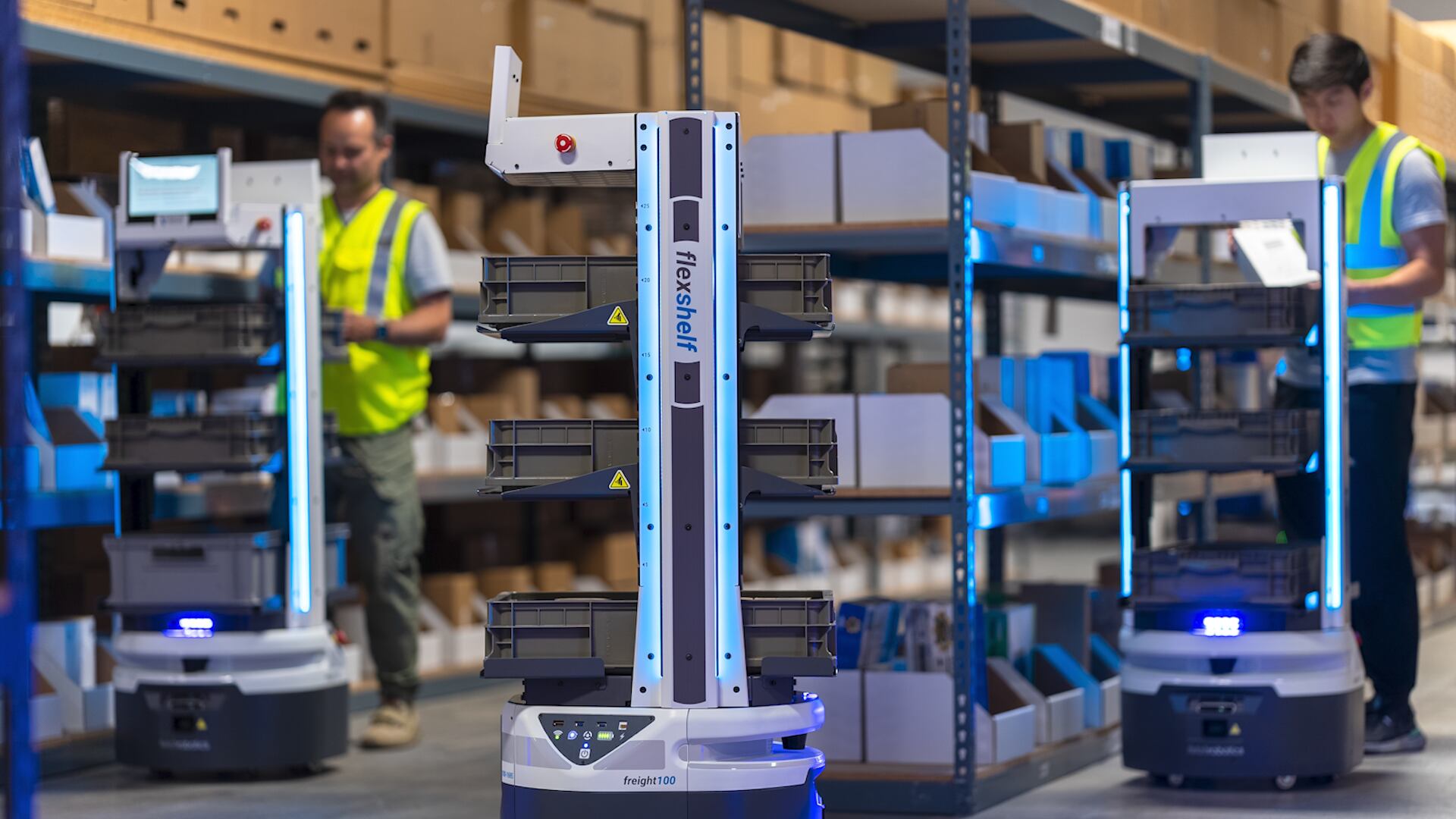
Tom Bianculli, Chief Technology Officer at Zebra Technologies, joins Cheddar Innovates to discuss how they are creating technology to make workers' lives easier, and what the future of collaboration between robots and humans may look like.
Stock closed at record highs on the first day of trading in 2022, kicking the new year off on a strong note. Tommy Mancuso, president and co-founder of the The Bad Investment Company, joined Cheddar to discuss his optimism for the year ahead, as well as the significance of Apple hitting the $3 trillion market cap mark.
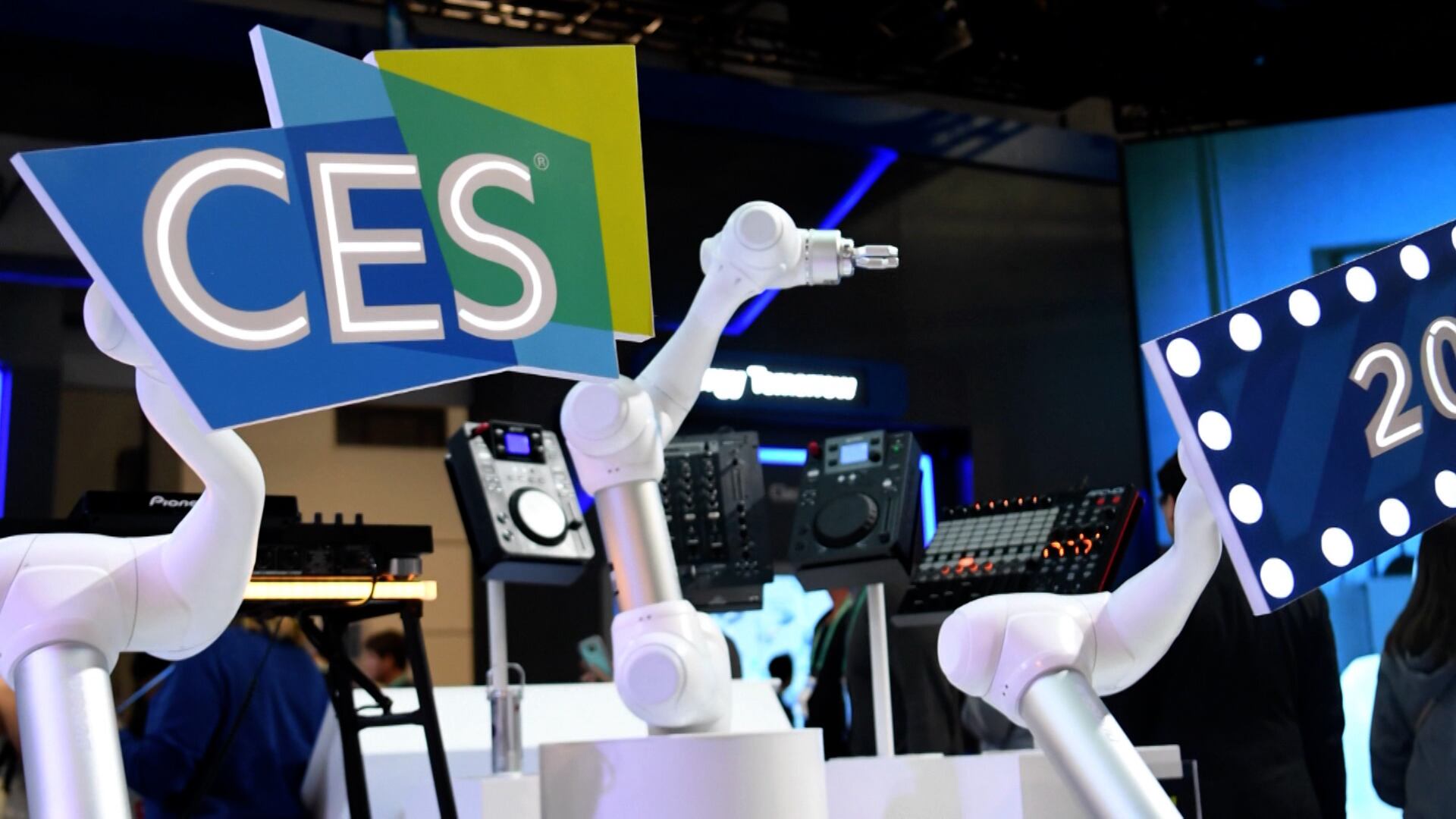
Procter & Gamble says that innovation is what it's always done best, and the company plans to showcase this with its latest products at the 2022 Consumer Electronics Show, the world's most influential technology event. The company continues to grow with the needs, and values of its customer base, which is increasingly spending more on sustainable consumer goods. To share its latest sustainability efforts, P&G is unveiling a new "Life Lab" at CES. For more on this exhibit, Marc Pritchard, Chief Brand Officer at P&G, joins Cheddar News.
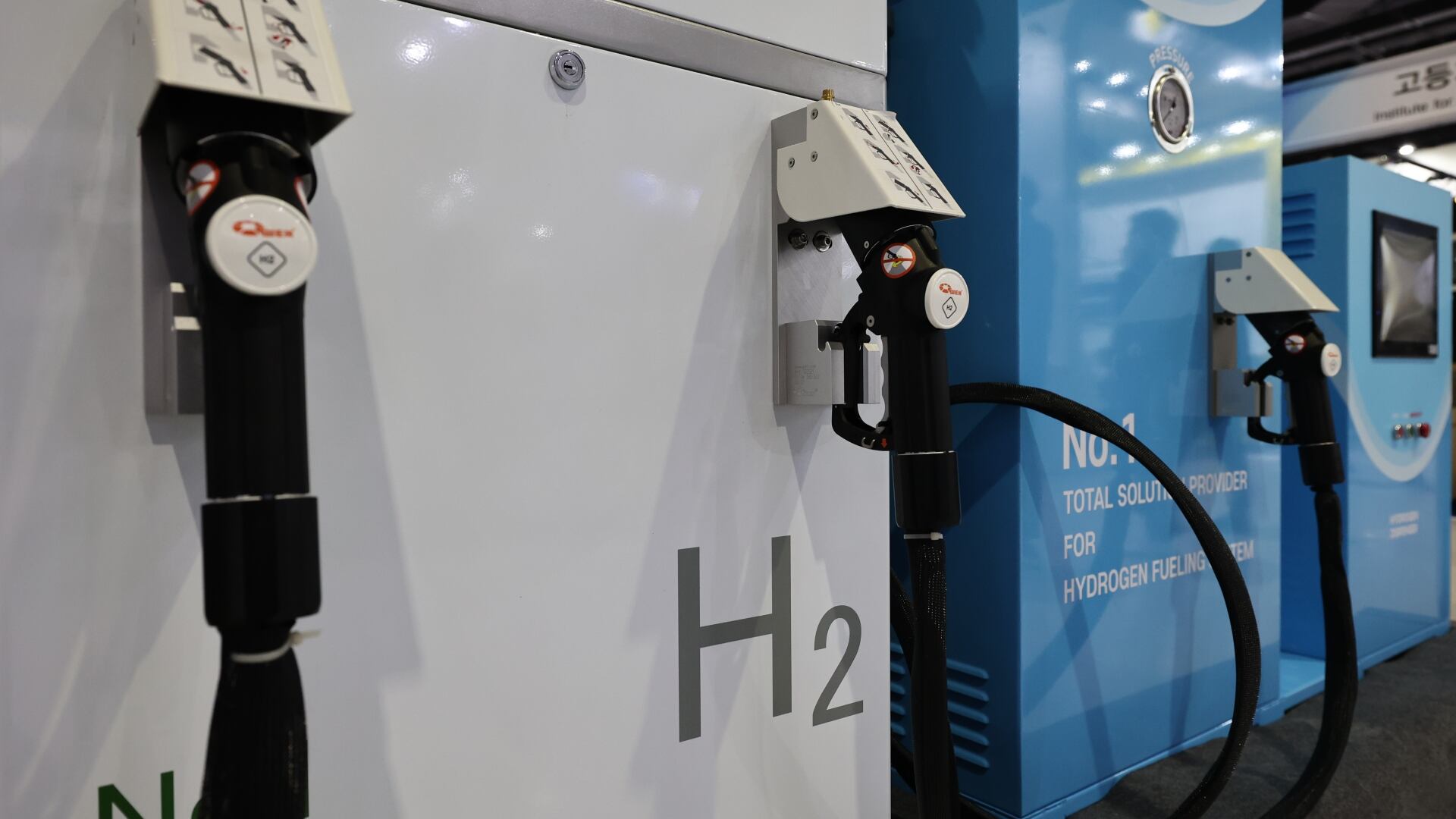
In the fight against climate change, much of the conversation revolves around reducing greenhouse gases like carbon dioxide or methane - and attempting to raise oxygen levels. But there's another gas - hydrogen - that could play a big role in the fight for the climate. Marco Alvera, CEO of Italian energy infrastructure company Snam and author of the book, 'The Hydrogen Revolution,' joined Cheddar Climate to explain the role hydrogen plays in helping achieve a net-zero future.
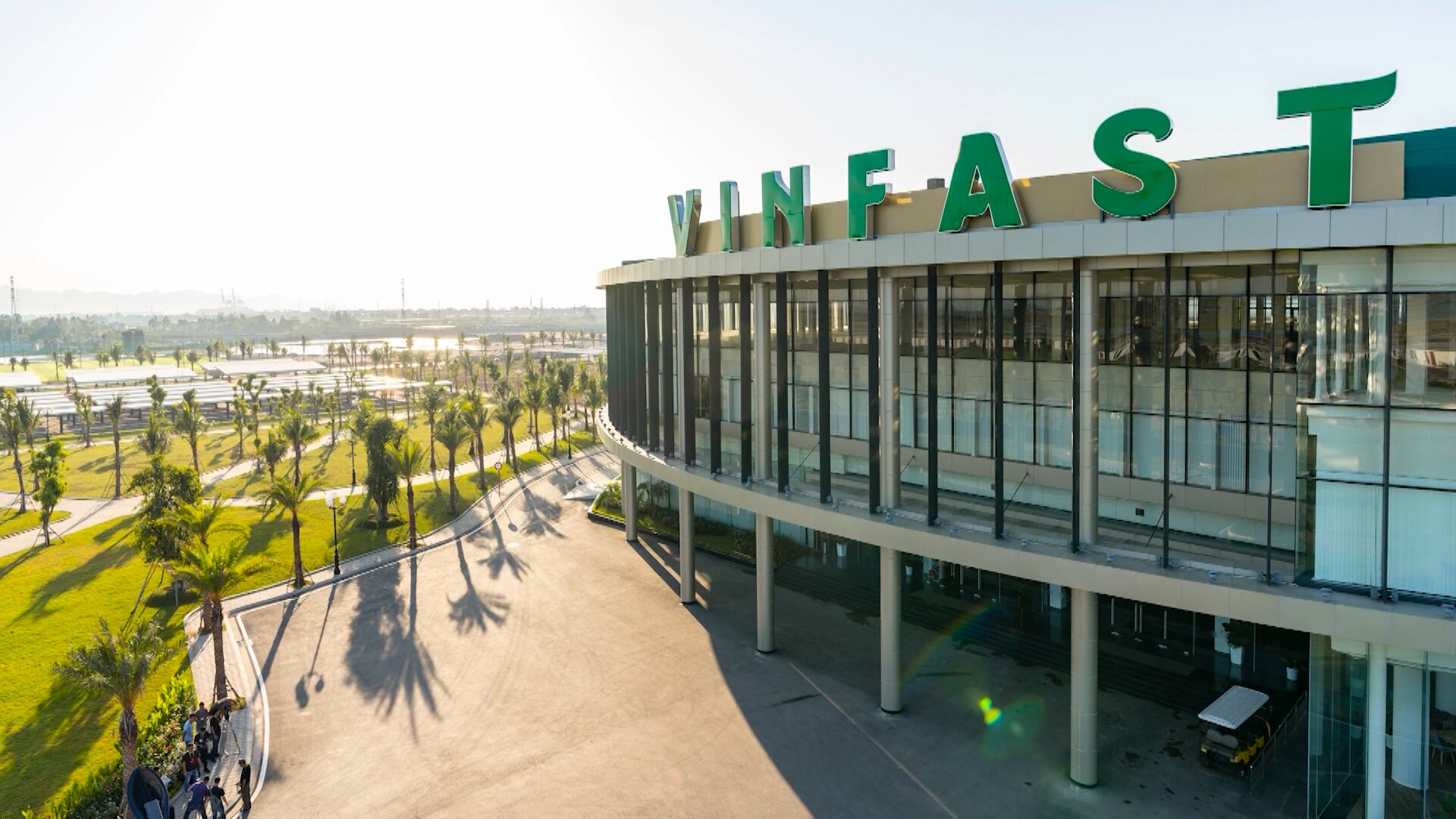
Vietnam's first global automaker is coming to the United States. VinFast unveiled the company's full EV lineup of five models at CES 2022. A reservation program for its first two electric vehicles, the VF 326 and the VF e35, officially opened on Wednesday, with the company set to announce the vehicle's retail prices in the U.S. and Vietnamese markets. VinFast is also one of the world's first automakers to apply blockchain technologies to the process of certifying reservations, payments, and eventually vehicle ownership. VinFast CEO Le Thi Thu Thuy joined Cheddar News' Closing Bell to discuss.