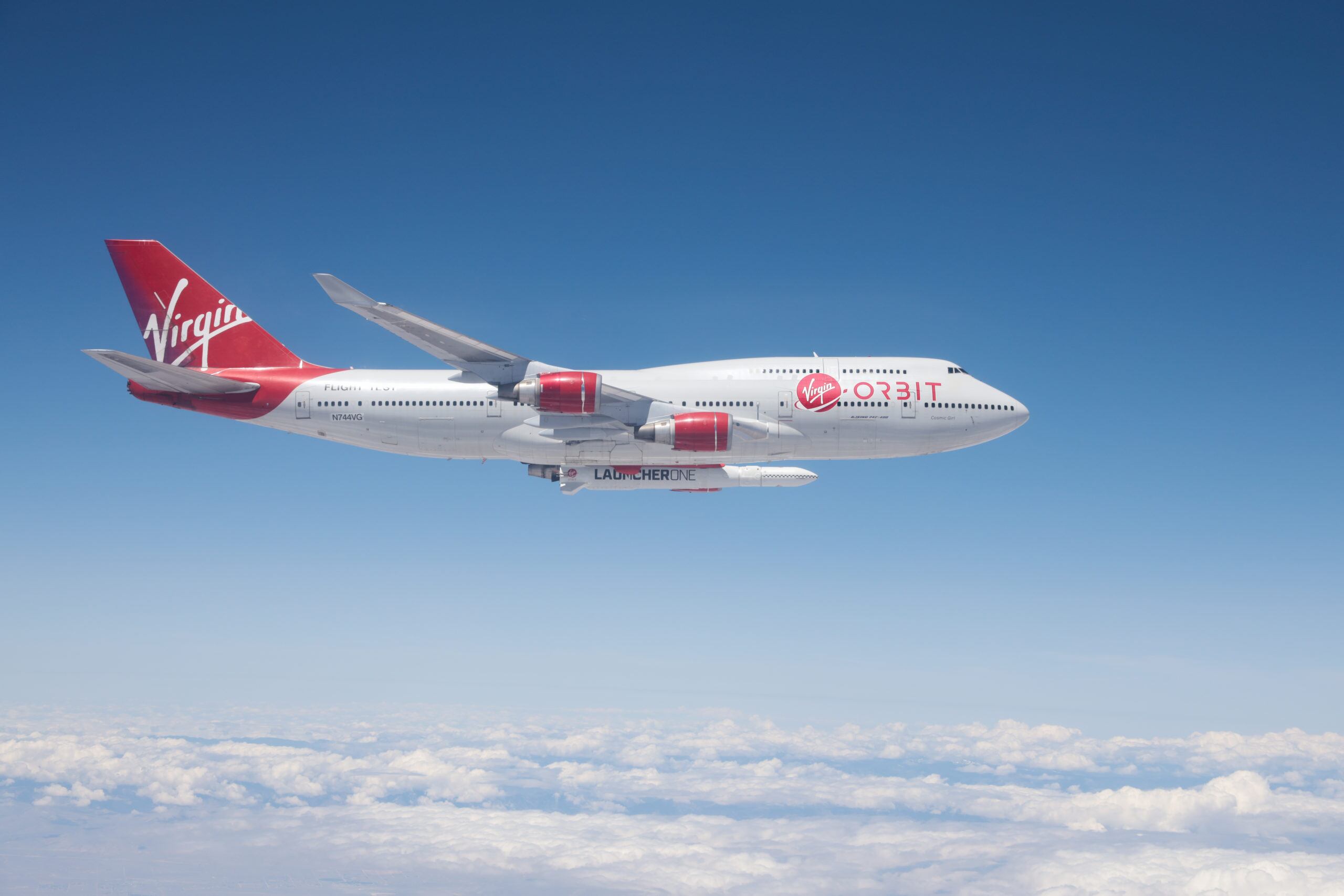
Virgin Orbit's "Cosmic Girl," a retrofitted Boeing 747 plane, is scheduled for a horizontal launch into orbit Monday night from the United Kingdom's Spaceport Cornwall. The mission, dubbed Start Me Up, is the first orbital launch in both the UK and Western Europe. It's also the culmination of a yearslong effort by the country to enter the modern space race.
Cosmic Girl has a payload of nine small satellites from several customers, including the U.S. Naval Research Laboratory, the U.K. Ministry of Defence, and the government of Oman.
Don't expect the same fanfare as some recent space launches. Horizontal space launches are generally more seamless. Cosmic Girl will take off like a normal plane, fly to around 35,000 feet above the southern coast of Ireland, and then deploy the LauncherOne rocket.
The LauncherOne is a so-called air-launched rocket. Launched from a carrier aircraft at high altitudes, the rocket is able to deliver small payloads of satellites into orbit. Virgin Orbit developed the concept over years, and started putting it into use in 2021.
Ian Annett, deputy chief executive at the UK Space Agency, has heralded the launch as an "iconic moment" — though it's not technically England's first. The agency completed a mission, called the Black Arrow, back in 1971, but the launch actually took place in Australia.
This is Virgin Orbit's sixth launch. The private space company had initially planned six for 2022, but lowered its forecast amid financial troubles. The company recently announced plans to raise $25 million to refill its shrinking cash reserves.
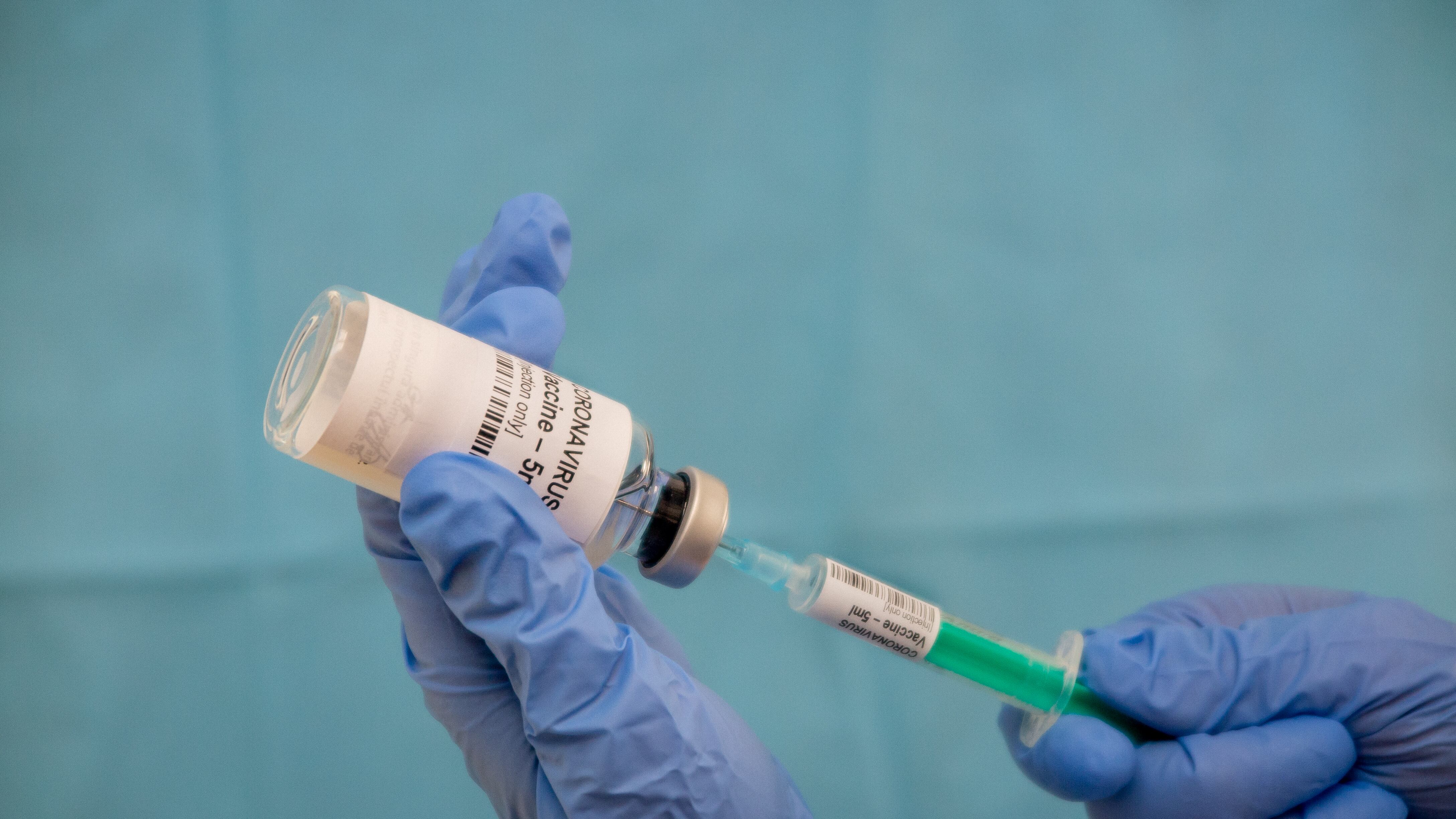
Top executives of nine drugmakers likely to produce the first vaccines against the new coronavirus are taking the extraordinary step of promising they'll be safe and effective.
Astrophysicists detected the signal from a long ago violent collision of two black holes that created a new one of a size that had never been seen before.
The timeline raised concern among public health experts about an “October surprise" — a vaccine approval driven by political considerations ahead of a presidential election, rather than science.
Thailand’s prime minister is congratulating the nation for having achieved 100 days without a confirmed locally transmitted case of the coronavirus.
A third leading candidate COVID-19 vaccine has entered a final stage of human testing in the United States.
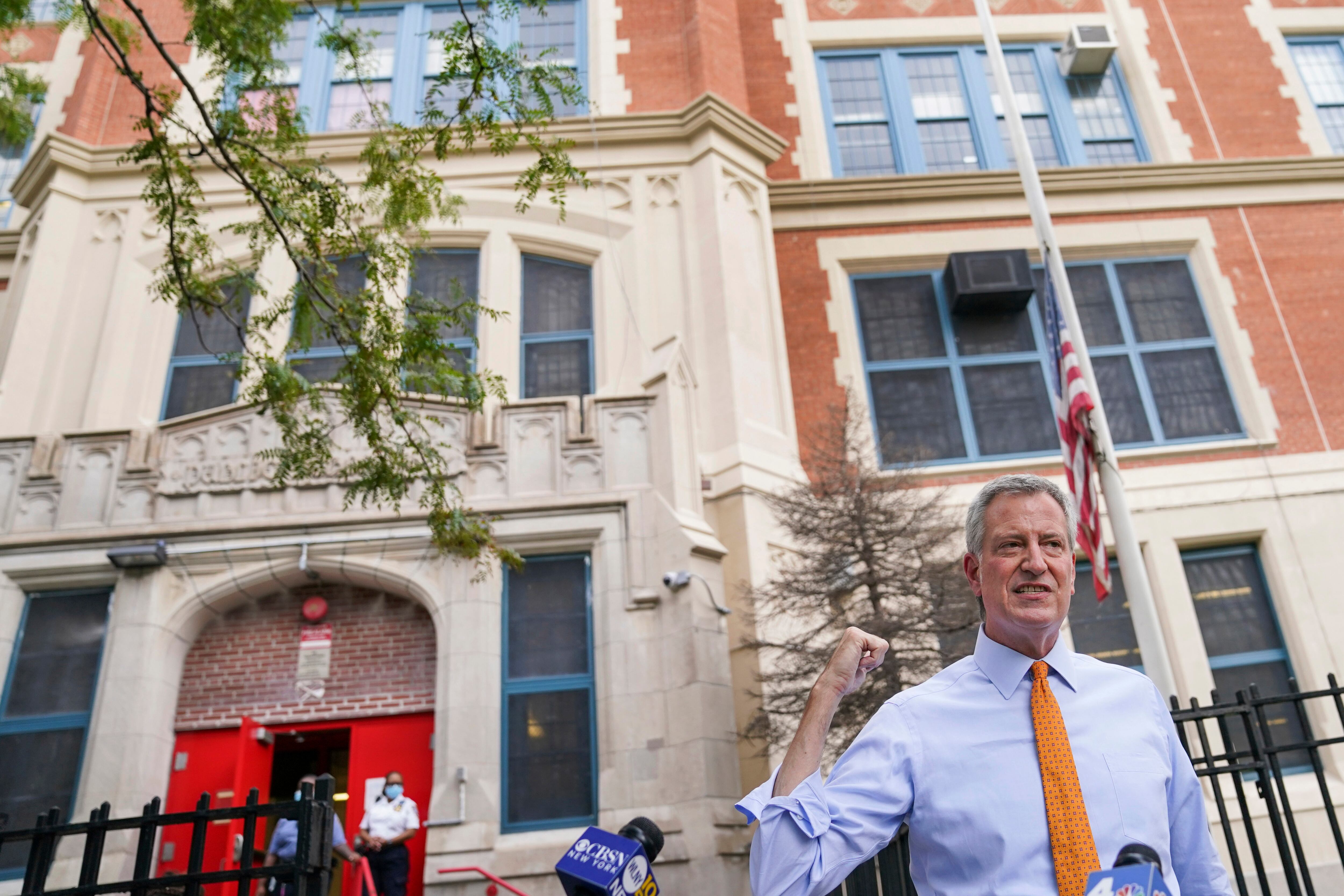
Mayor Bill de Blasio says New York City is delaying sending students back to classrooms in the nation’s largest public school system.
West Virginia University has developed technology that can predict coronavirus outbreaks with 90 percent accuracy. Dr. Ali Rezai, executive chair of WVU's Rockefeller Neuroscience Institute, joined Cheddar to discuss the technology and protocols the university will implement to mitigate the spread of COVID-19.
How and whether companies participate in COVID-19 vaccination programs could mean the difference between a successful roll-out, and one fraught with suspicion and misunderstanding.
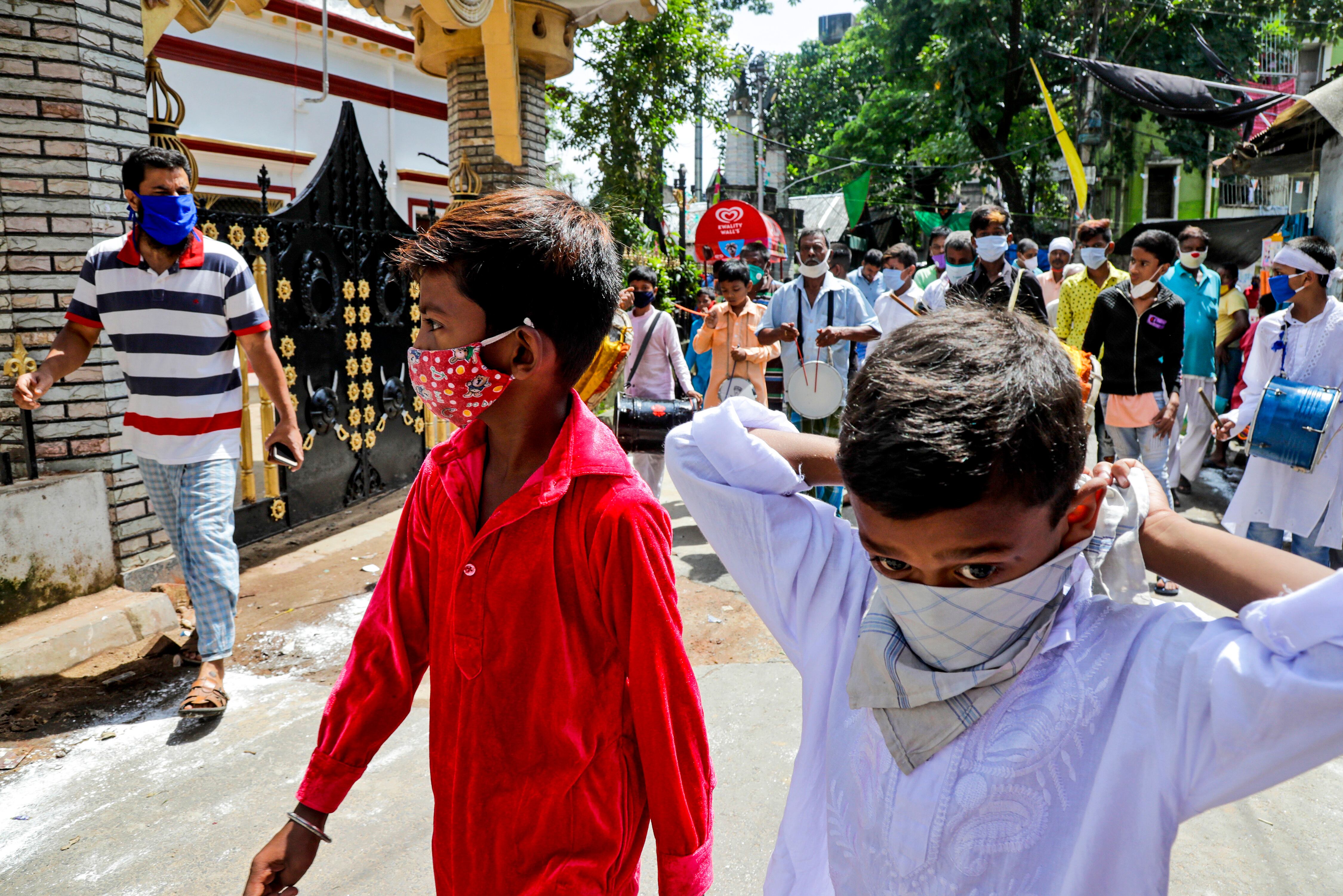
India has registered 78,761 new coronavirus cases, the biggest single-day spike in the world since the pandemic began, just as the government began easing restrictions to help the battered economy.
From Wall Street to Silicon Valley, these are the top stories that moved markets and had investors, business leaders, and entrepreneurs talking this week on Cheddar.