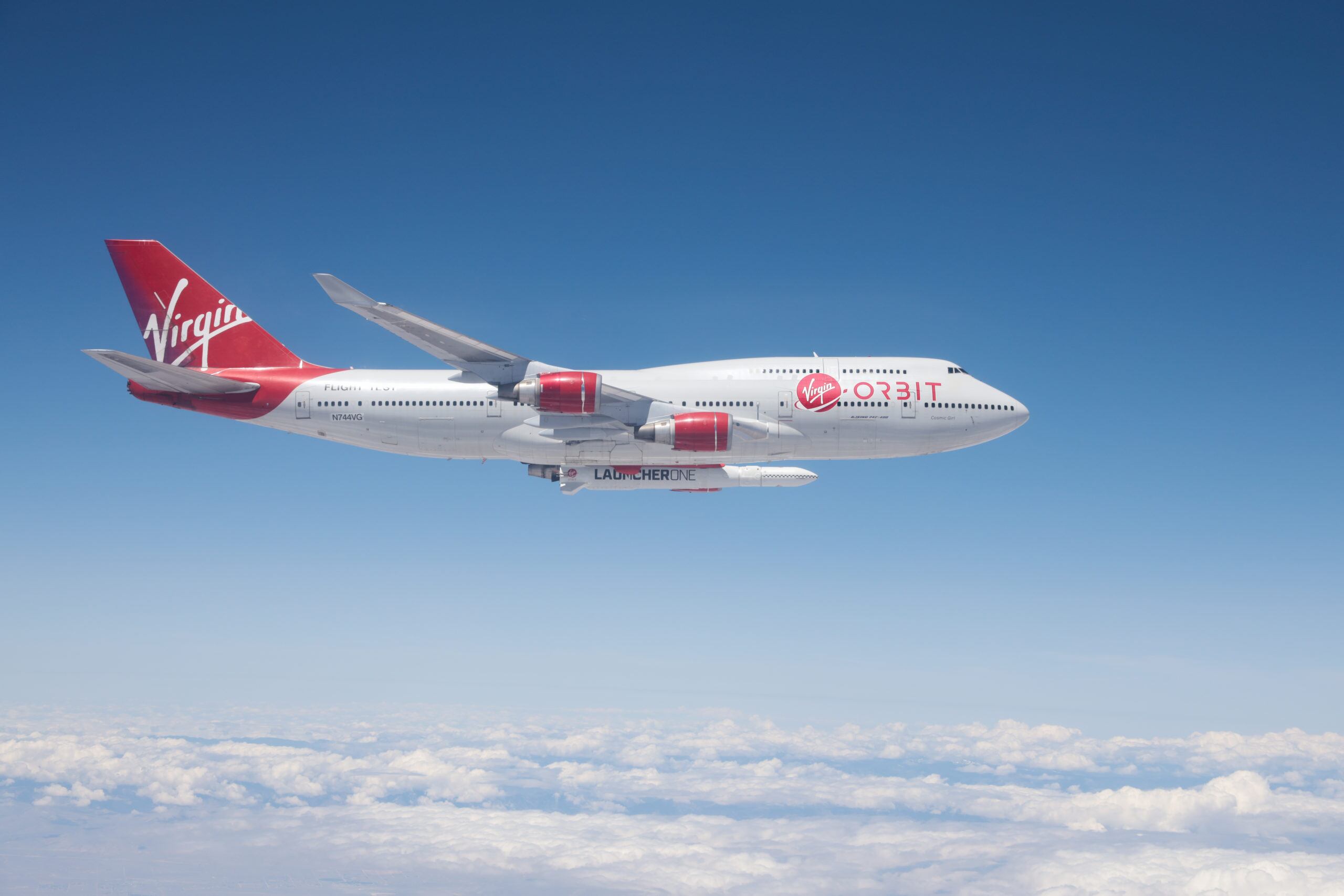
Virgin Orbit's "Cosmic Girl," a retrofitted Boeing 747 plane, is scheduled for a horizontal launch into orbit Monday night from the United Kingdom's Spaceport Cornwall. The mission, dubbed Start Me Up, is the first orbital launch in both the UK and Western Europe. It's also the culmination of a yearslong effort by the country to enter the modern space race.
Cosmic Girl has a payload of nine small satellites from several customers, including the U.S. Naval Research Laboratory, the U.K. Ministry of Defence, and the government of Oman.
Don't expect the same fanfare as some recent space launches. Horizontal space launches are generally more seamless. Cosmic Girl will take off like a normal plane, fly to around 35,000 feet above the southern coast of Ireland, and then deploy the LauncherOne rocket.
The LauncherOne is a so-called air-launched rocket. Launched from a carrier aircraft at high altitudes, the rocket is able to deliver small payloads of satellites into orbit. Virgin Orbit developed the concept over years, and started putting it into use in 2021.
Ian Annett, deputy chief executive at the UK Space Agency, has heralded the launch as an "iconic moment" — though it's not technically England's first. The agency completed a mission, called the Black Arrow, back in 1971, but the launch actually took place in Australia.
This is Virgin Orbit's sixth launch. The private space company had initially planned six for 2022, but lowered its forecast amid financial troubles. The company recently announced plans to raise $25 million to refill its shrinking cash reserves.
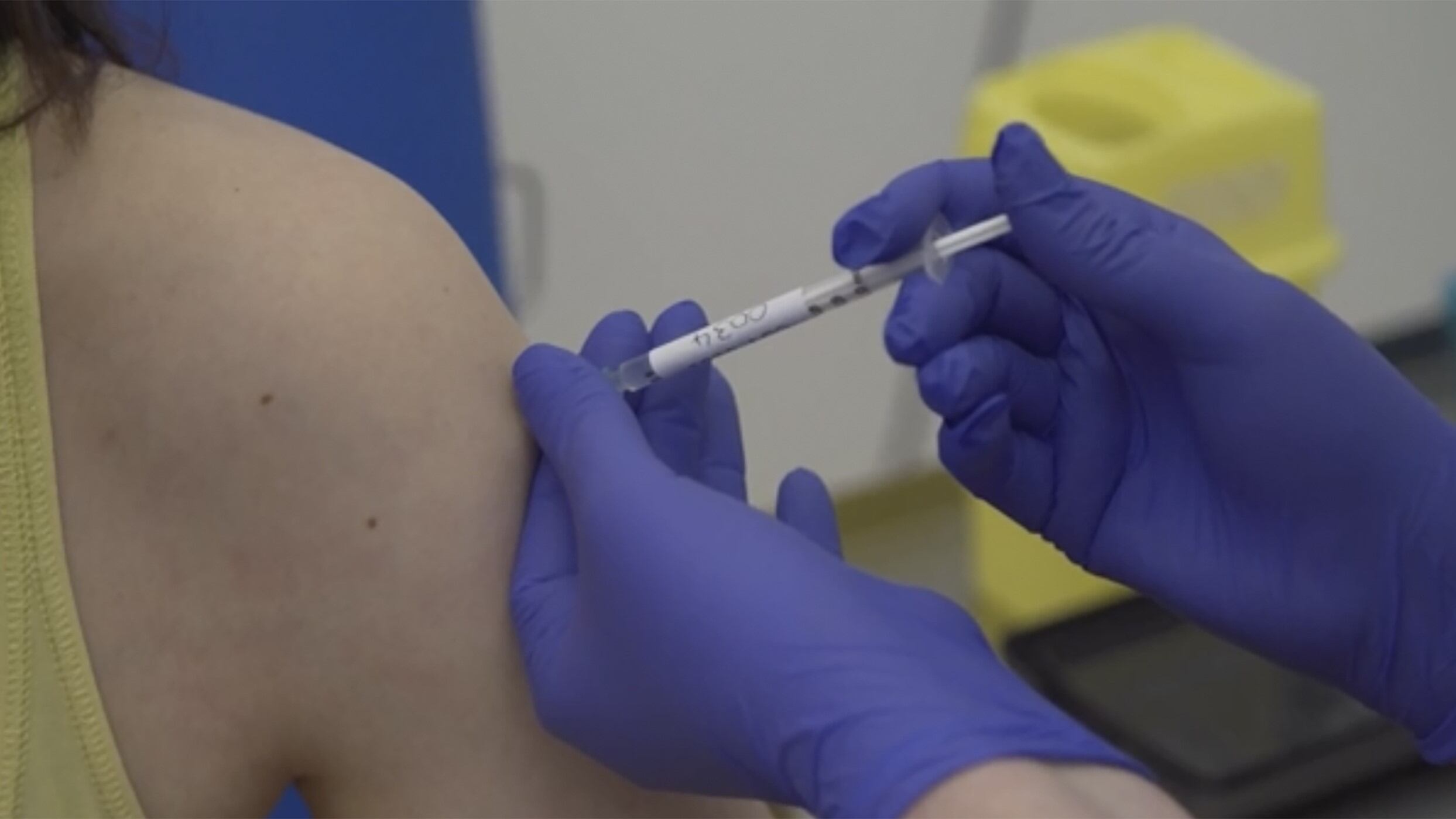
Despite the expected arrival of COVID-19 vaccines in just a few weeks, it could take several months — probably well into 2021 — before things get back to something close to normal in the United States.
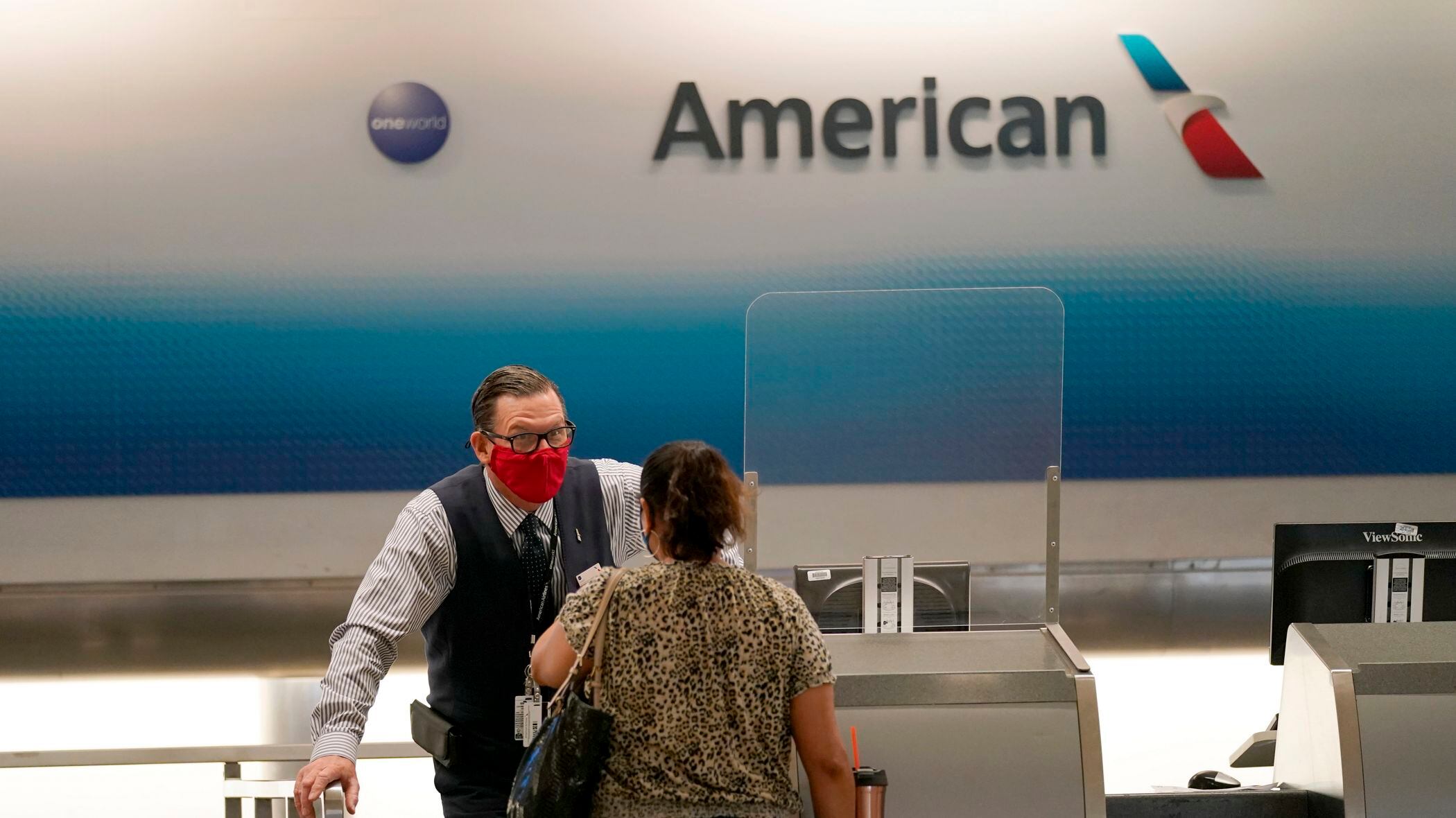
American Airlines is expanding its COVID-19 pilot pre-flight testing program to London in an effort to get more international flyers in the sky.
AstraZeneca reported that its vaccine is 90% effective and cheaper to distribute than vaccines from its competitors. Meanwhile, the U.S. is averaging 1,500 deaths per day according to Johns Hopkins.
Pharmaceutical company AstraZeneca said Monday that late-stage trials showed its coronavirus vaccine was up to 90% effective, giving public health officials hope they may soon have access to a vaccine that is cheaper and easier to distribute than some of its rivals.
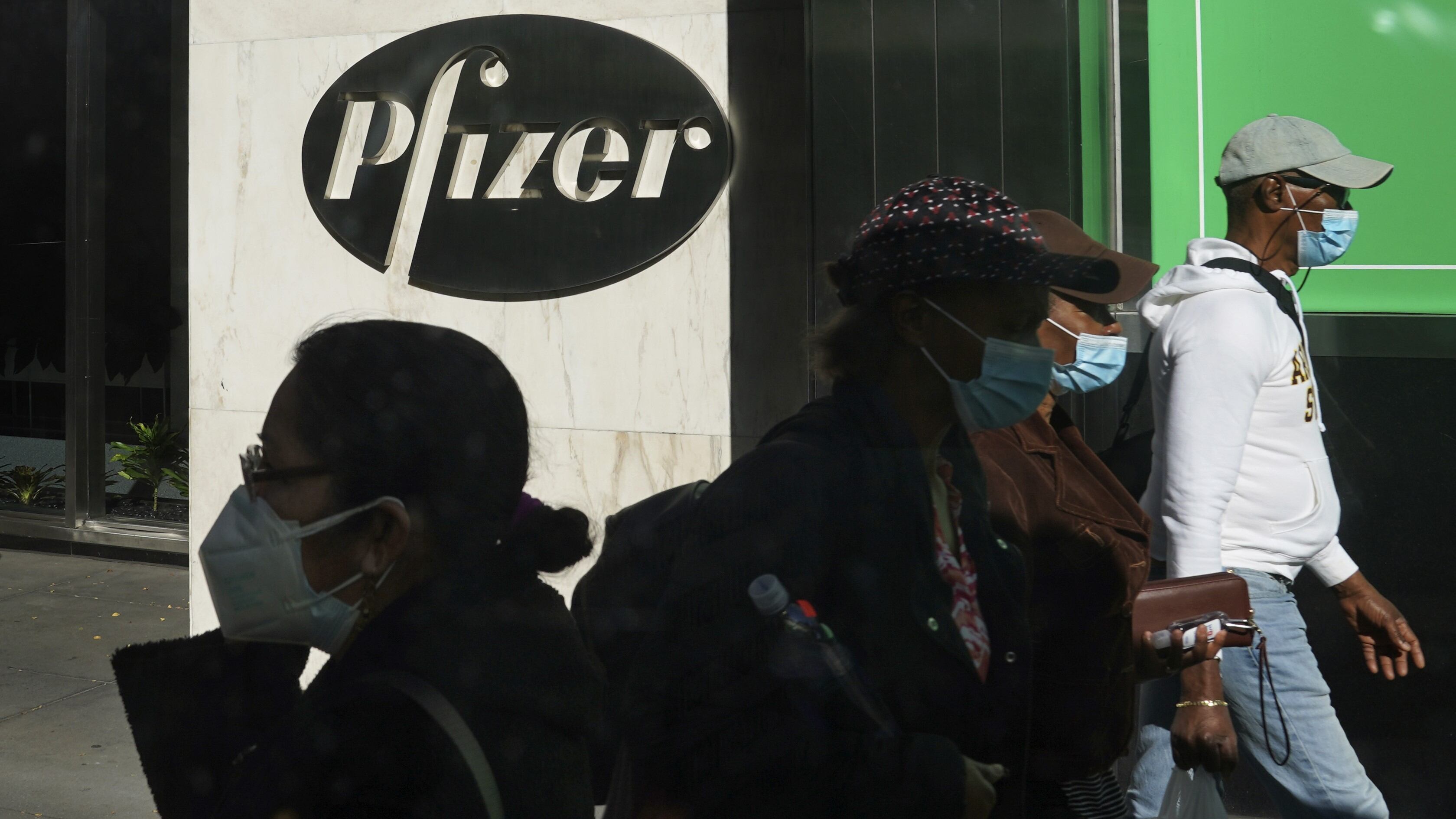
Pfizer said Friday it is asking U.S. regulators to allow emergency use of its COVID-19 vaccine, starting the clock on a process that could bring limited first shots as early as next month and eventually an end to the pandemic -- but not until after a long, hard winter.
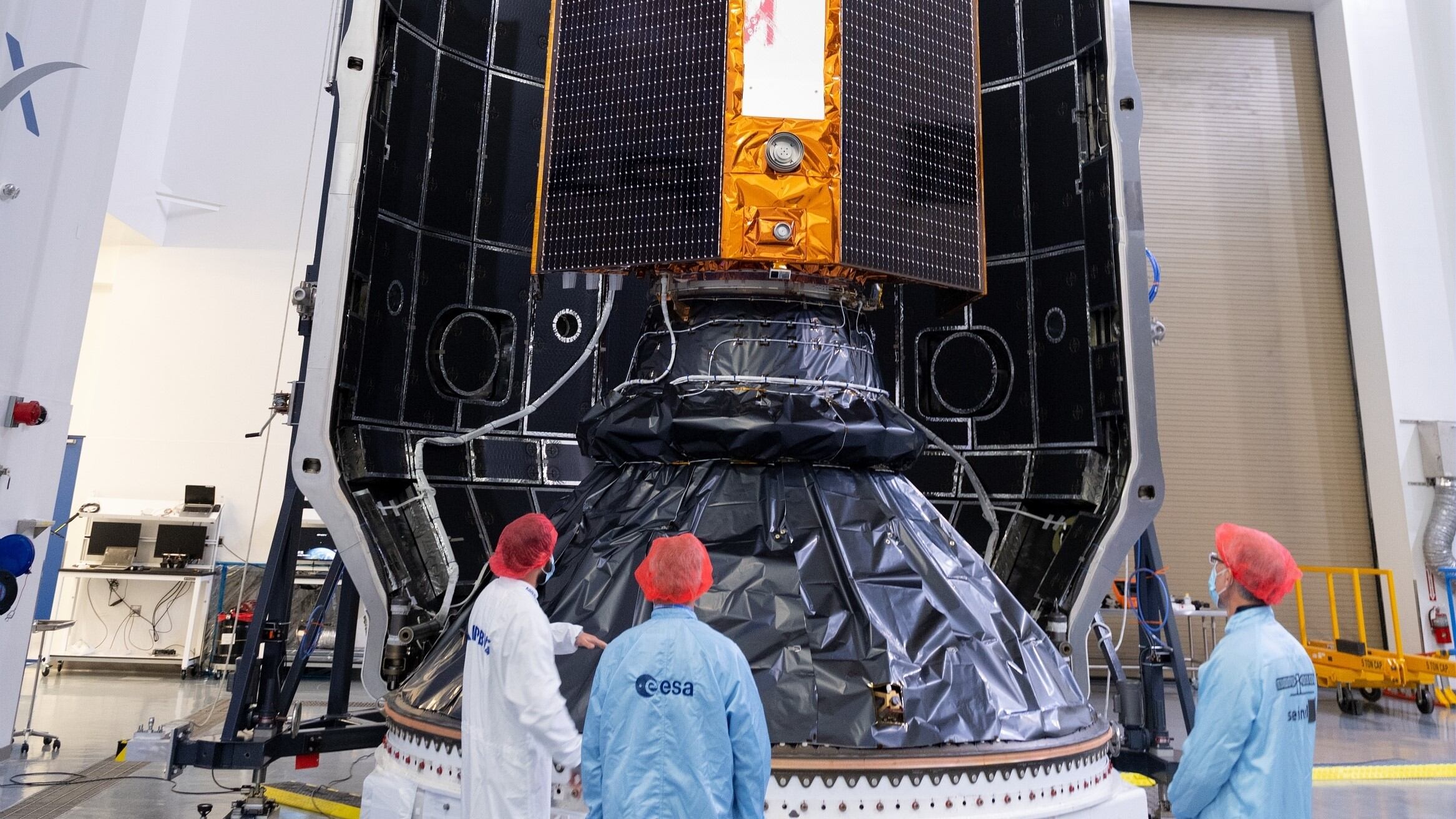
A satellite jointly developed by Europe and the United States being launched this weekend will greatly help scientists keep track of the rise in global sea levels, one of the most daunting effects of climate change, a senior official at the European Space Agency said Friday.
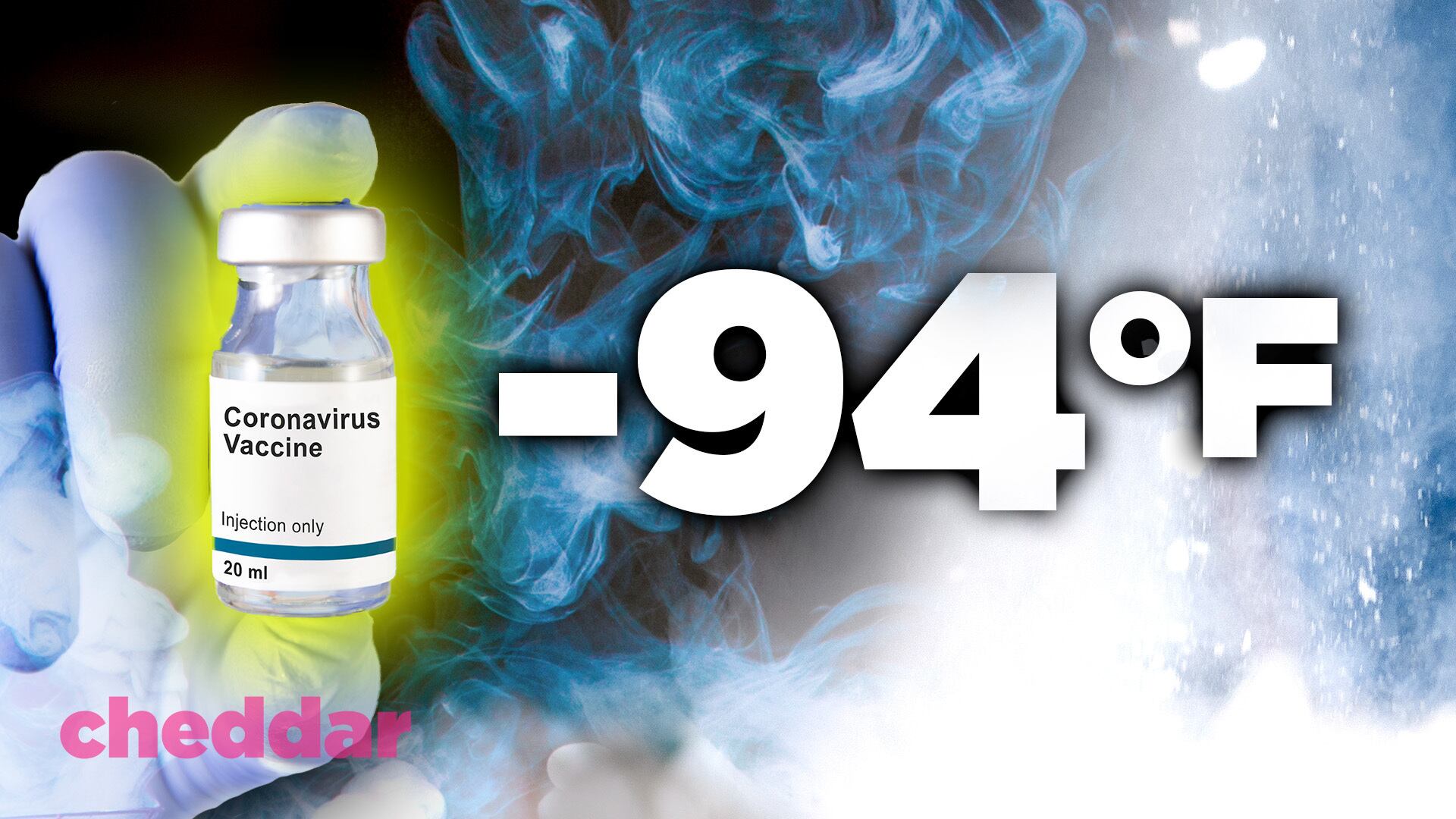
The use of mRNA technology in COVID-19 vaccines is groundbreaking for a number of reasons. However, there is a drawback to the vaccines: they have to be stored in brutally cold temperatures.
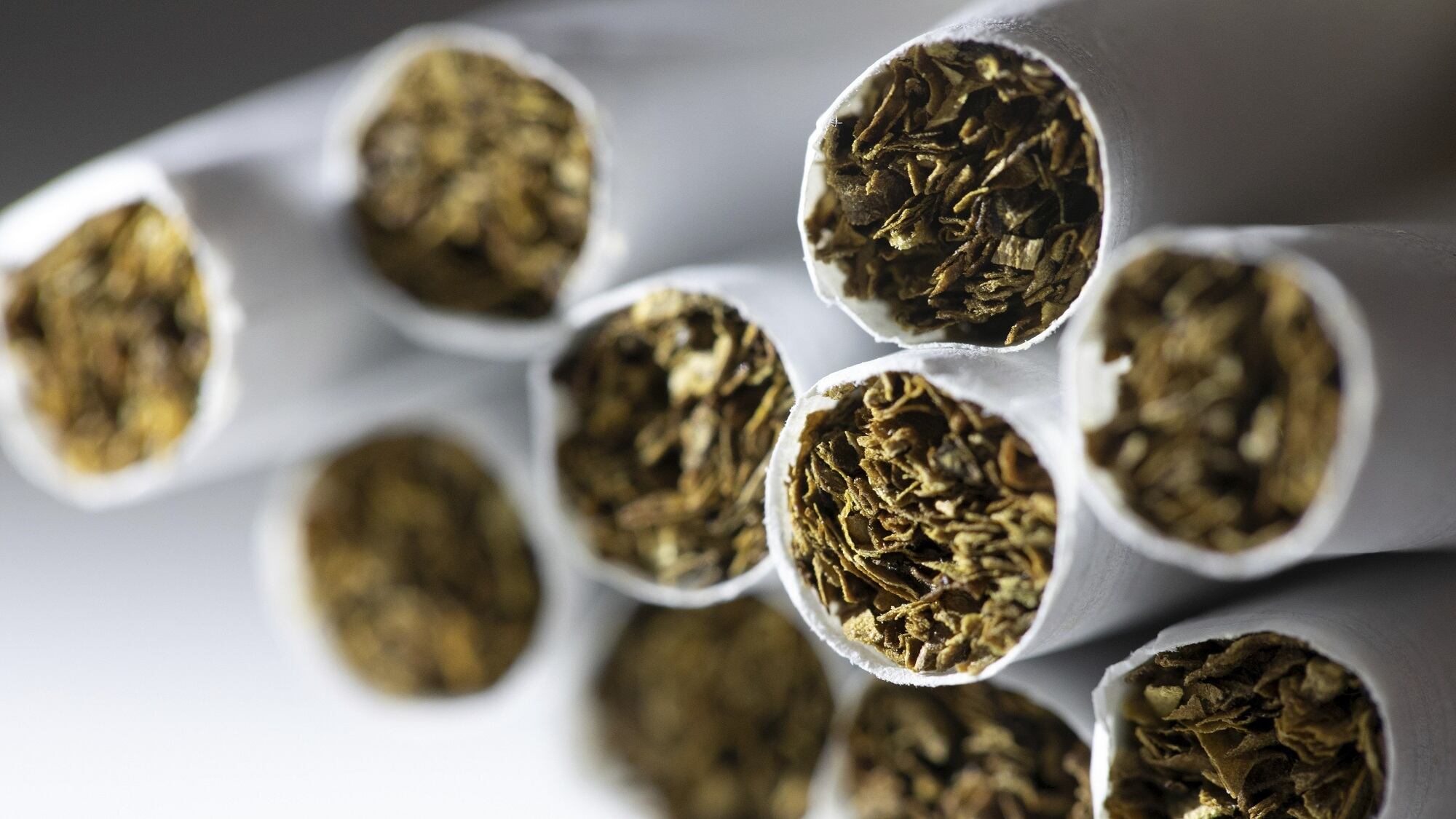
The U.S. decline in cigarette smoking could be stalling while the adult vaping rate appears to be rising, according to a government report released Thursday.
The only known white giraffe in the world has been fitted with a GPS tracking device to help protect it from poachers as it grazes in Kenya.
Pfizer said Wednesday that new test results show its coronavirus vaccine is 95% effective, is safe and also protects older people most at risk of dying.