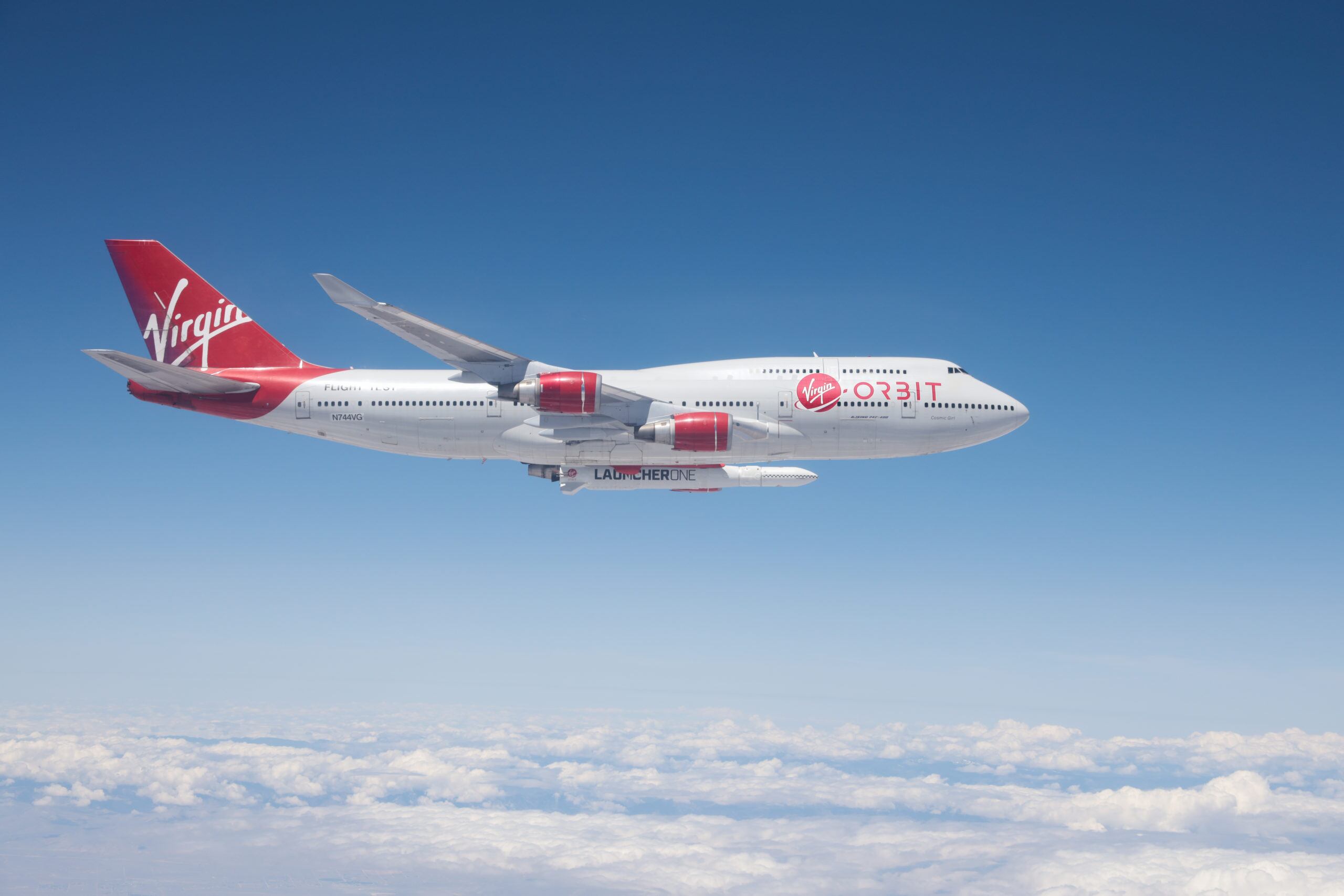
Virgin Orbit's "Cosmic Girl," a retrofitted Boeing 747 plane, is scheduled for a horizontal launch into orbit Monday night from the United Kingdom's Spaceport Cornwall. The mission, dubbed Start Me Up, is the first orbital launch in both the UK and Western Europe. It's also the culmination of a yearslong effort by the country to enter the modern space race.
Cosmic Girl has a payload of nine small satellites from several customers, including the U.S. Naval Research Laboratory, the U.K. Ministry of Defence, and the government of Oman.
Don't expect the same fanfare as some recent space launches. Horizontal space launches are generally more seamless. Cosmic Girl will take off like a normal plane, fly to around 35,000 feet above the southern coast of Ireland, and then deploy the LauncherOne rocket.
The LauncherOne is a so-called air-launched rocket. Launched from a carrier aircraft at high altitudes, the rocket is able to deliver small payloads of satellites into orbit. Virgin Orbit developed the concept over years, and started putting it into use in 2021.
Ian Annett, deputy chief executive at the UK Space Agency, has heralded the launch as an "iconic moment" — though it's not technically England's first. The agency completed a mission, called the Black Arrow, back in 1971, but the launch actually took place in Australia.
This is Virgin Orbit's sixth launch. The private space company had initially planned six for 2022, but lowered its forecast amid financial troubles. The company recently announced plans to raise $25 million to refill its shrinking cash reserves.
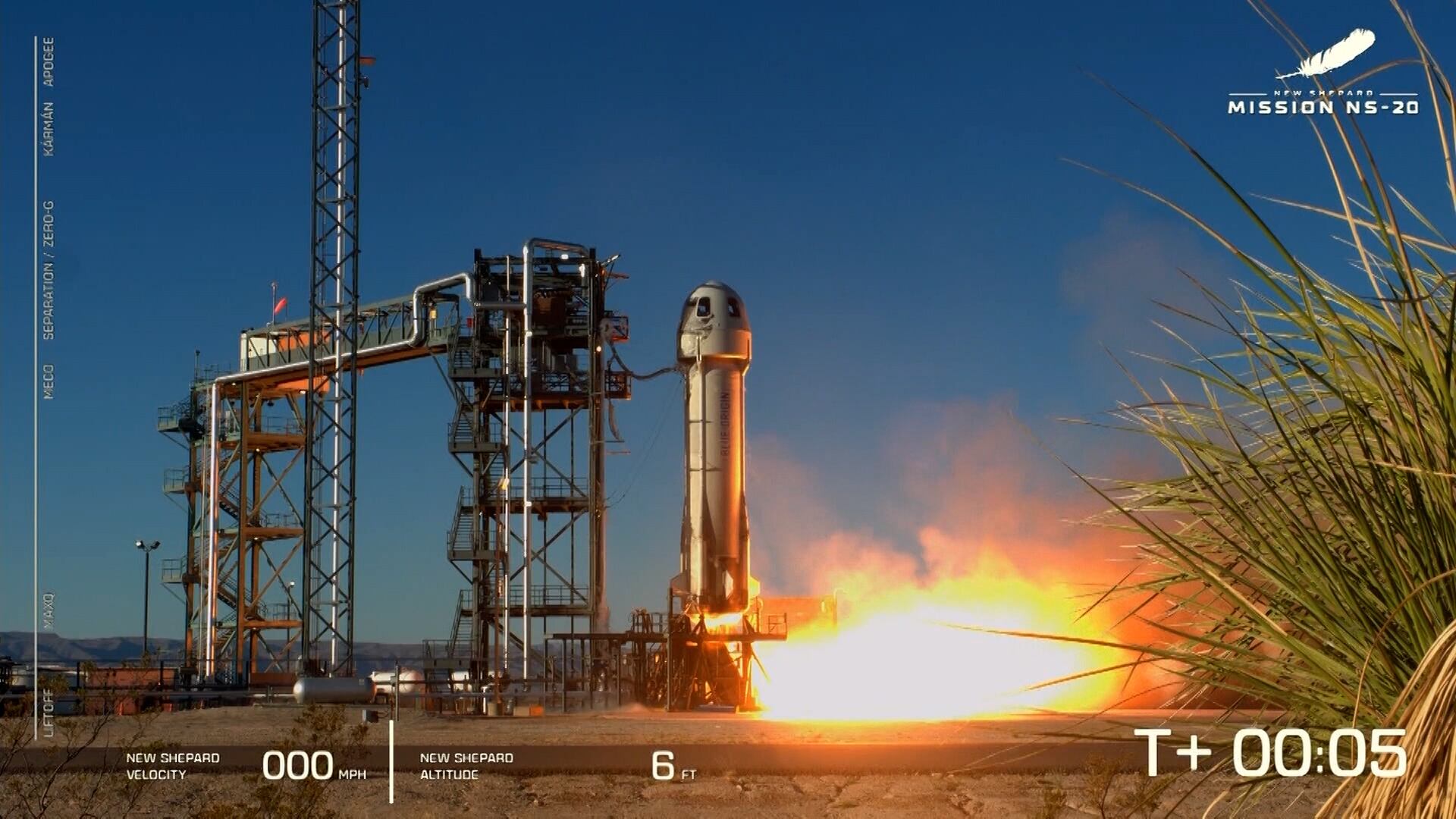
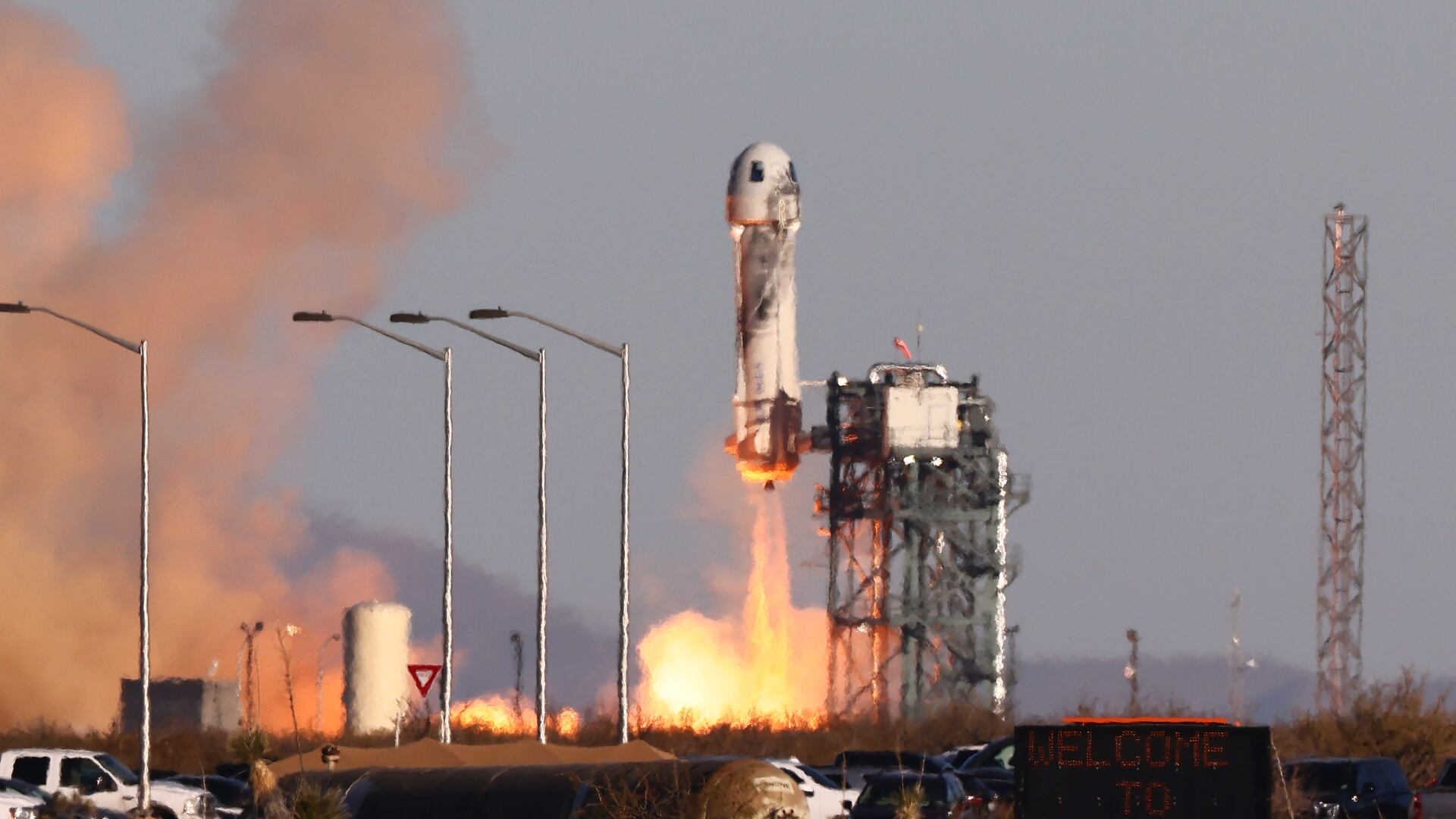
Jeff Bezos’ aerospace company Blue Origin successfully held a fourth civilian launch into space on Thursday. Former NASA Astronaut, Leroy Chiao, joined Cheddar News to talk about the significance of this launch for the future of civilian launches and to discuss the issue of safety. "This is opening space up to more people, raising more awareness, which is good for the entire industry," Chiao said. He also discussed the nature of pricing the tickets for space tourism.
The most popular and most valuable cryptocurrency is also the least eco-friendly - data shows that Bitcoin mining generates the same amount of carbon emissions as the entire country of Thailand. According to nonprofit Fair Planet, 96 million tons of carbon dioxide emissions come from Bitcoin mining every year. Now, a consortium of climate activist groups is calling on the Bitcoin industry to cut its energy use by making changes to its software code. Michael Brune, former executive director of the Sierra Club, joins Cheddar News' Closing Bell to discuss.
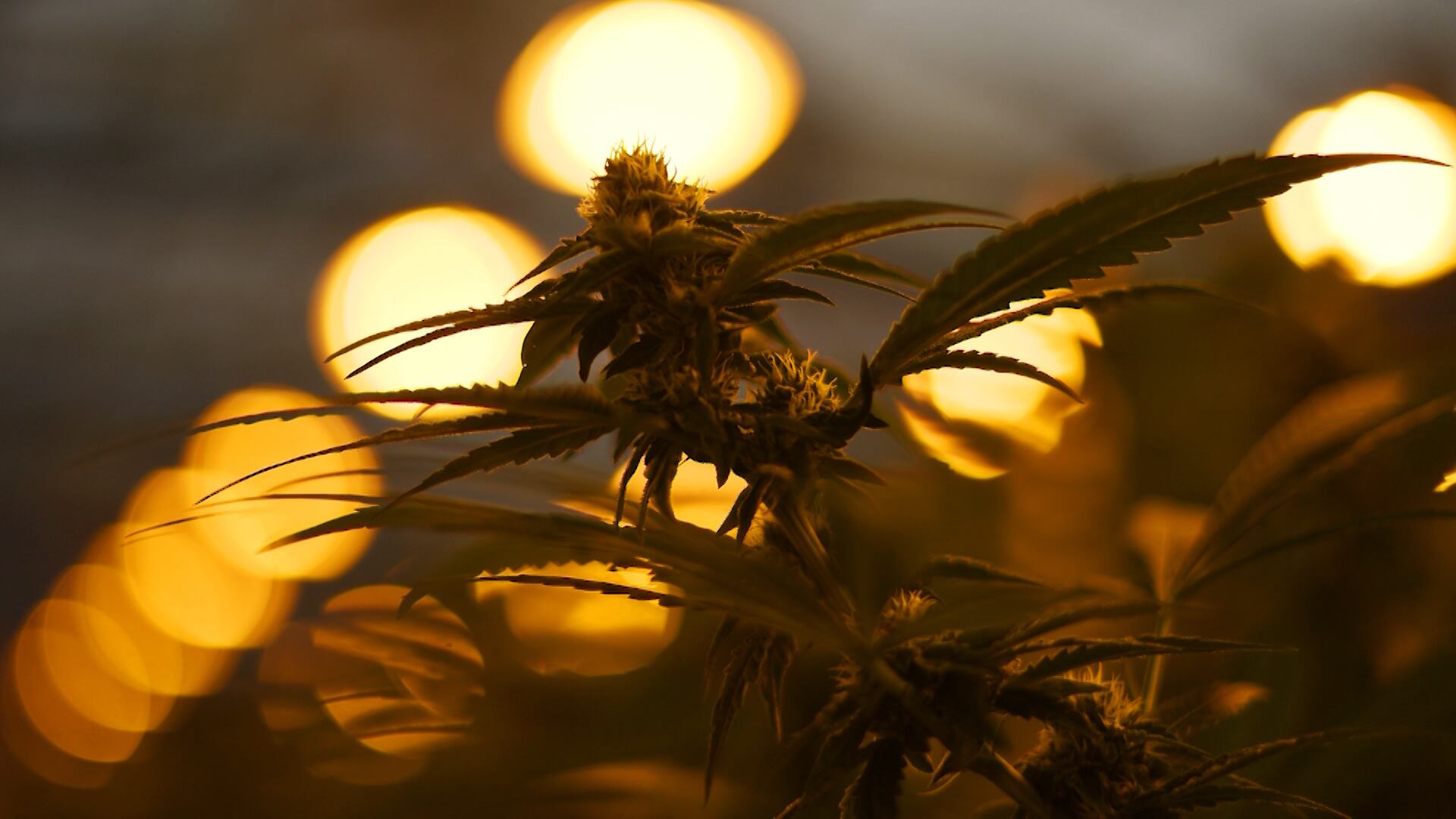
A cannabis software startup is offering a first-of-its-kind perk for its employees - reimbursements for legal cannabis purchases. Jointly Better bills itself as an experience-based cannabis wellness tracker and product platform. In an attempt to attract top talent, the company will reimburse up to $150 a month for its workers' lawful cannabis purchases. David Kooi, co-founder and CEO of Jointly, joins Cheddar News' Closing Bell to discuss.
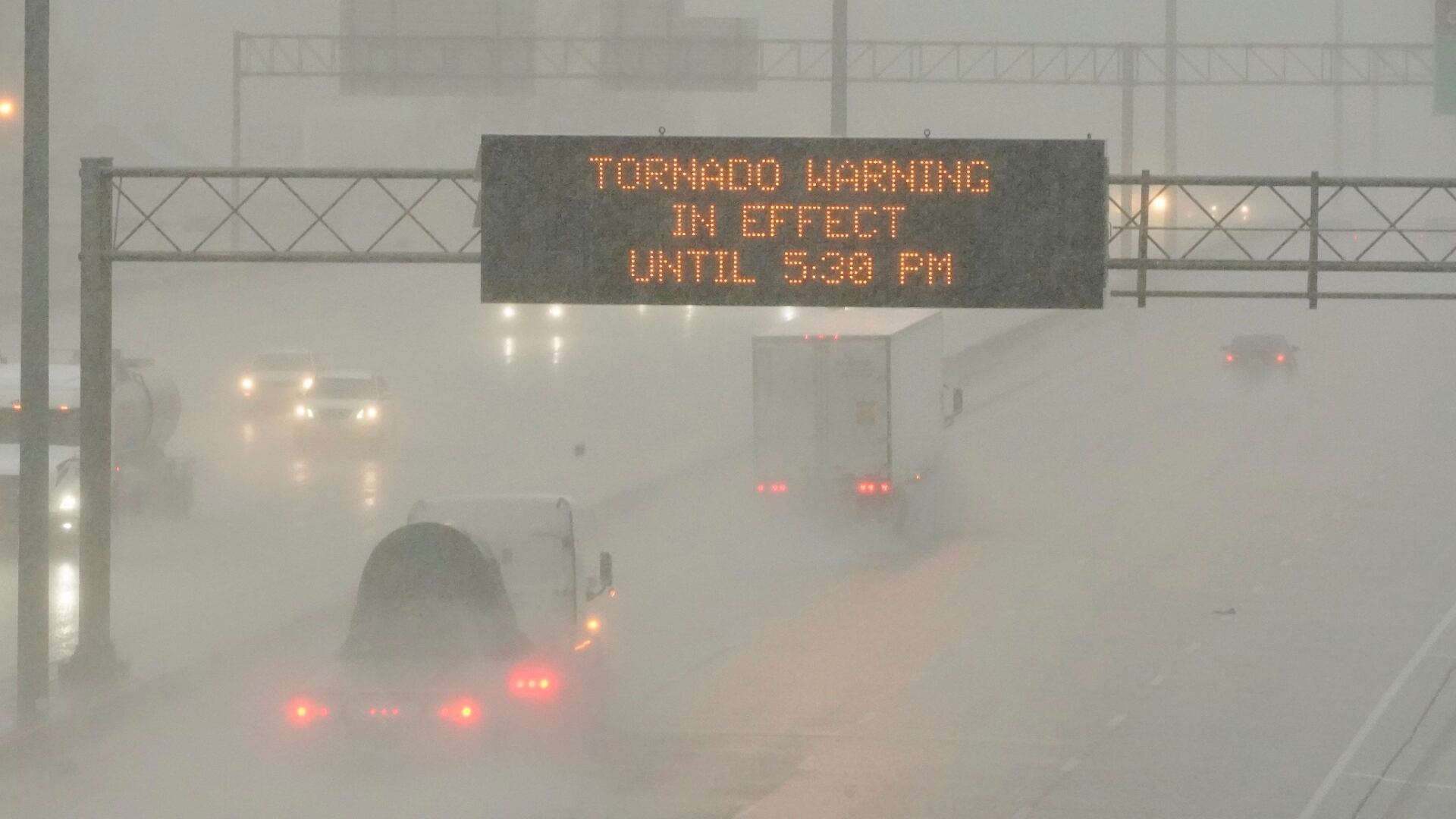
Catching you up on what you need to know on Mar 31, 2022, with updates on Biden's push for more COVID funding, a wave of storms hammering the South, Etsy sellers going on strike, and more.
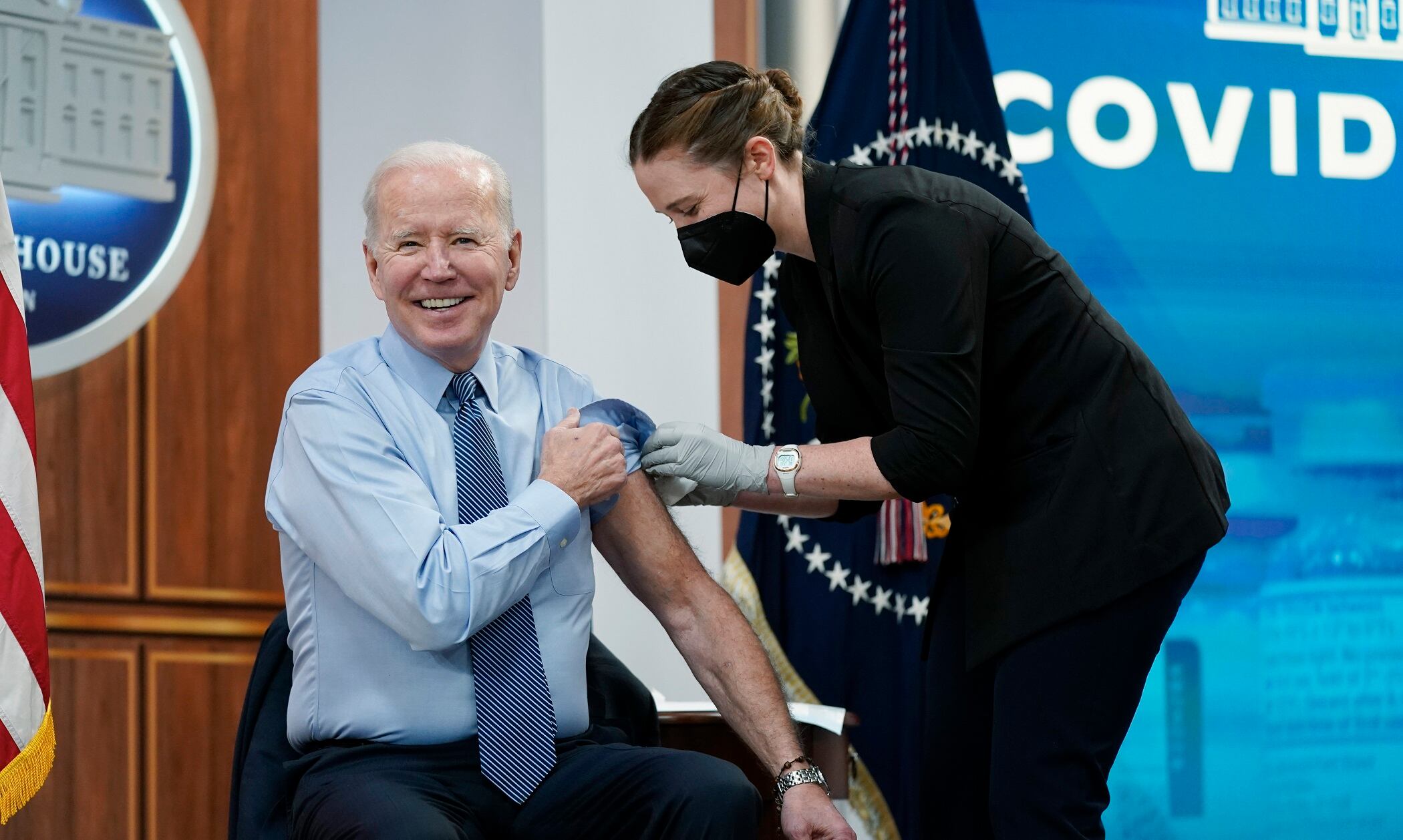
President Joe Biden has gotten a second booster dose of the Pfizer COVID vaccine, and he used the occasion Wednesday to call on Congress to pass billions of dollars in additional funding to fight the pandemic.
Catching you up on what you need to know on March 30, 2022, with updates on what is happening in Kyiv, the FDA releases plans for a fourth dose of COVID vaccines, COVID subvariant BA.2 becomes dominant variant in the U.S., employees at Conde Nast form a union, and more.
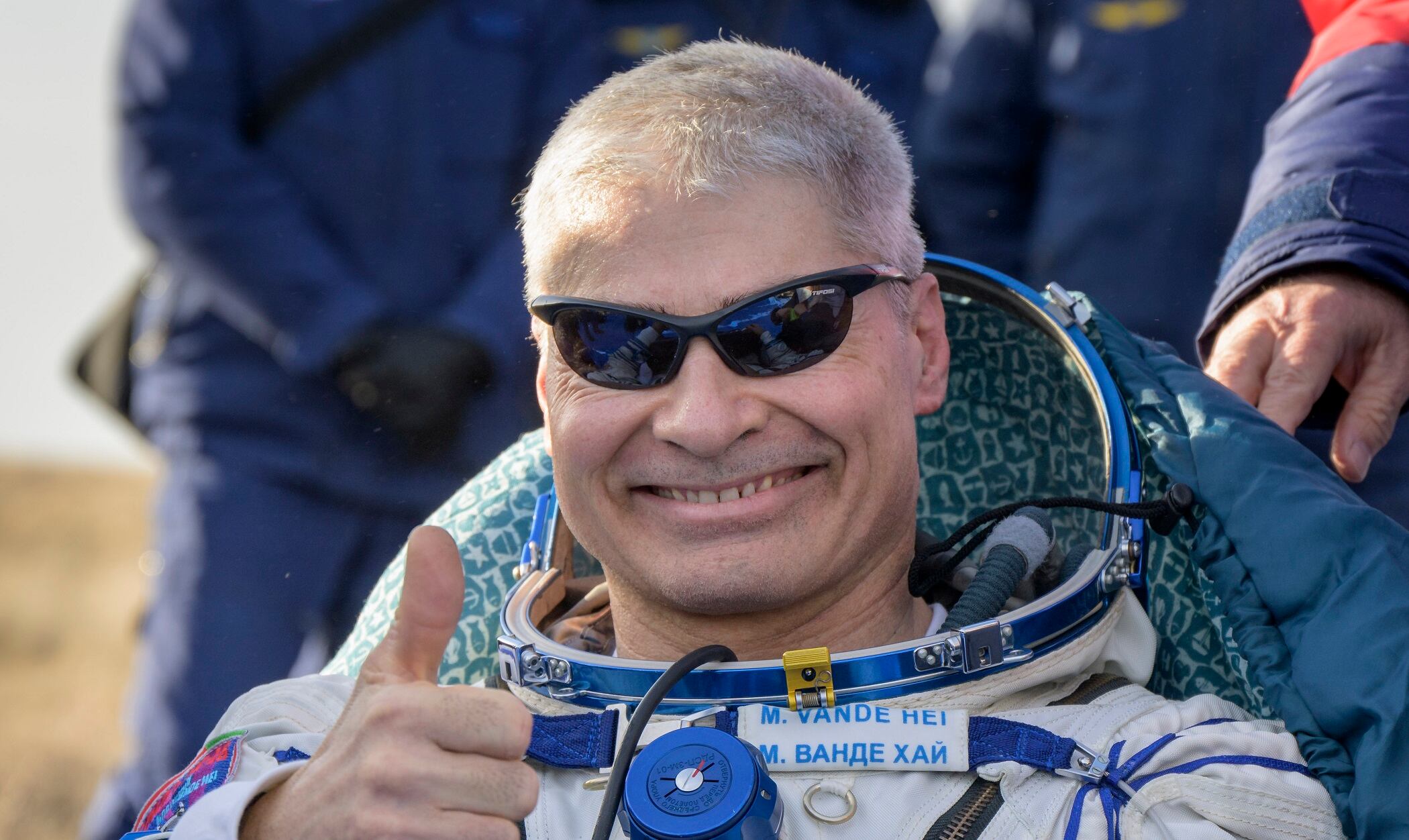
A NASA astronaut is back on Earth after a yearlong, record-setting spaceflight. He caught a Russian ride from the International Space Station on Wednesday with two cosmonauts.
Blue Origin is gearing up for its first launch of the year, set for March 31st, but it's not the only one. NASA is also days away from making history with its first private mission to the International Space Station. Three amateur astronauts, who have each paid about $55 million for their seat, will reach the ISS and spend eight days at the off-earth outpost. Jim Cantrell, CEO and co-founder of Phantom Space, joins Cheddar News to discuss what the future of space tourism may look like.