North Carolina's high-tech Research Triangle may get even more advanced in years to come.
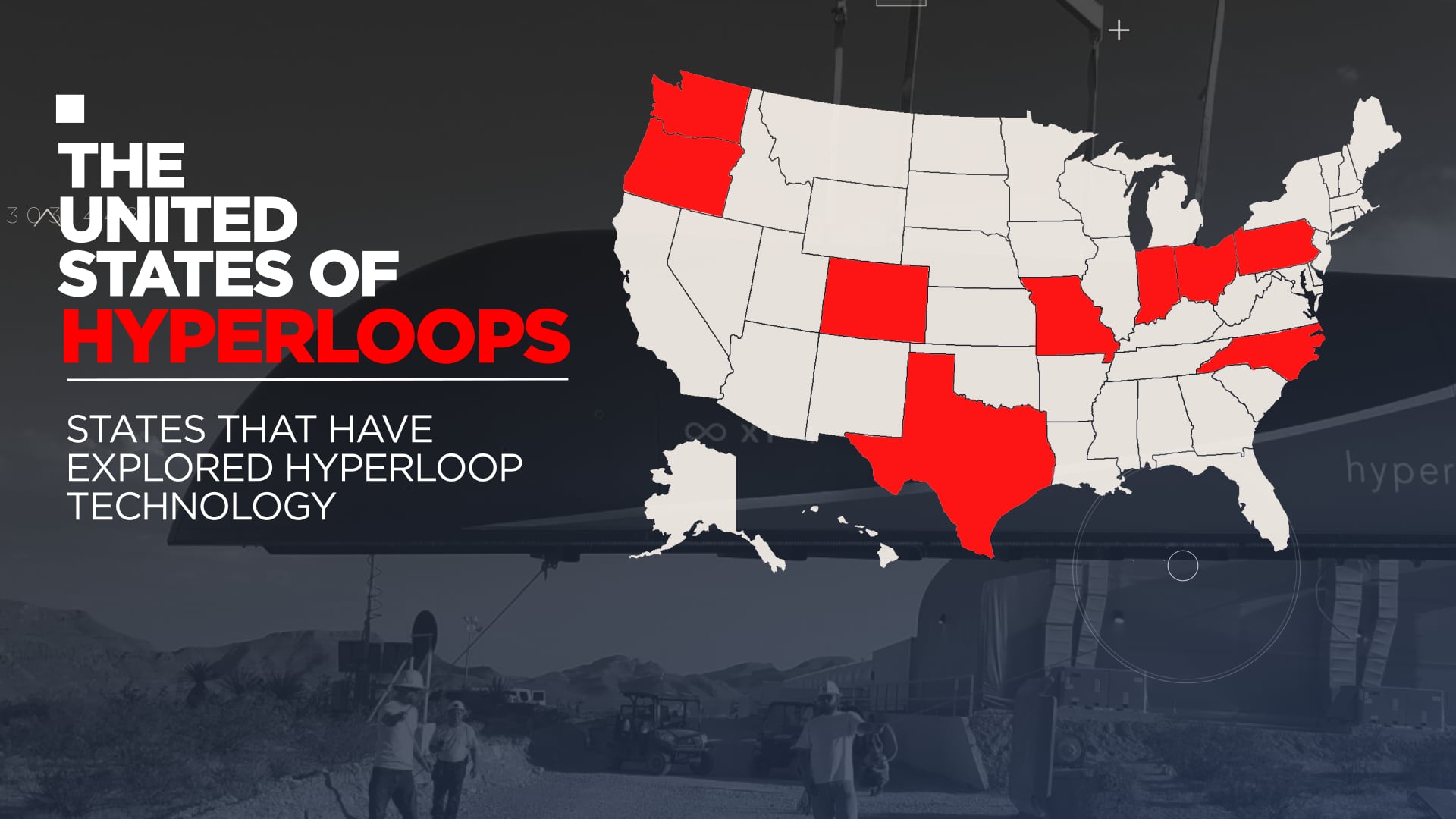
The Tar Heel State announced on Friday that it is exploring options to bring Virgin Hyperloop One technology to the Raleigh-Durham-Chapel Hill corridor, which has grown into a hub for technology companies and research universities.
"You can literally begin to start thinking about the cities like they're metro stops," Jay Walder, the CEO of Virgin Hyperloop One, told Cheddar. North Carolina's inquiry makes it the ninth state to explore hyperloop as a potential regional transportation system.
"We have stopped our imagination somewhere around 1956, which is when the interstate highway system was created, and it is time to restart our imagination," Walder said.
Virgin Hyperloop One, which was developed by Virgin founder Richard Branson, is the first company to successfully operate a full-scale hyperloop vehicle system, which uses electric propulsion and electromagnetic levitation in depressurized tubes to propel vehicles at hundreds of miles per hour.
"Imagine being in a super-fast vehicle that is completely smooth, no turbulence moving at airline speed," Walder added.
Although still in its early stages, hyperloop technology is proving to be a far faster, safer, and more environmentally friendly alternative to traditional forms of transportation, according to the company.
"The Research Triangle area is uniquely positioned from a technology focus, spatial layout, and favorable mid-East Coast location to benefit from a hyperloop travel solution that could quickly link America's R&D cities of Raleigh and Durham with each other and with neighboring regions in the southeast and mid-Atlantic," Joe Milazzo II, the executive director of North Carolina's Regional Transportation Alliance, said in a statement.
Trips between Raleigh, Durham, and Chapel Hill are expected to be under 10 minutes, according Virgin Hyperloop One's initial estimates.
"You can take it a step further — Raleigh-Durham to Washington DC it just over 35 minutes," Walder told Cheddar.
Payment processor Paypal will roll out a Venmo option for Amazon customers beginning in 2022 as the payment app continues to grow the number of merchants it works with.
Facebook officially announced that it is shutting down its facial recognition software which identifies users in photos and videos. The decision comes during growing societal concerns over the use of the technology. Cathy Hackl, Tech futurist and CEO of the Futures Intelligence Group joined Cheddar's Opening Bell.
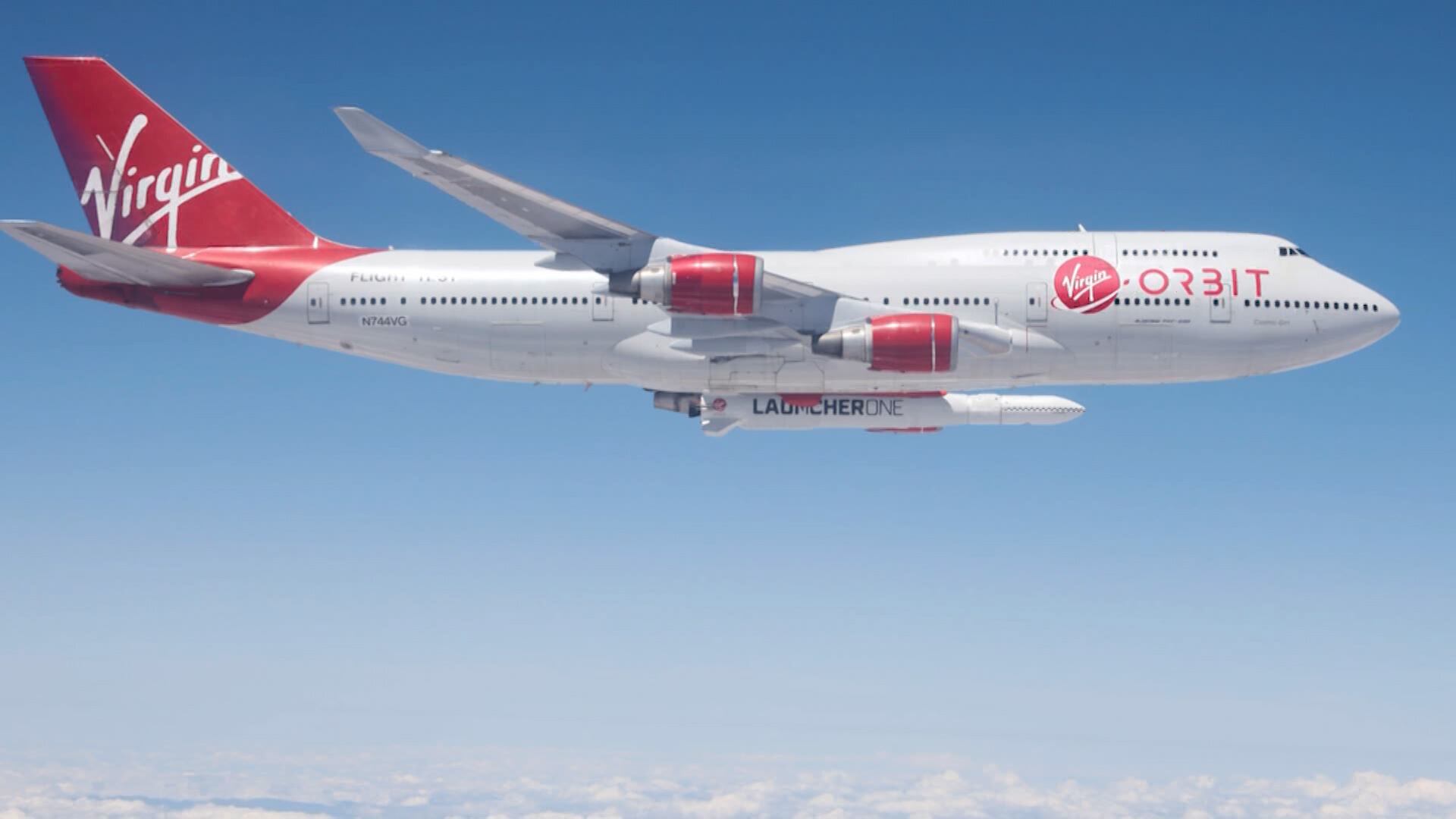
Virgin Orbit is introducing air-launch services to the Eastern Hemisphere for the first time in history. Sir Richard Branson's space launch company has signed an agreement with ANA Holdings, the owners of Japan's largest airline, to procure 20 flights of its LauncherOne rocket from an airport in Japan, a big boost for the aerospace industry in Asia. Dan Hart, CEO of Virgin Orbit, joined Cheddar to discuss the new partnership, the future of air launch, and how small satellites can help monitor climate change impacts.
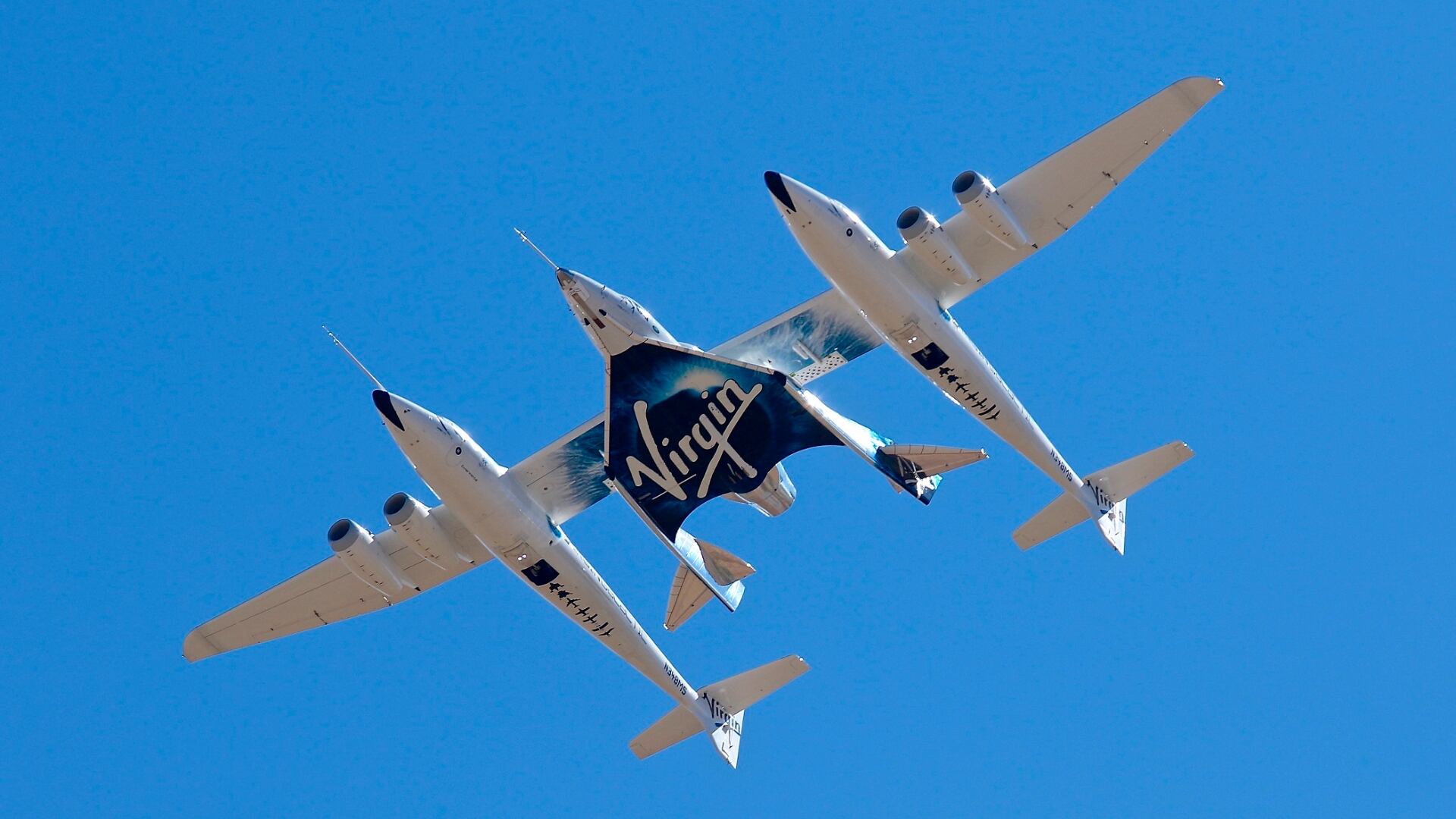
Virgin Galactic is reporting an increase in demand for commercial space flights after seeing a boost in ticket sales, raising the price for a seat on a shuttle to $450,000. The company said they now have 700 customers.
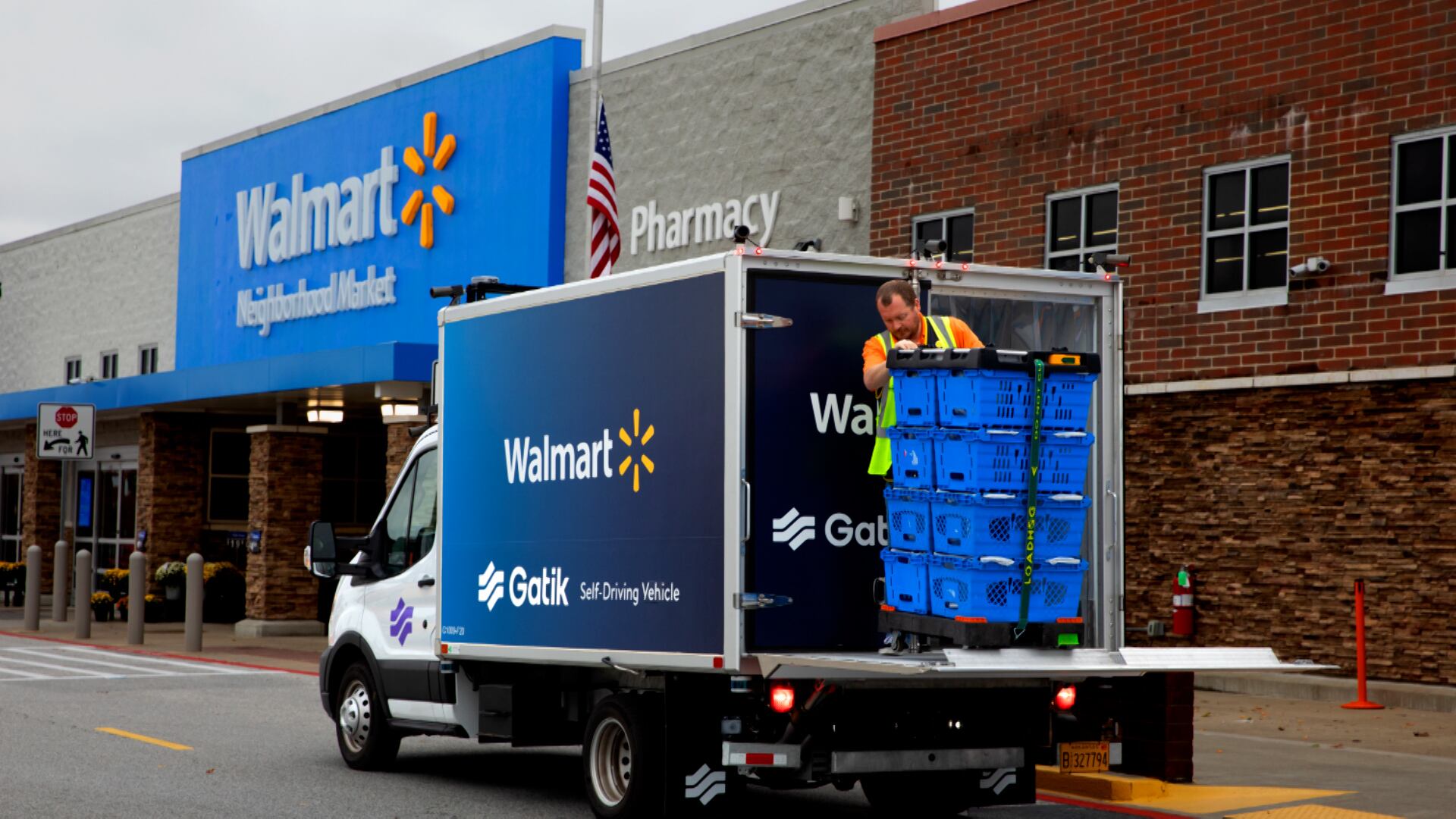
Walmart has joined forces with robotruck start-up Gatik to deploy driverless grocery delivery. We spoke to the CEO and co-founder of Gatik to discuss how the technology works and how autonomous vehicles will help ease supply chain issues.
At least 7 million customers have been impacted by a data breach on the investing app Robinhood. The specific information that was leaked varied by each customer, but Robinhood stated that hackers did not access social security numbers or banking information.
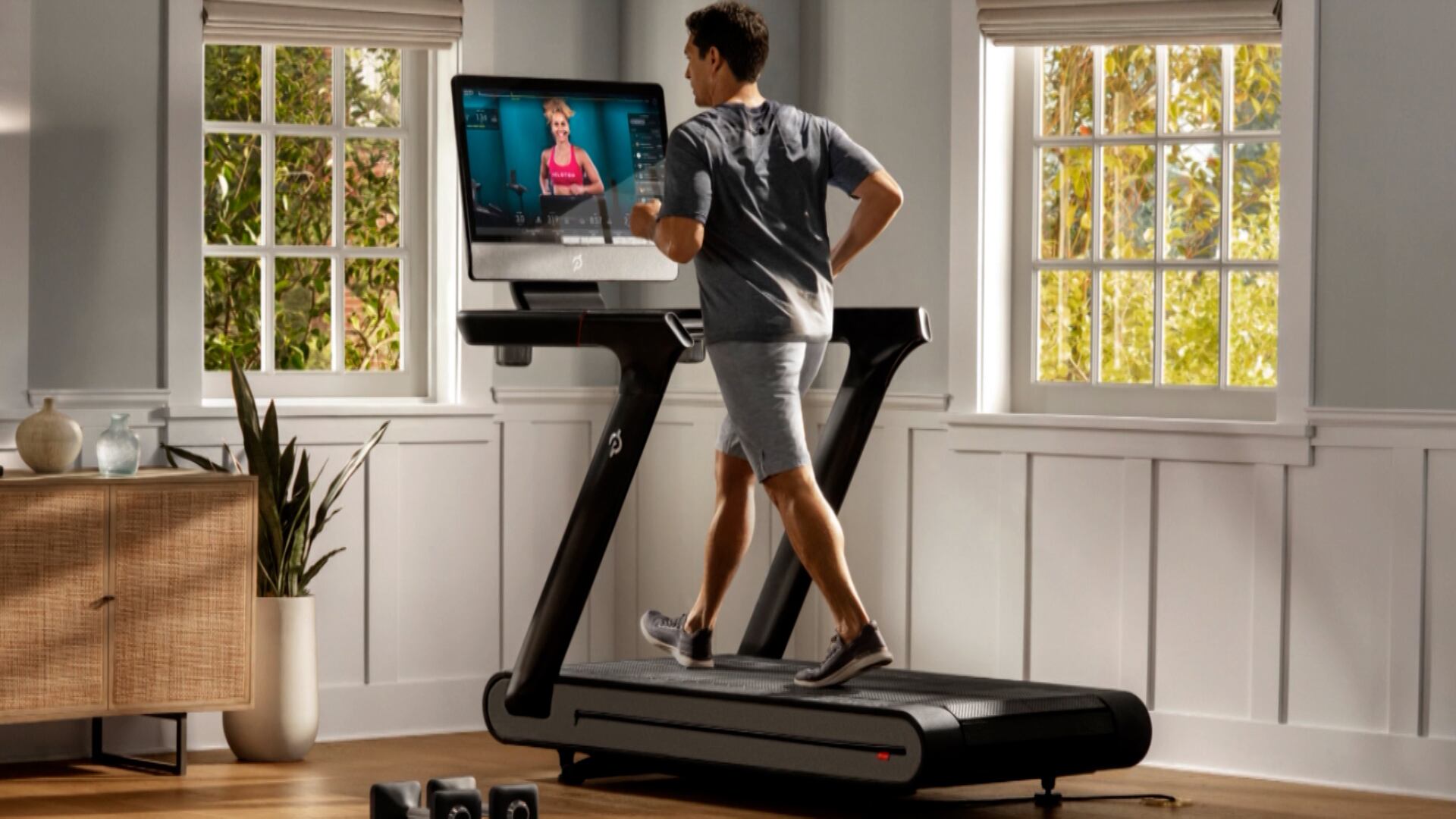
Doug Astrop, managing partner at Exponential Investment Partners, joined Cheddar to discuss Peloton's precipitous price drop, and whether the company can recover as the at-home workout trend tapers off. "They've lowered the prices on their equipment to try to attract a bigger audience because ultimately they're sort of headed to this Apple ecosystem model where they can monetize a loyal customer base," he said. Astrop noted that he believes there is a reality where the in-person gym experience and Peloton's at-home programs can co-exist.
Jill and Carlo discuss the scenes of joy at American airports as borders reopen, another tool in the Covid toolbox, the latest in the Astroworld crowd crush tragedy and more.