North Carolina's high-tech Research Triangle may get even more advanced in years to come.
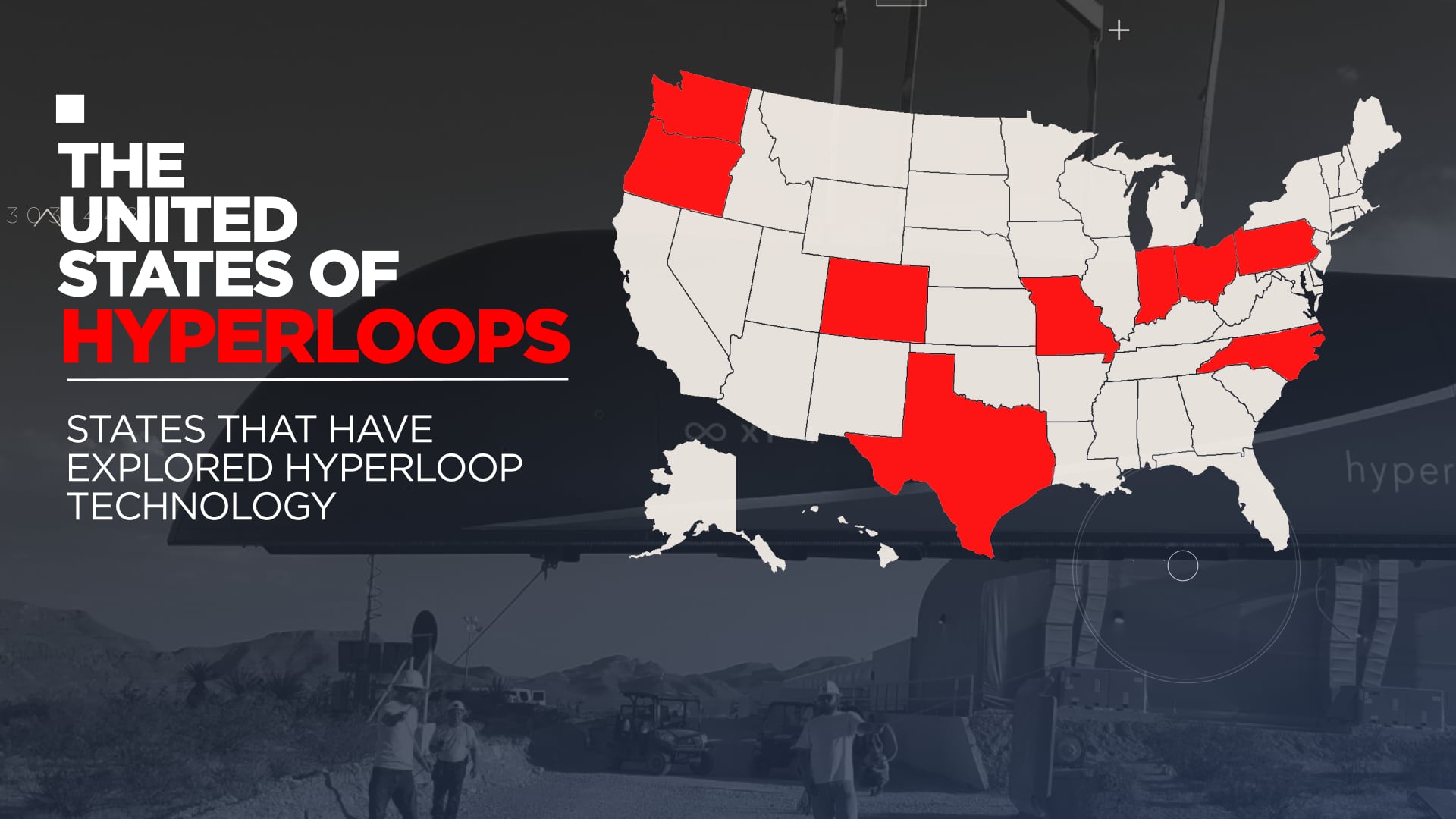
The Tar Heel State announced on Friday that it is exploring options to bring Virgin Hyperloop One technology to the Raleigh-Durham-Chapel Hill corridor, which has grown into a hub for technology companies and research universities.
"You can literally begin to start thinking about the cities like they're metro stops," Jay Walder, the CEO of Virgin Hyperloop One, told Cheddar. North Carolina's inquiry makes it the ninth state to explore hyperloop as a potential regional transportation system.
"We have stopped our imagination somewhere around 1956, which is when the interstate highway system was created, and it is time to restart our imagination," Walder said.
Virgin Hyperloop One, which was developed by Virgin founder Richard Branson, is the first company to successfully operate a full-scale hyperloop vehicle system, which uses electric propulsion and electromagnetic levitation in depressurized tubes to propel vehicles at hundreds of miles per hour.
"Imagine being in a super-fast vehicle that is completely smooth, no turbulence moving at airline speed," Walder added.
Although still in its early stages, hyperloop technology is proving to be a far faster, safer, and more environmentally friendly alternative to traditional forms of transportation, according to the company.
"The Research Triangle area is uniquely positioned from a technology focus, spatial layout, and favorable mid-East Coast location to benefit from a hyperloop travel solution that could quickly link America's R&D cities of Raleigh and Durham with each other and with neighboring regions in the southeast and mid-Atlantic," Joe Milazzo II, the executive director of North Carolina's Regional Transportation Alliance, said in a statement.
Trips between Raleigh, Durham, and Chapel Hill are expected to be under 10 minutes, according Virgin Hyperloop One's initial estimates.
"You can take it a step further — Raleigh-Durham to Washington DC it just over 35 minutes," Walder told Cheddar.
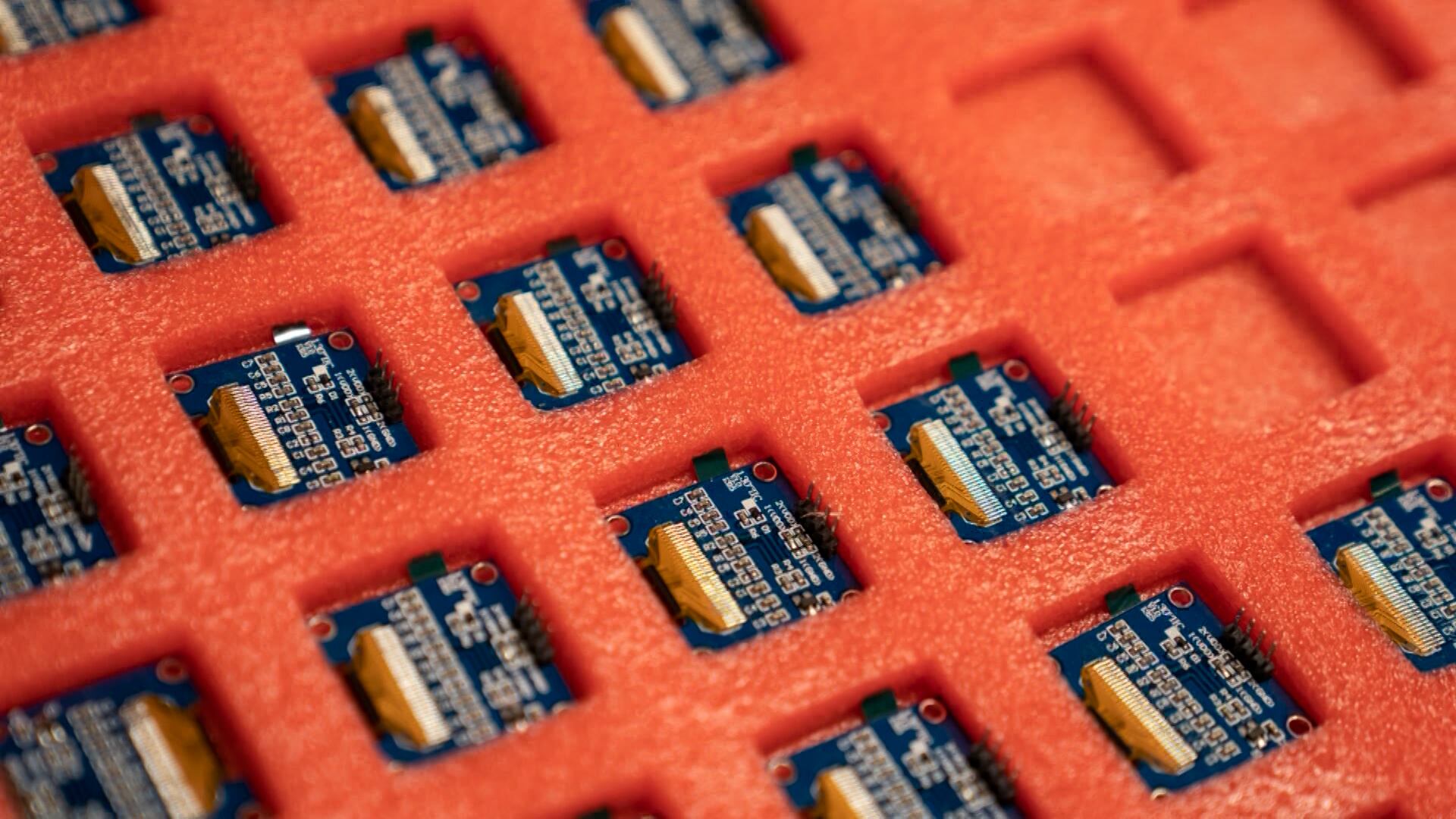
Daniel Newman, Founding Partner and Principal Analyst at Futurum Research, joins Cheddar News' Closing Bell, where he says the markets are going to feel very uncomfortable receiving news of more potential setbacks for chip manufacturers after already enduring a lengthy chip shortage.
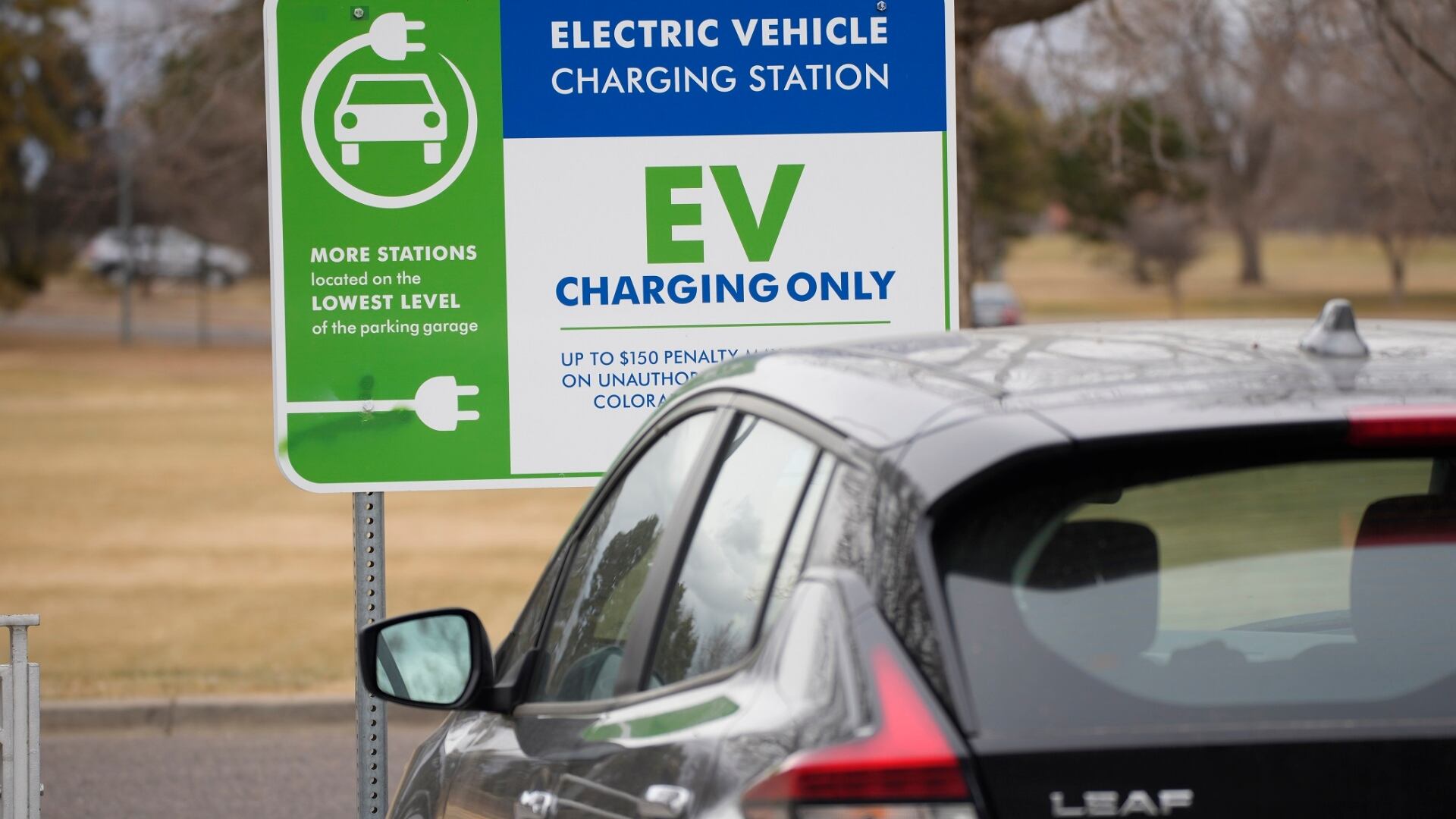
The federal government and numerous industries have been preparing for a greener future, setting goals to reduce greenhouse emissions by switching to electric vehicles. But the next hurdle to clear is convincing the wider public to get on board. Arun Kumar, managing director in automotive practice at AlixPartners, spoke to Cheddar's Ken Buffa about consumer trends related to EV transition and said he believes a widespread switch is imminent in 2022. Despite this, he acknowledged there are still significant obstacles to overcome, including high prices and more charging stations. "Without charging infrastructure, people are going to struggle with increasing adoption of electric vehicles in the future," Kumar told Cheddar. "I think by 2030 our estimate is that about a million chargers need to be put in place nationally in the U.S."
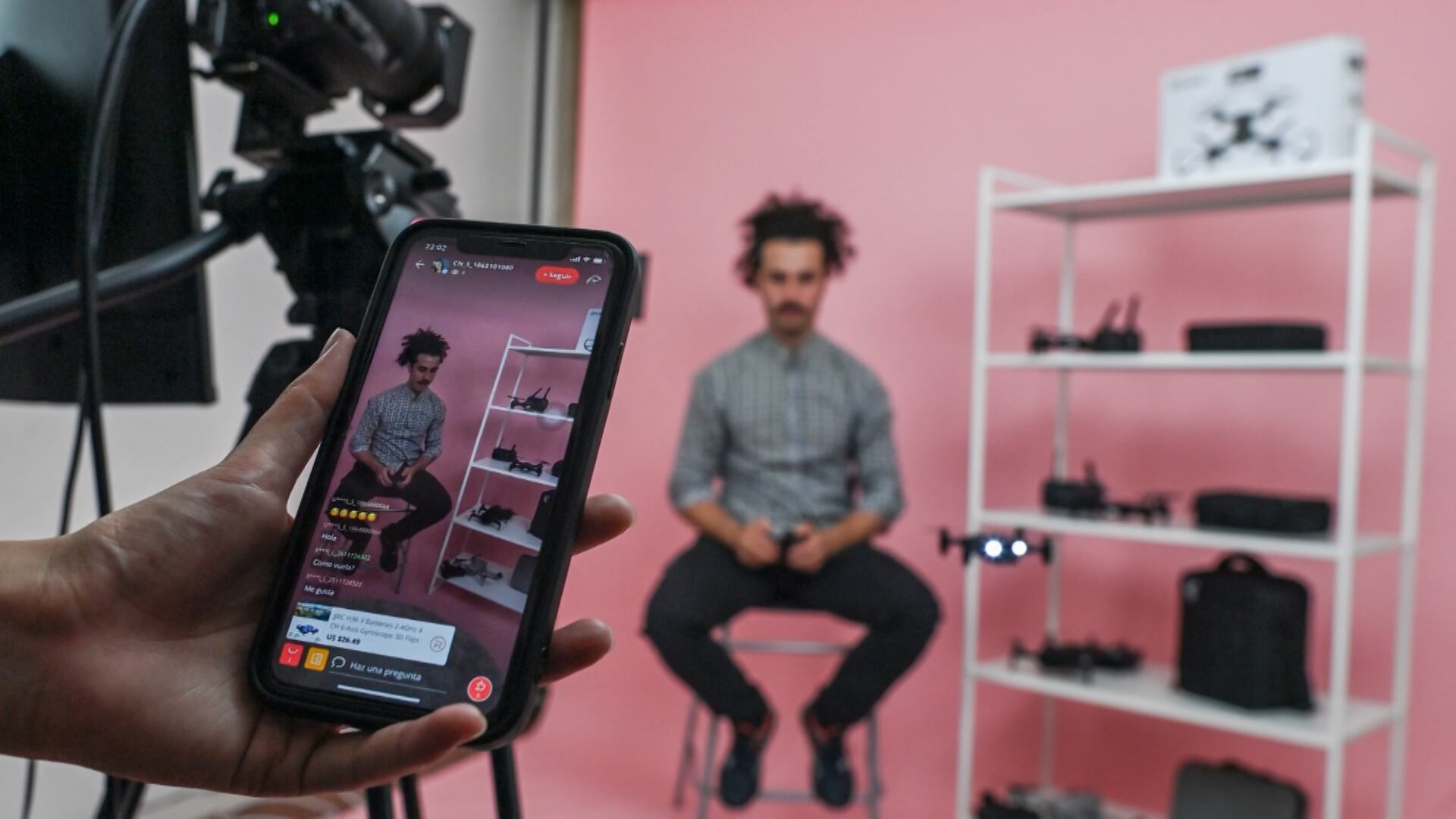
The pandemic has supercharged the creator economy, and there are no signs of it slowing down no matter when the pandemic officially ends. Creators prove to be a key factor in driving purchasing decisions and retail sales, and an increasing amount of platforms are taking advantage of the social influence. Karissa Bell, senior editor at Engadget, joins cheddar news to discuss the creator economy boom.
The National Women's Soccer League is partnering with Voyager Digital as its first-ever cryptocurrency brokerage in a multi-year deal. Marla Messing, interim CEO of the NWSL, and Steve Ehrlich, CEO of Voyager Digital, joined Cheddar to discuss benefitting the league and educating players and fans as a way of democratizing cryptocurrency. Messing explained that the players themselves will own half the assets as part of how the deal is structured. "My hope is, just in terms of the expectations of crypto over the long term, that I hope a lot of them are able to just let it sit there," she said. "And that one day this will be a nice retirement account for them."
The E-V maker Tesla has had a wild year. The company managed to continue to dominate the U.S. electric vehicle space despite growing competition and production delays. As the end comes to an end, Tesla finds itself growing richer and richer. Author of Risk Ritual Newsletter Richard Smith, joined Cheddar to discuss more.