North Carolina's high-tech Research Triangle may get even more advanced in years to come.
The Tar Heel State announced on Friday that it is exploring options to bring Virgin Hyperloop One technology to the Raleigh-Durham-Chapel Hill corridor, which has grown into a hub for technology companies and research universities.
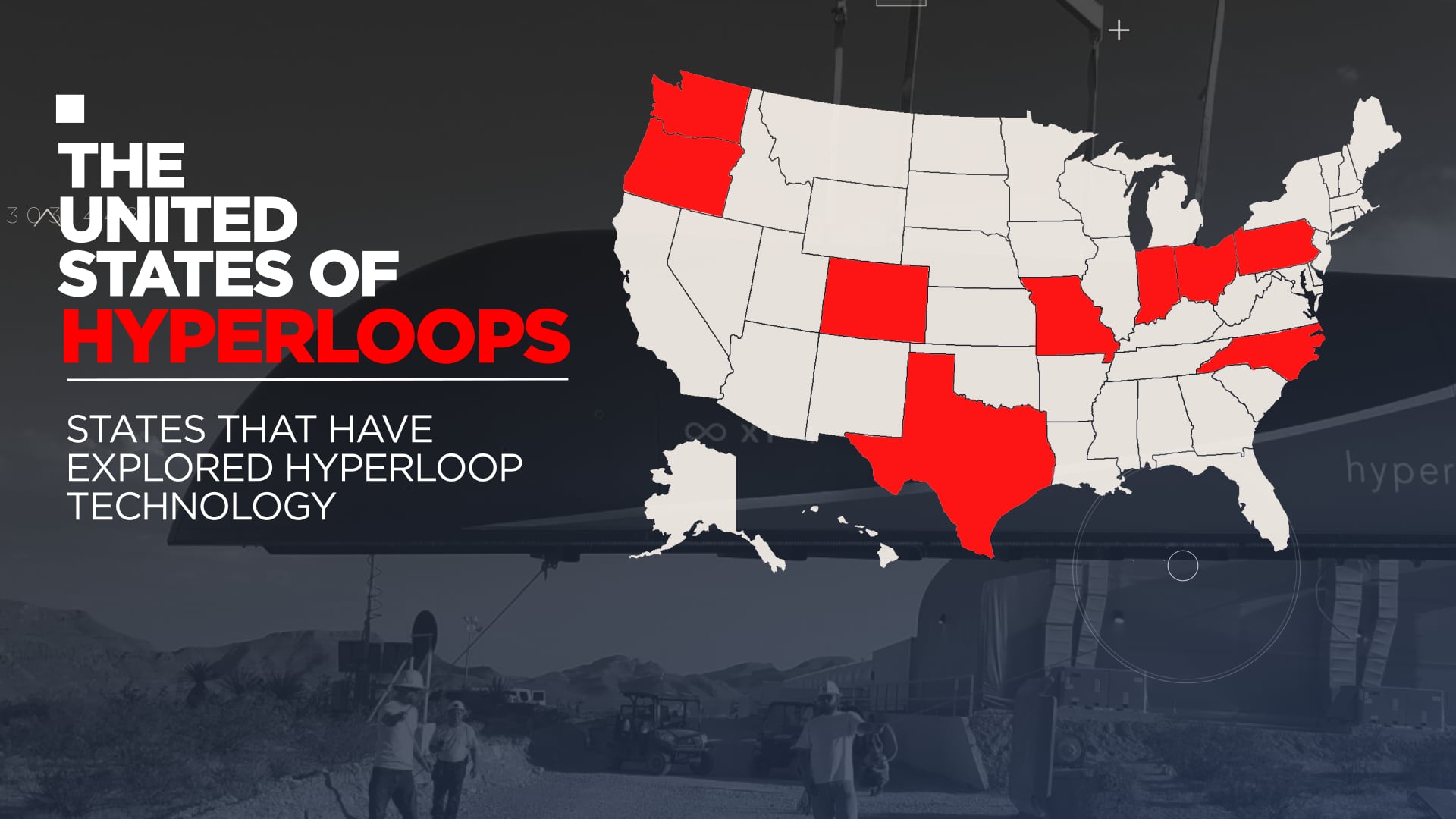
"You can literally begin to start thinking about the cities like they're metro stops," Jay Walder, the CEO of Virgin Hyperloop One, told Cheddar. North Carolina's inquiry makes it the ninth state to explore hyperloop as a potential regional transportation system.
"We have stopped our imagination somewhere around 1956, which is when the interstate highway system was created, and it is time to restart our imagination," Walder said.
Virgin Hyperloop One, which was developed by Virgin founder Richard Branson, is the first company to successfully operate a full-scale hyperloop vehicle system, which uses electric propulsion and electromagnetic levitation in depressurized tubes to propel vehicles at hundreds of miles per hour.
"Imagine being in a super-fast vehicle that is completely smooth, no turbulence moving at airline speed," Walder added.
Although still in its early stages, hyperloop technology is proving to be a far faster, safer, and more environmentally friendly alternative to traditional forms of transportation, according to the company.
"The Research Triangle area is uniquely positioned from a technology focus, spatial layout, and favorable mid-East Coast location to benefit from a hyperloop travel solution that could quickly link America's R&D cities of Raleigh and Durham with each other and with neighboring regions in the southeast and mid-Atlantic," Joe Milazzo II, the executive director of North Carolina's Regional Transportation Alliance, said in a statement.
Trips between Raleigh, Durham, and Chapel Hill are expected to be under 10 minutes, according Virgin Hyperloop One's initial estimates.
"You can take it a step further — Raleigh-Durham to Washington DC it just over 35 minutes," Walder told Cheddar.
Rene Ritchie, independent tech analyst and co-founder of the Nebula Podcast, joins Cheddar News' Closing Bell, where he breaks down what investors will be looking for from Mark Zuckerberg this week and how the tech giants stack up when it comes to augmented reality and virtual reality products going forward.
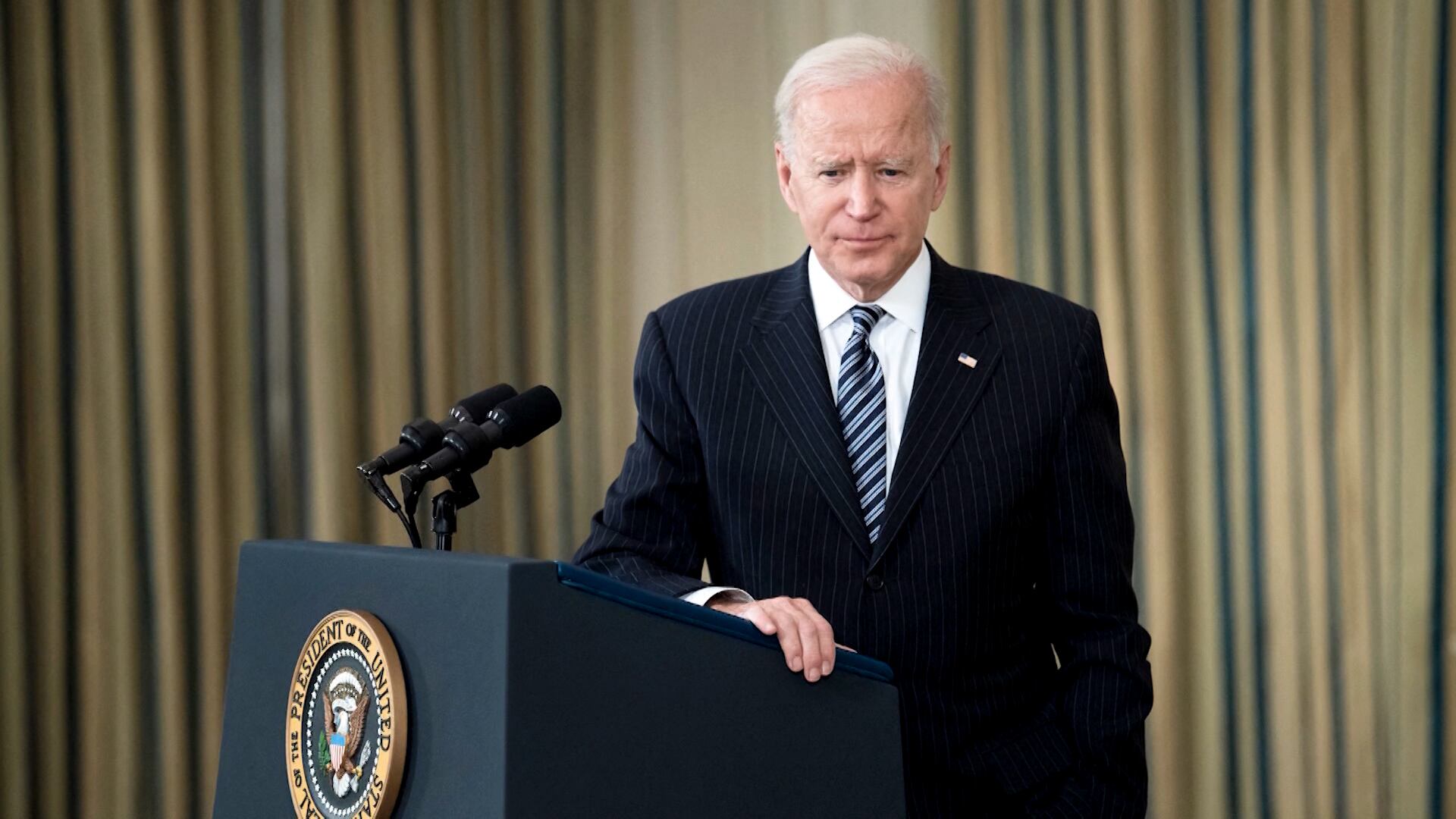
According to multiple reports, President Biden's upcoming executive order for the crypto marke would assign some government entities to study cryptocurrencies, stablecoins and NFT's with the goal of developing a workable regulatory framework. Douglas Borthwick, Chief Business Officer at INX, joins Cheddar News' Closing Bell, where he elaborates on what role the Biden administration would play under this order.
Nutritional supplement beverage company Athletic Greens has achieved unicorn status. The company announced a new $115 million funding round, bringing its valuation to $1.2 billion. The company's flagship product AG1 combines 75 different vitamins, minerals, and other nutrients into one daily serving. Athletic Greens says it is poised to reach the millions of consumers who are currently driving the health and wellness market's exponential growth. Athletic Greens founder and CEO Chris Ashenden joins Cheddar News' Closing Bell to discuss.
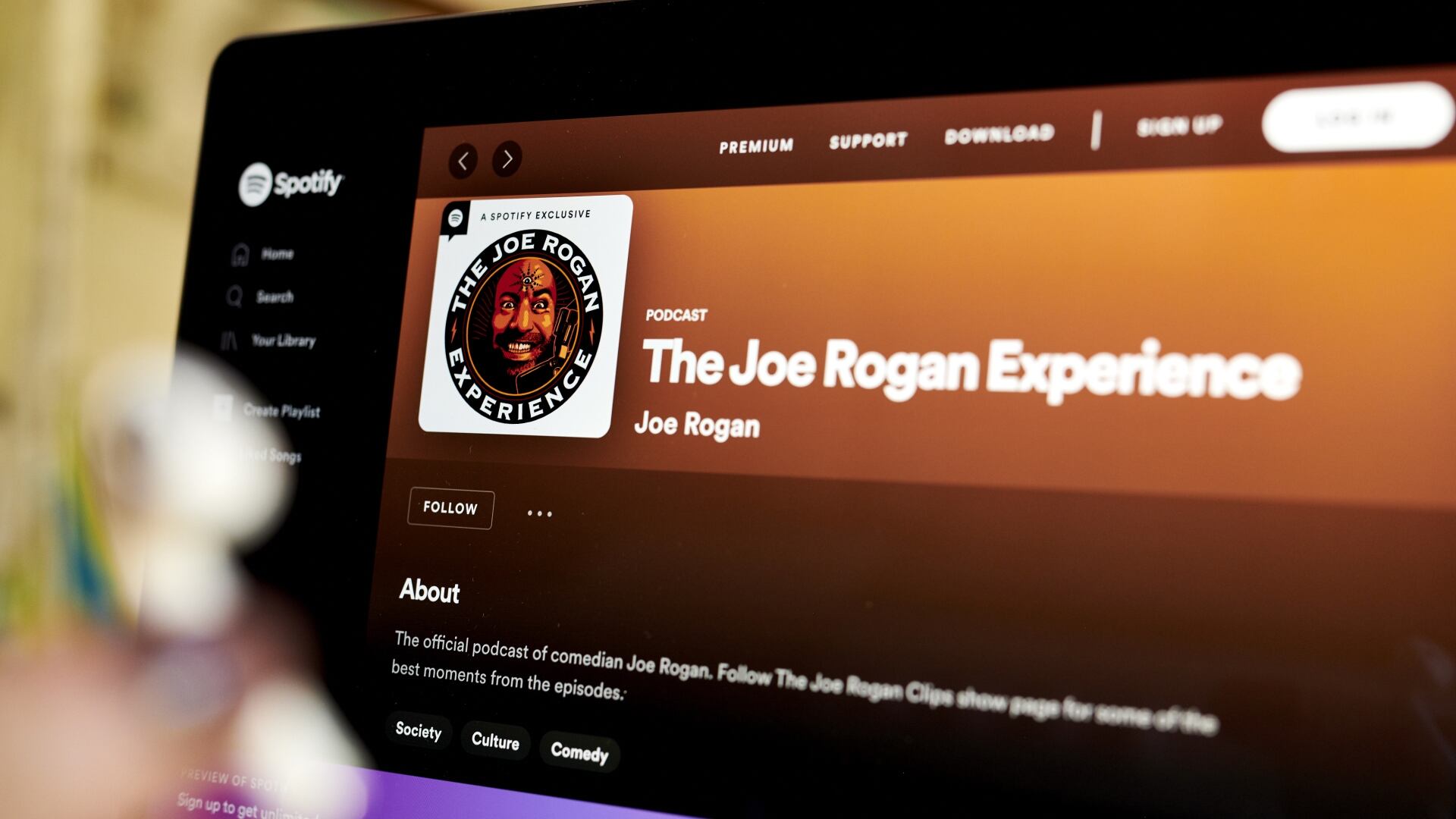
Is Spotify a platform for content creators, or is it a media company? The streaming giant may have to find an answer sooner rather than later amid a controversy involving its most popular podcast host, Joe Rogan. Rogan has hosted guests who have made false claims about COVID-19 vaccines, and in turn, some musicians like Neil Young and Joni Mitchell have removed their discographies from Spotify in protest. Rogan says he welcomes content advisories, and will balance out his guests going forward, but is it enough? And is Spotify liable in any way? John Freeman, Vice President of CFRA Research, joins Closing Bell to discuss Rogan's response to the controversy, whether Spotify should be considered a media company with responsibility for its content, and more.
The gaming industry has seen multiple large scales deals this month alone, including Microsoft's megadeal for Activision Blizzard. And, seemingly in response, rival Sony, picked up Bungie for $3.6 billion, a studio once owned by both Microsoft and Activision. The sector is reportedly on track to spend $150 billion on mergers and acquisitions just this year alone, a record-breaking total, according to investment firm Drake Star Partners. Michael Metzger, a partner at the firm specializing in technology, media, and communications, joined Cheddar to discuss the flurry of deals in the gaming space and what might be behind the hot M&A activity.
Ari Redbord, head of legal and government affairs and TRM Labs, joins Cheddar News to discuss why Facebook is ditching its crypto project and what that means for the space.
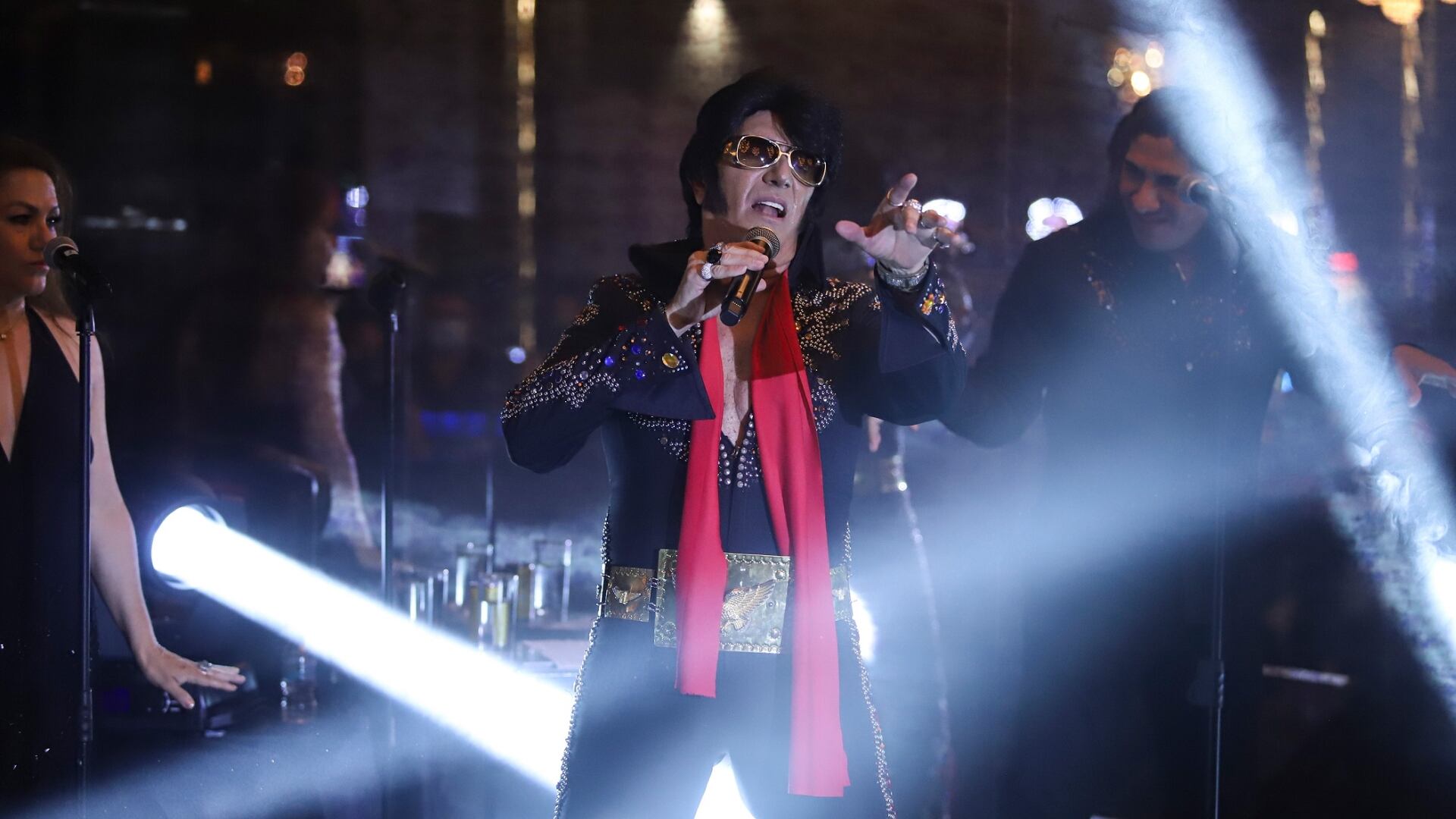
A virtual gathering in the online space, Decentraland, of Elvis Presley impersonators is looking to grab the Guinness World Record for most Elvis impersonators in one place after the record-keeping org recently approved the use of avatars as stand-ins for people.