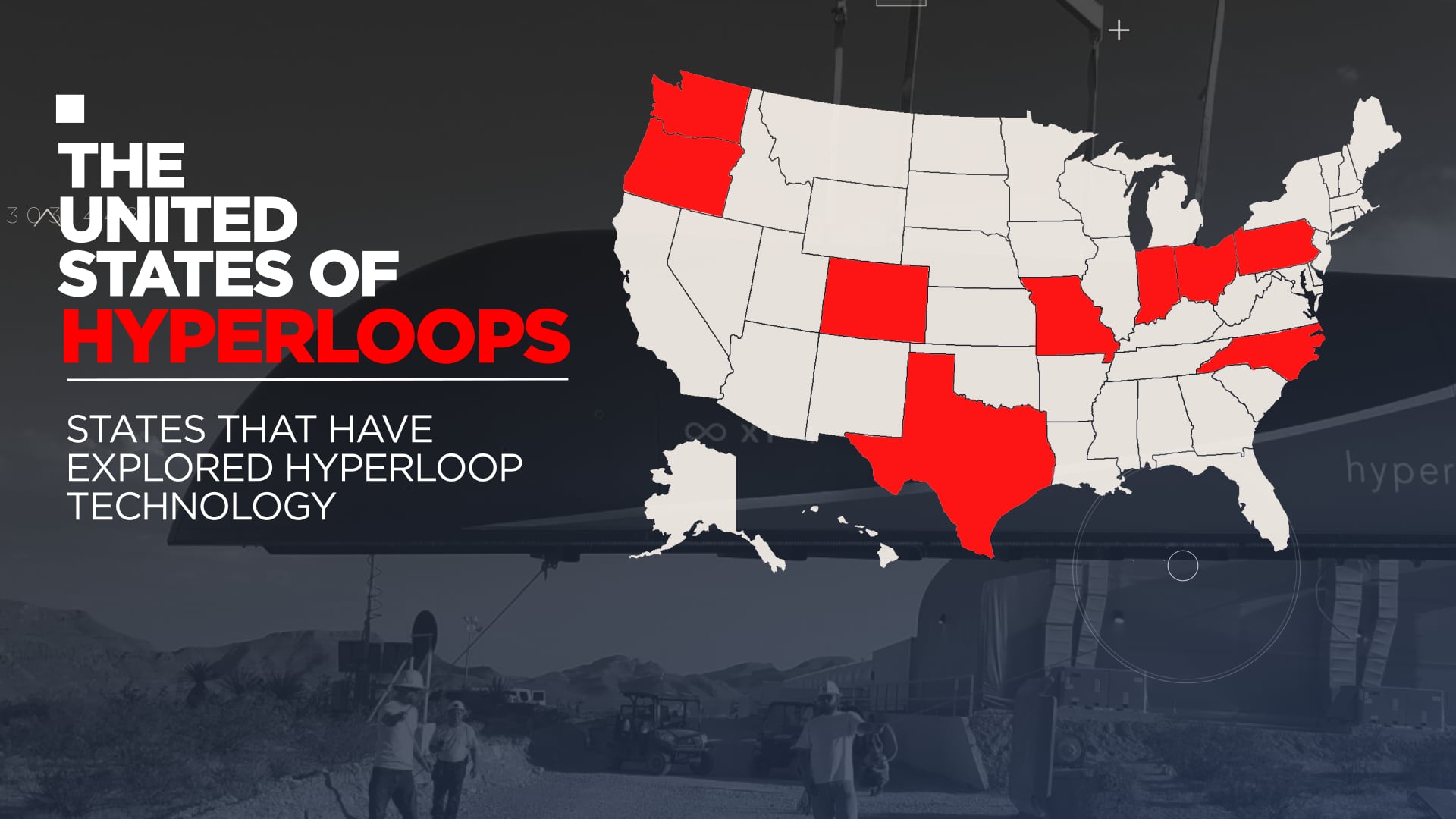
North Carolina's high-tech Research Triangle may get even more advanced in years to come.
The Tar Heel State announced on Friday that it is exploring options to bring Virgin Hyperloop One technology to the Raleigh-Durham-Chapel Hill corridor, which has grown into a hub for technology companies and research universities.
"You can literally begin to start thinking about the cities like they're metro stops," Jay Walder, the CEO of Virgin Hyperloop One, told Cheddar. North Carolina's inquiry makes it the ninth state to explore hyperloop as a potential regional transportation system.
"We have stopped our imagination somewhere around 1956, which is when the interstate highway system was created, and it is time to restart our imagination," Walder said.
Virgin Hyperloop One, which was developed by Virgin founder Richard Branson, is the first company to successfully operate a full-scale hyperloop vehicle system, which uses electric propulsion and electromagnetic levitation in depressurized tubes to propel vehicles at hundreds of miles per hour.
"Imagine being in a super-fast vehicle that is completely smooth, no turbulence moving at airline speed," Walder added.
Although still in its early stages, hyperloop technology is proving to be a far faster, safer, and more environmentally friendly alternative to traditional forms of transportation, according to the company.
"The Research Triangle area is uniquely positioned from a technology focus, spatial layout, and favorable mid-East Coast location to benefit from a hyperloop travel solution that could quickly link America's R&D cities of Raleigh and Durham with each other and with neighboring regions in the southeast and mid-Atlantic," Joe Milazzo II, the executive director of North Carolina's Regional Transportation Alliance, said in a statement.
Trips between Raleigh, Durham, and Chapel Hill are expected to be under 10 minutes, according Virgin Hyperloop One's initial estimates.
"You can take it a step further — Raleigh-Durham to Washington DC it just over 35 minutes," Walder told Cheddar.
Energy Impact Partners is a VC firm committed to helping the world move toward a more sustainable future. The tech-focused fund aims to reach $350 million for its Deep Decarbonization Frontier Fund,' which aims to support early-stage companies working on innovative solutions. Energy Impact Partners' Managing Director Andy Lubershane joined Cheddar Climate to discuss.
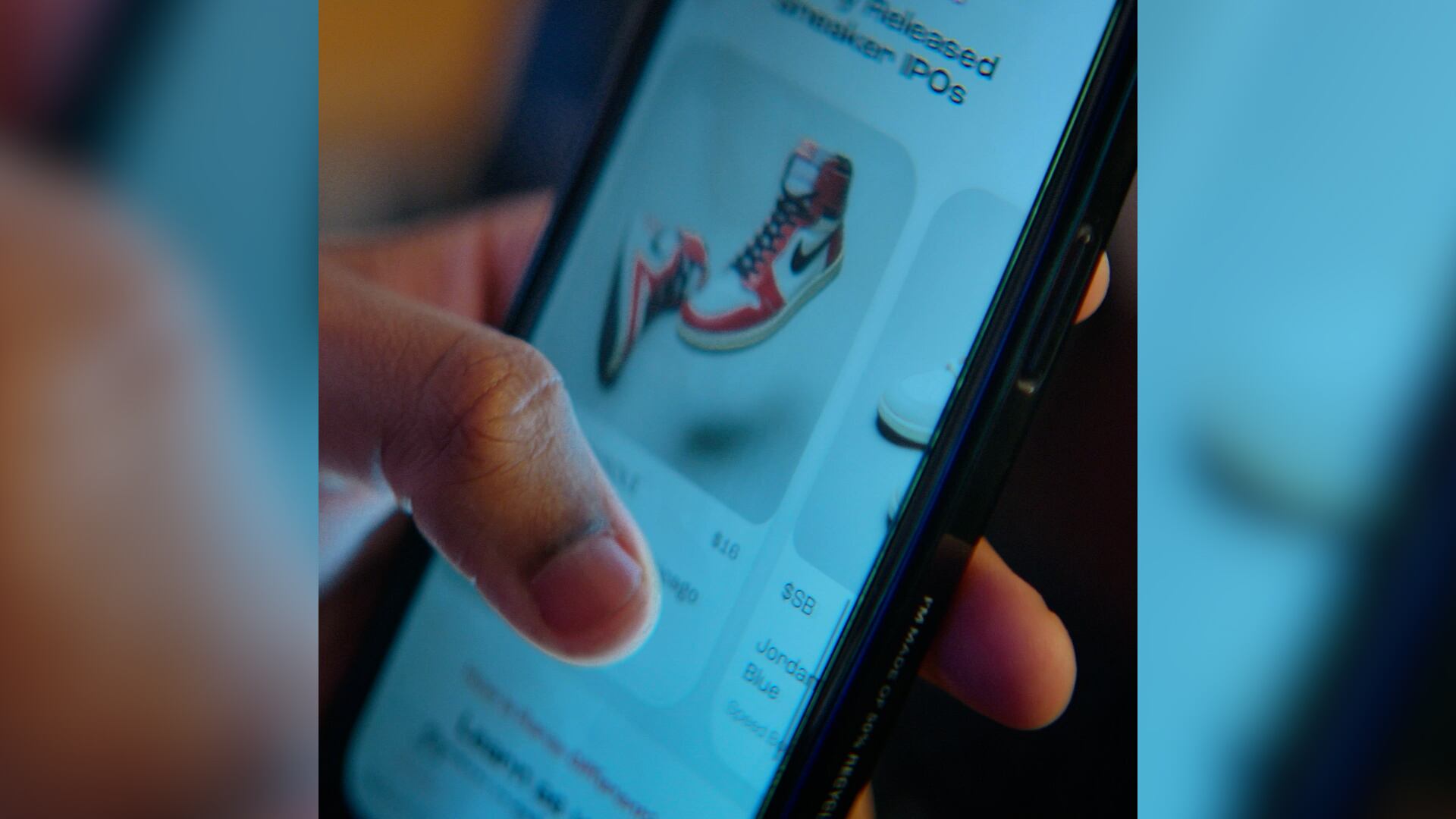
Over the years we have heard a number of ways people can invest. However, have you thought about how you could invest in sneakers? Well, one platform says you can do that and more.RARE is an investment platform for sneakers that allows users to easily invest in the sneaker culture by giving them the opportunity to buy and trade shares of rare shoes and letting users own some of the most sought-after kicks at a fractional level. Rare says the goal is to empower the communities who made sneakers what they are today and give everyone a piece of the pie. CEO of RARES, Gerome Sapp, joined Cheddar to discuss more.
Crypto is increasingly becoming a hotspot for criminals and fraud with cryptocurrency crime reaching a record-breaking high. reports show scammers took $14 billion worth of crypto in 2021 alone. The latest crypto scam is aimed at investors in Binance. Ben Armstrong, the founder of Bitboy Crypto, joins Cheddar News to discuss.
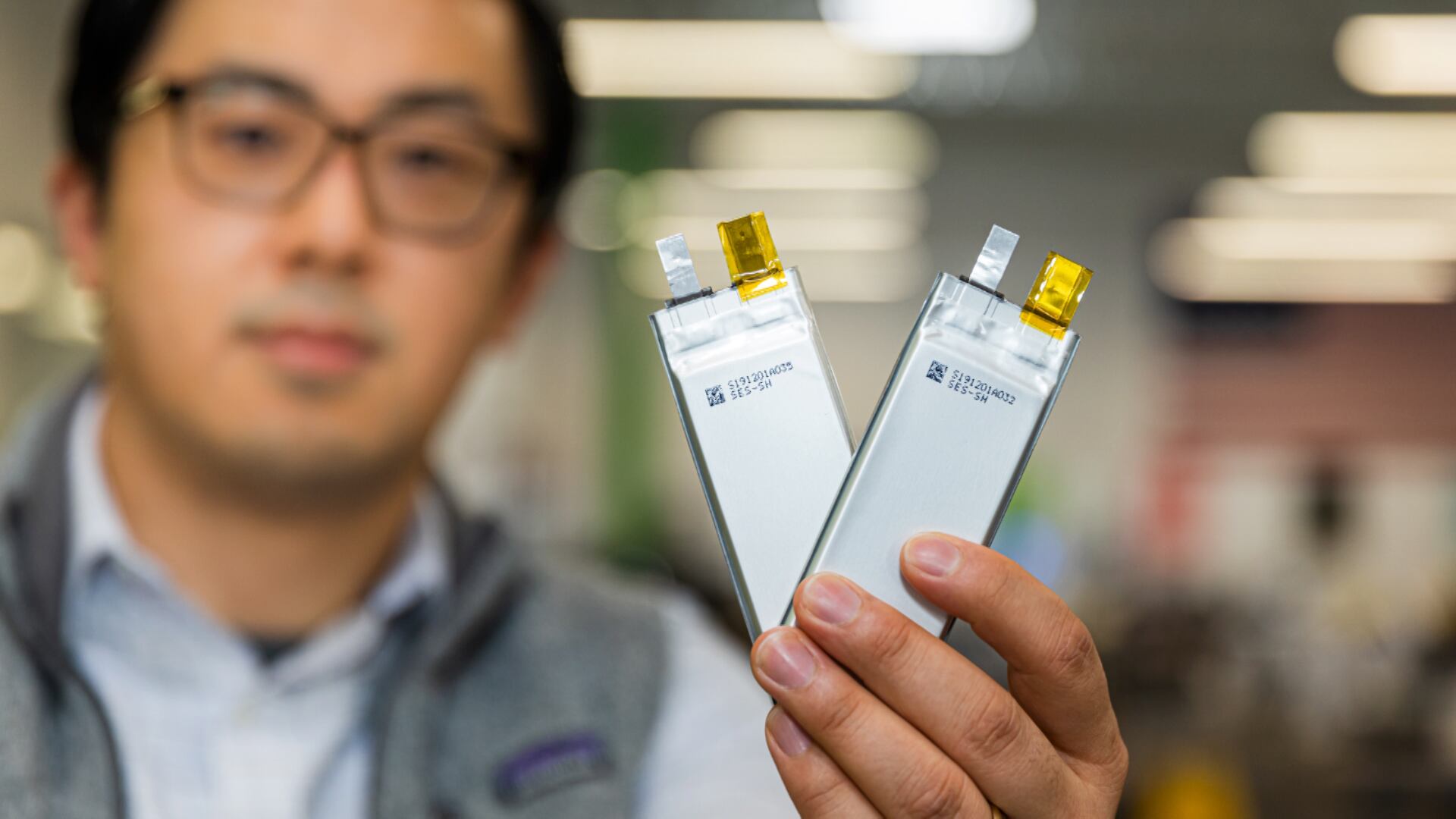
SES Holdings, a leader in production of high-performance hybrid lithium-metal rechargeable batteries for electric vehicles, has arrived on Wall Street. The company went public via SPAC deal and now trades on the New York Stock Exchange under the ticker 'SES.' Qichao Hu, founder & CEO, joined Cheddar Movers to discuss the debut as well as what lies ahead for the company.
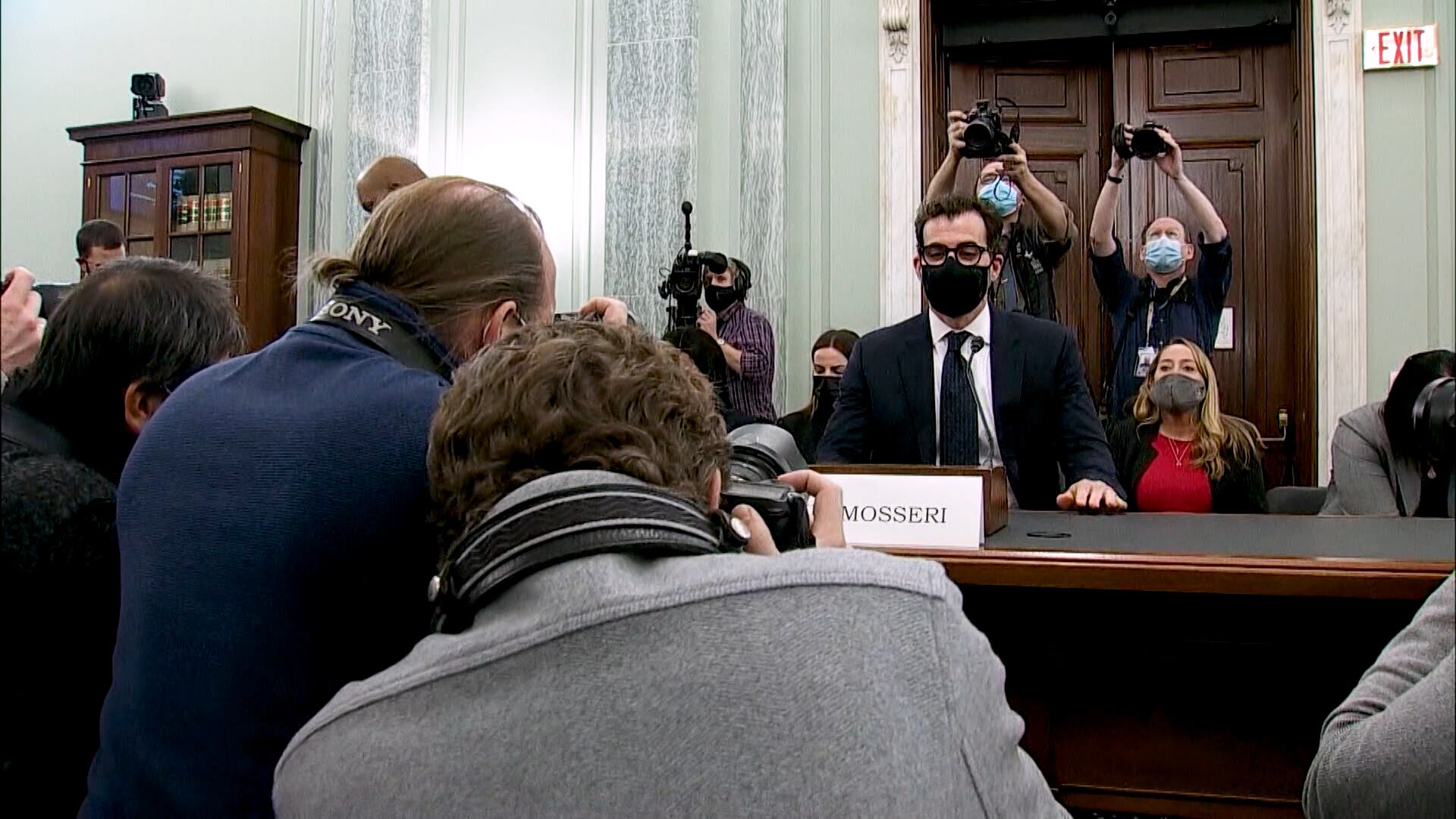
More than 70 religious leaders have come together to sign a letter to urge Mark Zuckerberg and Meta to halt plans for Instagram for Kids. The signers claim that this new platform, currently on pause, could cause spiritual harm to young people. Lucy Kidwell, the screen-free week coordinator for the nonprofit that organized the letter, Fairplay, joined Cheddar News to discuss the issue on Safer Internet Day. "It's not necessarily the content, even, that's on these platforms, but more the structure of the app itself," she said. "It's all focused on comparison, promoting yourself, putting forward this image of perfection and this beautiful life that's really harmful to kids who can't really separate what's real and what's fake and who may not be emotionally mature enough to handle something so complicated."