North Carolina's high-tech Research Triangle may get even more advanced in years to come.
The Tar Heel State announced on Friday that it is exploring options to bring Virgin Hyperloop One technology to the Raleigh-Durham-Chapel Hill corridor, which has grown into a hub for technology companies and research universities.
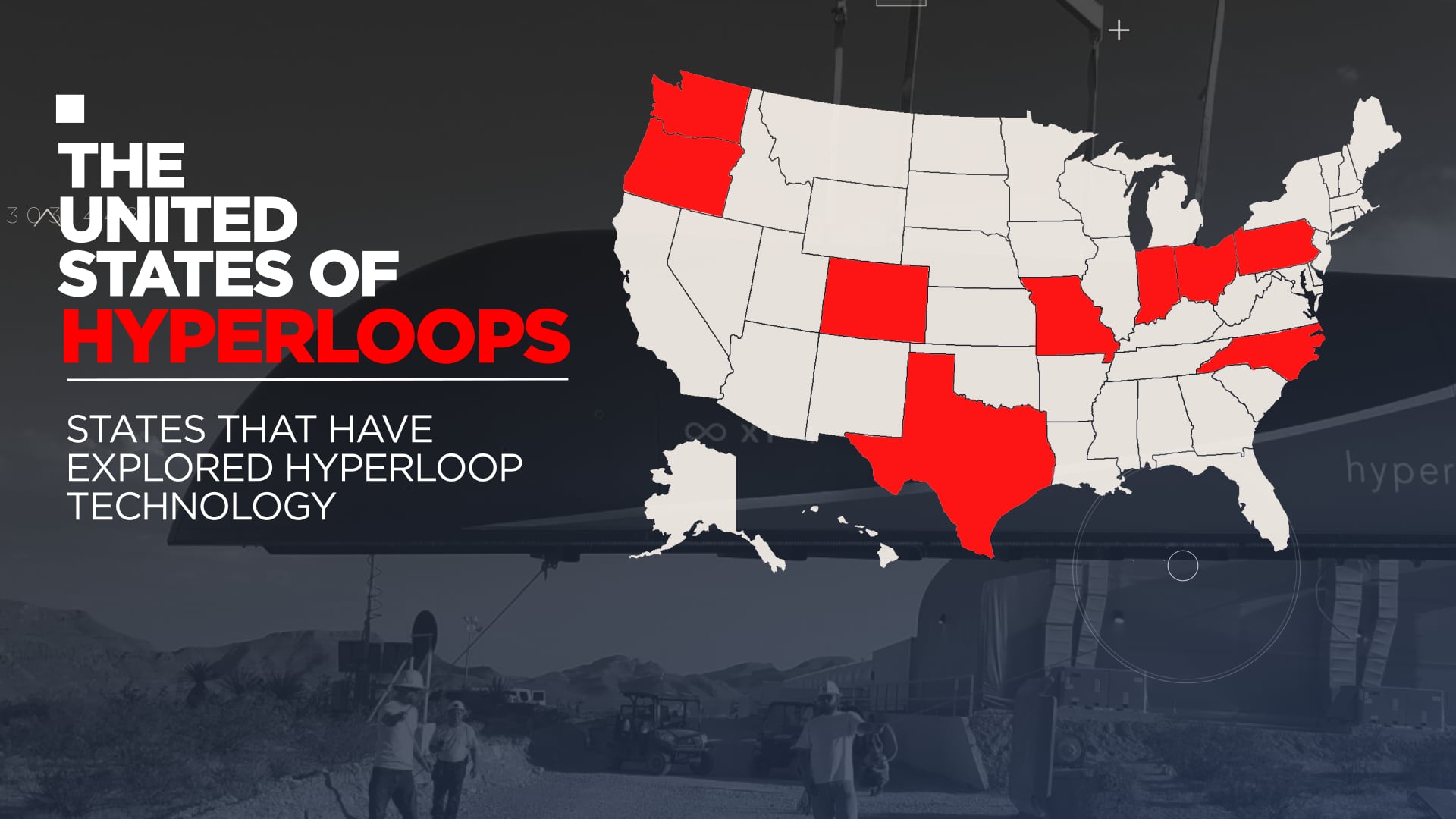
"You can literally begin to start thinking about the cities like they're metro stops," Jay Walder, the CEO of Virgin Hyperloop One, told Cheddar. North Carolina's inquiry makes it the ninth state to explore hyperloop as a potential regional transportation system.
"We have stopped our imagination somewhere around 1956, which is when the interstate highway system was created, and it is time to restart our imagination," Walder said.
Virgin Hyperloop One, which was developed by Virgin founder Richard Branson, is the first company to successfully operate a full-scale hyperloop vehicle system, which uses electric propulsion and electromagnetic levitation in depressurized tubes to propel vehicles at hundreds of miles per hour.
"Imagine being in a super-fast vehicle that is completely smooth, no turbulence moving at airline speed," Walder added.
Although still in its early stages, hyperloop technology is proving to be a far faster, safer, and more environmentally friendly alternative to traditional forms of transportation, according to the company.
"The Research Triangle area is uniquely positioned from a technology focus, spatial layout, and favorable mid-East Coast location to benefit from a hyperloop travel solution that could quickly link America's R&D cities of Raleigh and Durham with each other and with neighboring regions in the southeast and mid-Atlantic," Joe Milazzo II, the executive director of North Carolina's Regional Transportation Alliance, said in a statement.
Trips between Raleigh, Durham, and Chapel Hill are expected to be under 10 minutes, according Virgin Hyperloop One's initial estimates.
"You can take it a step further — Raleigh-Durham to Washington DC it just over 35 minutes," Walder told Cheddar.
While many are excited to watch the final two NFL teams square-off and see which one ultimately takes home the trophy, some, on the other hand, are there for another mian attraction -- the commercials. Companies during this year's game are looking towards the future From electric vehicles, to robots, and crypto-currency, several first-time advertisers are expected to join long-time advertisers like Pepsi, Budweiser and Doritos during the NFL's biggest game. Tom Morton, Global Chief Strategy Officer at R/GA, joined Cheddar News' Big Game Special to discuss.
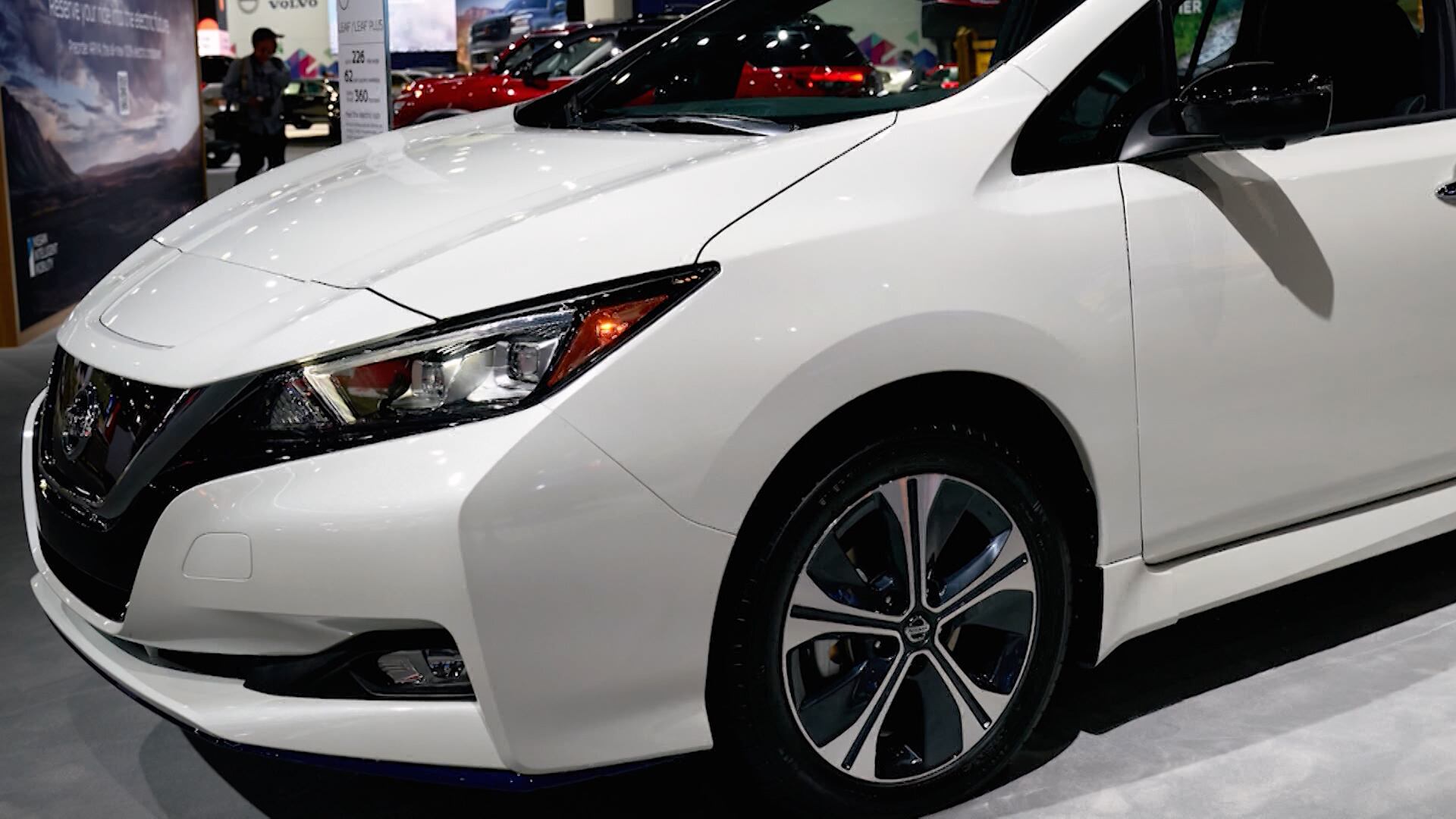
Nissan is revving up its commitment to electric vehicles. the Japanese automaker announcing plans to invest $500 million to transform its assembly plant in Mississippi to build two all-new EV models starting in 2025. It's all part of Nissan's goal to have 23 electrified models for the Nissan and Infiniti brands globally by 2030. Ashwani Gupta, Nissan's COO, joined Cheddar's Opening Bell to discuss this announcement and the company's EV goals moving forward.
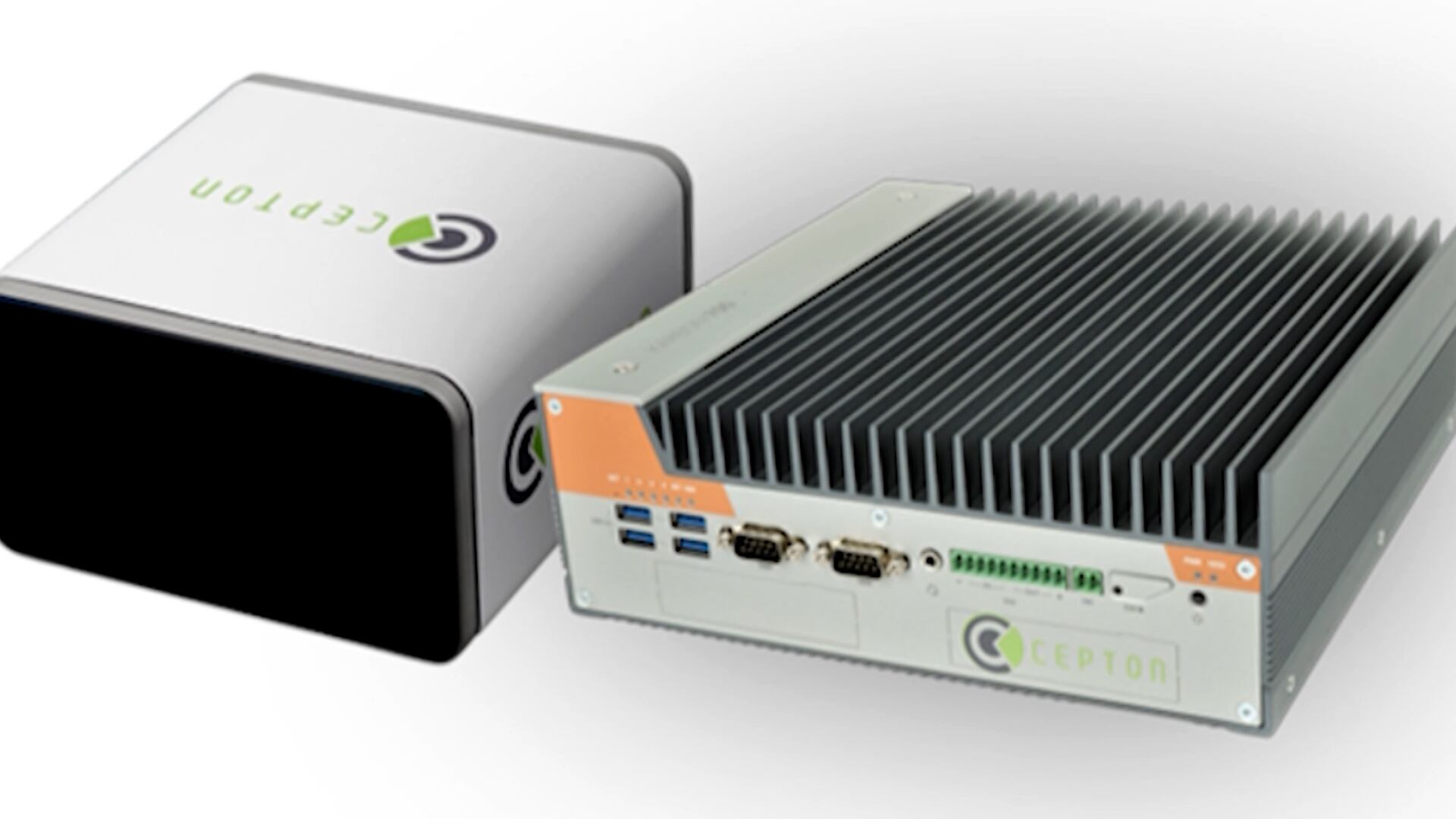
Cepton made its debut on the Nasdaq under the ticker symbol ‘CPTN’ on Thursday. Jun Pei, the co-founder and CEO, joined Cheddar News to discuss going public and its lidar-based solutions for improving safety in autonomous features in cars. "It's really just a huge benefit in addition to radar and camera, and becomes an entire sensor suite that will bring cars to a higher level, both for safety and autonomy."
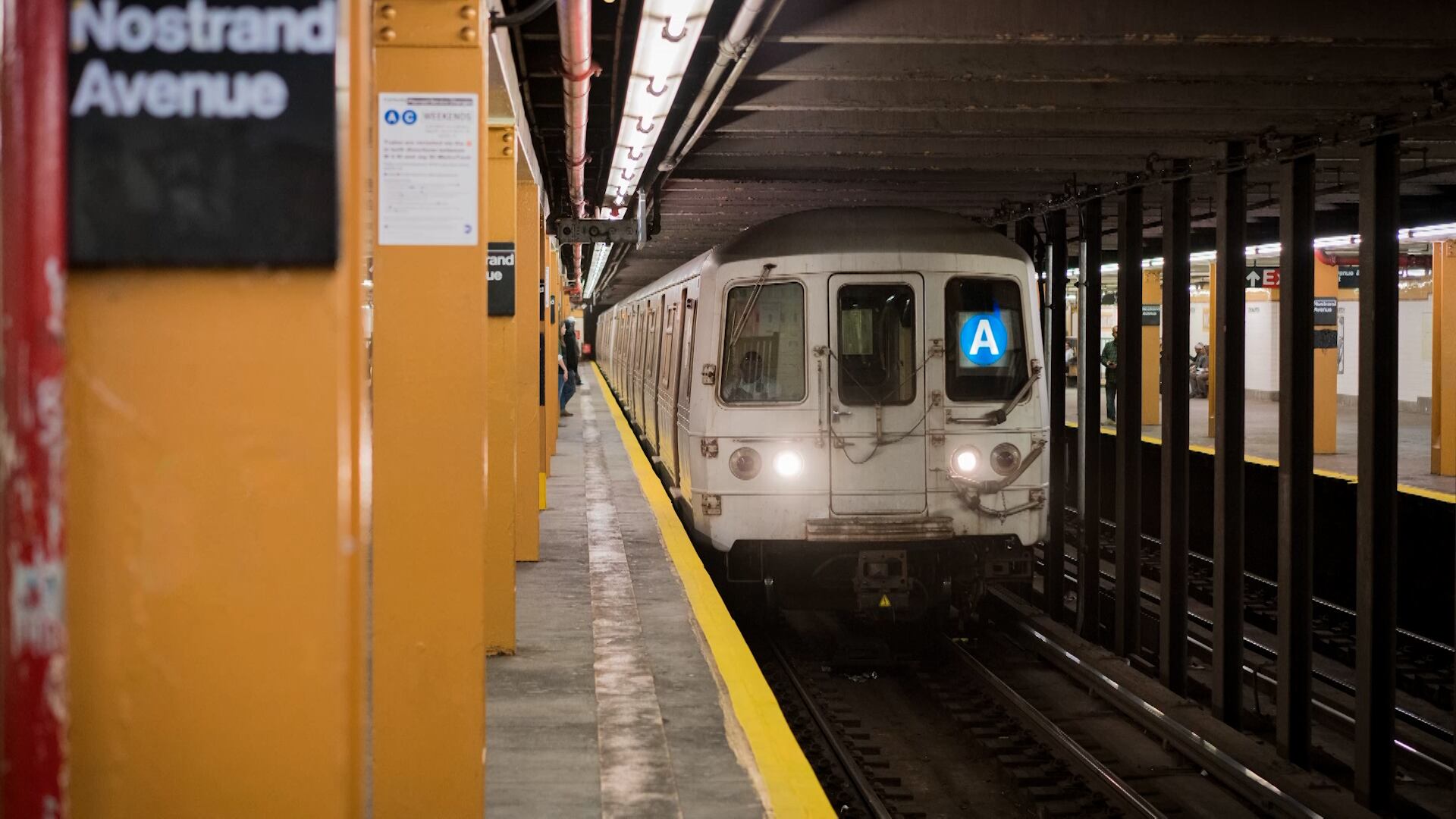
New York City's famous subway system is currently facing scrutiny after several recent attacks on platforms. Now, local leaders in the Big Apple are calling on the MTA. To step in and take action.
On this episode of Cheddar Innovates: Evolution Devices CEO breaks down how the Evowalk wearable device can help those with walking impairments; Cresilon CEO explains how he's created a plant-based gel to easily treat wounds in both humans and animals; A look at Curiosity Stream's 'The Colorado Problem.'
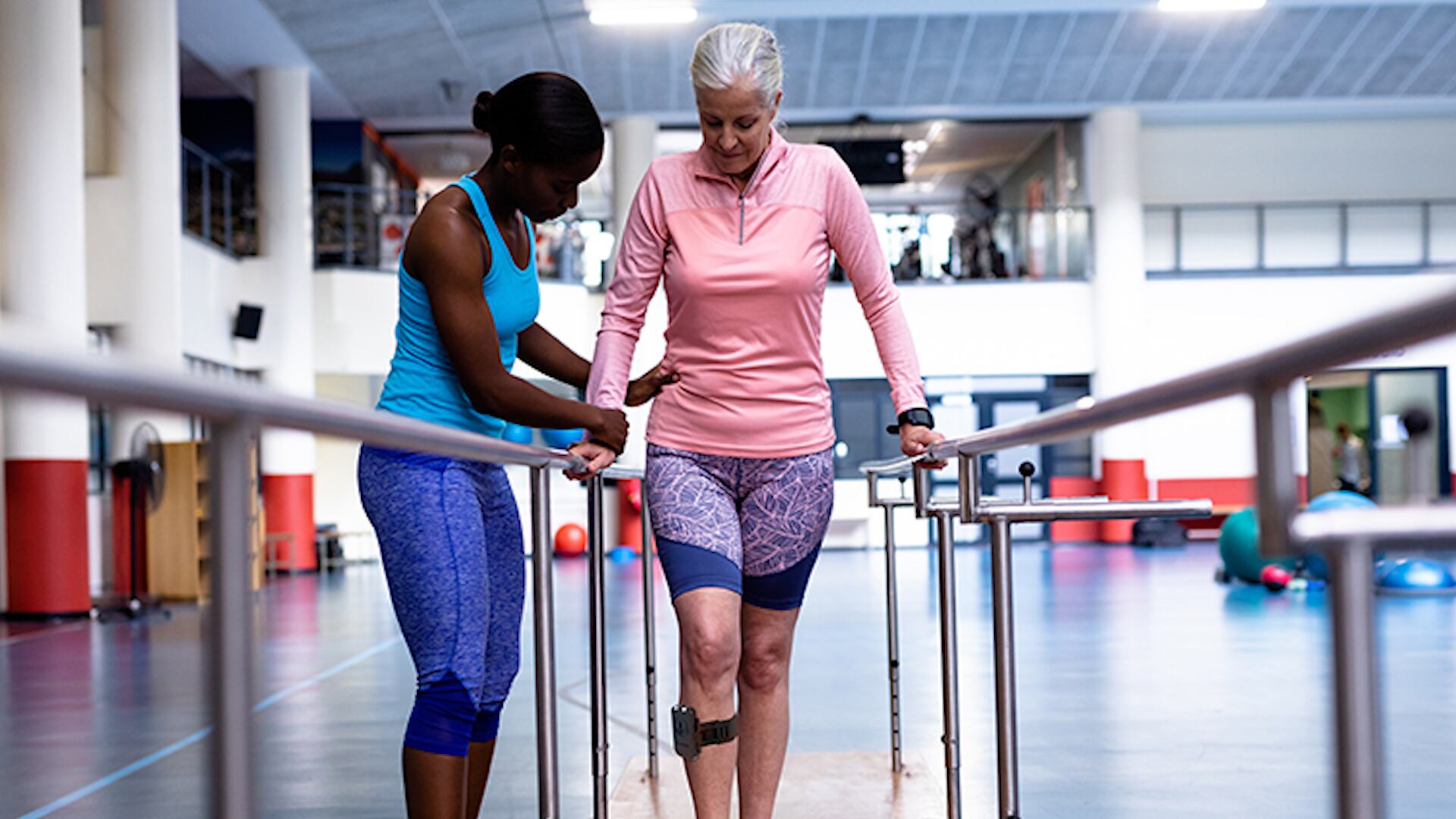
Pier Mantovani, Founder and CEO of Evolution Devices, joins Cheddar Innovates to discuss how the Evowalk wearable device can help those with walking impairments, and how remote physical therapy is becoming a reality.
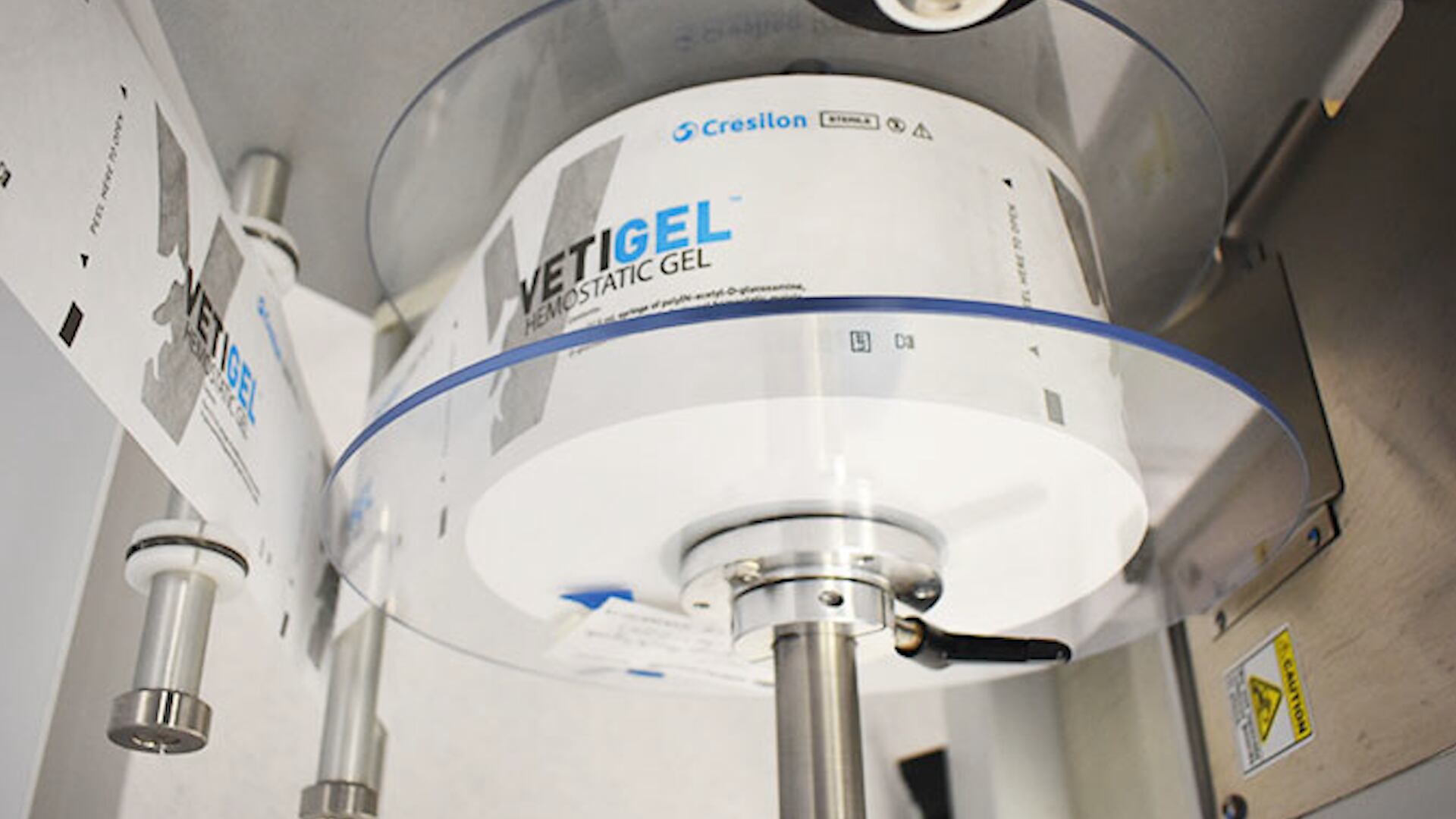
Joe Landolina, CEO and Co-Founder of Cresilon, joins Cheddar Innovates to discuss how he's created a plant-based gel to easily treat wounds in both humans and animals.
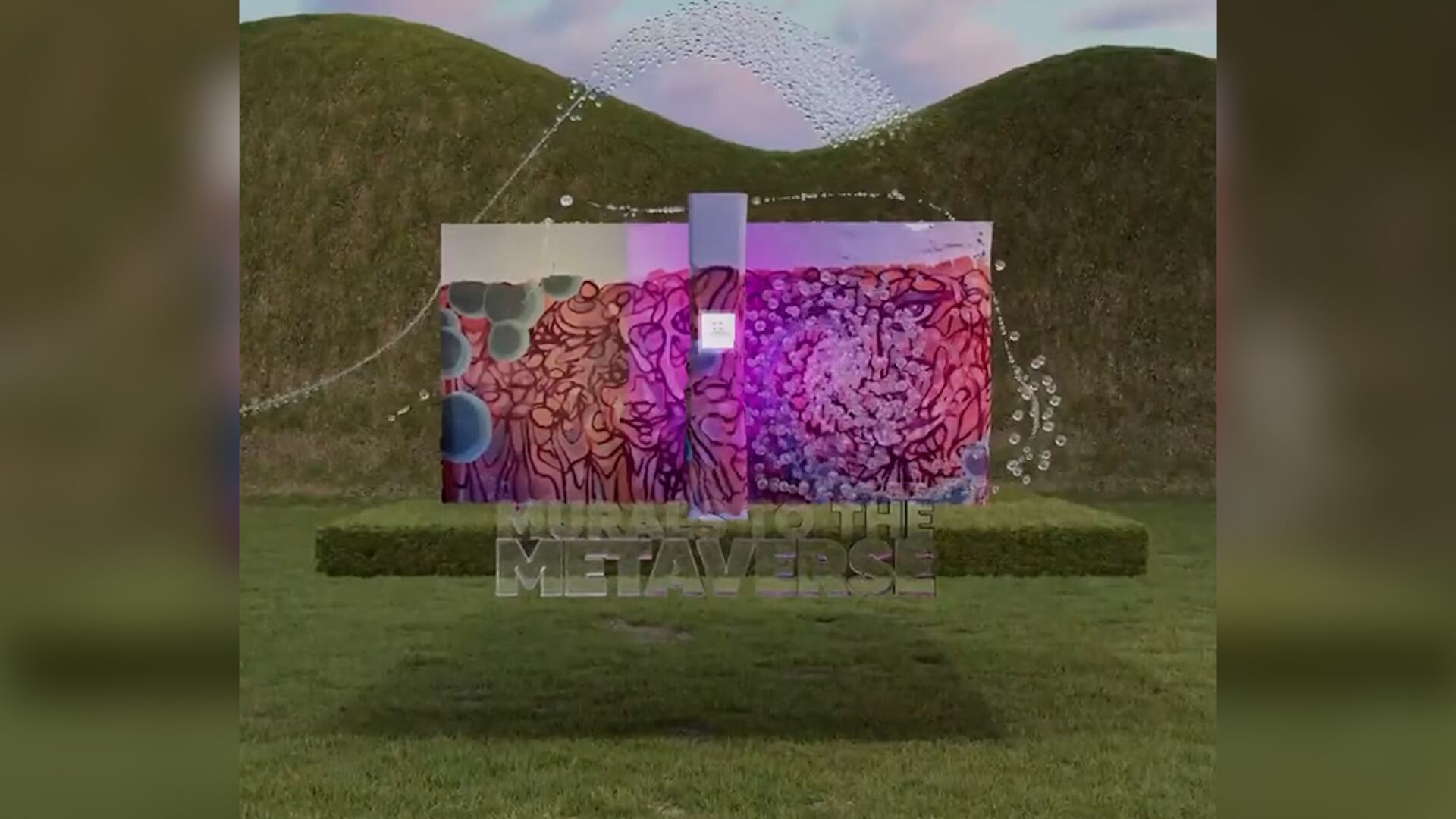
The virtual world of the metaverse continues to present a bright future for many artistic creators. A group of six mural artists from the Bay Area have decided to turn their painted and installed murals into a one-of-a-kind collectible. Thanks to NFTS these murals can be enhanced and extend far beyond just their physical walls. Muralist and Creative Director of the Bay Area mural program Rachel Wolfe Goldsmith, joined Cheddar to discuss more.
New York City ride-hailing app drivers are about to get a pay raise. According to the city's Mayor Eric Adams, New York will increase its minimum driver pay rate for both Uber and Lyft drivers. This means both platforms would now be required to pay their drivers a minimum of $1.61 cents per mile and about 0.50 cents per minute. Ultimately, the move would give riders at least a 5.3% race. New York City Comptroller Brad Lander, joined Cheddar to discuss more.