Virgin Hyperloop, the company behind the long-gestating vacuum train concept, has released a concept video showing the most detailed presentation yet of what the high-speed transit system might actually look like.
The two and a half minute video shows slick 3D renderings populated with photorealistic passengers of what the Hyperloop's stations and train cars might look like.
"I think one of the things that was really paramount to me was to acknowledge that designing the first new mode of transportation in over a hundred years is a huge opportunity, but it's also a huge responsibility," Sara Luchian, director of passenger experience at Virgin Hyperloop, told Cheddar.
She explained that the video was crafted to shift public perception away from the "cold, grey, grim, dystopian" imagery that Virgin Hyperloop has presented in the past and "embrace a much warmer, friendlier, more welcoming, and human-centric vision of transportation that is yet to come but just years away."
The concept video shows passengers boarding individual "tubes" featuring arrival times displayed digitally on the backs of seats, automatic phone-charging panels, and a bird's-eye view of elevated tracks spanning coastlines, mountain ranges, and urban centers. Notably, there's a shot of a highly-visible speedometer showing the tube reaching 670 miles per hour.
As for when the Hyperloop will start shuttling actual passengers, Luchian said much depends on when it can secure regulatory approvals and partnerships, but the goal is the end of the decade.
"One of my favorite things about this job is being able to tell people it's coming in years, not decades," she said.
In the meantime, Virgin Hyperloop has announced the establishment of its Hyperloop Certification Center in West Virginia, where it plans to build a six-mile tube for testing and safety certification. The company is aiming for full regulatory approval within the next five years.
Where the first completed systems will be built is still up in the air, but Luchian said there is interest all over the world.
One factor that will inform the system's roll-out is making sure the Hyperloop is a "mass transportation" system, she added. "It's not meant to be a solution for, you know, petulant billionaires trying to go from one chalet to their mansion."
As a result, Hyperloop will seek investment from both private and public sources, with an eye toward making the system affordable wherever it ends up being built.
"More than anything, we need this to be first safe but of course affordable, and that accessibility is one of the most important things," Luchian said.
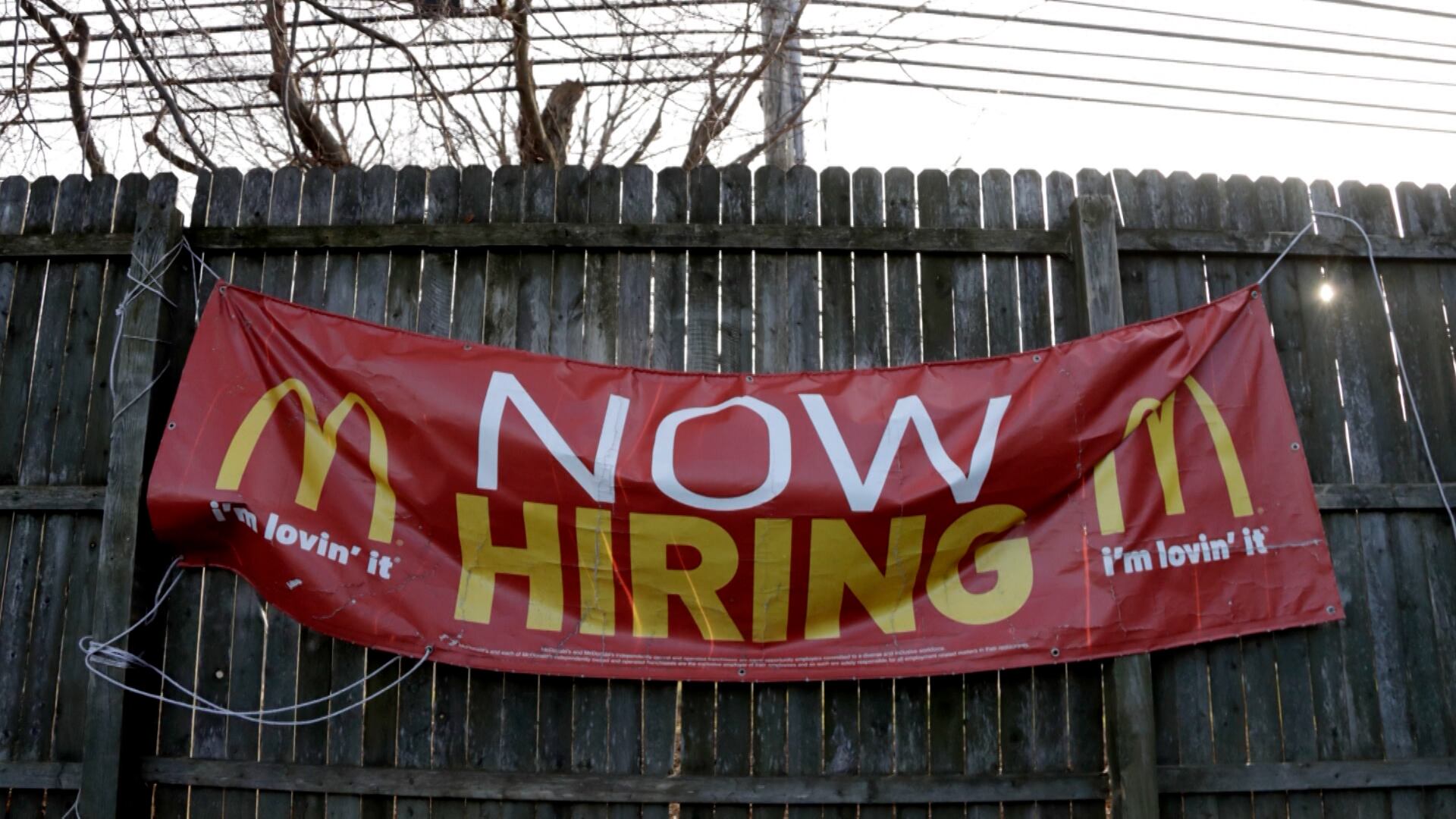
A record 4.5 million Americans quit their jobs in November as people continue to take advantage of red hot job market. The resignation rate is now the highest in the two decades the government has kept records, with many people voluntarily leaving their current jobs for other opportunities. Harley Lippman, CEO of Genesis 10, discusses how why so many people are quitting their jobs right now, and how the tech sector is being impacted.
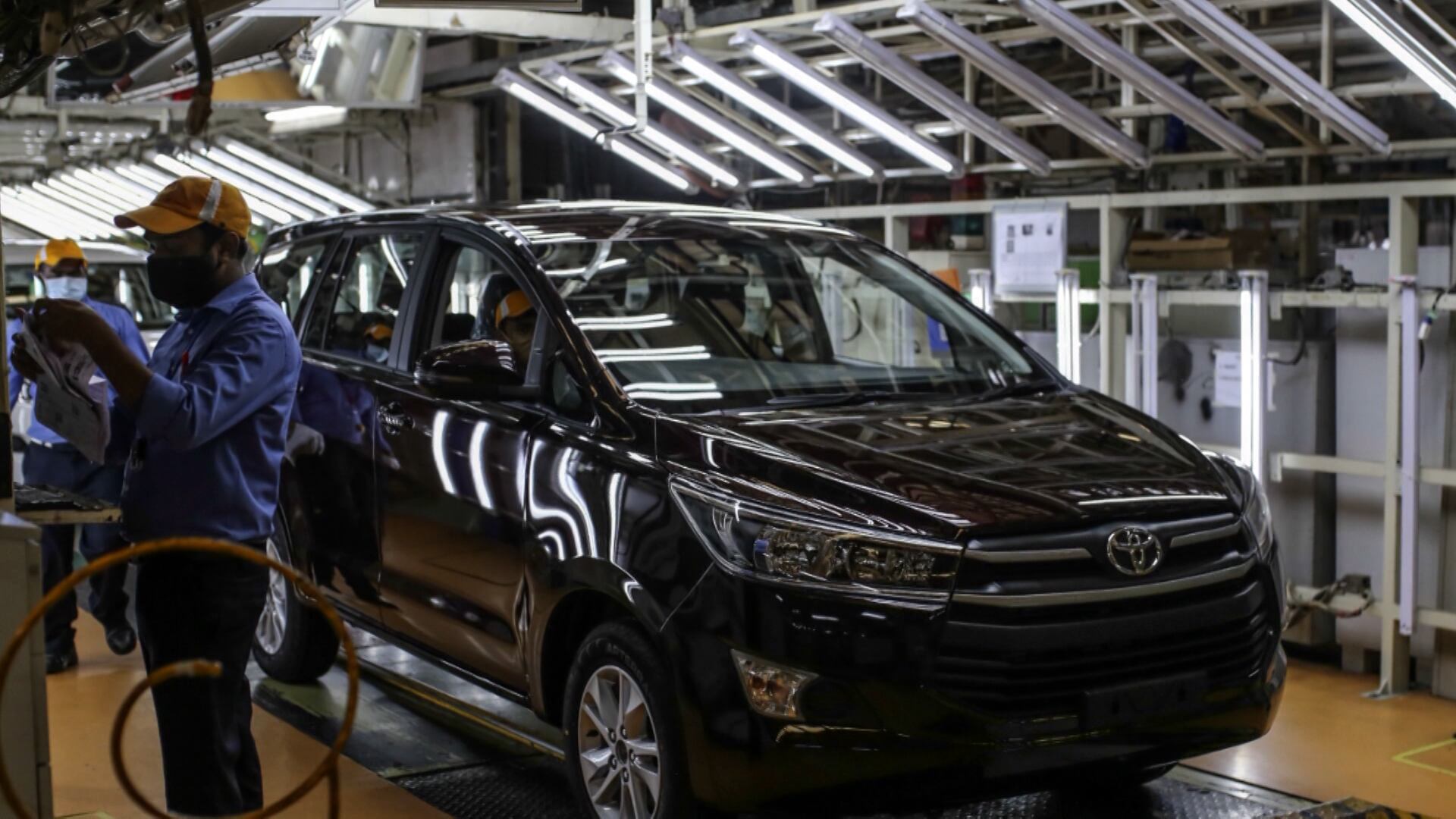
Michelle Krebs, Executive Analyst at Cox Automotive, discusses the factors that led to Toyotas sales growth and highlights the challenges automakers have shifting to all-electric fleets.
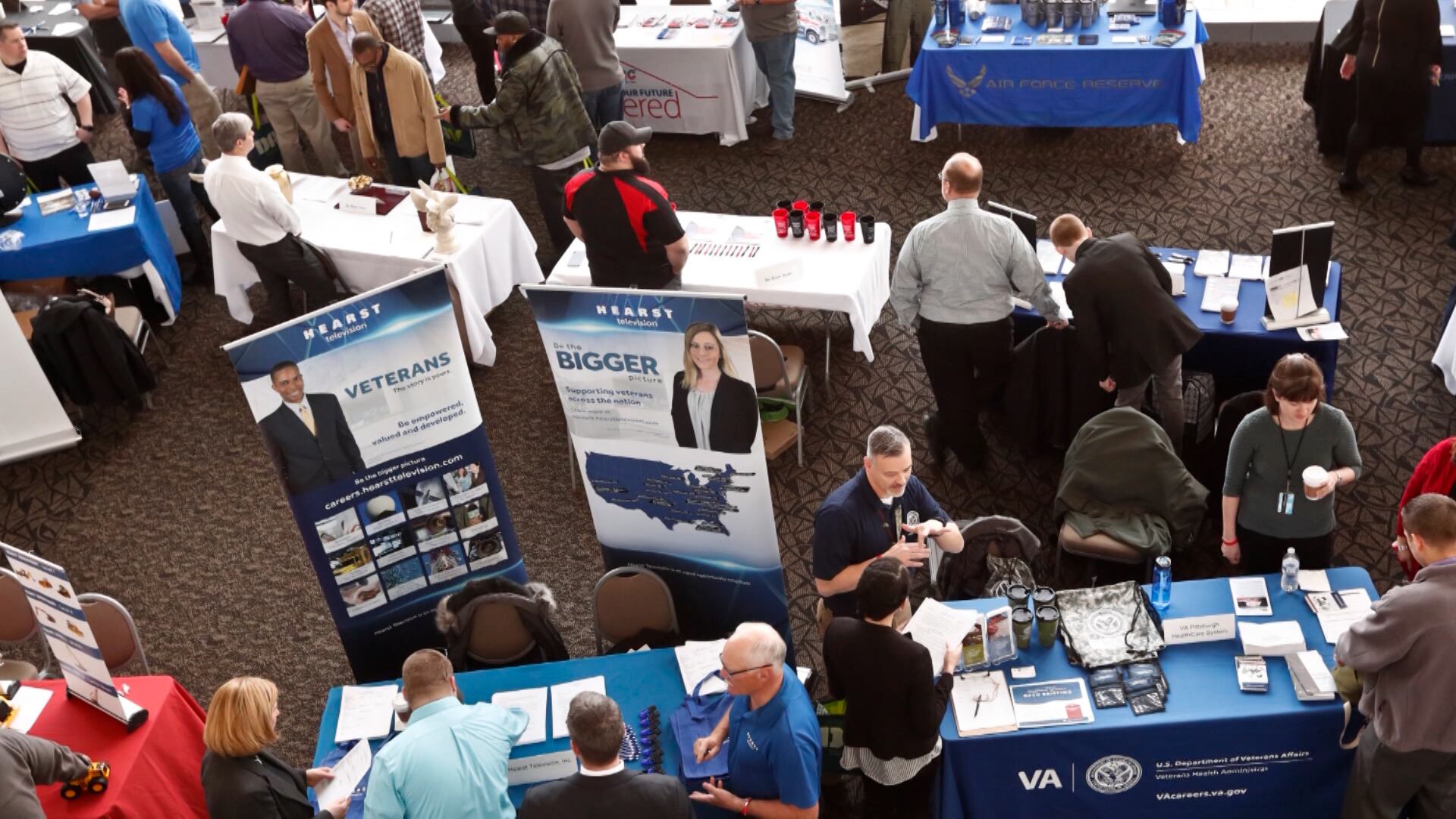
The December jobs report was a mixed bag, with the U.S. adding just 199,000 jobs, less than half of the 422,000 forecasted. But there were some bright spots - the unemployment rate fell to a pandemic-era low of 3.9% and wages increased better than expected to 4.7% year-over-year. Heather Boushey, member of President Biden's council of economic advisers, joined Cheddar to gives her reaction to the jobs report, as well as an update on the state of the Build Back Better bill.
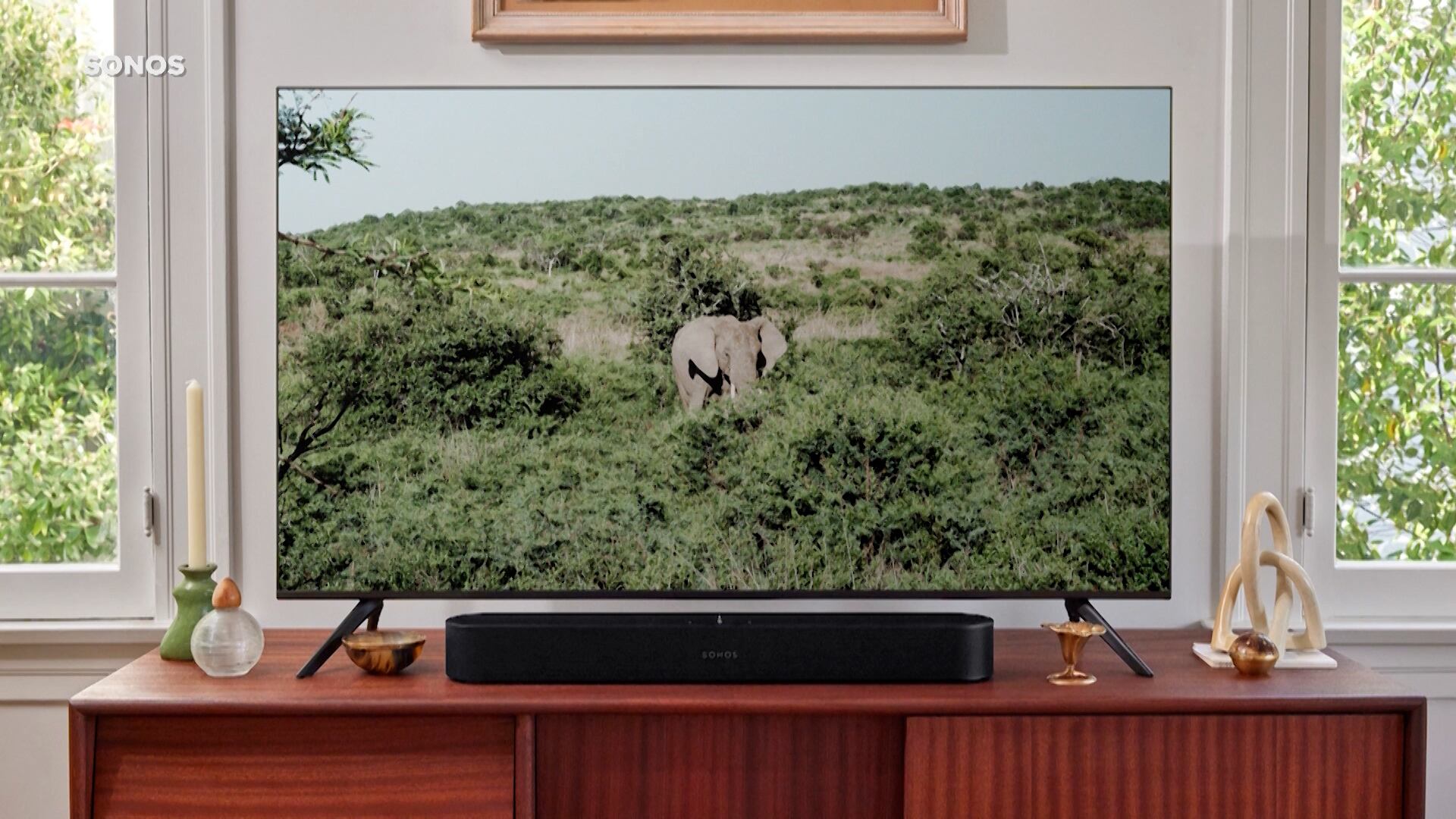
Amy Landers, Director of the Intellectual Property Concentration at Drexel University, breaks down what the Google-Sonos lawsuit means for consumers and addresses concerns about big corporations monopolizing patents within specific industries.
Kris Ruby, CEO of Ruby Media Group, talks about the challenges brands have retaining customers and how crypto is becoming a popular reward among brands.
While the pandemic caused financial troubles for many, the unique circumstances of the last two years proved helpful to many Americans. Whether it was the federal government's stimulus checks, expanded unemployment insurance, or general lockdowns, recent data reveals that the covid-19 pandemic helped many reach financial security. Neale Godfrey, Financial Expert and New York Times #1 Best Selling Author joined Cheddar's Opening Bell to discuss.
Take-Two Interactive is set to buy Zynga for $12.7 billion. The deal marks the latest blockbuster acquisition in the video game industry. The massive deal will bring the maker of popular mobile games like 'Farmville' and 'Words with Friends' under the scope of Take-Two, the company behind 'Grand Theft Auto' and 'NBA 2K.' Kenny Rovello, President & Co-Founder of Arkadium, joined Cheddar's Opening Bell to discuss.
GameStop is getting into the NFT and crypto space. The video game retailer announced the launch of an entire division aimed at creating a marketplace for NFTs and other crypto partnerships. The move comes as part of a turnaround plan by GameStop which has struggled in recent years as gamers shift away from physical game releases. Patrick McConlogue, CEO, Overline & Former Citadel Investment Group Engineer joined Cheddar's Opening Bell.
Philip Levine, Former Mayor of Miami Beach & Cruise Industry Expert, breaks down the challenges cruise operators are facing as COVID-19 cases rise, and provides insight on what the future of the industry may look like.
Jill Klindt, CFO of Workiva, talks about the challenges corporations have implementing ESG initiatives and how CFO's can build a trusted sustainable future.