Virgin Hyperloop, the company behind the long-gestating vacuum train concept, has released a concept video showing the most detailed presentation yet of what the high-speed transit system might actually look like.
The two and a half minute video shows slick 3D renderings populated with photorealistic passengers of what the Hyperloop's stations and train cars might look like.
"I think one of the things that was really paramount to me was to acknowledge that designing the first new mode of transportation in over a hundred years is a huge opportunity, but it's also a huge responsibility," Sara Luchian, director of passenger experience at Virgin Hyperloop, told Cheddar.
She explained that the video was crafted to shift public perception away from the "cold, grey, grim, dystopian" imagery that Virgin Hyperloop has presented in the past and "embrace a much warmer, friendlier, more welcoming, and human-centric vision of transportation that is yet to come but just years away."
The concept video shows passengers boarding individual "tubes" featuring arrival times displayed digitally on the backs of seats, automatic phone-charging panels, and a bird's-eye view of elevated tracks spanning coastlines, mountain ranges, and urban centers. Notably, there's a shot of a highly-visible speedometer showing the tube reaching 670 miles per hour.
As for when the Hyperloop will start shuttling actual passengers, Luchian said much depends on when it can secure regulatory approvals and partnerships, but the goal is the end of the decade.
"One of my favorite things about this job is being able to tell people it's coming in years, not decades," she said.
In the meantime, Virgin Hyperloop has announced the establishment of its Hyperloop Certification Center in West Virginia, where it plans to build a six-mile tube for testing and safety certification. The company is aiming for full regulatory approval within the next five years.
Where the first completed systems will be built is still up in the air, but Luchian said there is interest all over the world.
One factor that will inform the system's roll-out is making sure the Hyperloop is a "mass transportation" system, she added. "It's not meant to be a solution for, you know, petulant billionaires trying to go from one chalet to their mansion."
As a result, Hyperloop will seek investment from both private and public sources, with an eye toward making the system affordable wherever it ends up being built.
"More than anything, we need this to be first safe but of course affordable, and that accessibility is one of the most important things," Luchian said.
Inflation in the U.S. is only getting hotter. The 12-month inflation rate for December 2021 was the highest in nearly 40 years - continuing the trend seen at the close of 2021.
The Consumer Price Index increased 7% in the 12-month period ending in December, marking the fastest increase since 1982. Scott Wren, Senior Global Market Strategist at Wells Fargo Investment Institute, joined Cheddar's Movers for more.
Bitcoin plunged below the $40,000 mark on Monday, hitting its lowest price since September. The world's most valuable cryptocurrency has had months of hot and cold streaks, and the latest drop now has investors wondering just what 2022 will have in store for bitcoin and the crypto space as a whole. Ben McMillan, CIO at IDX Digital Assets, joined Cheddar Movers to discuss.
You could be seeing more electric delivery vans on the road soon. Walmart and FedEx have inked deals with GM's all-electric brand BrightDrop to add thousands of vehicles to their fleets. Walmart has reserved 5,000 vans for the first time, while FedEx is expanding an initial order of 500 vehicles. Michael Zimmerman, partner and head of logistics at Kearney, joined Cheddar to discuss what this means for the electric vehicle market moving forward.
After nearly a century, General Motors is no longer the top-selling automaker in America. Toyota has dethroned the long-reigning champ to become the leader in U.S. auto sales for the first time, and the first non-domestic automaker to take that title. The Japanese automaker outsold GM by about 114,000 vehicles, or 5% more, in 2021. Al Root, senior writer for Barron's, joined Cheddar to discuss the meaning behind these numbers.
This year's worldwide semiconductor shortage limited the supply of everything from new cars to smart phones.
Looking ahead, several experts in the chip industry expect the shortage to continue deep into 2022, and maybe even 2023. Syed Alam, Accenture's Global Semiconductor Lead, joined Cheddar Movers to discuss.
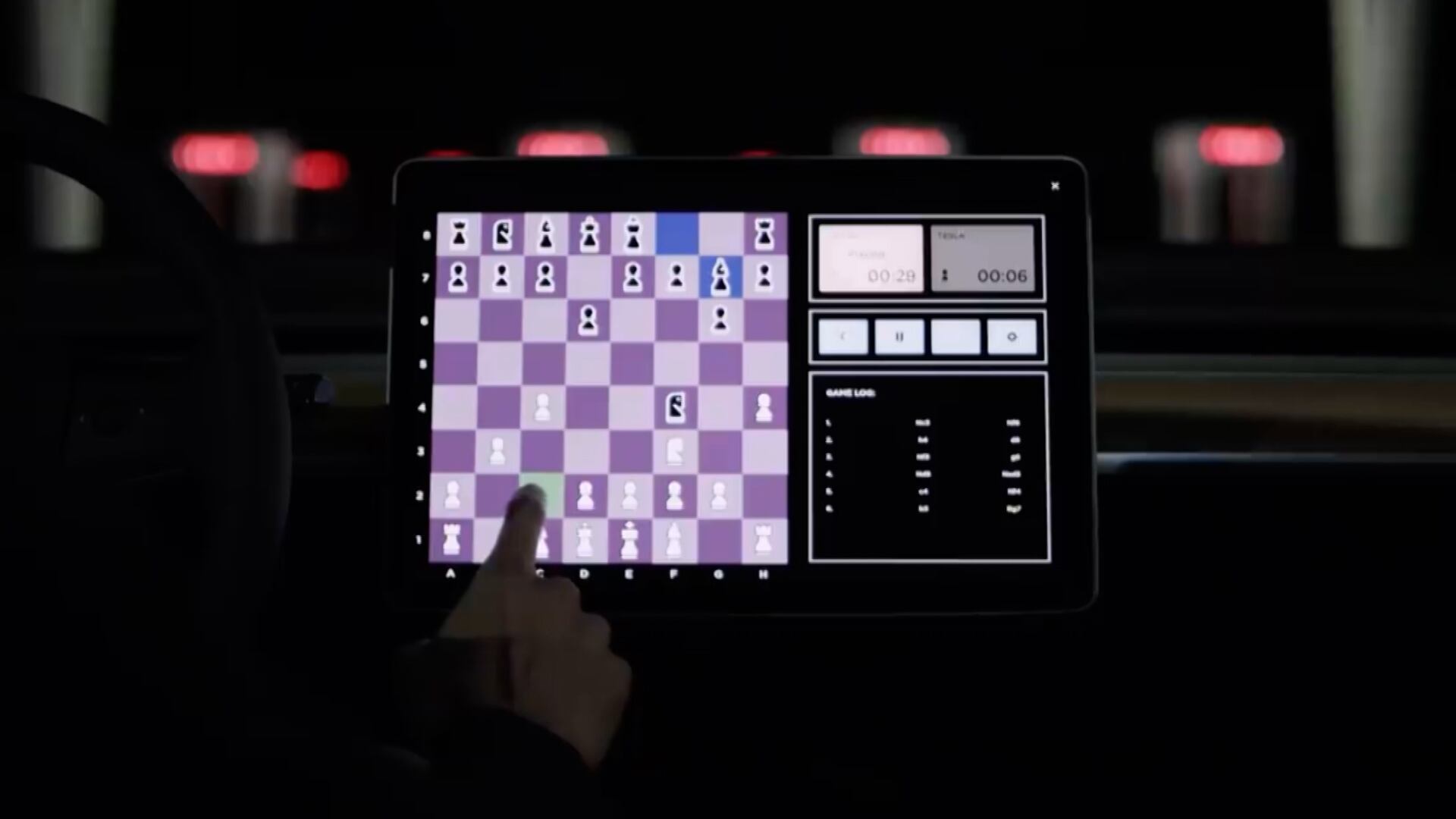
The National Highway Traffic Safety Administration is investigating roughly 580,000 Tesla vehicles due to their front touch screen 'passenger play' gaming feature amid concerns over possible distracted driving. The investigation covers Tesla models ranging from the years 2017-2022. Brian Moody, Executive Editor at Autotrader, joined Cheddar Movers for more.
After a two-week delay of 5G deployment at airports due to the airline industry's claims it will cause "catastrophic disruption," AT&T and Verizon are set to roll out the service on January 19. Michael Boyd, CEO of aviation consultancy Boyd Group International, joined Cheddar to discuss the concerns being voiced by the airlines. "If the airline industry thinks it's going to be something to disrupt our system or impair safety, it shouldn't roll out at all, period," Boyd said, noting that the telecom giants should rethink the activation over safety and security.