Virgin Hyperloop, the company behind the long-gestating vacuum train concept, has released a concept video showing the most detailed presentation yet of what the high-speed transit system might actually look like.
The two and a half minute video shows slick 3D renderings populated with photorealistic passengers of what the Hyperloop's stations and train cars might look like.
"I think one of the things that was really paramount to me was to acknowledge that designing the first new mode of transportation in over a hundred years is a huge opportunity, but it's also a huge responsibility," Sara Luchian, director of passenger experience at Virgin Hyperloop, told Cheddar.
She explained that the video was crafted to shift public perception away from the "cold, grey, grim, dystopian" imagery that Virgin Hyperloop has presented in the past and "embrace a much warmer, friendlier, more welcoming, and human-centric vision of transportation that is yet to come but just years away."
The concept video shows passengers boarding individual "tubes" featuring arrival times displayed digitally on the backs of seats, automatic phone-charging panels, and a bird's-eye view of elevated tracks spanning coastlines, mountain ranges, and urban centers. Notably, there's a shot of a highly-visible speedometer showing the tube reaching 670 miles per hour.
As for when the Hyperloop will start shuttling actual passengers, Luchian said much depends on when it can secure regulatory approvals and partnerships, but the goal is the end of the decade.
"One of my favorite things about this job is being able to tell people it's coming in years, not decades," she said.
In the meantime, Virgin Hyperloop has announced the establishment of its Hyperloop Certification Center in West Virginia, where it plans to build a six-mile tube for testing and safety certification. The company is aiming for full regulatory approval within the next five years.
Where the first completed systems will be built is still up in the air, but Luchian said there is interest all over the world.
One factor that will inform the system's roll-out is making sure the Hyperloop is a "mass transportation" system, she added. "It's not meant to be a solution for, you know, petulant billionaires trying to go from one chalet to their mansion."
As a result, Hyperloop will seek investment from both private and public sources, with an eye toward making the system affordable wherever it ends up being built.
"More than anything, we need this to be first safe but of course affordable, and that accessibility is one of the most important things," Luchian said.
Bobby Zagotta, CEO of Bitstamp USA, joins Cheddar News' Closing Bell, where he discusses what he expects to see from Bitcoin and other cryptocurrencies amid a volatile period in the market, and explains how his crypto exchange is helping investors.
Markets started the week on a rocky note: the major indexes at most points during the day were double digits off of their highs, on the path to their worst performances since March 2020 and for the Nasdaq, since October 2008. Investors were skittish about the Federal Reserve's meeting this week, where the central bank is expected to announce more details about its plans to hike interest rates and taper asset purchasing this year. Art Hogan, Chief Market Strategist at National Securities, joined Cheddar News' Closing Bell to discuss today's market meltdown, why investors were feeling pressure, what to expect from the Fed, and more.
AT&T announced it's offering two tiers of high-speed internet, 2 gigs, and 5 gigs, to its fiber customers in more than 70 metro regions. AT&T Consumer CEO Thaddeus Arroyo joined Cheddar to talk about the newly available speed upgrades for 5.2 million of its customers, and where the rollout goes from here. "Over the course of 2022, we'll rapidly continue to retrofit the rest of the base," he said. "And importantly now is, as we build-out, we've talked about building out to cover 30 million homes and businesses by the end of 2025, we're going to continue to ensure that every new location that we stand up has this multi gig capability."
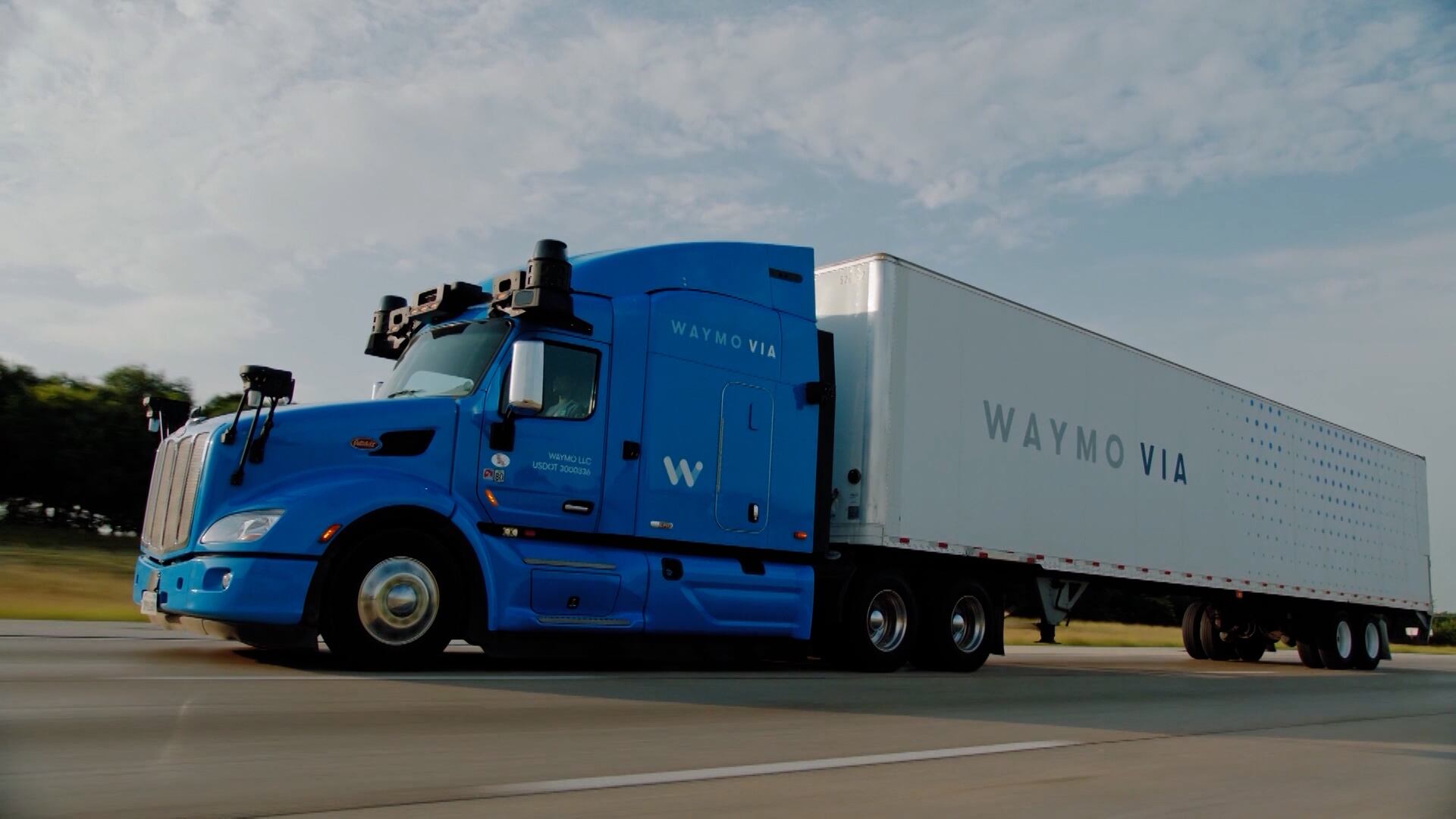
Autonomous driving tech company Waymo is partnering with transportation and logistics business J.B. Hunt. The two firms are teaming up to bring autonomous shipping to the highways. Head of commercialization for trucking at Waymo, Charlie Jatt, joined Cheddar to discuss how the companies are combining their strengths. "We, of course at Waymo, are working on the technology side of affairs, and J. B Hunt brings critical operational and commercial expertise," Jatt said. "And together we're going to work to deploy the first fully autonomous Class 8 truck hauling goods for one of their customers in the coming years in Texas."
Amid a rough week for Peloton's stock, as well as its image — its bikes being the cause of death for two fictional TV characters now — an activist investor is calling for a change in upper management. Chief investment officer of Blackwell, Jason Aintabi, petitioned in a letter that Peloton’s CEO, John Foley, must be fired. Joining Cheddar to discuss the ultimatum, Hatem Dhiab, a portfolio manager and managing partner at Gerber Kawasaki Wealth and Investment Management noted the conditions leading to the demand for Foley's removal. "The stock is basically 85 percent below the high," he said. "I think there is some change that needs to happen, and that's just the reality."
Talent Resources Sports is partnering with ABG Entertainment to host Sports Illustrated The Party during the weekend of Super Bowl LVI, featuring musical performances by Kygo, Jack Harlow, and other guests. David Spencer and Mike Heller, co-CEOs and founders of Talent Resources Sports, joined Cheddar to discuss the details behind putting on the event. “We’re just really pumped that after all of the things that got canceled people will finally have a place to let some steam off in such an exciting moment, such a charged moment with the Super Bowl,” Mike Heller said about putting on the live event after previous COVID-related cancellations.
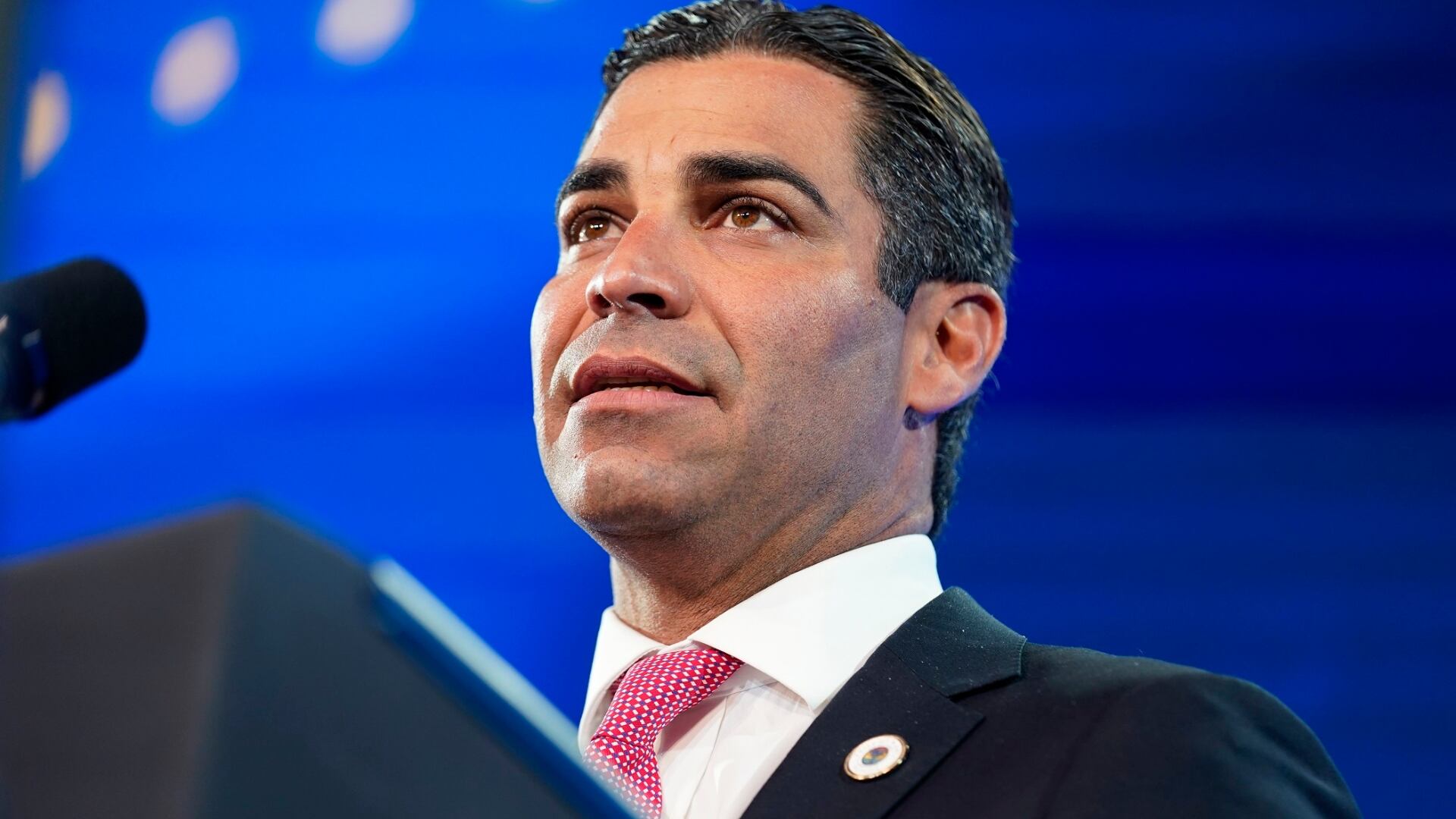
Mayors in cities like Miami and New York City are considering introducing cryptocurrencies as a way to reduce economic inequality. Miami Mayor Francis X. Suarez has even pushed for distributing Bitcoin dividends to the city's inhabitants.