Virgin Hyperloop, the company behind the long-gestating vacuum train concept, has released a concept video showing the most detailed presentation yet of what the high-speed transit system might actually look like.
The two and a half minute video shows slick 3D renderings populated with photorealistic passengers of what the Hyperloop's stations and train cars might look like.
"I think one of the things that was really paramount to me was to acknowledge that designing the first new mode of transportation in over a hundred years is a huge opportunity, but it's also a huge responsibility," Sara Luchian, director of passenger experience at Virgin Hyperloop, told Cheddar.
She explained that the video was crafted to shift public perception away from the "cold, grey, grim, dystopian" imagery that Virgin Hyperloop has presented in the past and "embrace a much warmer, friendlier, more welcoming, and human-centric vision of transportation that is yet to come but just years away."
The concept video shows passengers boarding individual "tubes" featuring arrival times displayed digitally on the backs of seats, automatic phone-charging panels, and a bird's-eye view of elevated tracks spanning coastlines, mountain ranges, and urban centers. Notably, there's a shot of a highly-visible speedometer showing the tube reaching 670 miles per hour.
As for when the Hyperloop will start shuttling actual passengers, Luchian said much depends on when it can secure regulatory approvals and partnerships, but the goal is the end of the decade.
"One of my favorite things about this job is being able to tell people it's coming in years, not decades," she said.
In the meantime, Virgin Hyperloop has announced the establishment of its Hyperloop Certification Center in West Virginia, where it plans to build a six-mile tube for testing and safety certification. The company is aiming for full regulatory approval within the next five years.
Where the first completed systems will be built is still up in the air, but Luchian said there is interest all over the world.
One factor that will inform the system's roll-out is making sure the Hyperloop is a "mass transportation" system, she added. "It's not meant to be a solution for, you know, petulant billionaires trying to go from one chalet to their mansion."
As a result, Hyperloop will seek investment from both private and public sources, with an eye toward making the system affordable wherever it ends up being built.
"More than anything, we need this to be first safe but of course affordable, and that accessibility is one of the most important things," Luchian said.
Four-day week global, an organization in the UK, is pushing for a society where health and wellbeing come first, and a world in which people work to live, rather than live to work. They're demanding a four-day work week based o a recent study that proves productivity increases when working hours are reduced to 32 hours a week. Now, at least 30 companies in the UK are taking part in a four-day work week trial. joining me now is Charlotte Lockhart, founder of four-day week global.
The streaming giant Netflix posted its latest earnings from its fourth quarter after the close on Thursday. The company's stock plummeted shortly after the company warned that its rate of subscription additions are slowing down. Senior Reporter at MarketWatch Jon Swartz, joined Cheddar to discuss more.
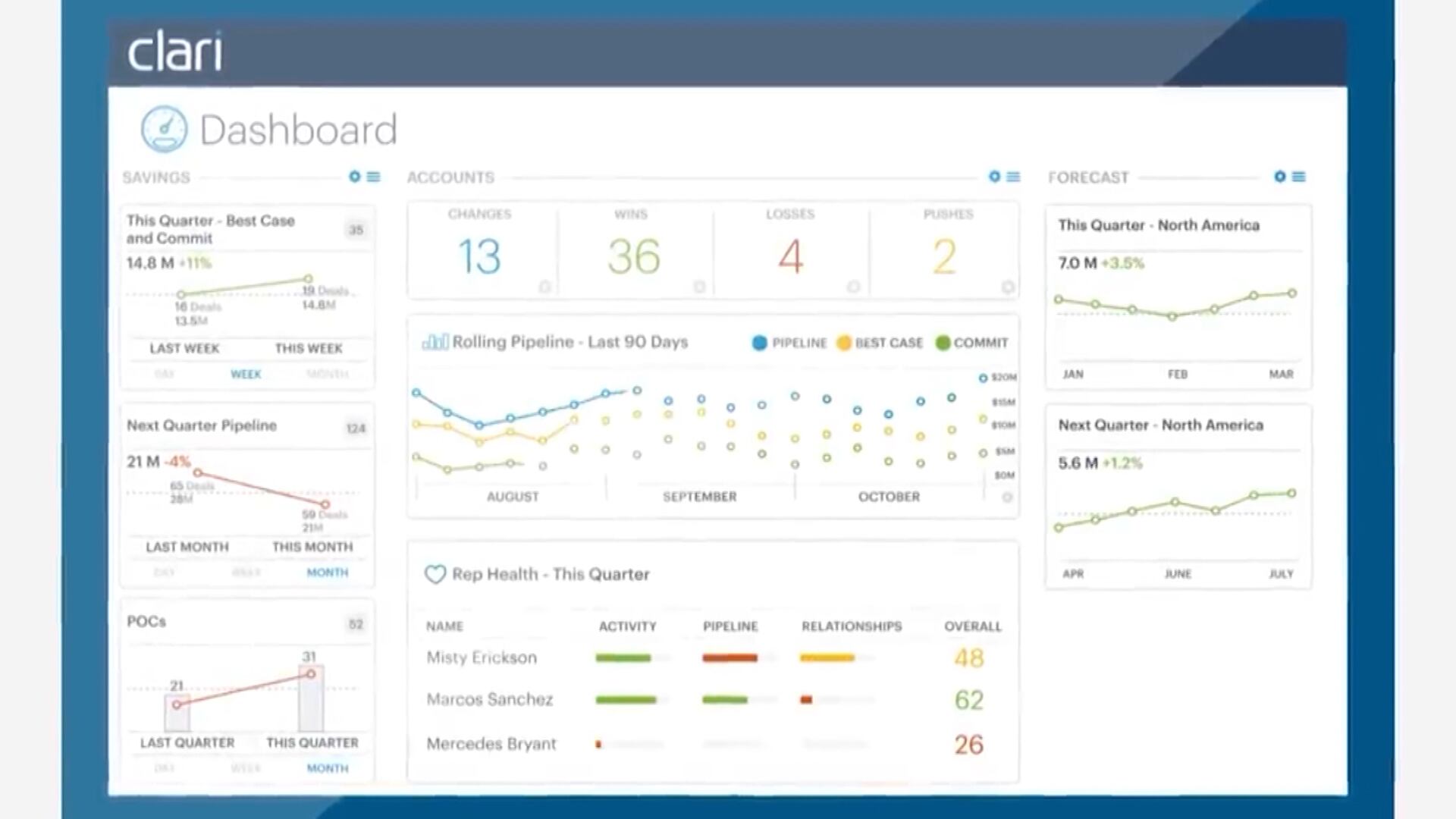
Revenue operations platform Clari recently raised $225 million in a Series F financing round led by Blackstone, bringing the company's valuation to more than $2.6 billion. Calri says more than 450 companies from around the world use its A.I.-powered platform to make their revenue operations more connected, efficient, and predictable. Clari CEO Andy Byrne joined Cheddar News' Closing Bell to discuss.
Technology company Unity announced it has acquired Ziva Dynamics. Marc Whitten, SVP & GM, Create at Unity, joins Cheddar News' Closing Bell, where he discusses how this move will help his company democratize real-time character creation.
Wellness retreats have grown in popularity as self-care has become a bigger focus during the pandemic. Jamie Costello, Vice President of Sales and Fitness at Pritikin Longevity Center, joined Cheddar to discuss the goals of a retreat program, and how to make health and wellness accessible to more people.
The gambling industry has seen a boom since shutting down in 2020, outpacing even pre-pandemic levels. But as gamblers have returned to the tables, there's been a rise in reports of gambling addiction as well. Sara Slane, founder of Slane Advisory and sports betting/casino gaming executive, joined Cheddar to discuss the state of the gambling industry.
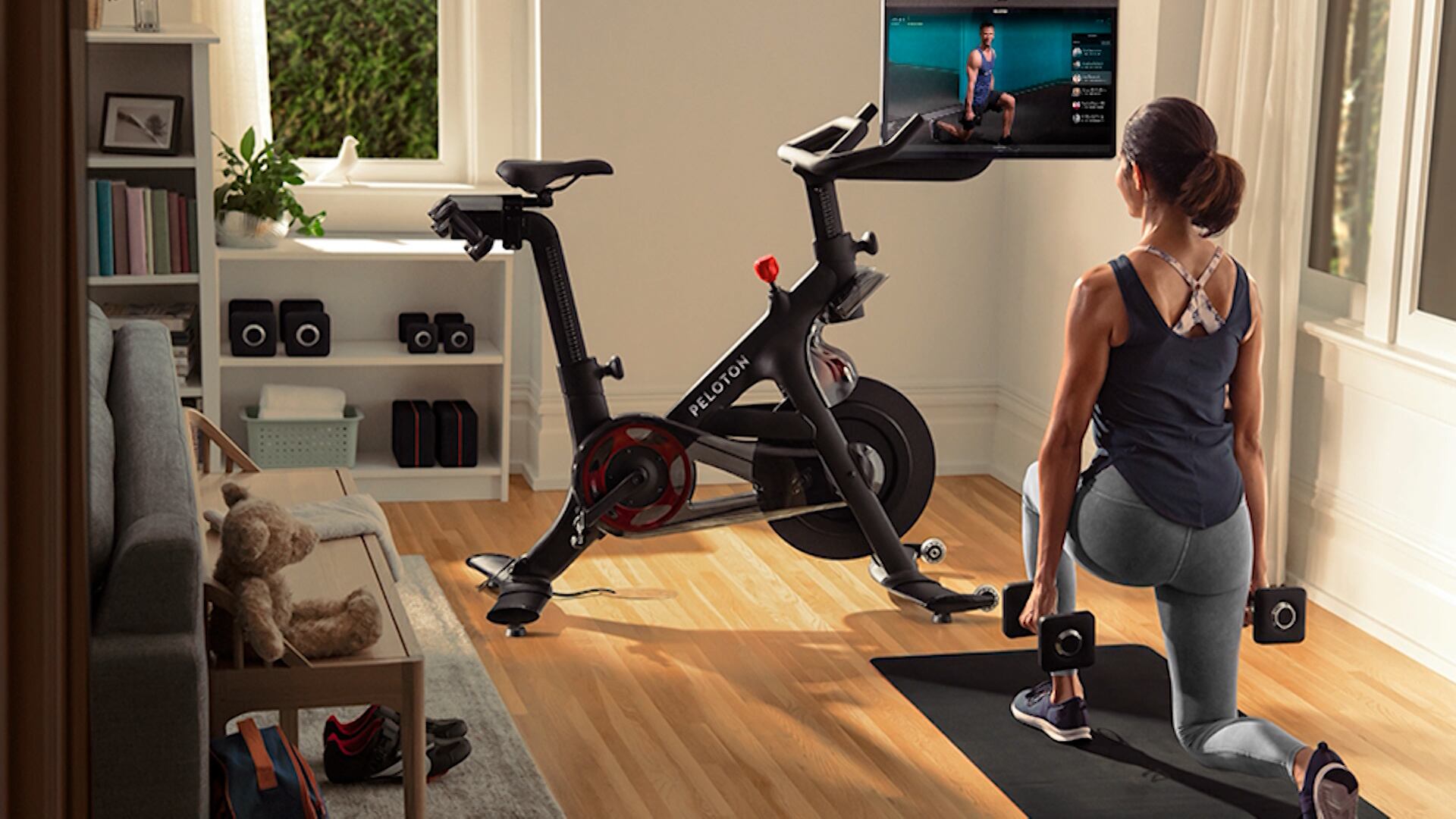
Shares of Peloton recovered after CEO John Foley debunked rumors that the company would halt production of some products, confirming that the company will instead be quote 'right-sizing' production as it faces lagging demand.
This comeback for the stock comes after reports surfaced that Peloton could completely hit the brakes on production of its bikes and treadmills. In the last year, Peloton has wiped nearly $40 billion off its market cap, with its stock down over 70% in 2021. Doug Astrop, managing partner at Exponential Investment Partners, joined Cheddar Movers to discuss.
After an intense hours-long meltdown Monday, stocks closed higher in a last minute, stunning comeback. At one point, the Dow shed over 1,000 points, the tech-heavy Nasdaq was down close to 5% and inching toward correction territory, and the S&P 500 briefly hit a correction earlier in the day. During most of Monday's session, stocks were on track to mark their worst months since March 2020, and for the Nasdaq, since October 2008. Philip Palumbo, Founder, CEO and Chief Investment Officer of Palumbo Wealth Management, joined Cheddar News' Closing Bell to discuss today's stunning market comeback, whether there's more room for stocks to fall, his 2022 market predictions, and more.