Virgin Hyperloop, the company behind the long-gestating vacuum train concept, has released a concept video showing the most detailed presentation yet of what the high-speed transit system might actually look like.
The two and a half minute video shows slick 3D renderings populated with photorealistic passengers of what the Hyperloop's stations and train cars might look like.
"I think one of the things that was really paramount to me was to acknowledge that designing the first new mode of transportation in over a hundred years is a huge opportunity, but it's also a huge responsibility," Sara Luchian, director of passenger experience at Virgin Hyperloop, told Cheddar.
She explained that the video was crafted to shift public perception away from the "cold, grey, grim, dystopian" imagery that Virgin Hyperloop has presented in the past and "embrace a much warmer, friendlier, more welcoming, and human-centric vision of transportation that is yet to come but just years away."
The concept video shows passengers boarding individual "tubes" featuring arrival times displayed digitally on the backs of seats, automatic phone-charging panels, and a bird's-eye view of elevated tracks spanning coastlines, mountain ranges, and urban centers. Notably, there's a shot of a highly-visible speedometer showing the tube reaching 670 miles per hour.
As for when the Hyperloop will start shuttling actual passengers, Luchian said much depends on when it can secure regulatory approvals and partnerships, but the goal is the end of the decade.
"One of my favorite things about this job is being able to tell people it's coming in years, not decades," she said.
In the meantime, Virgin Hyperloop has announced the establishment of its Hyperloop Certification Center in West Virginia, where it plans to build a six-mile tube for testing and safety certification. The company is aiming for full regulatory approval within the next five years.
Where the first completed systems will be built is still up in the air, but Luchian said there is interest all over the world.
One factor that will inform the system's roll-out is making sure the Hyperloop is a "mass transportation" system, she added. "It's not meant to be a solution for, you know, petulant billionaires trying to go from one chalet to their mansion."
As a result, Hyperloop will seek investment from both private and public sources, with an eye toward making the system affordable wherever it ends up being built.
"More than anything, we need this to be first safe but of course affordable, and that accessibility is one of the most important things," Luchian said.
Following a session in which investors saw gains across the major indexes, Wealth Consulting Group CEO Jimmy Lee says investors need to remember that midterm election years tend to be more volatile in general.
Stocks closed lower to end the last trading day of May, but the S&P 500 and the Dow Jones both rose over the past month. The Federal Reserve in early May raised interest rates by half a percentage point as it tries to fight inflation, but the question continues to linger: will we enter a recession as we try to tame inflation? Anthony Saccaro, Founder & President of Providence Financial, joins Closing Bell to discuss today's close, the possibility of a recession, where he is telling clients to look for opportunities, and more.
The semiconductor industry is at an inflection point as it tries to fully recover from the worst of pandemic-era headwinds. While Broadcom has announced it will buy cloud computing company VMware, Nvidia is lowering its current quarterly outlook. Meanwhile, TSMC and Intel are contemplating raising prices -- again -- thanks to higher materials costs. Where does the industry go from here? Ted Mortonson, technology strategist at Baird, joins Closing Bell to discuss.
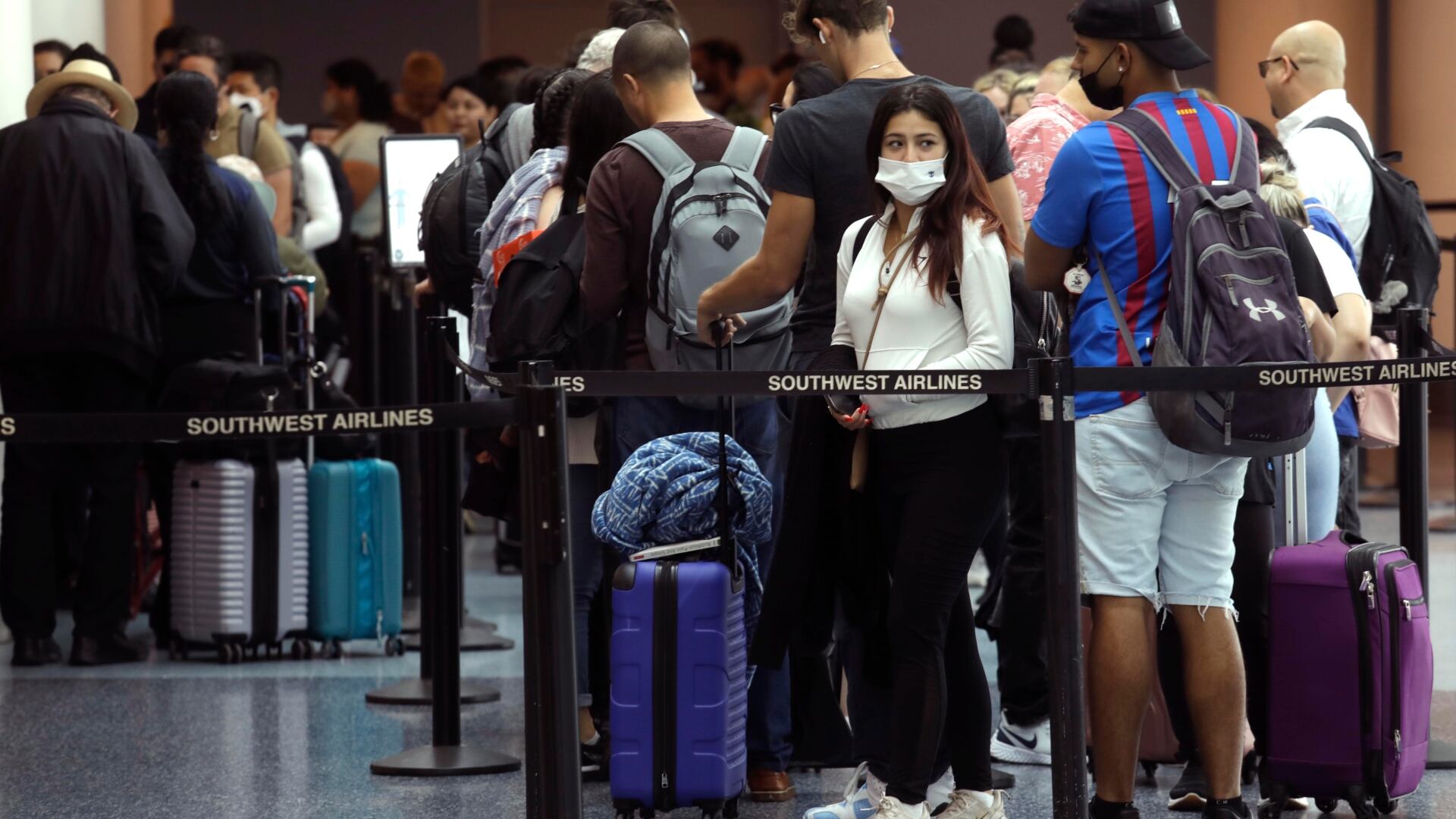
Memorial Day rang in the unofficial start of summer here in the United States -- and with it, the unofficial start of summer travel. Whether consumers traveled by air or by land, they probably experienced some form of frustration over the weekend. Flyers faced delays and cancellations, and drivers faced the most expensive gas prices ever recorded on Memorial Day. Zach Griff, Senior Aviation Reporter for the Points Guy, joins Cheddar News' Closing Bell to discuss.
Next-generation gaming ecosystem Joystick recently raised $8 million in a seed round and is in the process of raising a $110 million Series A funding round. Gaming ecosystems are a relatively new type of platform in the Web3 space, allowing users to maximize their play-to-earn gaming opportunities, exchange crypto-currencies, and sell their digital assets. Joystick says its platform is flipping the current model on its head by giving players the opportunity to keep 100% of the revenue they earn. Robin Defay, co-founder and CEO of Joystick, and Michael Le, co-founder of Joystick and TikTok content creator, join Cheddar News' Closing Bell to discuss.
Abe Stein, Head of Innovation at Sports Innovation Lab, joins Cheddar News' Closing Bell, where he explains why the top four spots on his company's 2022 list are European soccer clubs and discusses Sports Innovation Lab's plan to publish data on women's pro sports teams in the not-too-distant future.
Joel Birch, Co-Founder and CEO of Stacked, joins Cheddar News' Closing Bell, where he explains why he doesn't see any new catalysts that would lead to a Bitcoin rally at the moment. He also reiterates that now is a good time for long-term Bitcoin investors to buy low.
The dating app Bumble has sponsored bills and pushed lawmakers to criminalize the online practice of sending unsolicited nudes or “cyberflashing." Payton Iheme, Bumble's head of public policy for the Americas, joined Cheddar News to discuss why the app was going after the harassing behavior beyond its own platform. "Now, while we went to work internally in the company, and we created something called private detector to automatically blur those images so the user can decide if they want to see them, there's nothing for the rest of the internet," she said. "And so that's why we went to work with these laws."