In the race to save the planet, the technology powering Virgin Hyperloop potentially could lead the charge in reducing the carbon impact of global transportation, one of the largest contributors to climate change, by more than 25 percent, according to Virgin Hyperloop CEO and co-founder Josh Giegel.
"Transportation is the largest emitter in the U.S., it's about 29 percent," Giegel told Cheddar. "So things like electric vehicles, last mile, ride-sharing, all of those things are making a dent."
Virgin Hyperloop uses an electric propulsion system to transport pods from one place to another through a low-pressure tube. Giegel said that the pods can transport people or goods at the speed of conventional airplanes while consuming 10 times less energy.
"But we need to look at mass transportation systems for people, for cargo and that's the opportunity for hyperloop, is that we can live in this century and the next century with technology that allows us to move at these speeds and save this amount of time without having to, i'll say, destroy the planet around us," he said. "It's really sustainability without sacrifice."
The pods also would be able to seat 25 to 35 passengers, take them directly to their destinations without making additional stops, and the service would be "on-demand," allowing passengers to move at their own pace without sticking to a strict departure schedule, according to the CEO. Giegel and colleague Sara Luchian were the first live passengers to test the technology in November of last year.
As global communities continue to seek transportation options that are more climate-conscious, Giegel said he expects technologies similar to Virgin Hyperloop to become more mainstream. He pointed to the coronavirus pandemic's impact on the environment, which led to a reduction in greenhouse gas pollution and even exposed a need for speedier, efficient transportation for vaccine distribution.
"The focus on sustainability, I think, is really, really refreshing and that there's opportunity like here in the U.S. or wherever it might be to 'build back better,' to use the technology of the future to, I'll say, enable the future that we want, which is fast, it's electric, it's clean," he said. "I'm just seeing a much more rapid view on getting people into sustainable modes of transport a heck of a lot faster."
Ariel Kaye, founder and CEO of home goods business Parachute, joined Cheddar to discuss the company's sales success over the holidays as it navigated supply chain issues. She also expects a strong showing in 2022 with the continuation of 2021 trends. "The hybrid work model is going to be here for a long time," Kaye said. The business, which currently has 12 physical locations, plans to expand to 30 brick-and-mortar shops by the end of 2022.
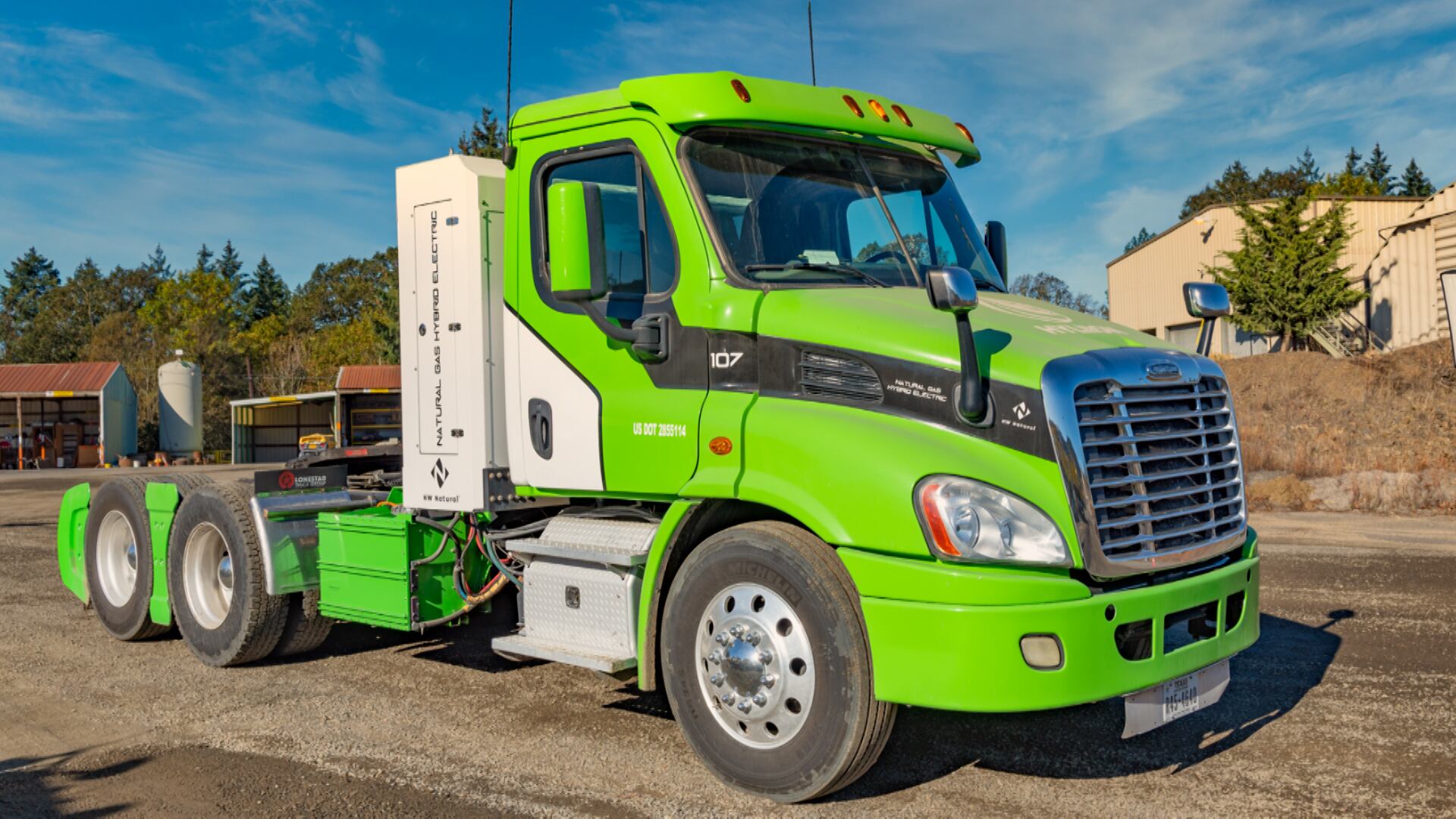
Nikola announced that it delivered its first electric semi trucks last week, sending the embattled EV company's stock soaring. There is a lot of competition in this space, though, said Lauren Fix, an automotive analyst with Car Coach Reports. While every country has companies racing to dominate the electric trucking industry, she explained, a shortage of graphite, used in batteries, and a dearth of convenient charging stations will still keep growth slow in 2022. "You really have to be very careful when you're investing in this marketplace," Fix said. "That's great that [Nikola was] able to deliver one, but can they deliver more?"
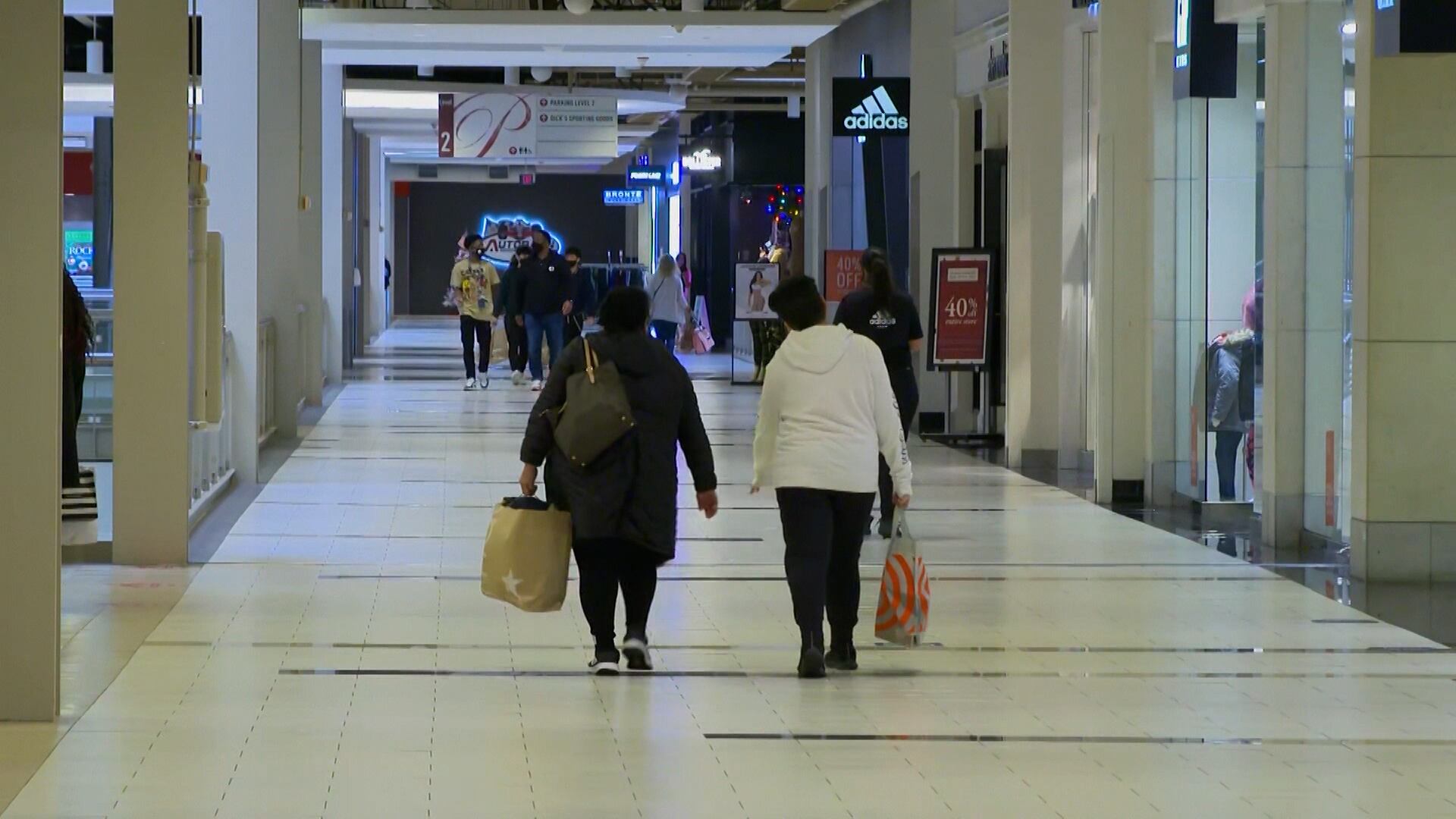
It looks like the supply chain didn't steal Christmas this year after all. Retail sales jumped 8.5 percent between November 1 and December 24, compared with the same period last year, according to a report from Mastercard. That's the strongest growth in 17 years. Jharonne Martis, director of consumer research at Refinitiv, joined Cheddar to discuss how retailers were able to do so well despite inflation, supply chain issues, and the COVID-19 omicron variant but gave a subdued outlook for the retail sector at the beginning of 2022. "Consumers are not just completely isolated from the inflation issues," she said. "This is definitely going to continue into the first half of the year, as per our IFR data."
Hotel cancellations are on the rise ahead of the holidays as the omicron variant spreads around the world. Online hotel search site Trivago noted a 35 percent jump in cancellations since November. Axel Hefer, managing director and CEO at Trivago, joined Cheddar to discuss this worrying trend. Hefner said it is important for both travelers and businesses to watch how the 2021-2022 winter travel season unfolds as it will help them prepare for next year as the pandemic will likely be ongoing.
Markets opened slightly higher to kick off the final trading week of the year as investors continue to watch the Omicron variant in the U.S. Sean O'Hara, President, Pacer ETFs joined Cheddar's Opening Bell to discuss what drove early market activity.
Eric Mitchell, Sports Analyst and President & CEO of LifeFlip Media, breaks down the updated rules around testing in the NFL and outlines how vaccinated players are impacted by new return-to-play guidelines.