In the race to save the planet, the technology powering Virgin Hyperloop potentially could lead the charge in reducing the carbon impact of global transportation, one of the largest contributors to climate change, by more than 25 percent, according to Virgin Hyperloop CEO and co-founder Josh Giegel.
"Transportation is the largest emitter in the U.S., it's about 29 percent," Giegel told Cheddar. "So things like electric vehicles, last mile, ride-sharing, all of those things are making a dent."
Virgin Hyperloop uses an electric propulsion system to transport pods from one place to another through a low-pressure tube. Giegel said that the pods can transport people or goods at the speed of conventional airplanes while consuming 10 times less energy.
"But we need to look at mass transportation systems for people, for cargo and that's the opportunity for hyperloop, is that we can live in this century and the next century with technology that allows us to move at these speeds and save this amount of time without having to, i'll say, destroy the planet around us," he said. "It's really sustainability without sacrifice."
The pods also would be able to seat 25 to 35 passengers, take them directly to their destinations without making additional stops, and the service would be "on-demand," allowing passengers to move at their own pace without sticking to a strict departure schedule, according to the CEO. Giegel and colleague Sara Luchian were the first live passengers to test the technology in November of last year.
As global communities continue to seek transportation options that are more climate-conscious, Giegel said he expects technologies similar to Virgin Hyperloop to become more mainstream. He pointed to the coronavirus pandemic's impact on the environment, which led to a reduction in greenhouse gas pollution and even exposed a need for speedier, efficient transportation for vaccine distribution.
"The focus on sustainability, I think, is really, really refreshing and that there's opportunity like here in the U.S. or wherever it might be to 'build back better,' to use the technology of the future to, I'll say, enable the future that we want, which is fast, it's electric, it's clean," he said. "I'm just seeing a much more rapid view on getting people into sustainable modes of transport a heck of a lot faster."
Daniel Folkman, senior vice president of business at Gopuff, joined Cheddar to talk about the company's year of hypergrowth in 2021, particularly amid the COVID-19 pandemic, and what consumers can expect from the quick delivery market in 2022. He noted that the company's delivery sector performed at a high level this year but its e-commerce business is still in its infancy, with less than 10 percent of customers purchasing items sold by Gopuff. Folkman also talked about production expansion, including freshly-made pizza and milkshakes that people can order along with their cleaning supplies.
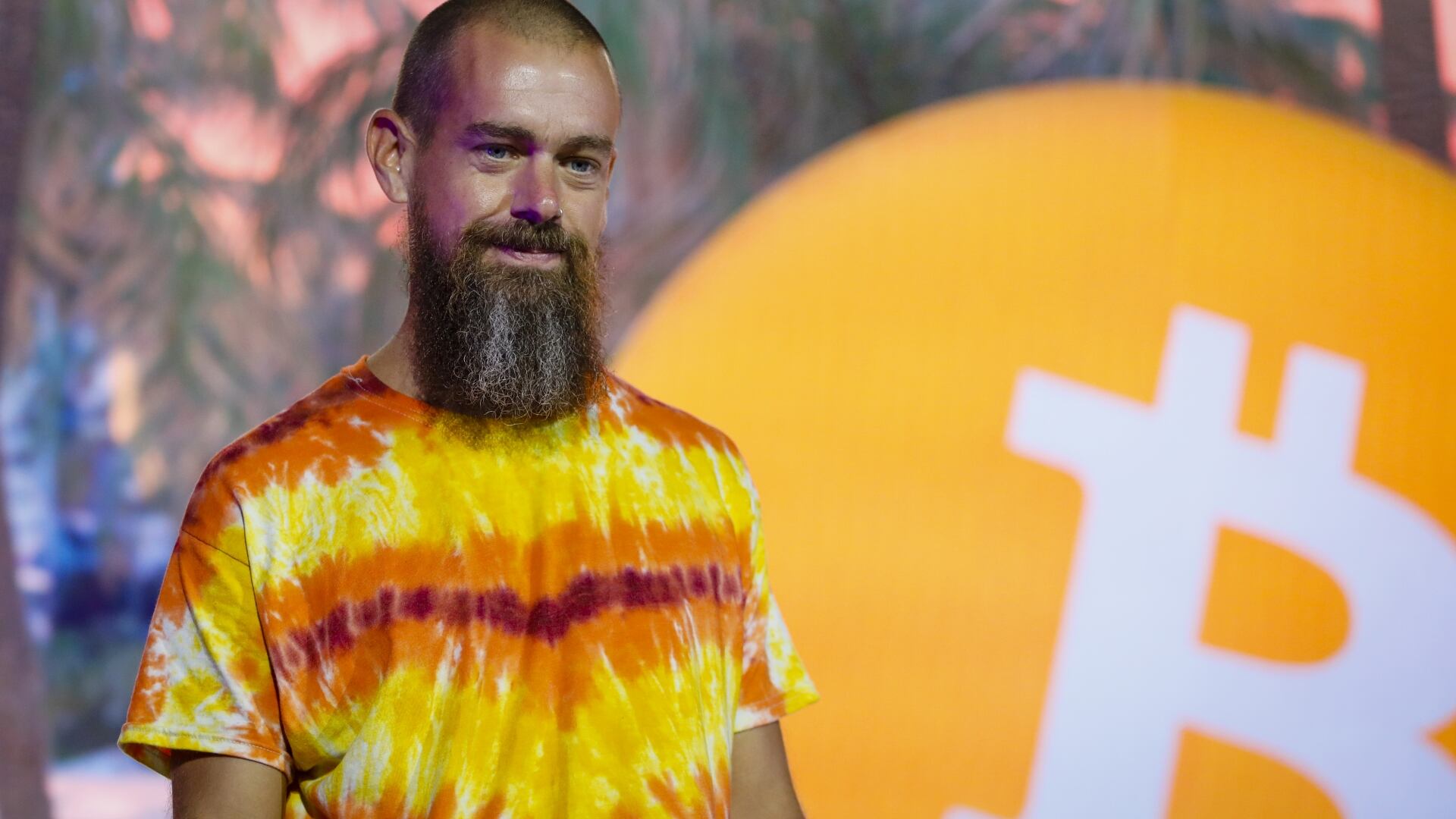
Venture capitalists and CEOs are clashing over the future of the internet. Web3 is the tech world's name for a decentralized, blockchain-based internet that runs on cryptocurrency. It was recently the topic of a tweet from Block CEO and former Twitter CEO Jack Dorsey who wrote that Web3 will not actually be owned by users, and instead be controlled by rich venture capitalists. Dorsey later shared that he was blocked on Twitter by Marc Andreesen, co-founder of VC firm Andreesen Horowitz, which has invested billions of dollars into Web3 and crypto projects. Correspondent for DealBook from the New York Times, Ephrat Livni, joins Cheddar News' Closing Bell to discuss what this could mean for the future of Web3.
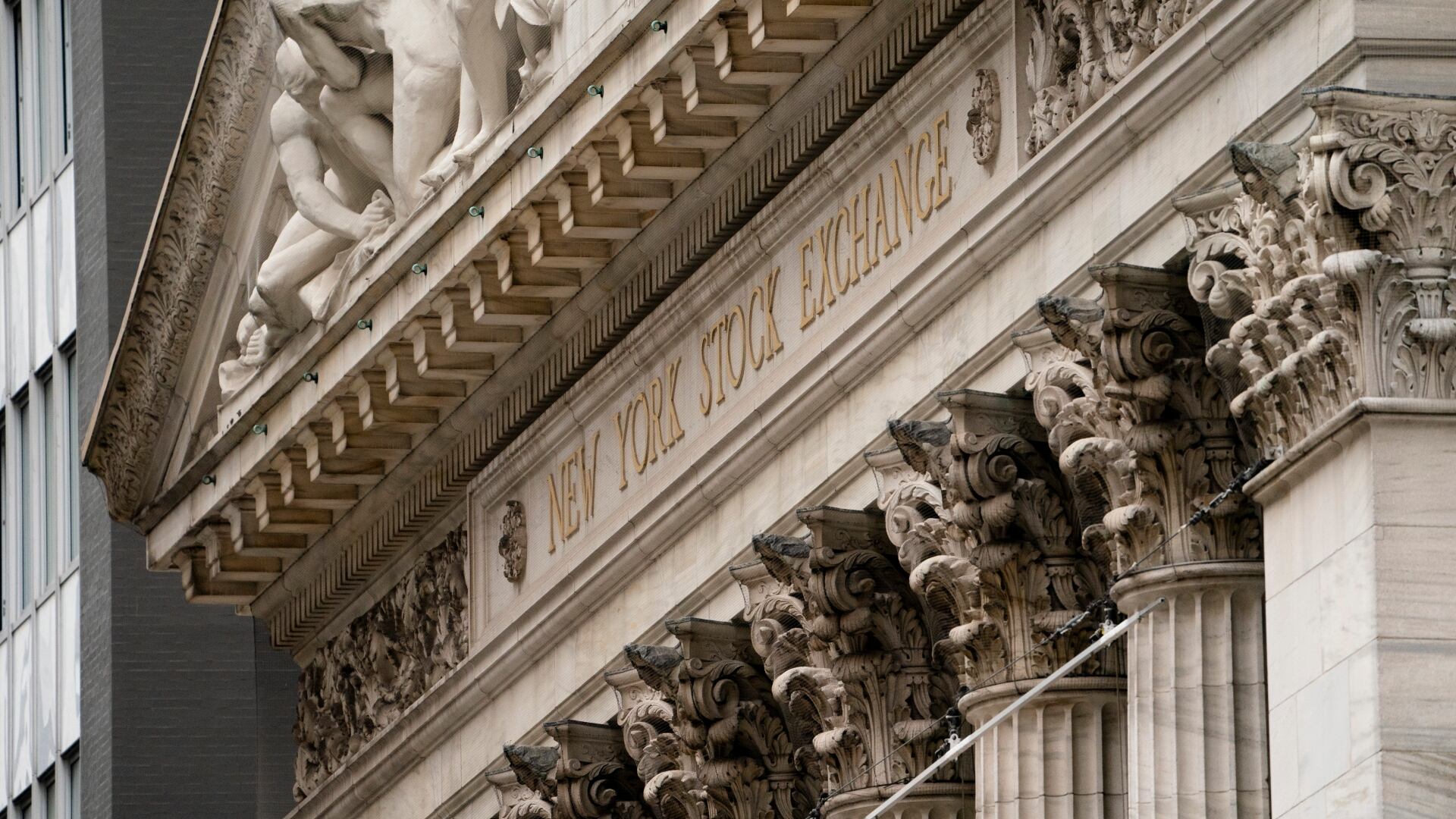
Jim Worden, Chief Investment Officer at Wealth Consulting Group, joins Cheddar News' Closing Bell, where he says the period between Christmas and New Year's is difficult to predict due to a lack of institutional volume, with the Omicron variant adding even more uncertainty on Wall Street.
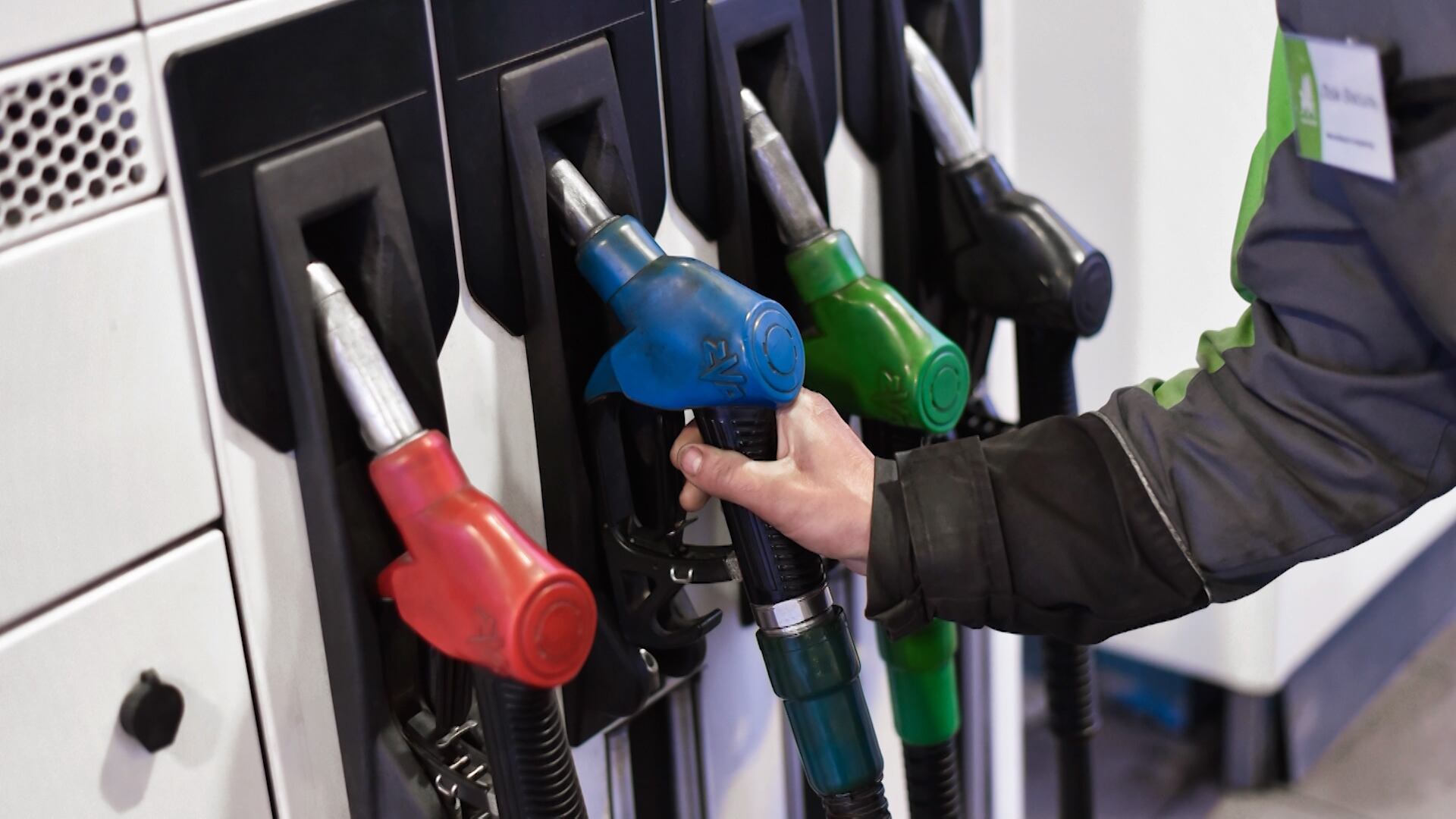
Prices at the pump this year reached a seven-year high, and a new forecast from GasBuddy shared with CNN predicts that gas prices will only continue to rise in 2022 and that the national average could even reach $4.00 a gallon; however, analysts at GasBuddy say anything could happen when it comes to gas prices in the future, as the pandemic has made it difficult to make any predictions about the economy. Consumer Energy Alliance federal policy advisor Michael Zehr joins Cheddar News' Closing Bell to discuss.