In the race to save the planet, the technology powering Virgin Hyperloop potentially could lead the charge in reducing the carbon impact of global transportation, one of the largest contributors to climate change, by more than 25 percent, according to Virgin Hyperloop CEO and co-founder Josh Giegel.
"Transportation is the largest emitter in the U.S., it's about 29 percent," Giegel told Cheddar. "So things like electric vehicles, last mile, ride-sharing, all of those things are making a dent."
Virgin Hyperloop uses an electric propulsion system to transport pods from one place to another through a low-pressure tube. Giegel said that the pods can transport people or goods at the speed of conventional airplanes while consuming 10 times less energy.
"But we need to look at mass transportation systems for people, for cargo and that's the opportunity for hyperloop, is that we can live in this century and the next century with technology that allows us to move at these speeds and save this amount of time without having to, i'll say, destroy the planet around us," he said. "It's really sustainability without sacrifice."
The pods also would be able to seat 25 to 35 passengers, take them directly to their destinations without making additional stops, and the service would be "on-demand," allowing passengers to move at their own pace without sticking to a strict departure schedule, according to the CEO. Giegel and colleague Sara Luchian were the first live passengers to test the technology in November of last year.
As global communities continue to seek transportation options that are more climate-conscious, Giegel said he expects technologies similar to Virgin Hyperloop to become more mainstream. He pointed to the coronavirus pandemic's impact on the environment, which led to a reduction in greenhouse gas pollution and even exposed a need for speedier, efficient transportation for vaccine distribution.
"The focus on sustainability, I think, is really, really refreshing and that there's opportunity like here in the U.S. or wherever it might be to 'build back better,' to use the technology of the future to, I'll say, enable the future that we want, which is fast, it's electric, it's clean," he said. "I'm just seeing a much more rapid view on getting people into sustainable modes of transport a heck of a lot faster."
There is a new player in the mobile app stock trading space.
Zingeroo recently announced a funding round of $8.5 million. The company says it aims to bring 'friendly competition' to stock trading, by literally breaking trading down into daily and weekly competitions between friends. Zingeroo also says it hopes its new approach can make trading more accessible, educational, and social than ever before. Zingeroo co-founder and CEO Zoe Barry joins Cheddar News' Closing Bell for more.
Stocks closed higher on the first trading day of 2022, with both the Dow and the S&P 500 hitting record closes. Apple and Tesla created momentum, with the tech giant hitting a $3 trillion market cap, and the EV maker reporting over 300,000 deliveries in the fourth quarter of 2021. Investors are taking an optimistic approach to start the year even as COVID-19 continues to linger and omicron cases soar. Rebecca Walser, President at Walser Wealth Management, joins Cheddar News' Closing Bell to discuss today's market movement, her broad predictions for the year, and more.
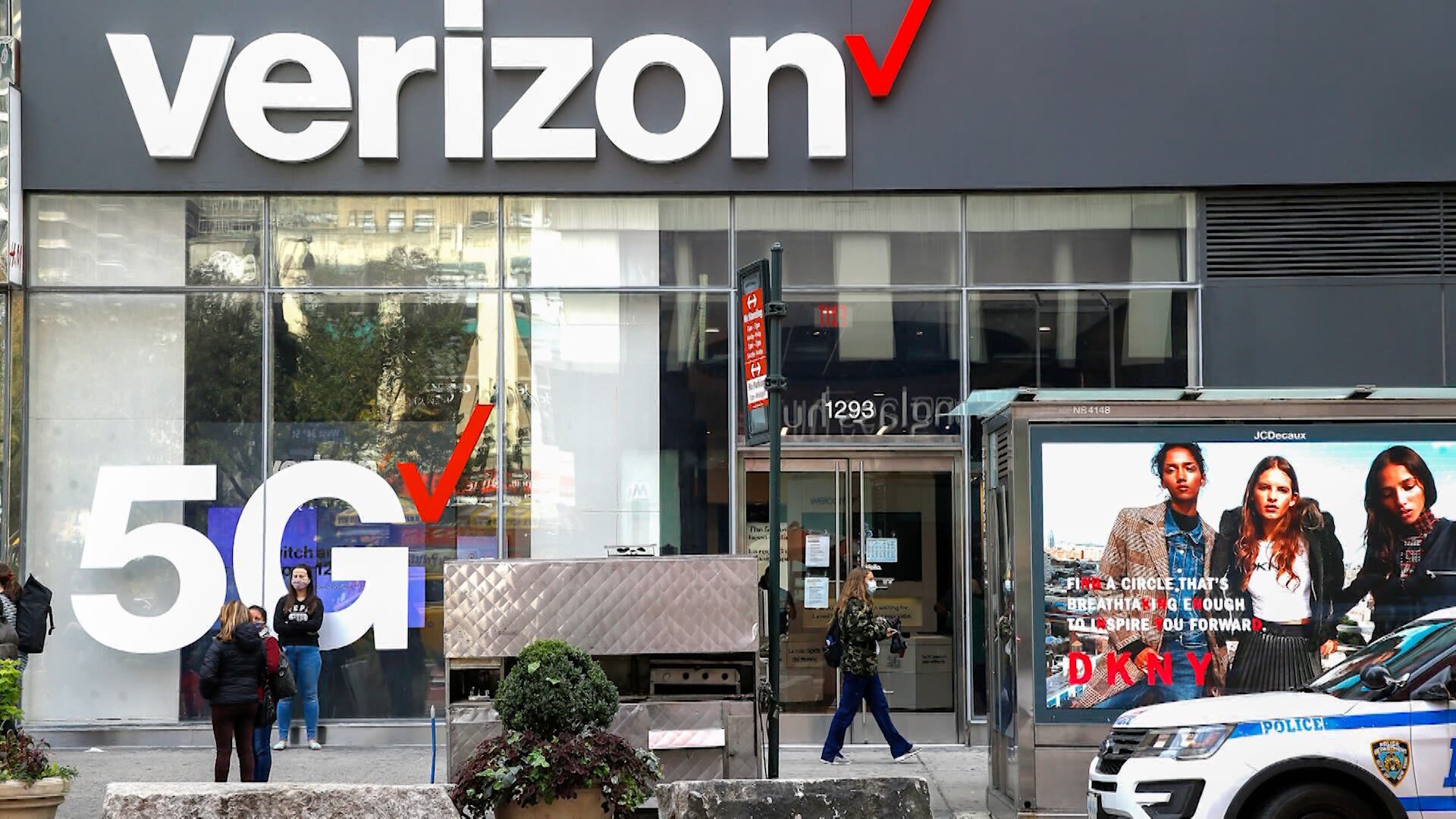
As cell carriers AT&T and Verizon planned to roll out nationwide 5G service this week, the FAA and U.S. DOT are asking the companies to pause their plans so more research can be done on the impact 5G has on aircraft technology. The companies are refusing, citing French regulations that limit wireless signals around airports while allowing research to continue. This week's launch wasn't the first time concerns have delayed 5G — last year, Airbus and Boeing express concerns, pushing the deadline into November, December, and then into this year. So what happens now — and what happens next? Will 5G roll out this year as expected? Jon Swartz, Senior Reporter at MarketWatch, joins Cheddar News' Closing Bell to discuss the state of the planned 5G rollout, why the FAA and U.S. Department of Transportation are asking carriers to stall the launch, and more.
Tyrone Ross, CEO of Onramp Invest, joins Cheddar News' Closing Bell, where he explains why he believes the current crypto slump is expected to persist and says that investors should be focusing more on Bitcoin's hashrate when it comes to metrics.
As the COVID-19 omicron variant continues to spread, thousands of flights have been canceled, restaurants and bars have been forced to re-adapt to outdoor and take-out dining, and consumers are canceling their travel and other plans. This all comes as the CDC recently updated its quarantine guidelines for people who test positive, slashing the isolation period from 10 days to five. That change was pushed by the airline industry as it continues to struggle with labor shortages. How will the variant continue to impact businesses large and small? Laura Reathaford, Partner at Lathrop GPM, and Tom Sacco, CEO, President, and Chief Happiness Officer of Iowa-based Happy Joe's Pizza and Ice Cream, join Cheddar News' Closing Bell to discuss employment law issues related to worker safety during COVID-19 outbreaks, and how small businesses are dealing with the latest wave, respectively.
Luke Larsen, senior editor at Digital Trends, joins Cheddar News to discuss the largest tech convention in the world, CES, kicking off in Las Vegas this week.