In the race to save the planet, the technology powering Virgin Hyperloop potentially could lead the charge in reducing the carbon impact of global transportation, one of the largest contributors to climate change, by more than 25 percent, according to Virgin Hyperloop CEO and co-founder Josh Giegel.
"Transportation is the largest emitter in the U.S., it's about 29 percent," Giegel told Cheddar. "So things like electric vehicles, last mile, ride-sharing, all of those things are making a dent."
Virgin Hyperloop uses an electric propulsion system to transport pods from one place to another through a low-pressure tube. Giegel said that the pods can transport people or goods at the speed of conventional airplanes while consuming 10 times less energy.
"But we need to look at mass transportation systems for people, for cargo and that's the opportunity for hyperloop, is that we can live in this century and the next century with technology that allows us to move at these speeds and save this amount of time without having to, i'll say, destroy the planet around us," he said. "It's really sustainability without sacrifice."
The pods also would be able to seat 25 to 35 passengers, take them directly to their destinations without making additional stops, and the service would be "on-demand," allowing passengers to move at their own pace without sticking to a strict departure schedule, according to the CEO. Giegel and colleague Sara Luchian were the first live passengers to test the technology in November of last year.
As global communities continue to seek transportation options that are more climate-conscious, Giegel said he expects technologies similar to Virgin Hyperloop to become more mainstream. He pointed to the coronavirus pandemic's impact on the environment, which led to a reduction in greenhouse gas pollution and even exposed a need for speedier, efficient transportation for vaccine distribution.
"The focus on sustainability, I think, is really, really refreshing and that there's opportunity like here in the U.S. or wherever it might be to 'build back better,' to use the technology of the future to, I'll say, enable the future that we want, which is fast, it's electric, it's clean," he said. "I'm just seeing a much more rapid view on getting people into sustainable modes of transport a heck of a lot faster."
Stocks closed lower Tuesday with investors initiating a broad sell-off, leading the Dow to have its worst day of 2022 so far as it had its biggest decline since November. Investors are eyeing treasury yields, which have surged to pre-pandemic highs, as well as looking ahead to the Federal Reserve's path forward when it comes to raising interest rates. Meanwhile, as earnings season kicks off, Goldman Sachs shares are under pressure after a lackluster earnings report. Goldman is weighing on bank stocks as a whole. Jeff Buchbinder, Equity Strategist for LPL Financial, joins Cheddar News' Closing Bell to discuss today's close, why treasury yields are ticking higher toward pre-pandemic levels, big bank earnings reports, and more.
Mike McGlone, Senior Commodity Strategist at Bloomberg Intelligence, joins Cheddar News' Closing Bell, where he says he believes we'll eventually see Bitcoin reach the $100,000 mark despite its recent struggles, and explains why Bitcoin will be less volatile than the Nasdaq.
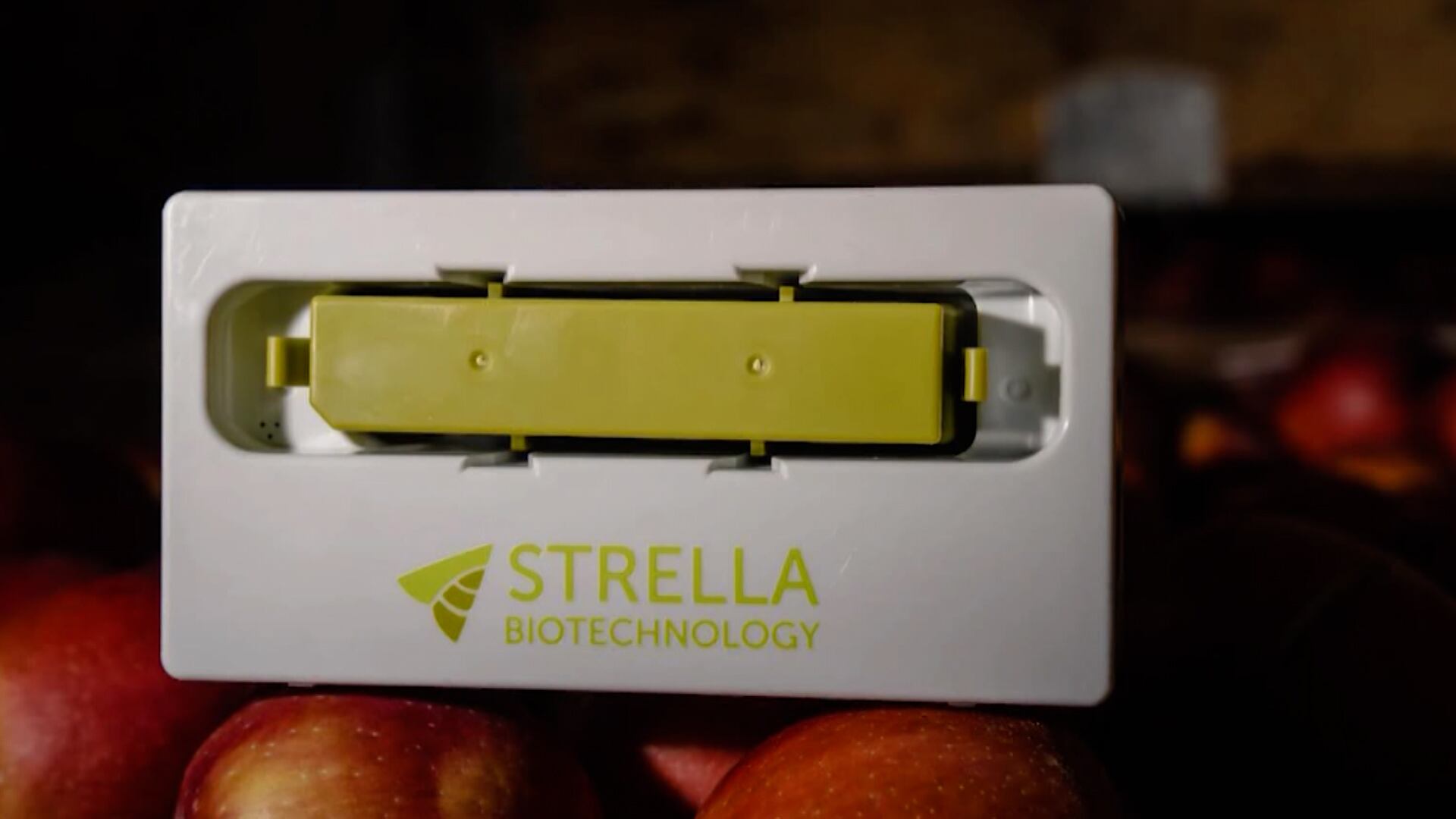
Food waste is a major contributor to greenhouse gas emissions in the United States. Strella Biotechnology is trying to solve the problem by introducing new technology to a business that's been around for generations -- farming. The 24-year-old CEO created hi-tech sensors that interpret the shelf life of produce and alert farmers when fruits and vegetables are ready to be sent to supermarkets. The company says the process can help farmers make money, reduce food waste and increase the quality of produce. Strella Biotechnology's co-founder and CEO Katherine Sizov and co-founder and COO Jay Jordan joined Cheddar Climate to discuss.
Adele Shraiman, Campaign Representative for the Sierra Club’s Fossil Free Finance Campaign, joins Cheddar Climate, where she explains how Wall Street and climate change are related. She also elaborates on how decisions made by financial institutions are actually hurting the ability to reduce carbon emissions.
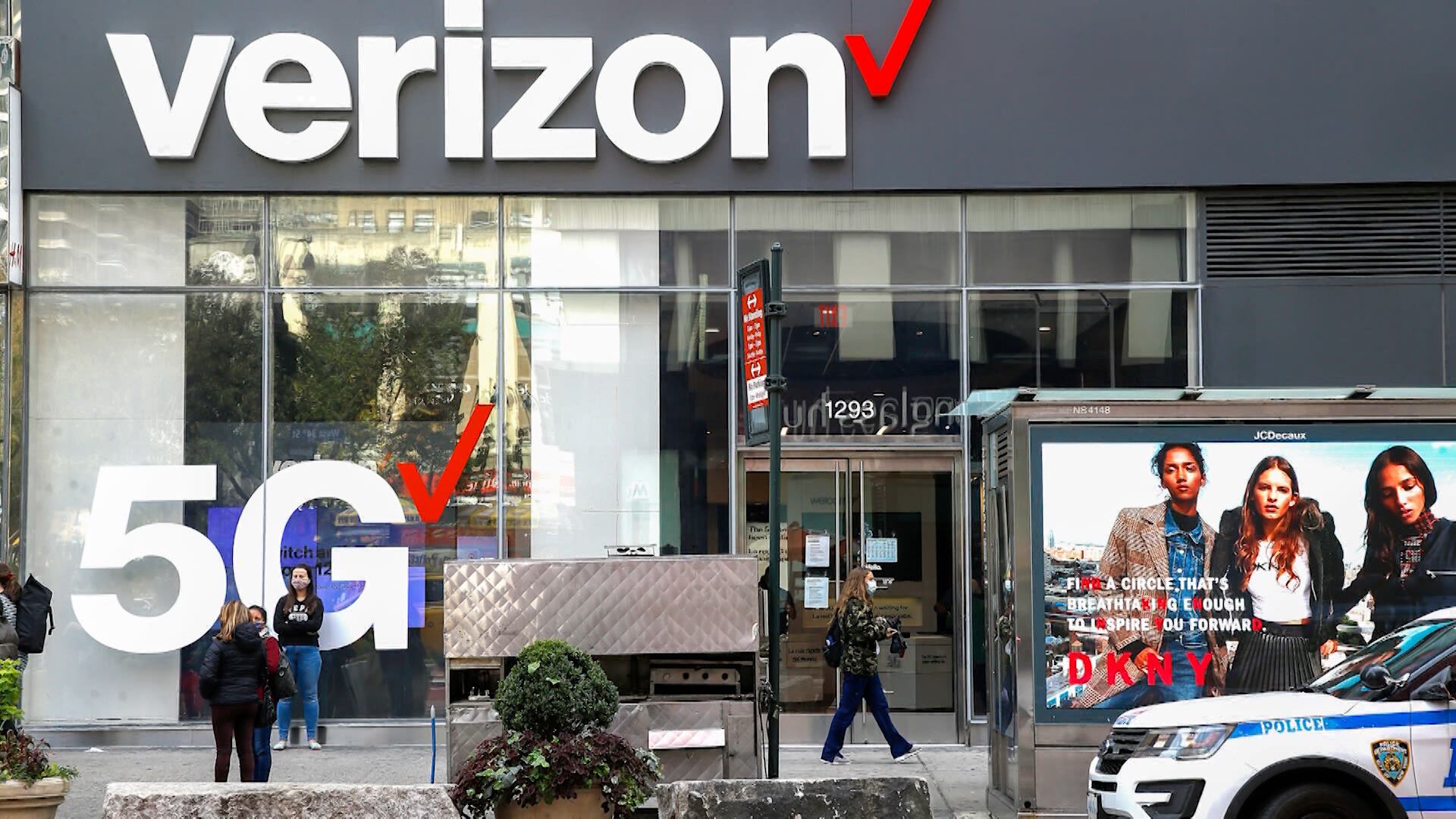
Hugh Odom, founder and president of Vertical Consultants, shared his expertise on telecommunications with Cheddar on the safety issue raised about 5G deployment by airlines. The installation was partially delayed again on Tuesday as the airlines warned of potentially catastrophic delays in a letter to the Biden administration. Later, both Verizon and AT&T relented and put a pause on some of the implementations. "The first thing the Biden administration needs to do is get everybody in the room and say, look, aviation industry, identify the problem — wireless industry, come up with a solution," said Odom.
Microsoft announced on Tuesday it's acquiring video game publisher Activision Blizzard for nearly $70 billion in cash, a company that's is known for big titles like "Call of Duty" and "World of Warcraft." Lyron Bentovim, Glimpse Group president and CEO, and Dan Ives, managing director and senior equity research analyst at Wedbush, sat down to talk about what Ives called "a shot across the bow" towards the competition. "This is pretty exciting for the industry as a whole because another one of the big players is coming to the metaverse," said Bentovim. "Microsoft using metaverse in the quote from their CEO in their press release shows the importance of this deal."
Netflix may not be staying at the top of the streaming wars, according to some wary investors, as competition heats up and it raises prices yet again. Tuna Amobi, director and senior equity analyst at CFRA Research, spoke with Cheddar about what investors should be considering should they stick with the streaming pioneer or drop the investment. "I think it's always mostly about the subscriber growth for the Q4, which is going to be an indicator of how the company has been navigating the speed bumps that we saw early in the year," said Amobi.
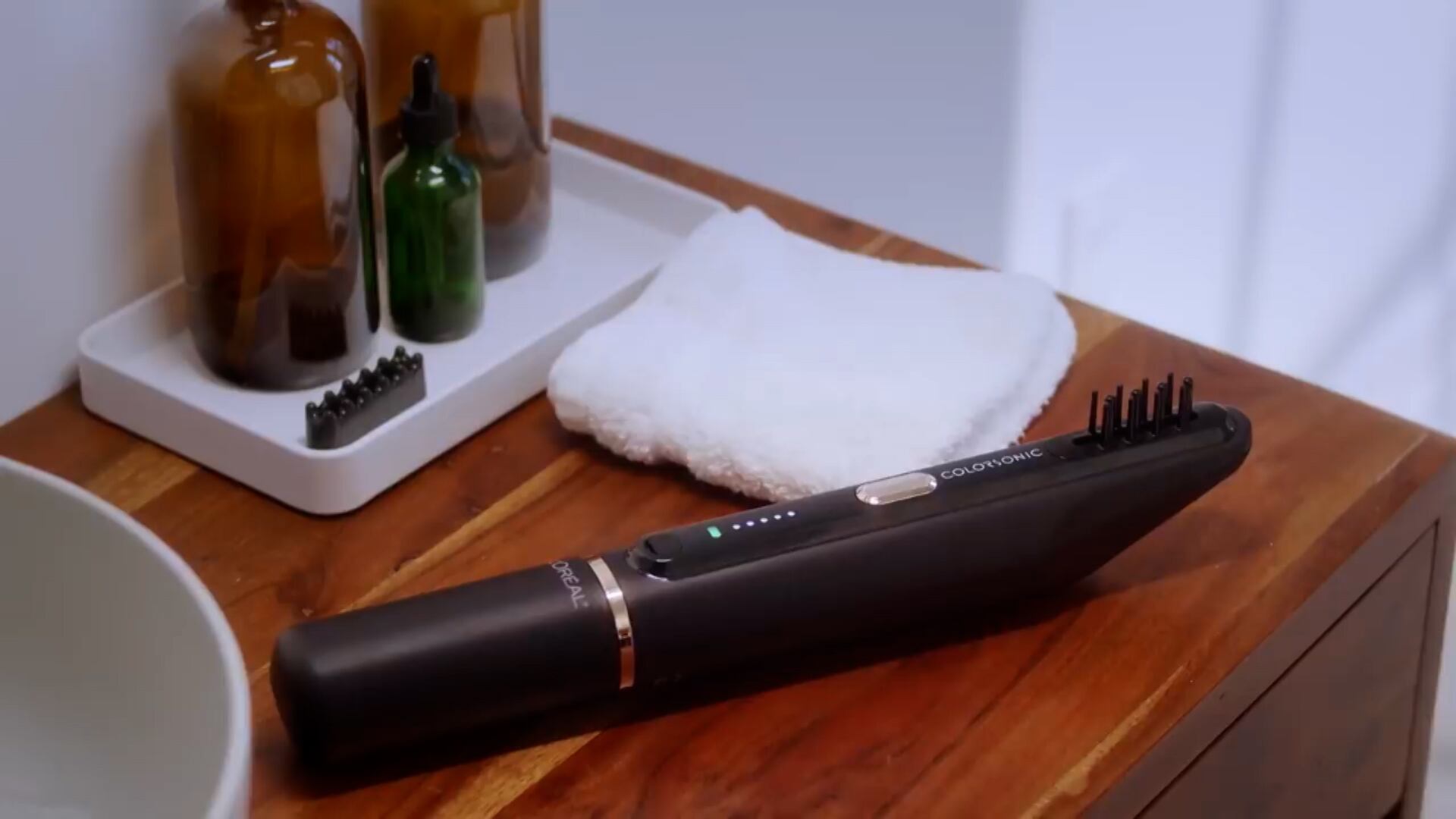
L’Oréal is doubling down on its investment in tech. The French beauty giant unveiled two new high-tech products ahead of CES 2022, aimed at simplifying the hair coloring process. Guive Balooch, global vice president of L’Oréal Technology Incubator, joined Cheddar's Opening Bell to discuss the company's innovations for hair coloring, including the Colorsonic application device and the Coloright AI diagnostic tool.