In the race to save the planet, the technology powering Virgin Hyperloop potentially could lead the charge in reducing the carbon impact of global transportation, one of the largest contributors to climate change, by more than 25 percent, according to Virgin Hyperloop CEO and co-founder Josh Giegel.
"Transportation is the largest emitter in the U.S., it's about 29 percent," Giegel told Cheddar. "So things like electric vehicles, last mile, ride-sharing, all of those things are making a dent."
Virgin Hyperloop uses an electric propulsion system to transport pods from one place to another through a low-pressure tube. Giegel said that the pods can transport people or goods at the speed of conventional airplanes while consuming 10 times less energy.
"But we need to look at mass transportation systems for people, for cargo and that's the opportunity for hyperloop, is that we can live in this century and the next century with technology that allows us to move at these speeds and save this amount of time without having to, i'll say, destroy the planet around us," he said. "It's really sustainability without sacrifice."
The pods also would be able to seat 25 to 35 passengers, take them directly to their destinations without making additional stops, and the service would be "on-demand," allowing passengers to move at their own pace without sticking to a strict departure schedule, according to the CEO. Giegel and colleague Sara Luchian were the first live passengers to test the technology in November of last year.
As global communities continue to seek transportation options that are more climate-conscious, Giegel said he expects technologies similar to Virgin Hyperloop to become more mainstream. He pointed to the coronavirus pandemic's impact on the environment, which led to a reduction in greenhouse gas pollution and even exposed a need for speedier, efficient transportation for vaccine distribution.
"The focus on sustainability, I think, is really, really refreshing and that there's opportunity like here in the U.S. or wherever it might be to 'build back better,' to use the technology of the future to, I'll say, enable the future that we want, which is fast, it's electric, it's clean," he said. "I'm just seeing a much more rapid view on getting people into sustainable modes of transport a heck of a lot faster."
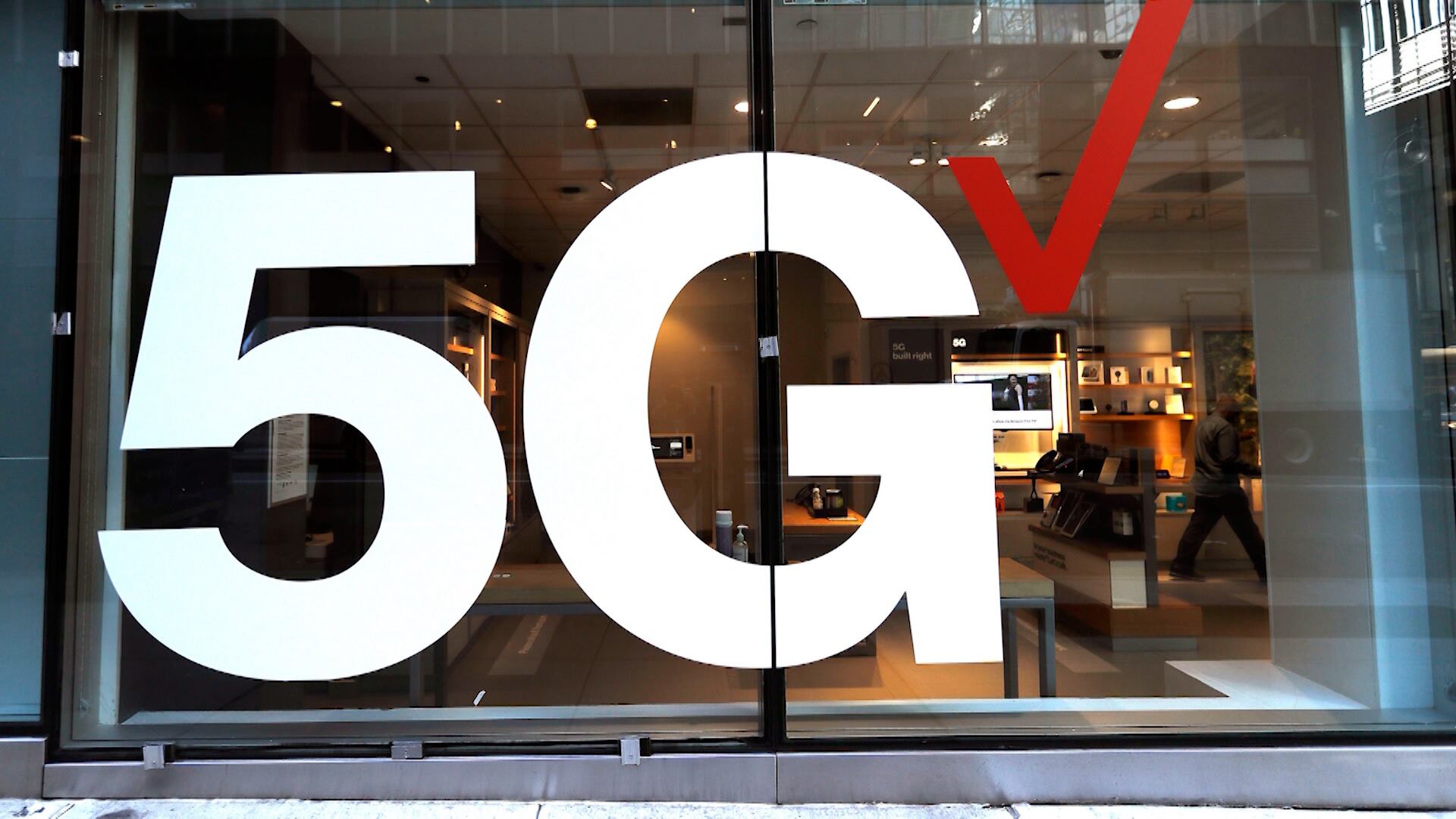
AT&T and Verizon have agreed to delay activating their 5G services around airports due to safety concerns. This comes after major U.S. airlines voiced their concern over the rollout of 5G technology, warning of an impending "catastrophic" aviation crisis. Hugh Odom, founder and president of Vertical Consultants, telecom expert, and former AT&T attorney, joined Cheddar Movers to discuss.
Melissa Armo, founder and CEO of The Stock Swoosh, breaks down the factors affecting profitability for banks this year and highlights opportunities within the financial sector.
While more inflation means higher prices, some businesses are looking for alternatives to avoid scaring off their customers. 'Shrinkflation,' a fancy word for downsizing, happens when companies reduce the size or quantity of their products while still charging the same prize... or even more.
Chris Markowski, 'Watchdog on Wall Street' host and president of Markowski Investments, joins Cheddar News to discuss.
The list of banks reducing or cutting overdraft fees has just grown. Both Bank of America and Wells Fargo have announced plans to end non-sufficient funds and overdraft fees. It's a move that economists are calling 'brilliant,' and is sure to hike up the pressure on large national and regional banks to follow in their footsteps. Greg McBride, the chief financial analyst at Bankrate, joins Cheddar News to discuss.
In fashion, the term "nude" is a common description of a shade slightly darker than champagne with a hint of blush or peach, but how does that translate to the wearer's skin tone? One shapewear brand's mission is to make sure "nude" is as inclusive as possible. Erin Carpenter, founder of Nude Barre, joined All Hands to discuss.
Tech giants Meta, Amazon, Alphabet, and Apple are faced with a bipartisan antitrust legislation effort underway in the Senate Judiciary Committee. The companies stand accused of promoting their own goods and services over smaller competitors on their platforms, holding too much monopolistic power via their app stores and services. Adam Kovacevich, founder and CEO of Chamber of Progress, a technology industry trade group, joined Cheddar to argue that the bills that are being debated currently could end up hurting consumers, rather than helping.
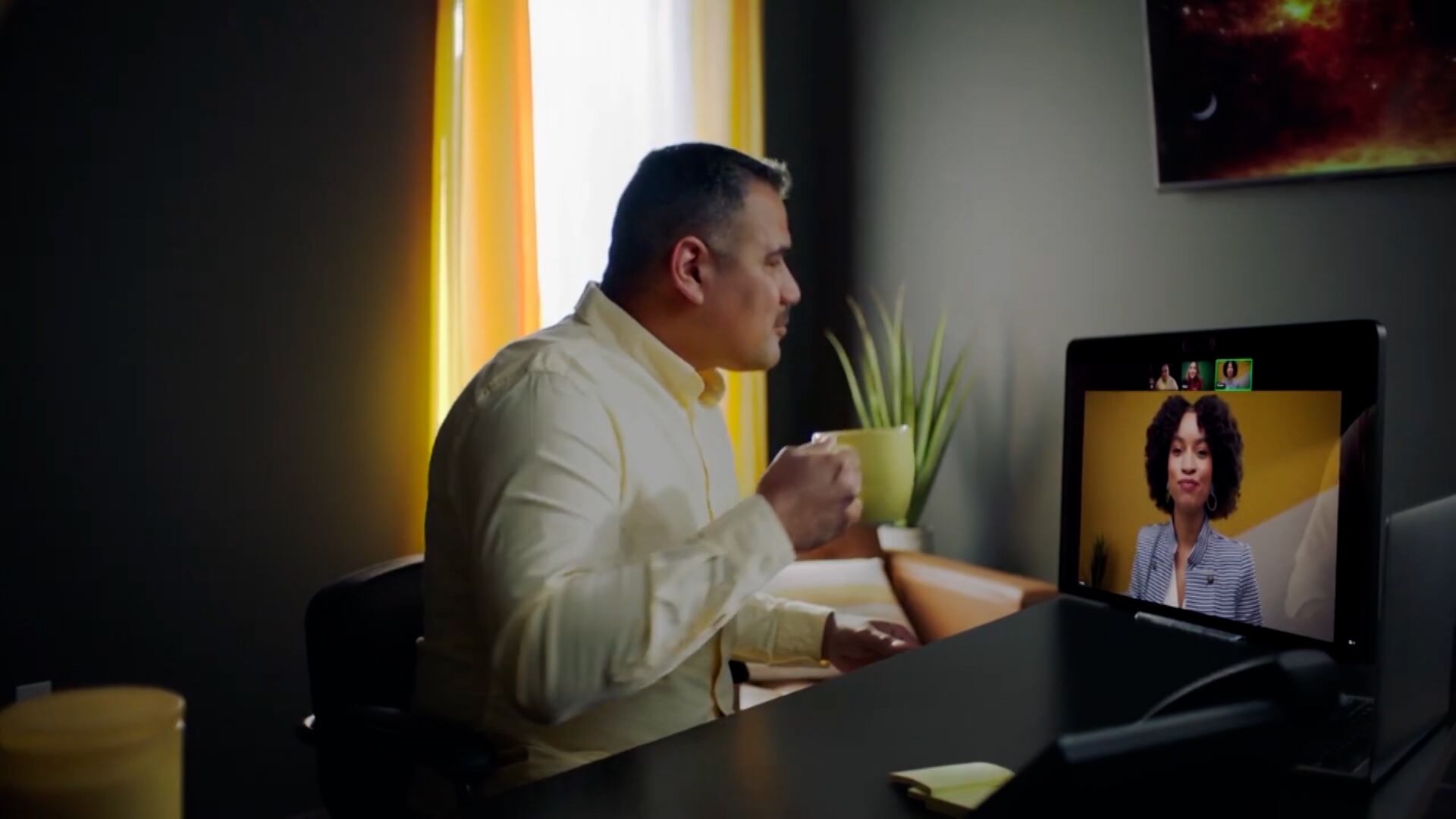
A saving grace for offices during pandemic lockdowns, video communication platform Zoom announced its own plans for doors to reopen from its Work Transformation Summit 2022. Dubbed Workstyles, CFO Kelly Steckelberg joined Cheddar to discuss the self-reported, tiered levels for how employees will be reporting going forward, from the majority of workers going hybrid to personnel who will work fully from home or the office where it makes sense. Steckelberg also talked about the company's plans for the future, stating “what we can control is our own execution," as Zoom's stock hit a 52-week low.
Sebastien Lagree, creator and founder of Lagree Fitness, joins Cheddar News to talk about the growth of Lagree Fitness and industry trends to watch in 2022.
Nikhilesh De, managing editor of global regulation and policy at CoinDesk, joins Cheddar News to discuss Bitcoin's slump and corporations' growing interest in NFTs.
Airlines around the world cancel or change flights ahead of Verizon and AT&T's 5G rollout. The two wireless companies agreed to temporarily delay the launch of the new service near some key airports, after airlines warned the 5G signals could interfere with certain aviation equipment. Jonathan Adelstein, president and CEO of the Wireless Infrastructure Association, joined Cheddar News to discuss.