In the race to save the planet, the technology powering Virgin Hyperloop potentially could lead the charge in reducing the carbon impact of global transportation, one of the largest contributors to climate change, by more than 25 percent, according to Virgin Hyperloop CEO and co-founder Josh Giegel.
"Transportation is the largest emitter in the U.S., it's about 29 percent," Giegel told Cheddar. "So things like electric vehicles, last mile, ride-sharing, all of those things are making a dent."
Virgin Hyperloop uses an electric propulsion system to transport pods from one place to another through a low-pressure tube. Giegel said that the pods can transport people or goods at the speed of conventional airplanes while consuming 10 times less energy.
"But we need to look at mass transportation systems for people, for cargo and that's the opportunity for hyperloop, is that we can live in this century and the next century with technology that allows us to move at these speeds and save this amount of time without having to, i'll say, destroy the planet around us," he said. "It's really sustainability without sacrifice."
The pods also would be able to seat 25 to 35 passengers, take them directly to their destinations without making additional stops, and the service would be "on-demand," allowing passengers to move at their own pace without sticking to a strict departure schedule, according to the CEO. Giegel and colleague Sara Luchian were the first live passengers to test the technology in November of last year.
As global communities continue to seek transportation options that are more climate-conscious, Giegel said he expects technologies similar to Virgin Hyperloop to become more mainstream. He pointed to the coronavirus pandemic's impact on the environment, which led to a reduction in greenhouse gas pollution and even exposed a need for speedier, efficient transportation for vaccine distribution.
"The focus on sustainability, I think, is really, really refreshing and that there's opportunity like here in the U.S. or wherever it might be to 'build back better,' to use the technology of the future to, I'll say, enable the future that we want, which is fast, it's electric, it's clean," he said. "I'm just seeing a much more rapid view on getting people into sustainable modes of transport a heck of a lot faster."
Exercise equipment maker Peloton is attempting to run away from a recent bout of controversy. CEO John Foley published an open letter to employees on Thursday after reports that said Peloton was pausing production of its Bike and Tread products, delaying the opening of a new U.S. factory, and considering job cuts. In the letter, Foley wrote that the information in the reports was 'incomplete,' 'out of context,' and not reflective of Peloton's strategy. Peloton's stock responded on Friday, with shares bouncing back after falling nearly 24% in the regular session on Thursday. CFRA Research's Director of Research Ken Leon joined Cheddar News' Closing Bell to discuss.
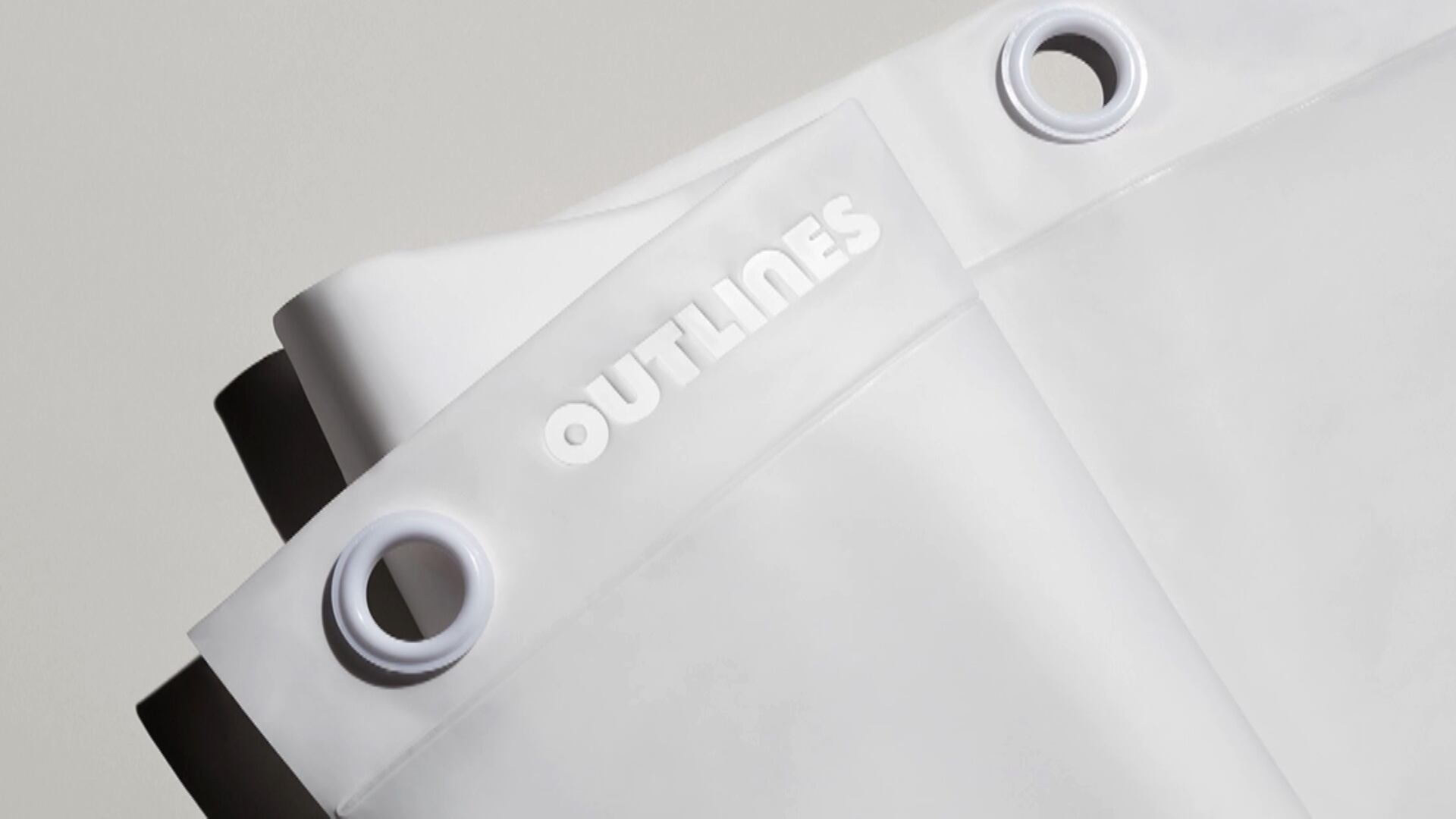
Home essentials maker Outlines announced its launch at the beginning of 2022, along with $1 million in pre-seed funding led by Social Impact Capital. Outlines says it is re-imagining how we keep our homes clean while also reducing plastic waste. The company's debut product, the Shower Liner System, is made of long-lasting materials, including easy-to-recycle plastic. Outlines co-founder and CEO Luke Young and co-founder and COO Megan Ceryanec joined Cheddar News' Closing Bell to discuss.
Despite Netflix's successful fourth-quarter earnings report, investors are hitting the 'pause' button after the company admitted that competition from other streaming platforms could eat into growth. Netflix is also lowering expectations for expected subscriber growth for the first quarter of this year, anticipating it will add just 2.5 million, far below the 3.98 million subscribers it added during the same quarter one year ago. What could happen to the streaming giant as the streaming wars keep heating up? Greg Martin, Co-Founder of Rainmaker Securities, joins Cheddar News' Closing Bell to discuss whether Netflix could lose its top spot, how it's trying to compete with other platforms, the streaming industry landscape, and more.
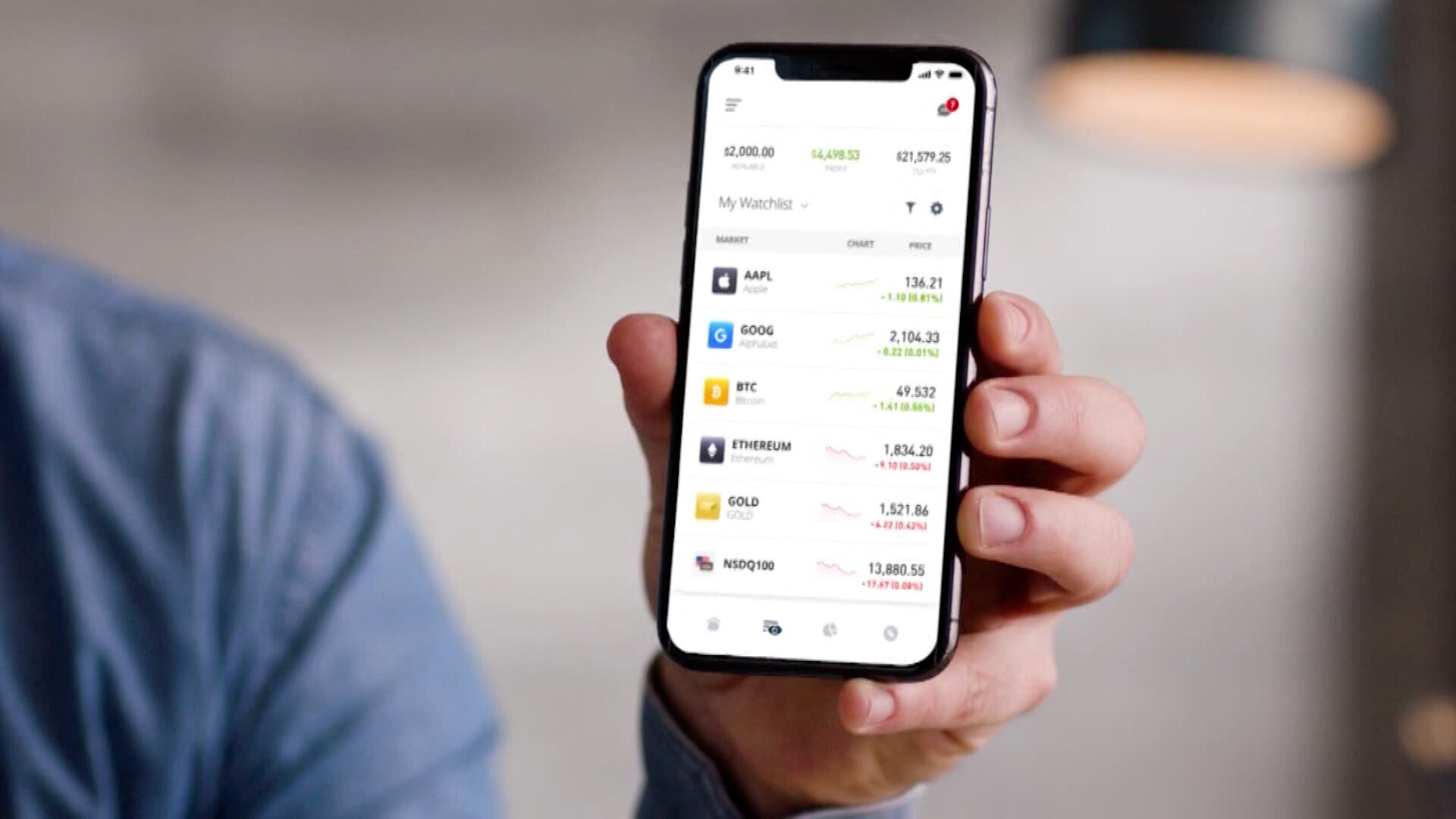
eToro, the social trading platform that offers crypto, forex, and equities, recently announced that it's giving U.S. users the option to include stocks and ETFs as part of their investment portfolios. Lule Demmissie, CEO of eToro U.S., joined Cheddar to talk about the company’s expanded offerings. "We felt, although crypto is a fantastic asset class, that individuals benefit from having a broader access to different kinds of investments, and equities is definitely one of them," Demmissie noted.
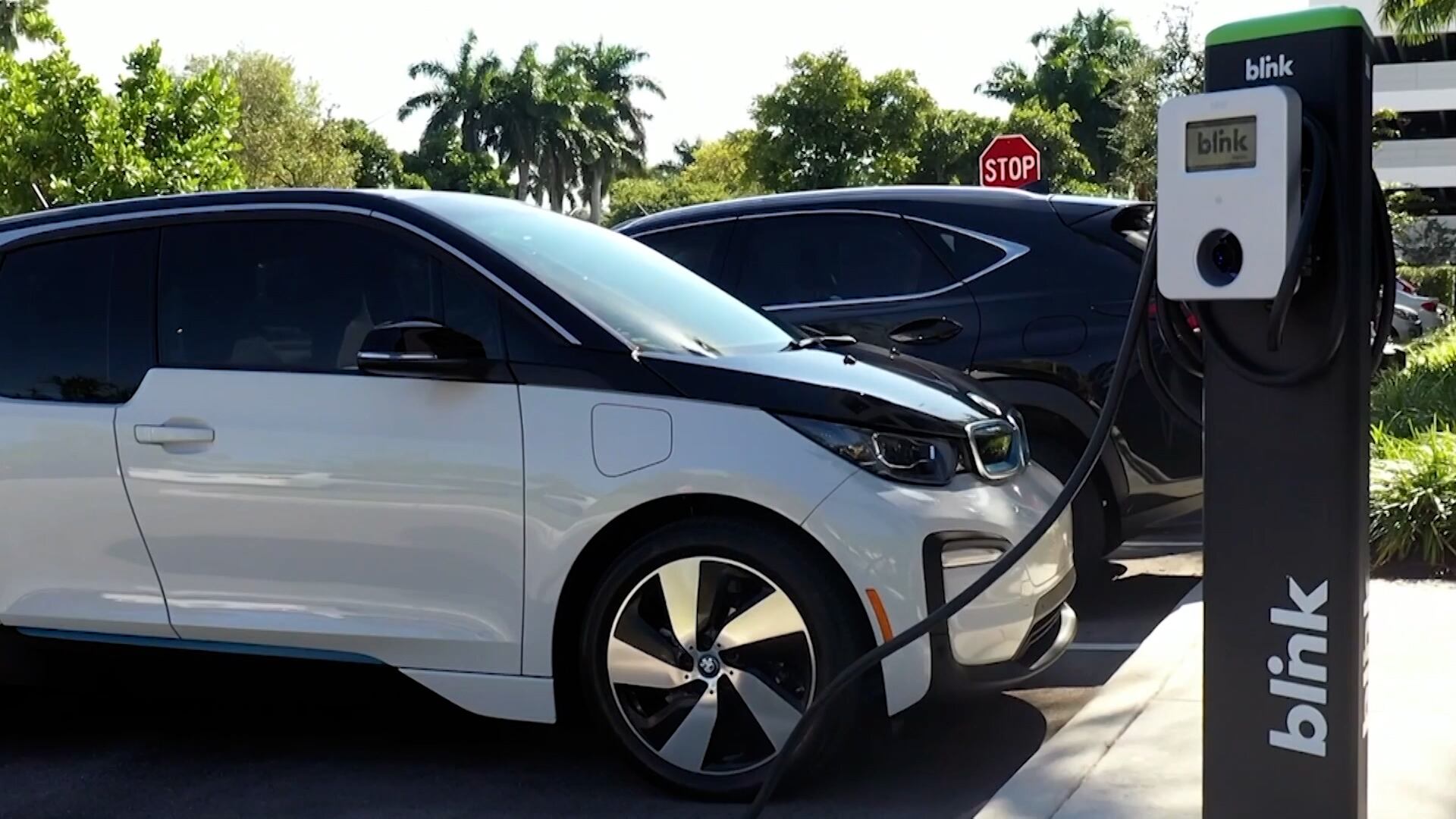
Coming off of CES, Blink Charging announced a partnership with legacy automaker General Motors to provide charging stations for its newest electric cars. The company specializes in stations they own and operate that also accommodate residential and commercial locations. Michael D. Farkas, founder and CEO, noted that they "don’t discriminate” when it comes to locating their chargers while also taking the philosophy of seeing their hardware more like hot water heaters rather than smartphones constantly in need of upgrading. "We believe it's one of the reasons why we were selected by GM," Farkas said. "These dealerships have to invest in these locations and make sure that this hardware is workable for a very, very long period of time."
Simeon Siegel, managing director and senior analyst at BMO Capital Markets joins Cheddar News to discuss CNBC's report that Peloton plans to halt production, despite the company's CEO denying those claims.
Mona Zhang, states cannabis policy reporter at POLITICO Pro joins Cheddar News to discuss major factors that caused Canada's retail marijuana sales to drop last year.
Jackie Rotman, founder and CEO of the Center for Intimacy Justice joins Cheddar News to talk about why Facebook is banning ads by companies targeting women's sexual health but not ads catered to men.
TikTok recently announced that it is testing a paid subscription model. The news comes days after Instagram publicized a similar service. TikTok has made $2.3 billion from in-app purchases, but mostly through tips, in 2021, showing that its users may be open to spending money on the platform.
The NCAA voted to streamline their constitution at their annual convention on Thursday. Each of the three college divisions can decide how student-athletes can make money from outside sources but still restricts schools from directly paying its players.