In the race to save the planet, the technology powering Virgin Hyperloop potentially could lead the charge in reducing the carbon impact of global transportation, one of the largest contributors to climate change, by more than 25 percent, according to Virgin Hyperloop CEO and co-founder Josh Giegel.
"Transportation is the largest emitter in the U.S., it's about 29 percent," Giegel told Cheddar. "So things like electric vehicles, last mile, ride-sharing, all of those things are making a dent."
Virgin Hyperloop uses an electric propulsion system to transport pods from one place to another through a low-pressure tube. Giegel said that the pods can transport people or goods at the speed of conventional airplanes while consuming 10 times less energy.
"But we need to look at mass transportation systems for people, for cargo and that's the opportunity for hyperloop, is that we can live in this century and the next century with technology that allows us to move at these speeds and save this amount of time without having to, i'll say, destroy the planet around us," he said. "It's really sustainability without sacrifice."
The pods also would be able to seat 25 to 35 passengers, take them directly to their destinations without making additional stops, and the service would be "on-demand," allowing passengers to move at their own pace without sticking to a strict departure schedule, according to the CEO. Giegel and colleague Sara Luchian were the first live passengers to test the technology in November of last year.
As global communities continue to seek transportation options that are more climate-conscious, Giegel said he expects technologies similar to Virgin Hyperloop to become more mainstream. He pointed to the coronavirus pandemic's impact on the environment, which led to a reduction in greenhouse gas pollution and even exposed a need for speedier, efficient transportation for vaccine distribution.
"The focus on sustainability, I think, is really, really refreshing and that there's opportunity like here in the U.S. or wherever it might be to 'build back better,' to use the technology of the future to, I'll say, enable the future that we want, which is fast, it's electric, it's clean," he said. "I'm just seeing a much more rapid view on getting people into sustainable modes of transport a heck of a lot faster."
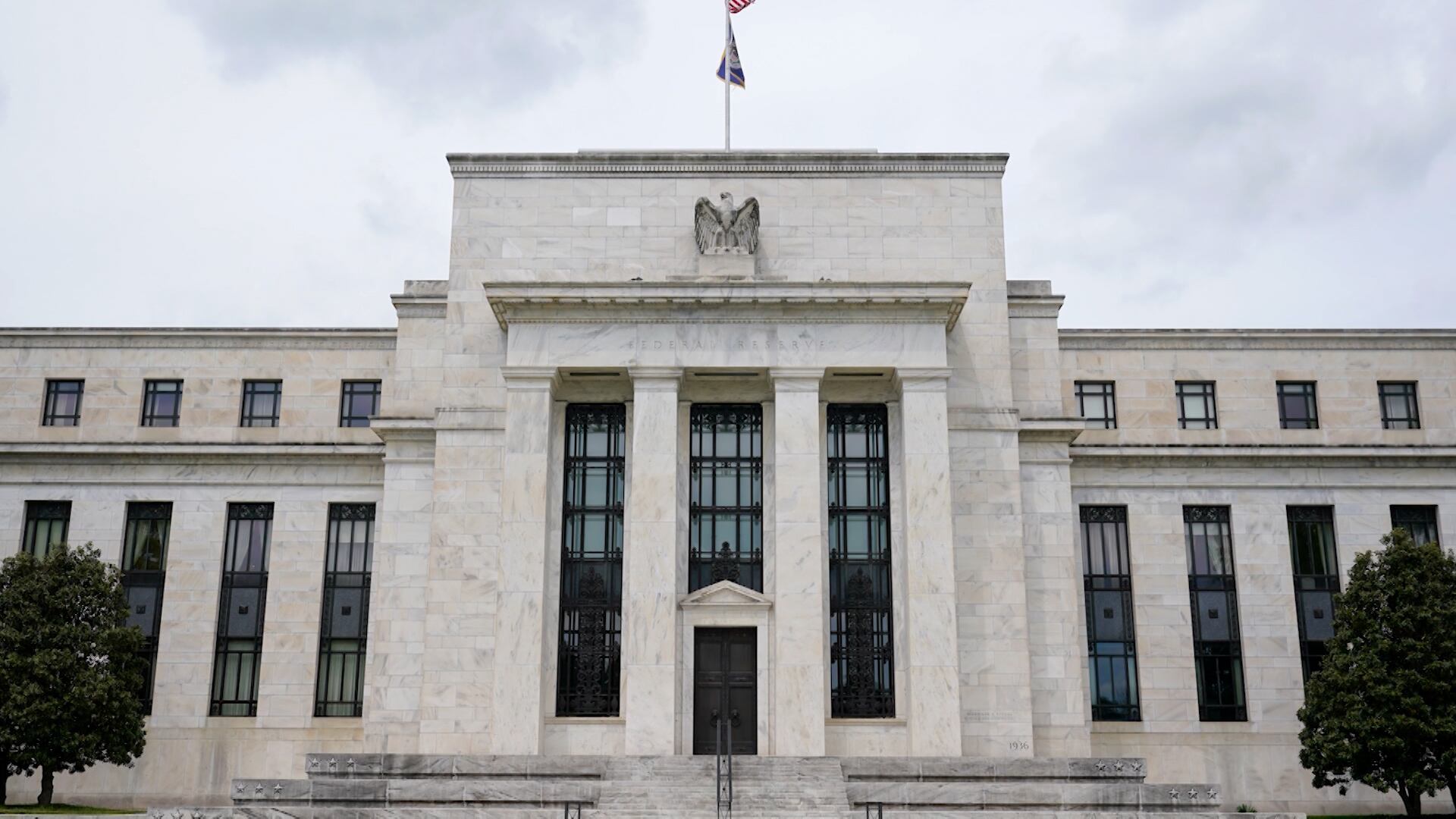
Stocks closed mixed Wednesday after the Federal Reserve's announcement about potential rate hikes this year, beginning as soon as March. That would be the central bank's first rate hike since 2018, and Chair Jerome Powell also didn't rule out a potential rate hike at every meeting in order to combat inflation. RC Peck, CIO of Fearless Wealth, joined Closing Bell to discuss today's close, the Fed's announcement, Tesla's Q4 2021 earnings results, and more.
Stocks closed lower Tuesday, but off session lows amid continued volatility as investors await this week's Federal Reserve meeting, where the central bank is expected to introduce tighter monetary policy. Microsoft also reported second quarter fiscal 2022 earnings after the bell. The tech giant beat on both top and bottom lines, but shares fell after hours. David Stryzewski, CEO of the Sound Planning Group, joins Cheddar News' Closing Bell to discuss today's close, predictions for this week's Fed meeting, Microsoft's earnings report, and more.
Thomas Hoenig, Former CEO of Federal Reserve Bank of Kansas City and currently Distinguished Senior Fellow with the Mercatus Center, joined Cheddar News' Closing Bell, where he says the Fed's decision was no surprise, but believes the Fed is behind the curve on raising rates.
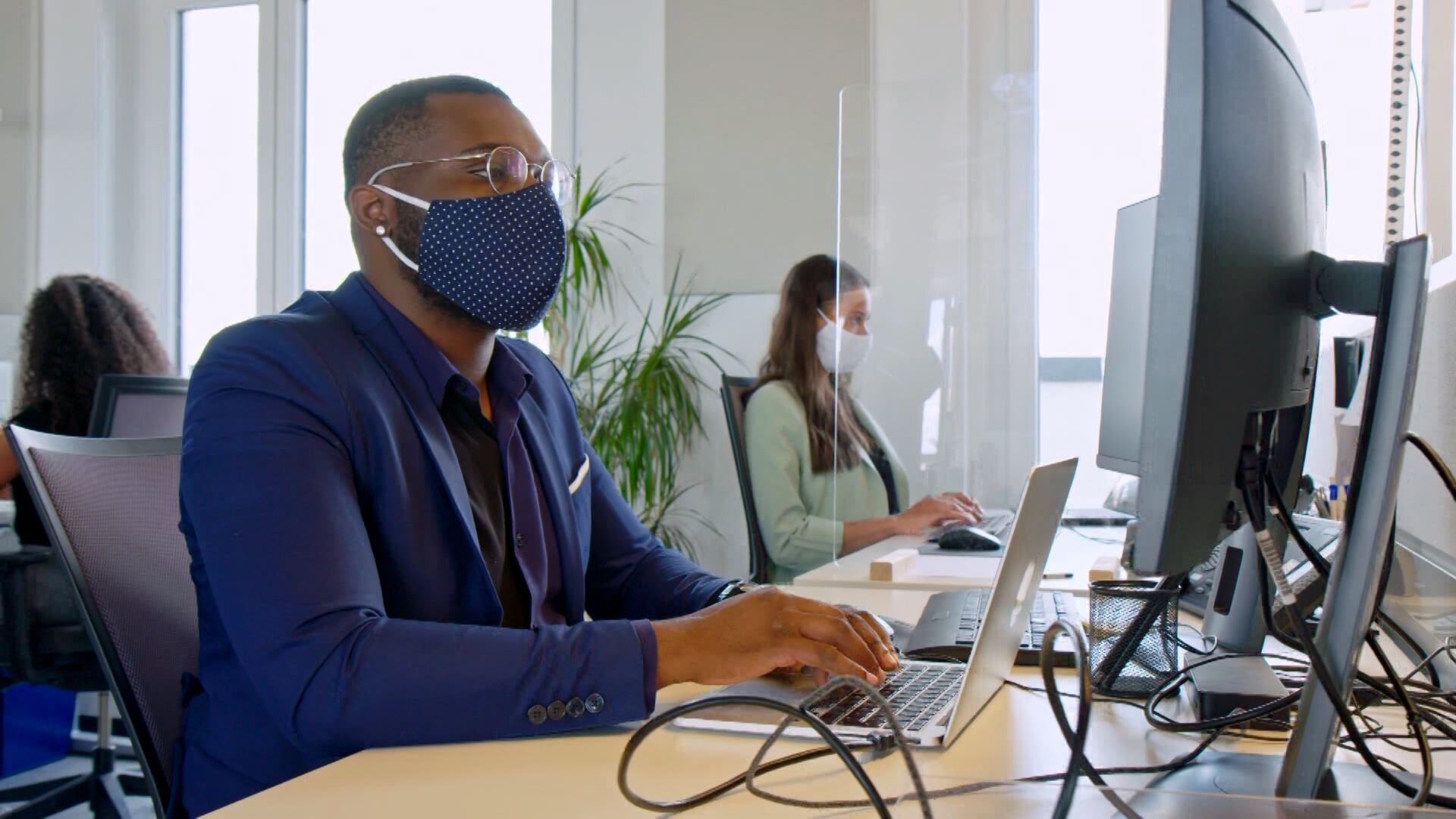
Business communication platform Slack, recently released its fifth wave of results from its global workplace survey from its Future Forum consortium, showing that the workforce has already moved to a split between working from home and going to the office. “We are now officially in the hybrid era of work,” Slack Future Forum VP Sheela Subramanian said when discussing the findings. "Hybrid is a work model where people can come into the office as well as work remotely, and what we're seeing is that the majority of knowledge workers are now in this arrangement — and that number is set to grow."
Legal cannabis businesses are having a hard time surviving in California with the high cost of doing business and a still-thriving illicit market. In response, nonprofit Supernova Women, founded by women of color, is advocating on behalf of Black and brown shareholders in the cannabis industry. Amber Senter, co-founder, executive director, and chairman of the organization, spoke with Cheddar News about calling for changes in the Golden State's taxation system for legal marijuana. "We're really leaning on the legislators now to support the industry and make sure that this industry, in particular craft cannabis, can survive," said Senter.
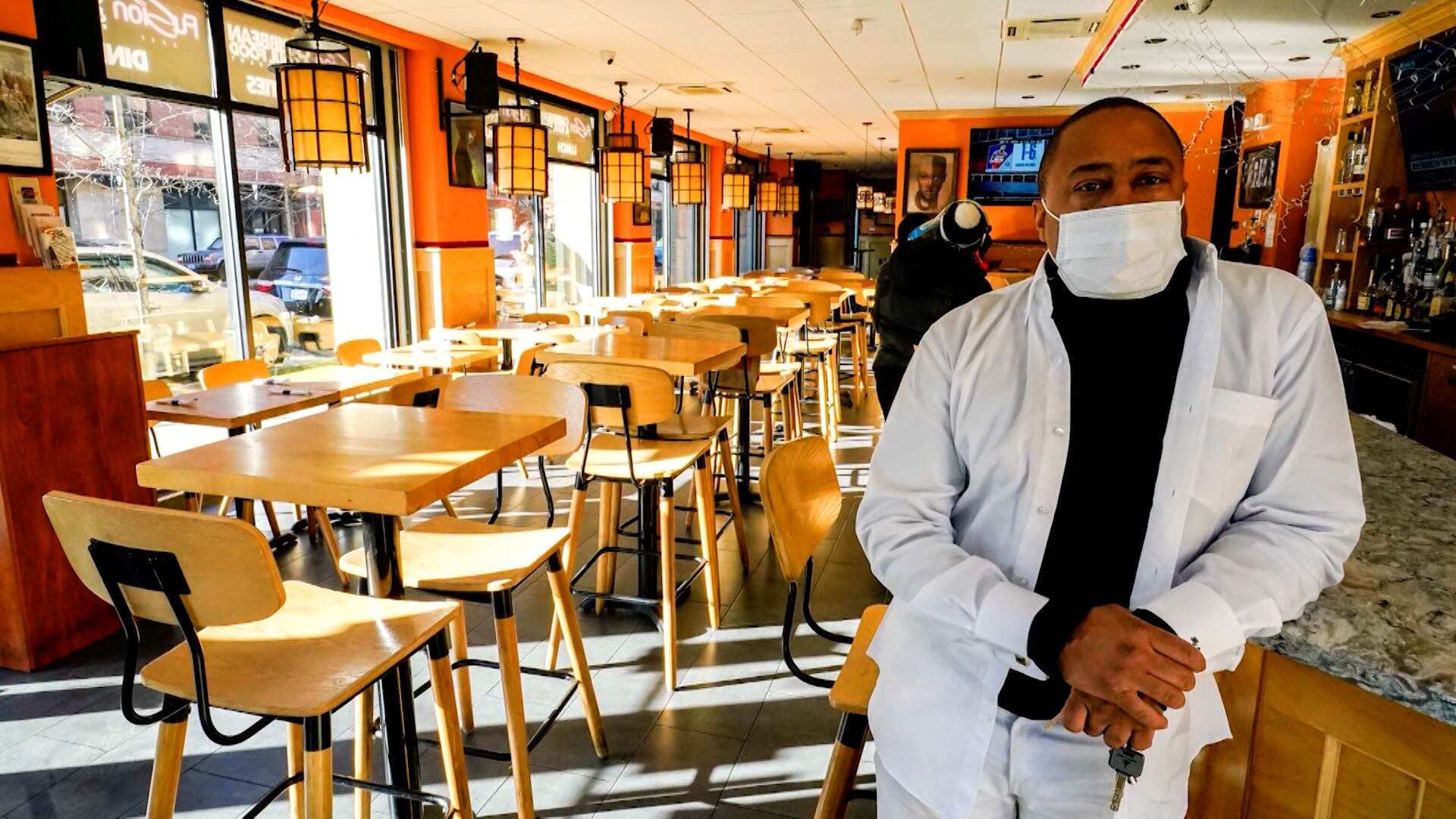
After being among the hardest-hit industries by the pandemic, restaurants are still having a hard time staying afloat, with owners claiming that business is worse now due to closures from staff shortages and customer decline than it was three months ago. Mike Whatley, vice president of state affairs and grassroots advocacy for the National Restaurant Association, spoke to Cheddar News about how the sector is reaching out to lawmakers for help. "Working with Senators Wicker, Sinema, and a whole host of bipartisan leaders, we're trying to get the Restaurant Revitalization Fund replenished," Whatley said.
Alex Soojung-Kim Pang, founder of Strategy + Rest,
joins Cheddar News to discuss UK's pilot four-day workweek and its impact on workers' mental health.
Ed Gaussen, co-founder and CEO of Mantra Health, and Matt Kennedy, co-founder and COO of Mantra Health, joined Cheddar News to discuss the digital mental health startup's latest funding round and plans for the future.