In the race to save the planet, the technology powering Virgin Hyperloop potentially could lead the charge in reducing the carbon impact of global transportation, one of the largest contributors to climate change, by more than 25 percent, according to Virgin Hyperloop CEO and co-founder Josh Giegel.
"Transportation is the largest emitter in the U.S., it's about 29 percent," Giegel told Cheddar. "So things like electric vehicles, last mile, ride-sharing, all of those things are making a dent."
Virgin Hyperloop uses an electric propulsion system to transport pods from one place to another through a low-pressure tube. Giegel said that the pods can transport people or goods at the speed of conventional airplanes while consuming 10 times less energy.
"But we need to look at mass transportation systems for people, for cargo and that's the opportunity for hyperloop, is that we can live in this century and the next century with technology that allows us to move at these speeds and save this amount of time without having to, i'll say, destroy the planet around us," he said. "It's really sustainability without sacrifice."
The pods also would be able to seat 25 to 35 passengers, take them directly to their destinations without making additional stops, and the service would be "on-demand," allowing passengers to move at their own pace without sticking to a strict departure schedule, according to the CEO. Giegel and colleague Sara Luchian were the first live passengers to test the technology in November of last year.
As global communities continue to seek transportation options that are more climate-conscious, Giegel said he expects technologies similar to Virgin Hyperloop to become more mainstream. He pointed to the coronavirus pandemic's impact on the environment, which led to a reduction in greenhouse gas pollution and even exposed a need for speedier, efficient transportation for vaccine distribution.
"The focus on sustainability, I think, is really, really refreshing and that there's opportunity like here in the U.S. or wherever it might be to 'build back better,' to use the technology of the future to, I'll say, enable the future that we want, which is fast, it's electric, it's clean," he said. "I'm just seeing a much more rapid view on getting people into sustainable modes of transport a heck of a lot faster."
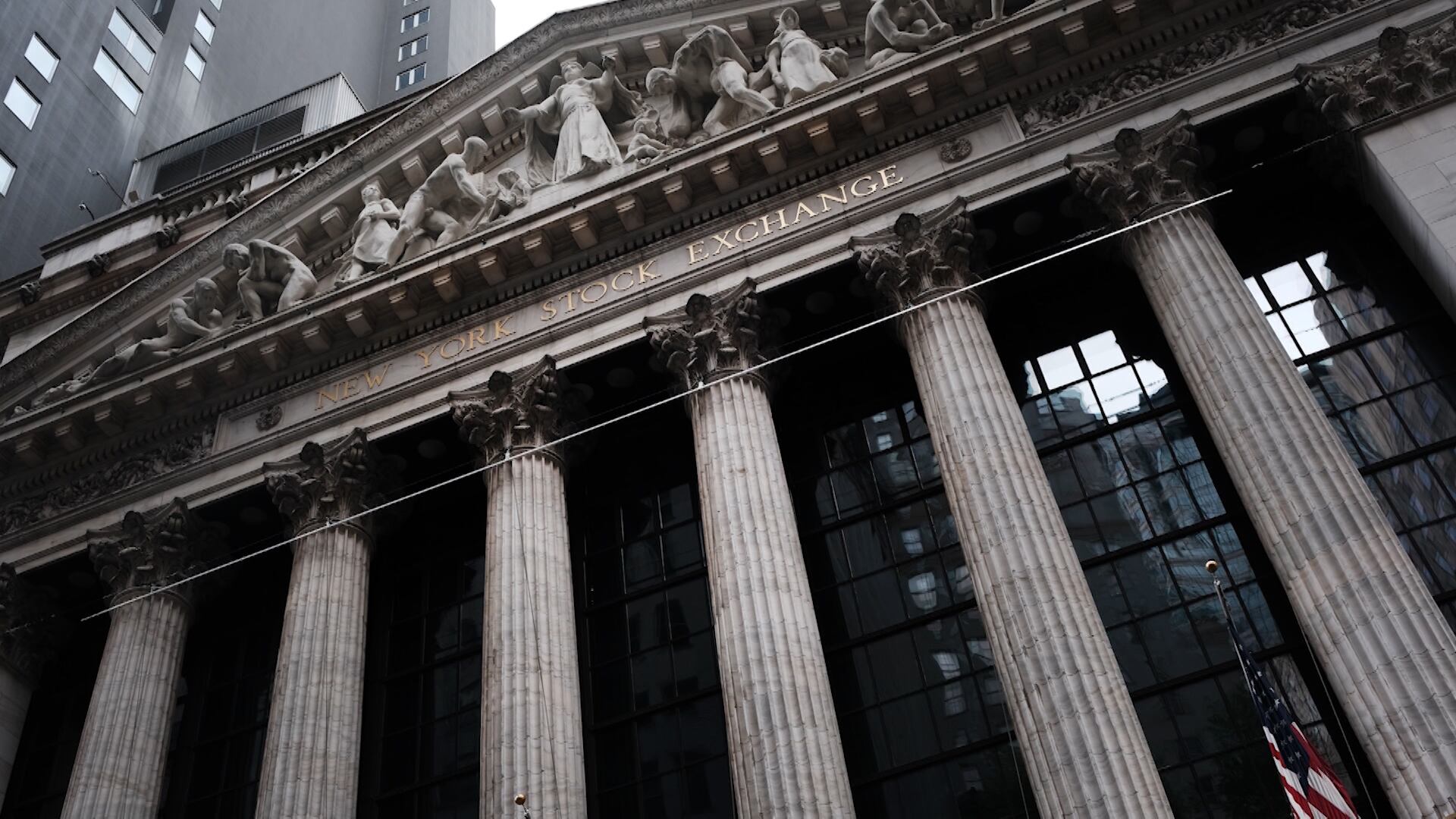
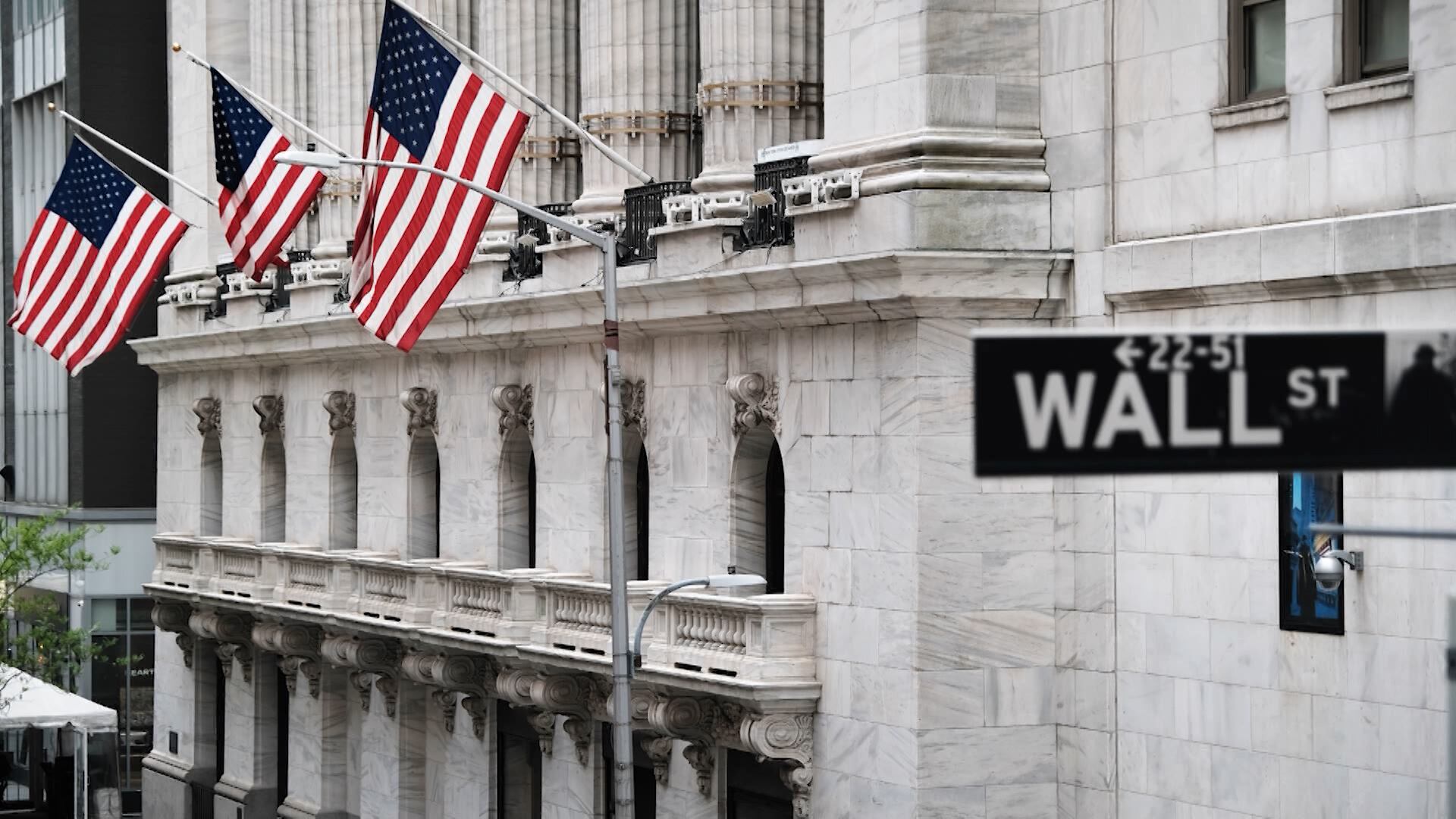
Ross Mayfield, Investment Strategy Analyst at Baird, joins Cheddar News' Closing Bell, where he breaks down a very up-and-down week on Wall Street that included a late Friday rally to send the major indexes sharply higher on the day.
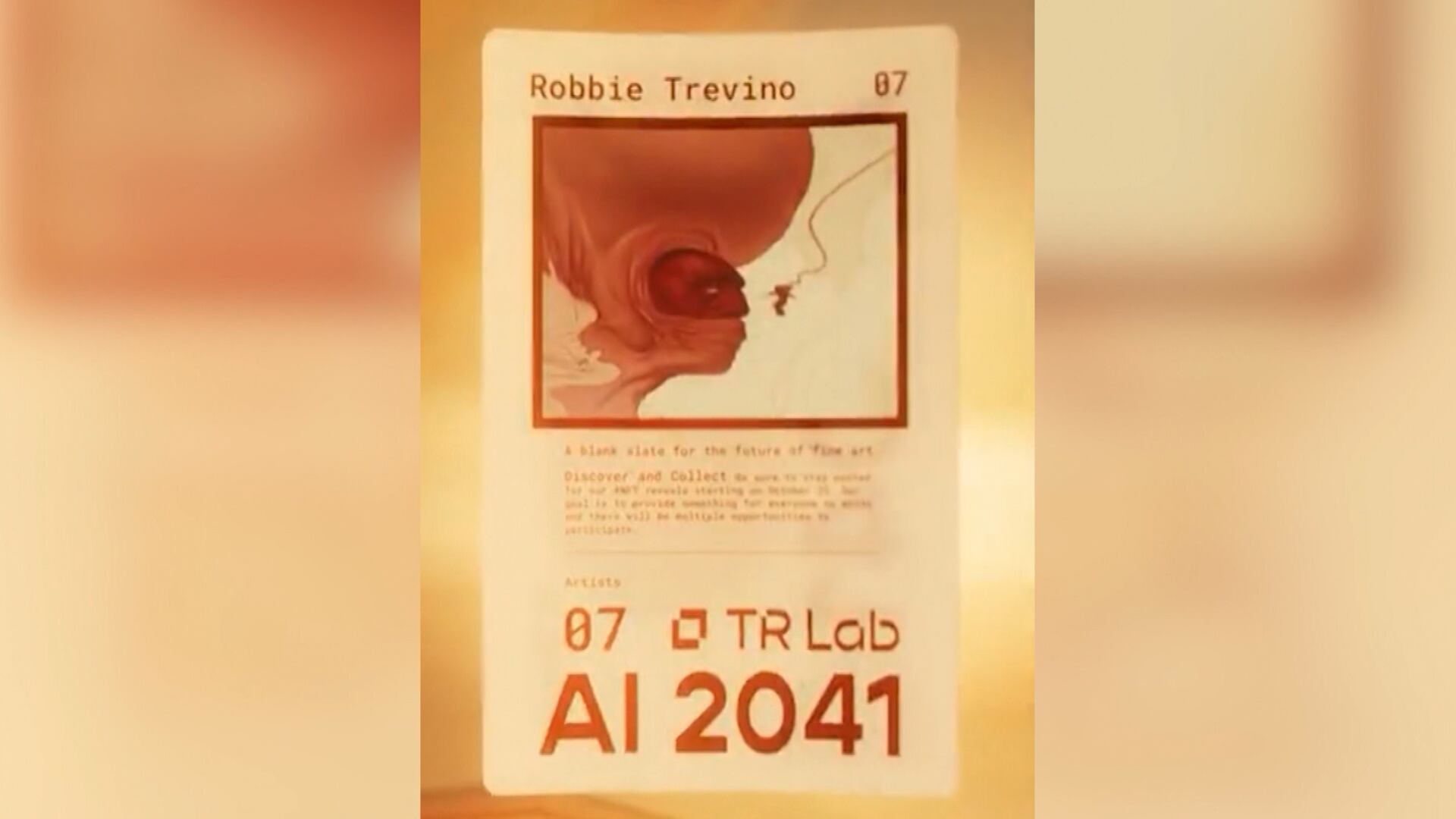
NFT art platform TRLab recently raised $4.2 million in funding. TRLab launched just last year but says its platform focused on NFT curation and distribution is growing quickly. The company hopes to bridge traditional and digital art worlds and help artists explore NFTs as an emerging medium. TRLab co-founder and chairwoman Xin Li-Cohen and co-founder and CEO Audrey Ou joined Cheddar News' Closing Bell to discuss.
Chris Vecchio, senior analyst at DailyFX, joins Cheddar News to discuss what investors should watch as the three major indexes see wild swings all week.
Diageo, one of the largest distillers in the world, recently reported its global sales have surpassed pre-COVID levels. Debra Crew, the company's North American president, joined Cheddar to discuss the surging sales, supply chain disruptions, and its efforts in non-alcoholic beer and spirits. "We had growth across all five regions," Crew said. "A year ago that wasn't true. This was really more of a North America recovery story. This year you really see this across the globe, people returning back in. On premise reopening really helped us." The producers of Don Julio tequila and Ketel One vodka also opened a new carbon neutral distillery in Lebanon, Kentucky.
Although the auto industry is faced with chip shortages and supply chain woes, Tesla was still expected to report record earnings, and Elon Musk did not disappoint. Jon Rettinger, President of JFL Network, joins Cheddar News to discuss the company, the electric vehicle competition, and growth for the auto industry.
A year after the r/WallStreetBets community on Reddit drove GameStop and other meme stocks to unprecedented heights, the subreddit seems to be losing its luster among retail investors. Caitlin McCabe, markets and retail trading reporter from The Wall Street Journal, joined Cheddar to talk about the waning popularity of the group “Users are going on to find the next GameStop, and instead, they're seeing many of the new users who have joined the subreddit still talking about GameStop and AMC," McCabe noted. "And, they've become frustrated as they're ready to move on from those original meme stocks."