In the race to save the planet, the technology powering Virgin Hyperloop potentially could lead the charge in reducing the carbon impact of global transportation, one of the largest contributors to climate change, by more than 25 percent, according to Virgin Hyperloop CEO and co-founder Josh Giegel.
"Transportation is the largest emitter in the U.S., it's about 29 percent," Giegel told Cheddar. "So things like electric vehicles, last mile, ride-sharing, all of those things are making a dent."
Virgin Hyperloop uses an electric propulsion system to transport pods from one place to another through a low-pressure tube. Giegel said that the pods can transport people or goods at the speed of conventional airplanes while consuming 10 times less energy.
"But we need to look at mass transportation systems for people, for cargo and that's the opportunity for hyperloop, is that we can live in this century and the next century with technology that allows us to move at these speeds and save this amount of time without having to, i'll say, destroy the planet around us," he said. "It's really sustainability without sacrifice."
The pods also would be able to seat 25 to 35 passengers, take them directly to their destinations without making additional stops, and the service would be "on-demand," allowing passengers to move at their own pace without sticking to a strict departure schedule, according to the CEO. Giegel and colleague Sara Luchian were the first live passengers to test the technology in November of last year.
As global communities continue to seek transportation options that are more climate-conscious, Giegel said he expects technologies similar to Virgin Hyperloop to become more mainstream. He pointed to the coronavirus pandemic's impact on the environment, which led to a reduction in greenhouse gas pollution and even exposed a need for speedier, efficient transportation for vaccine distribution.
"The focus on sustainability, I think, is really, really refreshing and that there's opportunity like here in the U.S. or wherever it might be to 'build back better,' to use the technology of the future to, I'll say, enable the future that we want, which is fast, it's electric, it's clean," he said. "I'm just seeing a much more rapid view on getting people into sustainable modes of transport a heck of a lot faster."
Americans placing bets on the Super Bowl is expected to reach a record high due to multiple states legalizing sports gambling. Hana Ostapchuk, the host of Cheddar Bets, joined Baker Machado on Between Bells to discuss the action on the Big Game.
Chipotle posted its quarterly report showing a beat on earnings and revenue. The restaurant chain was able to stay ahead of inflation by raising prices and noted digital sales made up more than 40 percent of overall sales.
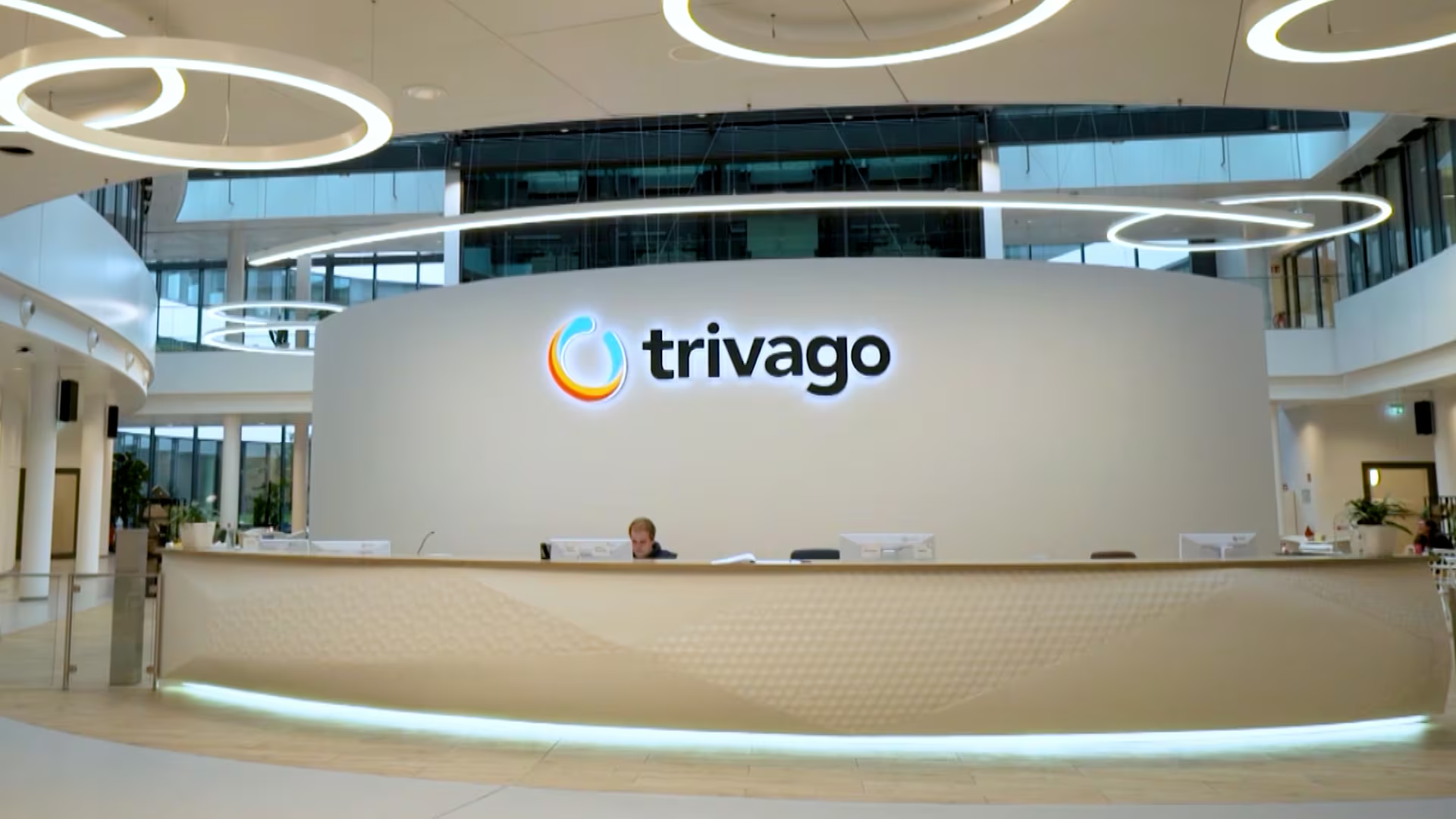
trivago reported its last earnings of 2021 yesterday, marking the end of a rollercoaster year. The online hotel search site was forced to cut costs during the pandemic as the travel industry shut down entirely, instead pivoting its strategy to meet customer demand in other ways. Matthias Tillmann, CFO of trivago, joined Cheddar's Opening Bell to discuss the company's results and why he's optimistic about the future of the travel industry in 2022.
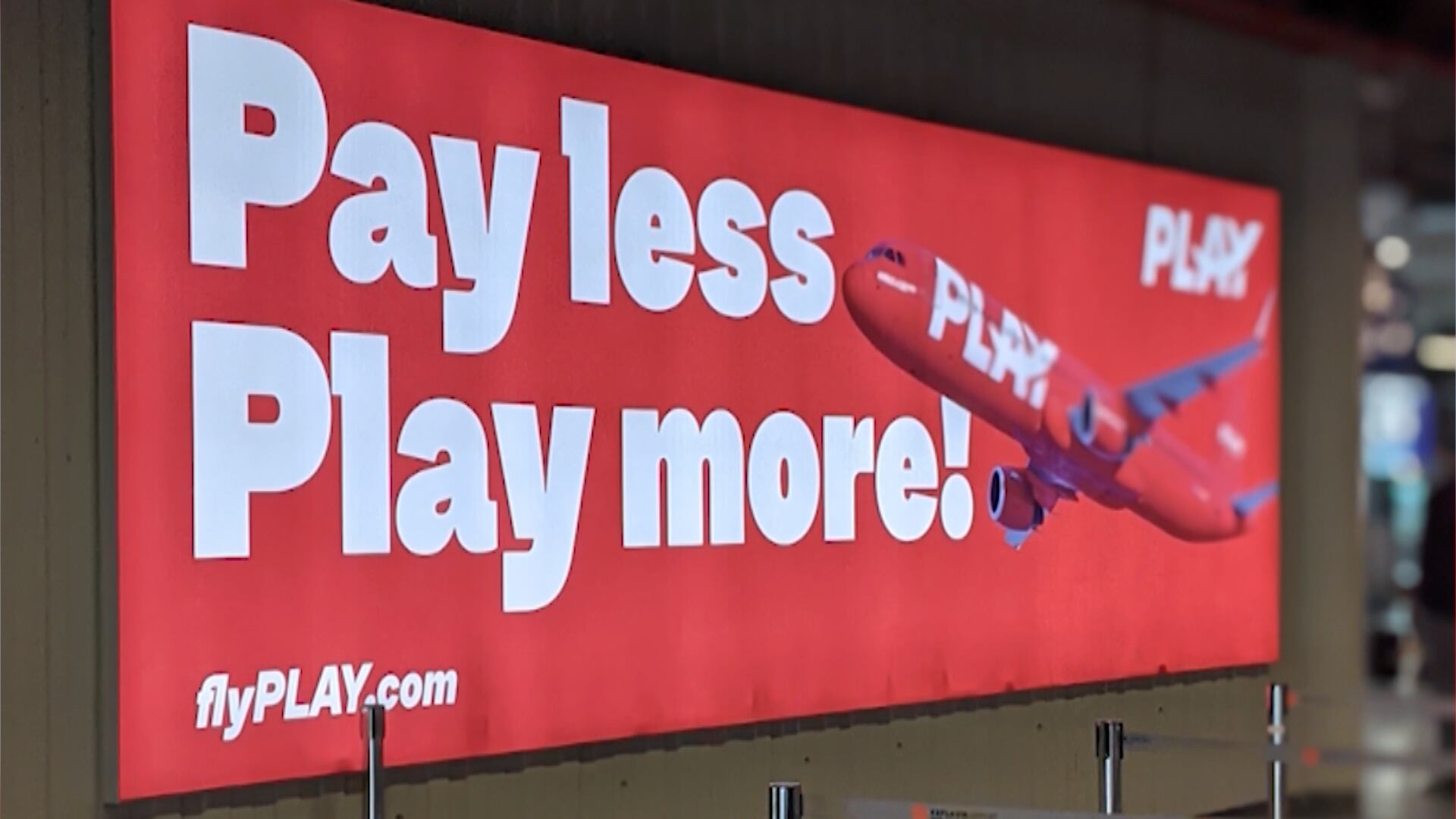
PLAY, a low-cost airline headquartered in Iceland, is expanding service to New York Stewart International Airport, marking its third destination in the United States. PLAY is the latest affordable carrier to fly onto the scene, debuting its first flights a little more than six months ago. Birgir Jonsson, CEO of PLAY, joined Cheddar to discuss what this expansion means for the airline and what it's been like to lead a new airline during a pandemic. "For us to get into the market now, have the availability of great, brand new aircraft at historically low prices, and basically being able to secure a low operating cost base for the future is a completely rare opportunity," Jonsson said. "We can get into the market now when our competitors are also weak."
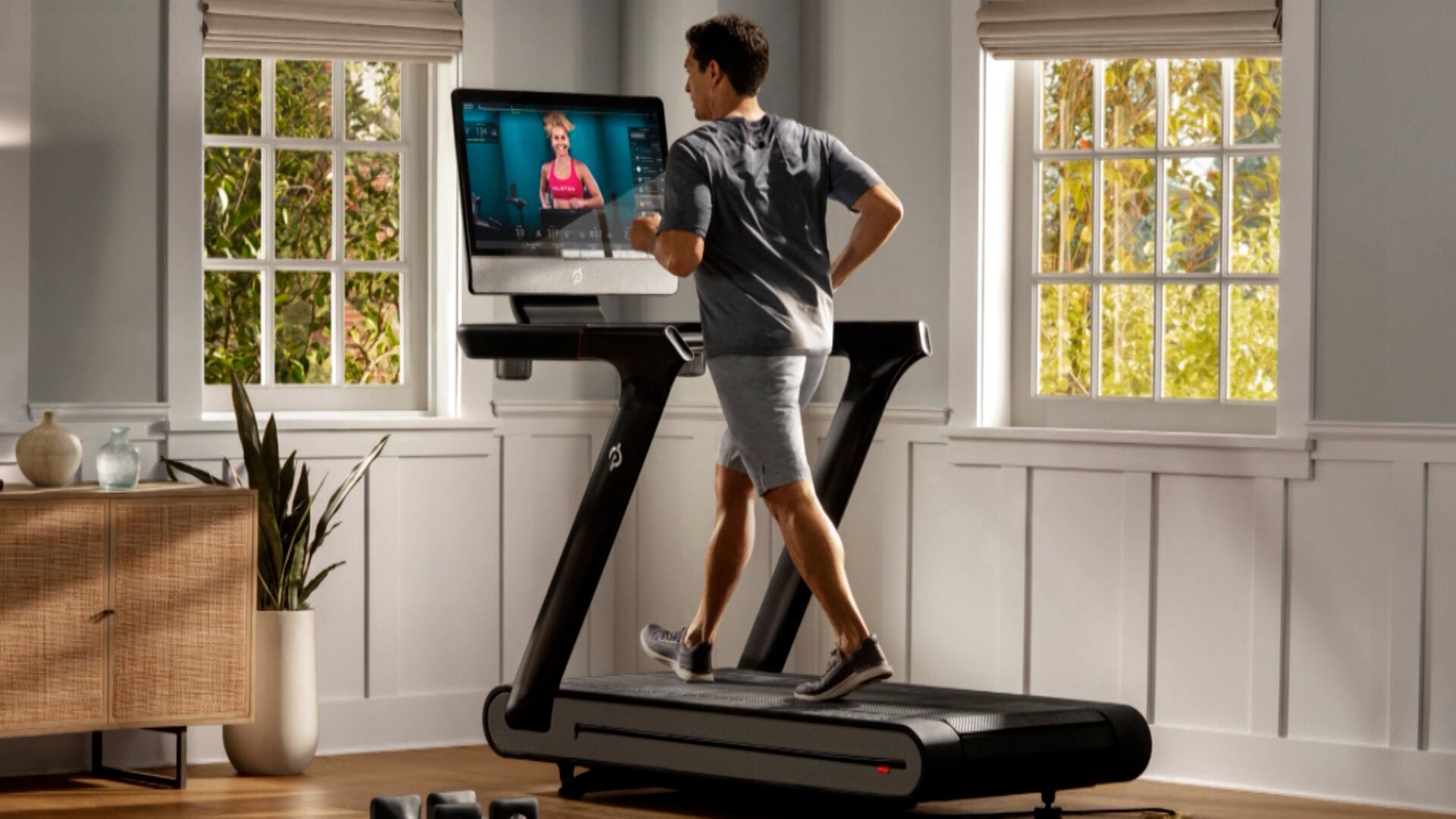
On Monday, Peloton CEO John Foley stepped down, 2,800 layoffs were announced, and its stock price skyrocketed. Lydia Moynihan, business reporter for the New York Post joined Cheddar News to talk about why investors are excited about this shift in power, while thousands of its workers were let go in a less than ideal manner. "One of the headlines that emerged was that even as they were being fired, Foley sort of couched it as, 'well, you know what, you're still gonna get a year's login to a Peloton subscription', as if somehow if that would make things better," Moynihan said of the soon-to-be ex-CEO. "So, even in that, it was seen as a very sort of tone-deaf move as people were being axed."