In the race to save the planet, the technology powering Virgin Hyperloop potentially could lead the charge in reducing the carbon impact of global transportation, one of the largest contributors to climate change, by more than 25 percent, according to Virgin Hyperloop CEO and co-founder Josh Giegel.
"Transportation is the largest emitter in the U.S., it's about 29 percent," Giegel told Cheddar. "So things like electric vehicles, last mile, ride-sharing, all of those things are making a dent."
Virgin Hyperloop uses an electric propulsion system to transport pods from one place to another through a low-pressure tube. Giegel said that the pods can transport people or goods at the speed of conventional airplanes while consuming 10 times less energy.
"But we need to look at mass transportation systems for people, for cargo and that's the opportunity for hyperloop, is that we can live in this century and the next century with technology that allows us to move at these speeds and save this amount of time without having to, i'll say, destroy the planet around us," he said. "It's really sustainability without sacrifice."
The pods also would be able to seat 25 to 35 passengers, take them directly to their destinations without making additional stops, and the service would be "on-demand," allowing passengers to move at their own pace without sticking to a strict departure schedule, according to the CEO. Giegel and colleague Sara Luchian were the first live passengers to test the technology in November of last year.
As global communities continue to seek transportation options that are more climate-conscious, Giegel said he expects technologies similar to Virgin Hyperloop to become more mainstream. He pointed to the coronavirus pandemic's impact on the environment, which led to a reduction in greenhouse gas pollution and even exposed a need for speedier, efficient transportation for vaccine distribution.
"The focus on sustainability, I think, is really, really refreshing and that there's opportunity like here in the U.S. or wherever it might be to 'build back better,' to use the technology of the future to, I'll say, enable the future that we want, which is fast, it's electric, it's clean," he said. "I'm just seeing a much more rapid view on getting people into sustainable modes of transport a heck of a lot faster."
Lower Manhattan's iconic Stone Street is getting a bubbly makeover. Champagne Nicolas Feuillatte will be 'unleashing the bubbles' throughout the month of June in New York City, with themed events, bubble ball pits, and special menu and drink experiences. Anne-Laure Domenichini, director of communications for Champagne Nicholas Feuillatte, joins Cheddar News' Closing Bell to discuss.
Alex Gladstein, Chief Strategy Officer for the Human Rights Foundation, joins Closing Bell, where he explains where tech experts are getting it wrong when they call crypto risky and unproven. He also stresses the importance of crypto and points to how Ukraine was able to use Bitcoin during the onset of the Russian invasion.
API platform RapidAPI recently became a unicorn with a $1 billion valuation after raising $150 million in a Series D funding round led by Softbank Vision Two Fund. Microsoft's Venture Fund, M12, and Andreessen Horowitz also participated. RapidAPI says it provides the world's largest API hub which enables millions of developers and companies to build software faster. Iddo Gino, founder and CEO of RapidAPI, joins Cheddar News' Closing Bell to discuss.
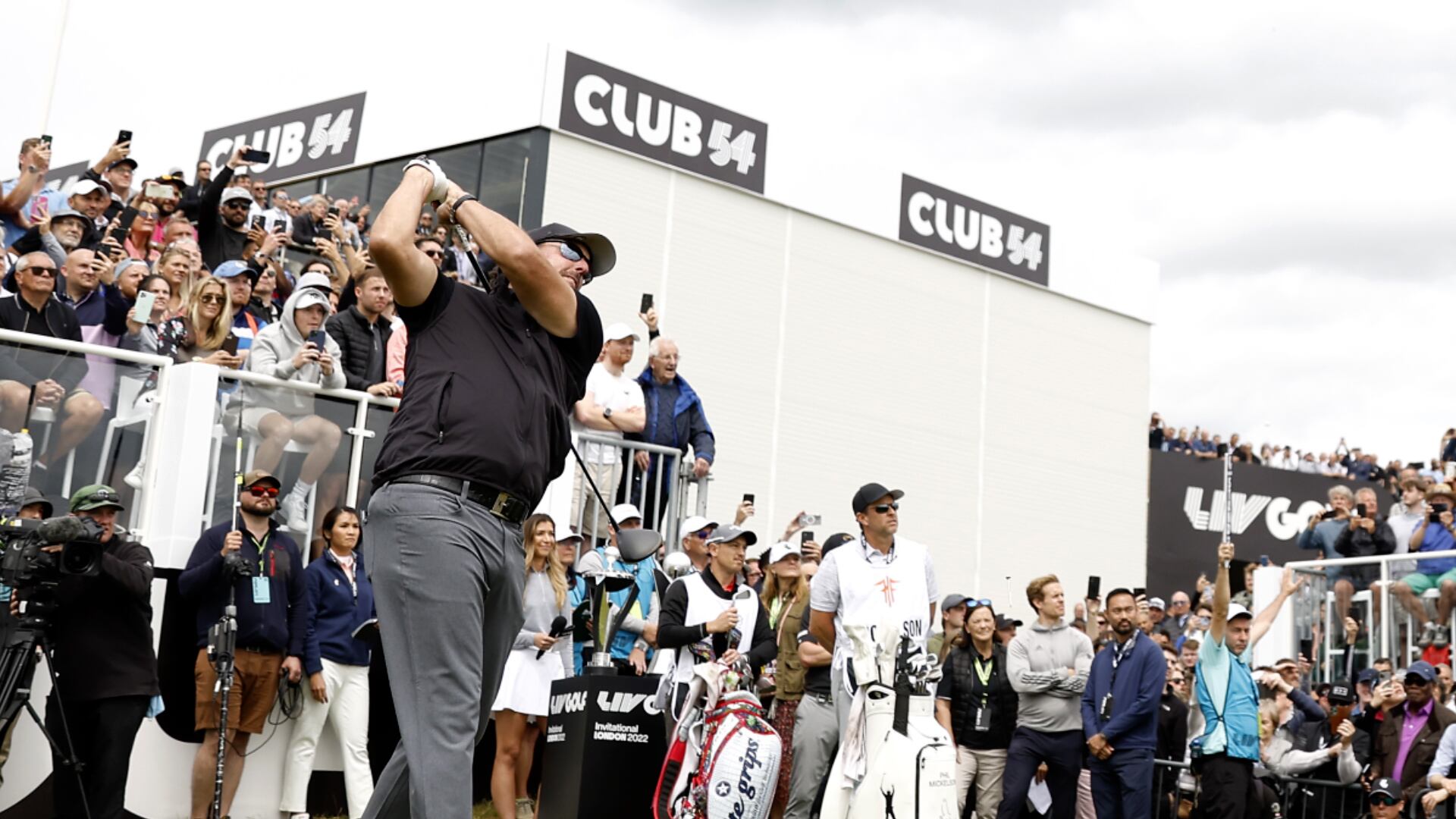
The PGA Tour has announced that it will suspend players that are competing in the LIV Golf event that teed off today. At least 17 players, including names like Phil Mickelson, Dustin Johnson, and Sergio Garcia are banned from the PGA Tour competition. Hilary Fordwich, a business analyst and golf expert, joined Cheddar News to discuss why the PGA had to go this route. This is a threat to the future of golf for them, and there's been many contentions about them not being fair and that this is vindictive," she said. "Don't forget, of course, they represent sort of a monopoly in the history of golf. So you've got two sides to this story. You've got those the purists, those that feel that golf should only be a certain way and that there are only these limited events that the PGA puts on. And then you've got other people who are saying … this is all about money"
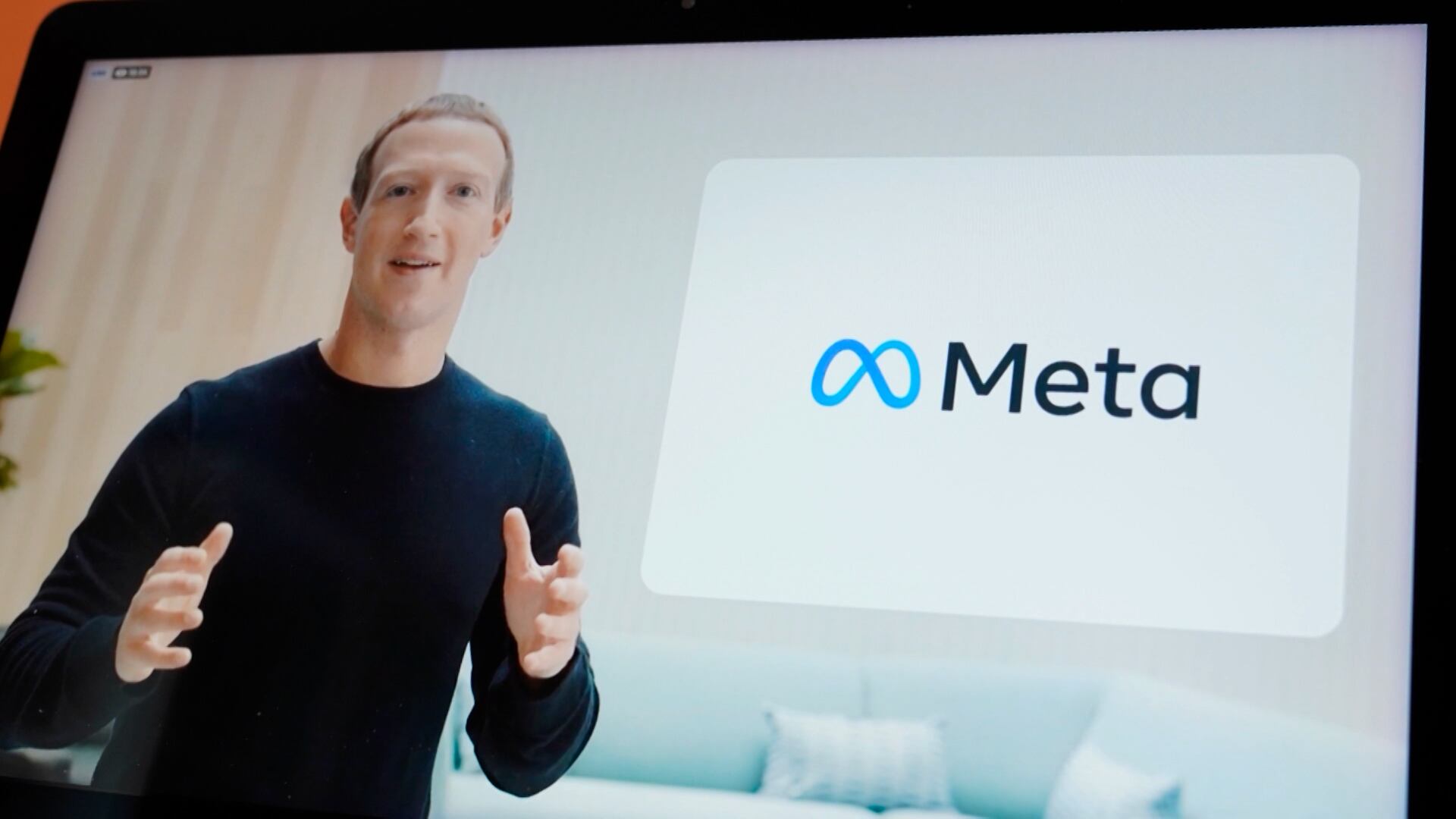
Facebook parent Meta officially has changed it’s ticker symbol from ‘FB’ to ‘META’. Paul Meeks, a portfolio manager, Independent Solutions Wealth Management, and a professor of practice in the Baker School of Business at The Citadel, joined Cheddar News to discuss why the tech giant has had to make big changes to its name, its ticker, and its business plans. "When you see what's happening in digital advertising — and there was a slowdown there even before the threat of a recession, which could cause a even more drastic slowdown next year — they had to pivot," he said. Meeks noted he sees Facebook dominating in the metaverse space going forward — whatever that may end up being.
Sports merchandising company Fanatics announced it will be making trading cards featuring college athletes, a deal made possible by the NCAA's change to NIL rules for its players. Anchors Kristen Scholer and Ken Buffa break down the deal for Cheddar.
Catching you up on today’s top business headlines with household wealth falling in Q1 for the first time in two years, Meta officially changing its ticker symbol from ‘FB’ to ‘META’, and updates on Tesla.