In the race to save the planet, the technology powering Virgin Hyperloop potentially could lead the charge in reducing the carbon impact of global transportation, one of the largest contributors to climate change, by more than 25 percent, according to Virgin Hyperloop CEO and co-founder Josh Giegel.
"Transportation is the largest emitter in the U.S., it's about 29 percent," Giegel told Cheddar. "So things like electric vehicles, last mile, ride-sharing, all of those things are making a dent."
Virgin Hyperloop uses an electric propulsion system to transport pods from one place to another through a low-pressure tube. Giegel said that the pods can transport people or goods at the speed of conventional airplanes while consuming 10 times less energy.
"But we need to look at mass transportation systems for people, for cargo and that's the opportunity for hyperloop, is that we can live in this century and the next century with technology that allows us to move at these speeds and save this amount of time without having to, i'll say, destroy the planet around us," he said. "It's really sustainability without sacrifice."
The pods also would be able to seat 25 to 35 passengers, take them directly to their destinations without making additional stops, and the service would be "on-demand," allowing passengers to move at their own pace without sticking to a strict departure schedule, according to the CEO. Giegel and colleague Sara Luchian were the first live passengers to test the technology in November of last year.
As global communities continue to seek transportation options that are more climate-conscious, Giegel said he expects technologies similar to Virgin Hyperloop to become more mainstream. He pointed to the coronavirus pandemic's impact on the environment, which led to a reduction in greenhouse gas pollution and even exposed a need for speedier, efficient transportation for vaccine distribution.
"The focus on sustainability, I think, is really, really refreshing and that there's opportunity like here in the U.S. or wherever it might be to 'build back better,' to use the technology of the future to, I'll say, enable the future that we want, which is fast, it's electric, it's clean," he said. "I'm just seeing a much more rapid view on getting people into sustainable modes of transport a heck of a lot faster."
Creating a brand is one of the most important steps in building a business. It can help set you apart from the competition and tells customers what your values are, but many companies don't know how to brand themselves effectively. Tiana Von Johnson, CEO & Chief Brand Strategist of TVJ World, gives expert tips on the do’s and don’ts of branding.
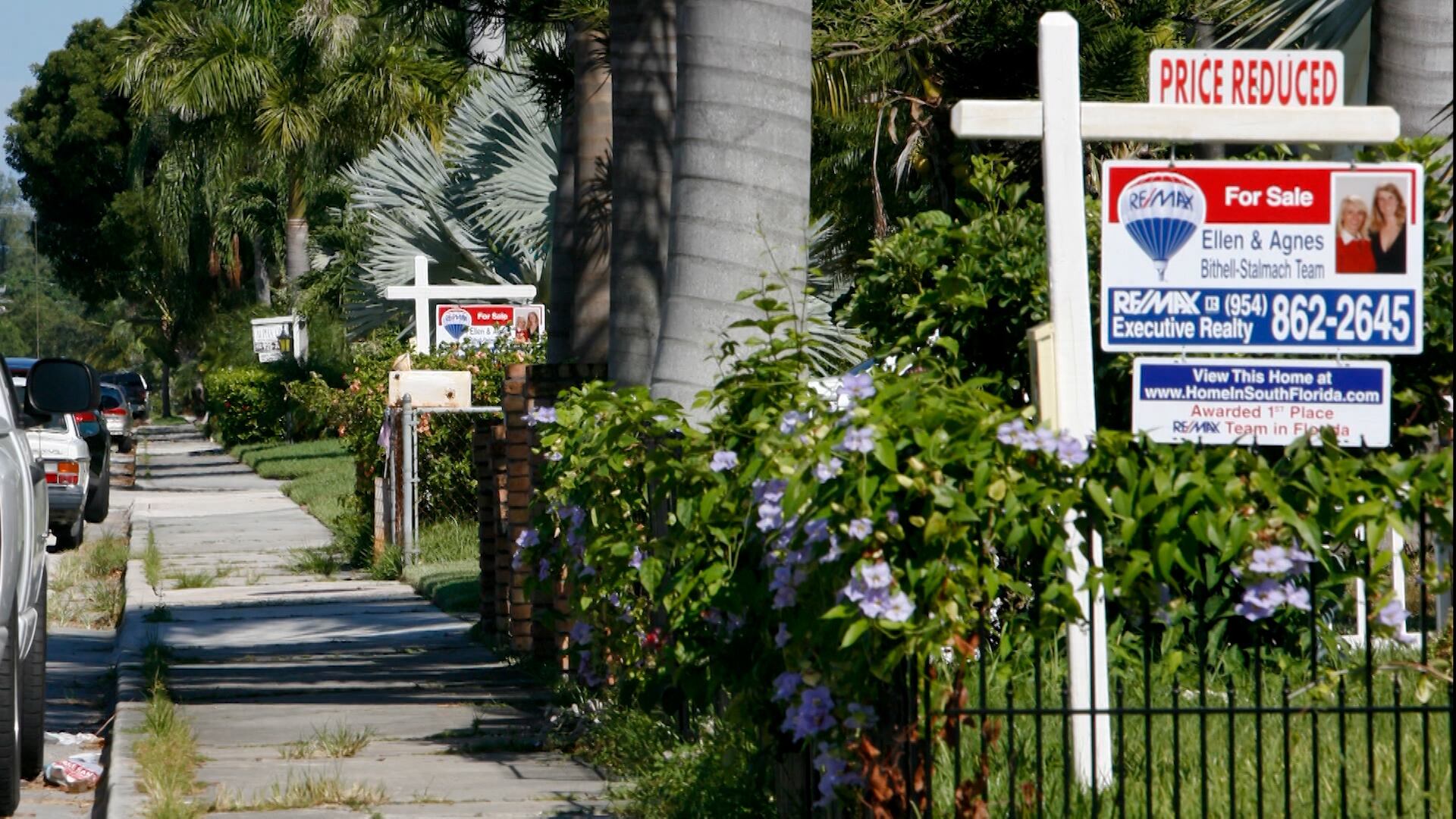
Housing affordability has collapsed to its lowest level on record over the last year. According to the national association of realtors, affordability has dropped by 29%, thanks to surging home prices and mortgage rates. Odeta Kushi, Deputy Chief Economist of First American, breaks down the housing market, and when buyers can expect prices to finally drop.
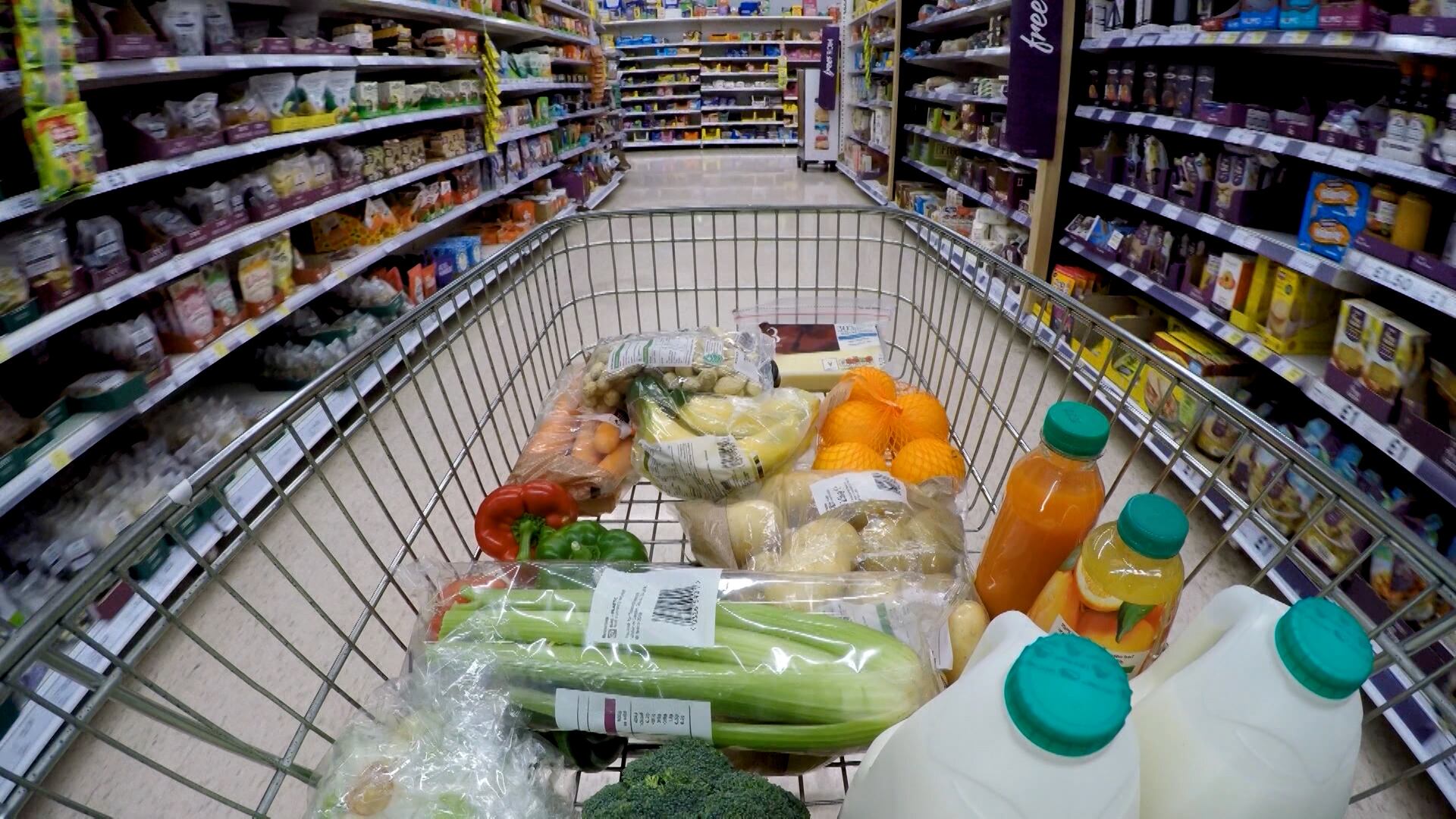
U.S. markets opened sharply lower on Friday on hotter-than-expected inflation data. The May CPI showed an 8.6% jump in consumer prices year-over-year, higher the expected 8.3%. Mark Howard, Senior Multi-Asset Specialist at BNP Paribas joined Cheddar's Opening Bell to discuss.
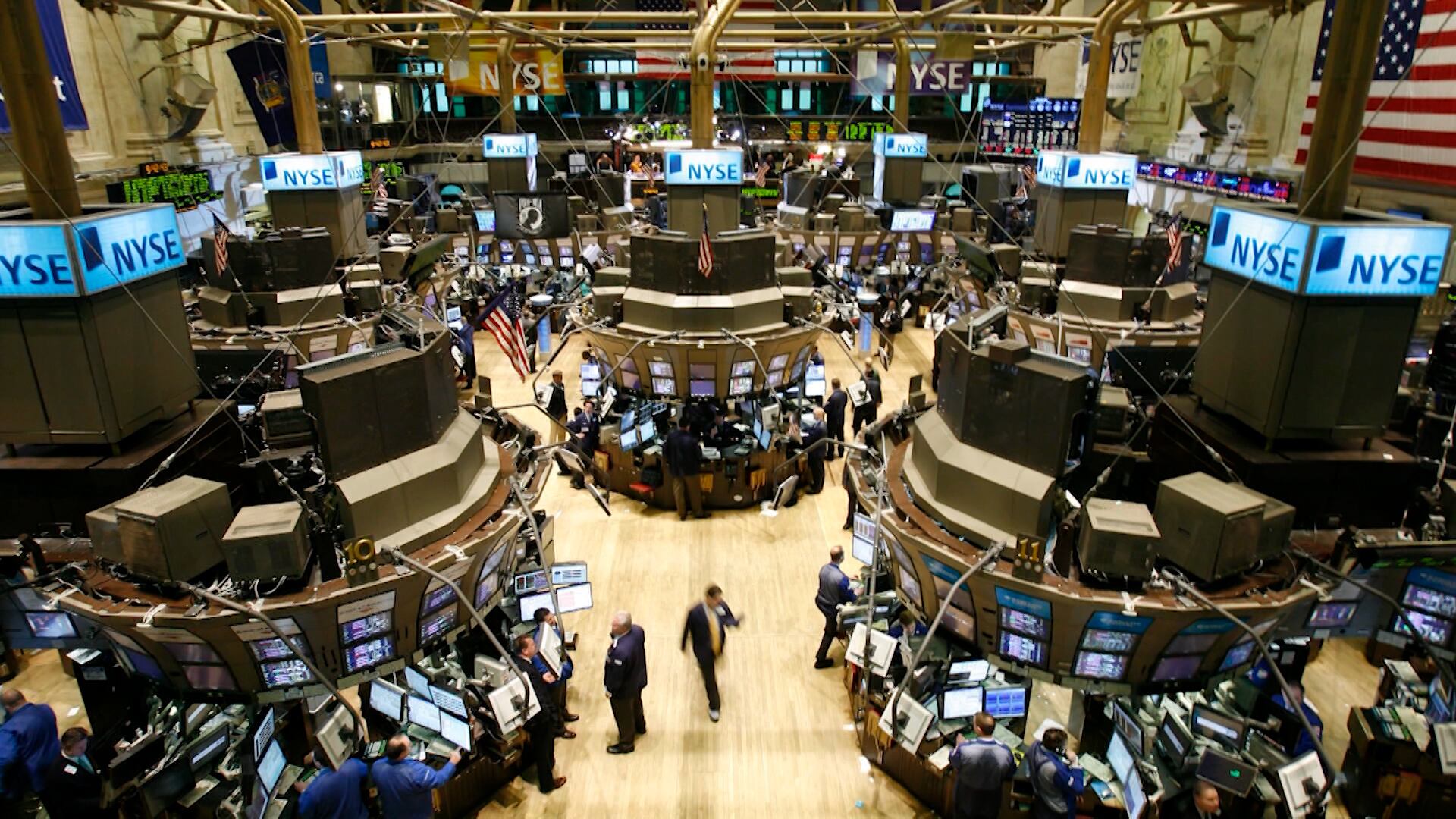
U.S. stocks closed Friday at session lows after May CPI data showed inflation in the U.S. has not peaked and is still rising rapidly. For the week, the S&P fell 5.06%, the Dow lost 4.58%, and the Nasdaq dropped 5.60%, marking the worst week since January for all three major indexes. Mike Zigmont, Head of Trading and Research at Harvest Volatility Management, joins Cheddar News' Closing Bell to discuss.
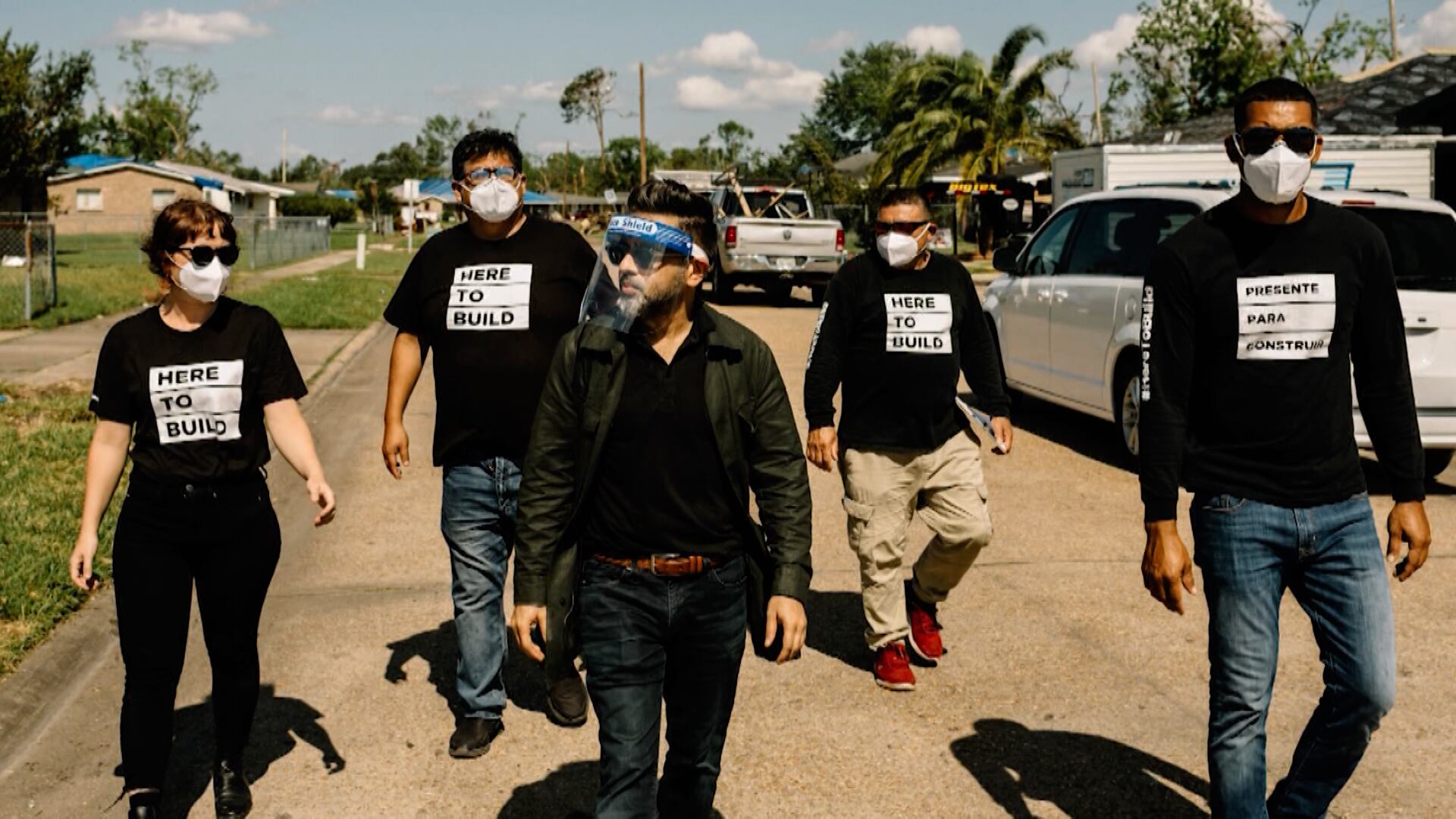
Residents often have to wait on federal assistance after a disaster, but one group has a solution: hiring community members to help clean up and improve their neighborhoods. Resilience Force tackles two problems at once by creating jobs in response to growing climate-related disasters. LaTanja Silvester, director of New Orleans programming for Resilience Force, joins Closing Bell to discuss how the organization creates jobs in communities that need help and higher employment, the importance of creating a "green" workforce, and more.
Benefits brokerage, Nava Benefits, raised $40 million in a Series B round. Nava says it's on a mission to fix healthcare, one benefits plan at a time. The startup is working to bring benefits to small business that are normally available to only Fortune 500 companies. Brandon Weber, Co-Founder and CEO of Nava Benefits, joined Cheddar News' Closing Bell to discuss.
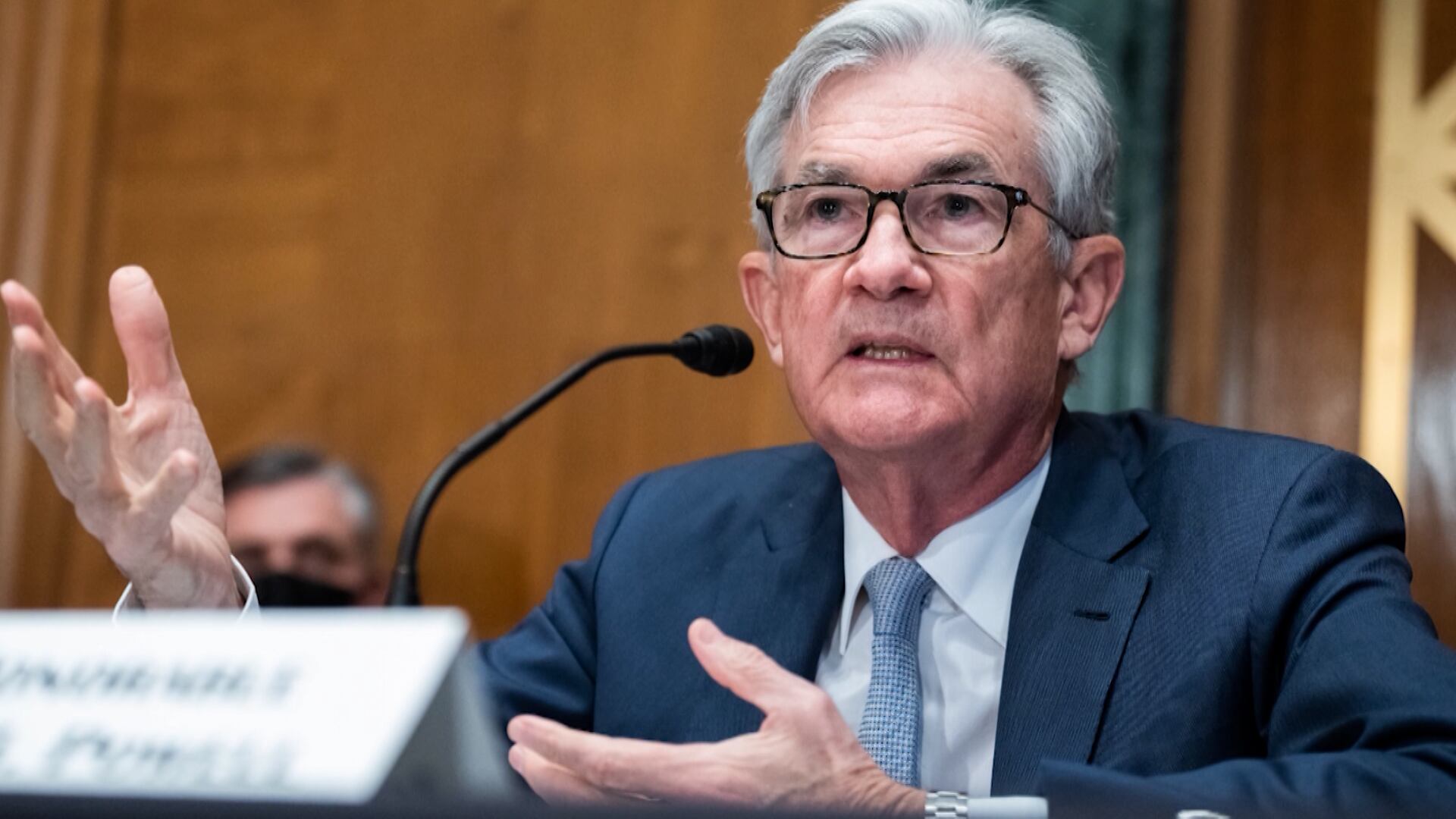
Yung Lim, CEO and Fixed Income Strategist at FolioBeyond, joined Closing Bell to discuss the May CPI report, as inflation is still red-hot going into a key decision from the Federal Reserve about interest rates.
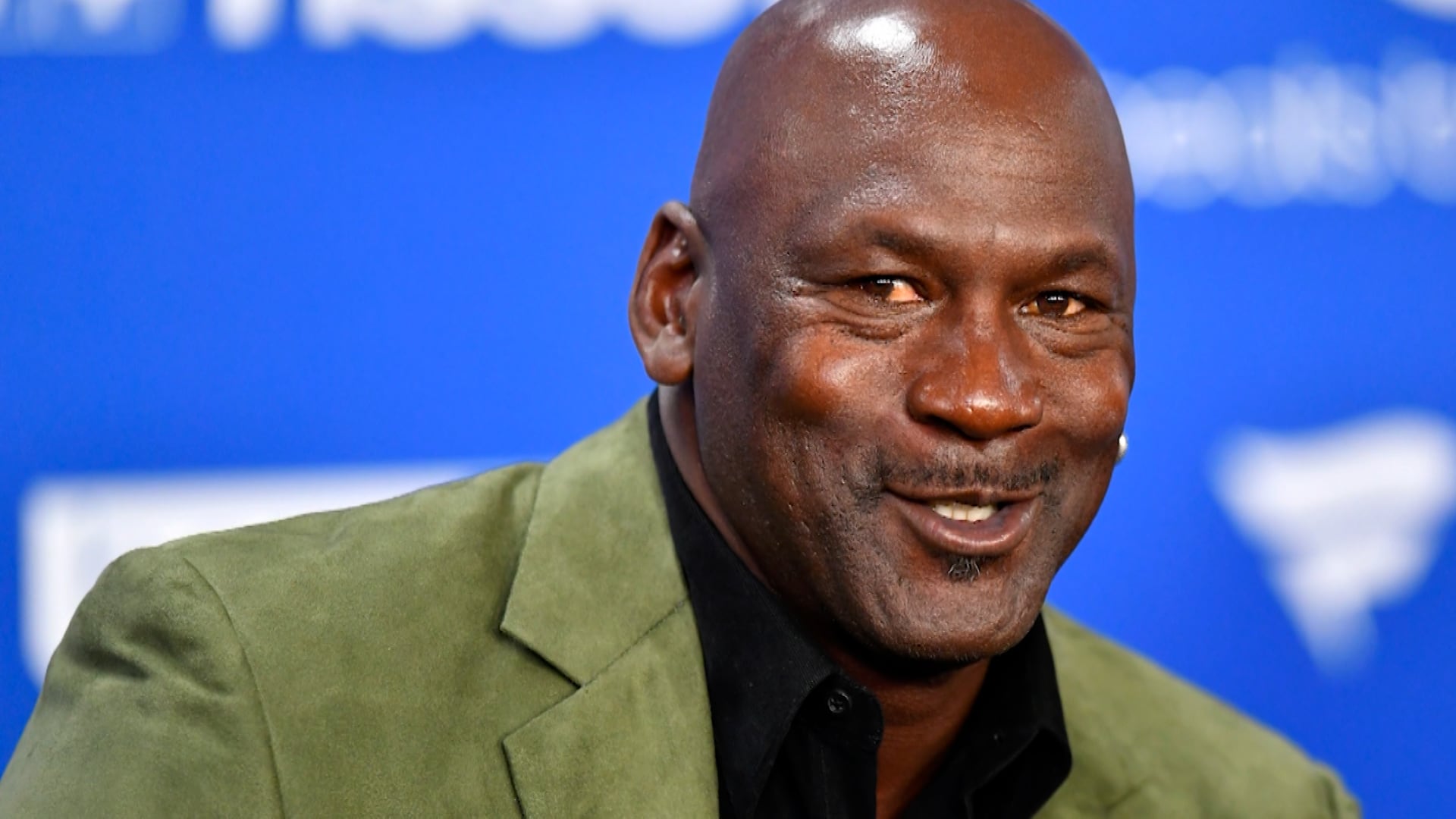
Auction house Christie's will be presenting "Legacy of the GOAT," which will include a rare Michael Jordan signed rookie card and sneakers. Caitlin Donovan, the vice president of Christie's handbags and accessories department. joined Cheddar News to discuss the special memorabilia selection for the NBA great. "He's been a global phenomenon, so he's really shaped '90s culture and streetwear culture," she said. "And we see bidders from every pocket in the world."
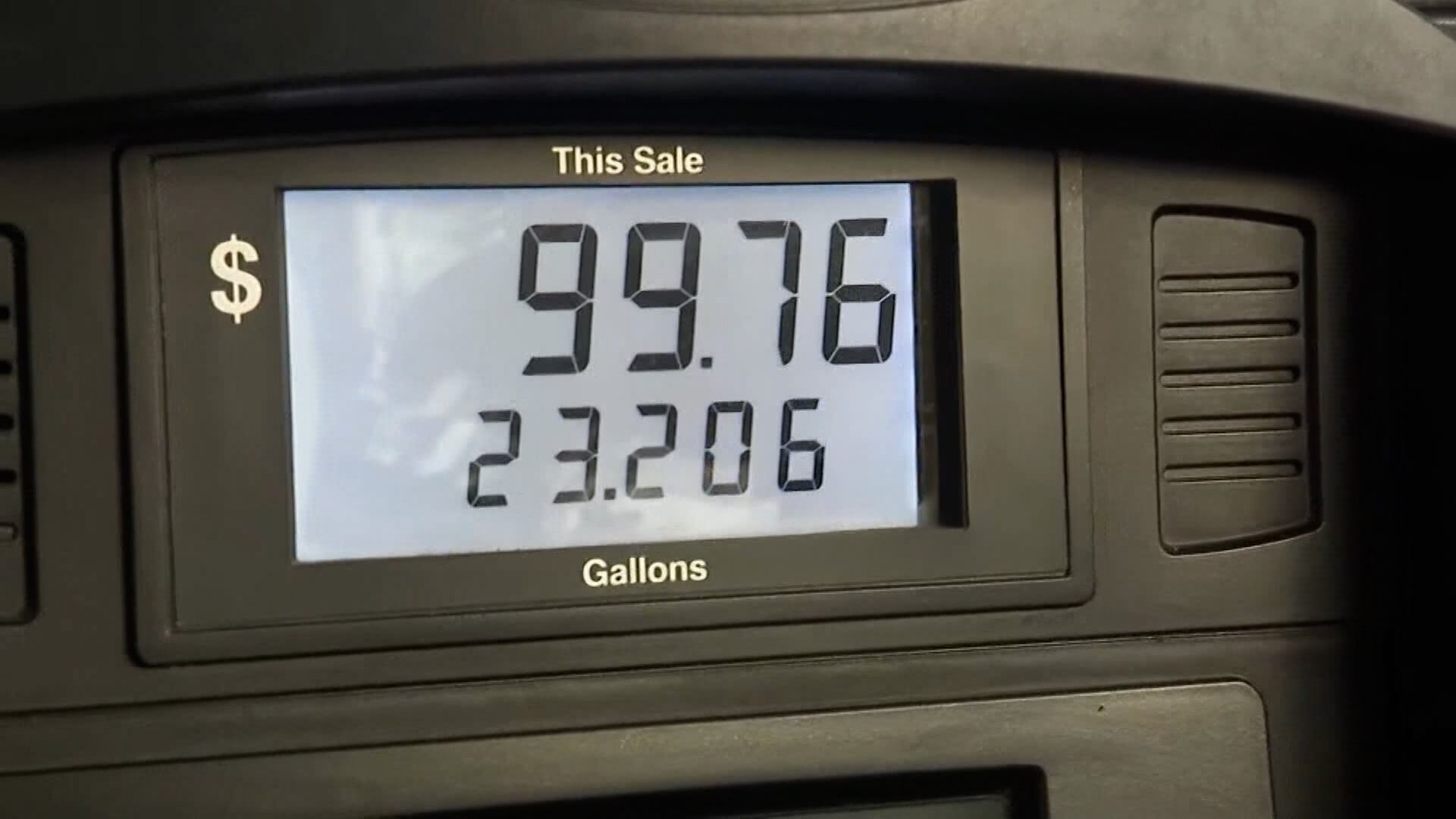
Fuel and oil prices have risen almost 17 percent since May, making the national gas prices reach nearly $5 a gallon. Andrew Lipow from consulting firm Lipow Oil Associates joined Cheddar News to discuss the future of gas prices. "The biggest issue on the oil market is really events that are beyond our control, which is what is happening over in Europe," he said, regarding the ongoing Russia Ukraine war. Lipow also said he predicted gas prices to hit $5.05 and that he's focused on the Biden administration's overtures in repairing a relationship with Saudi Arabia.